Blue Carbon
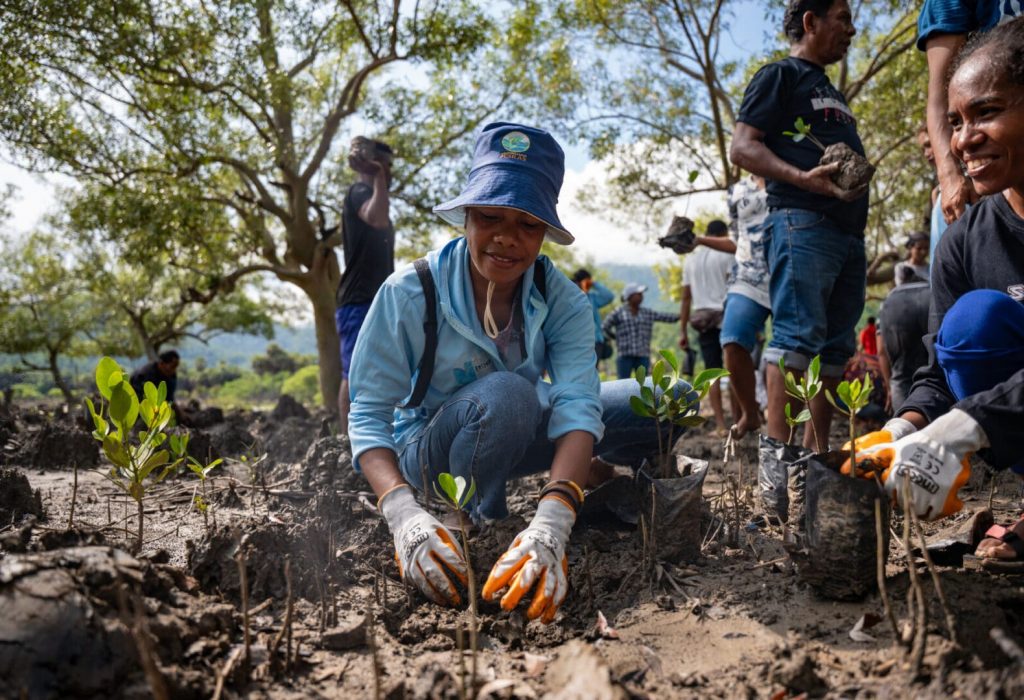
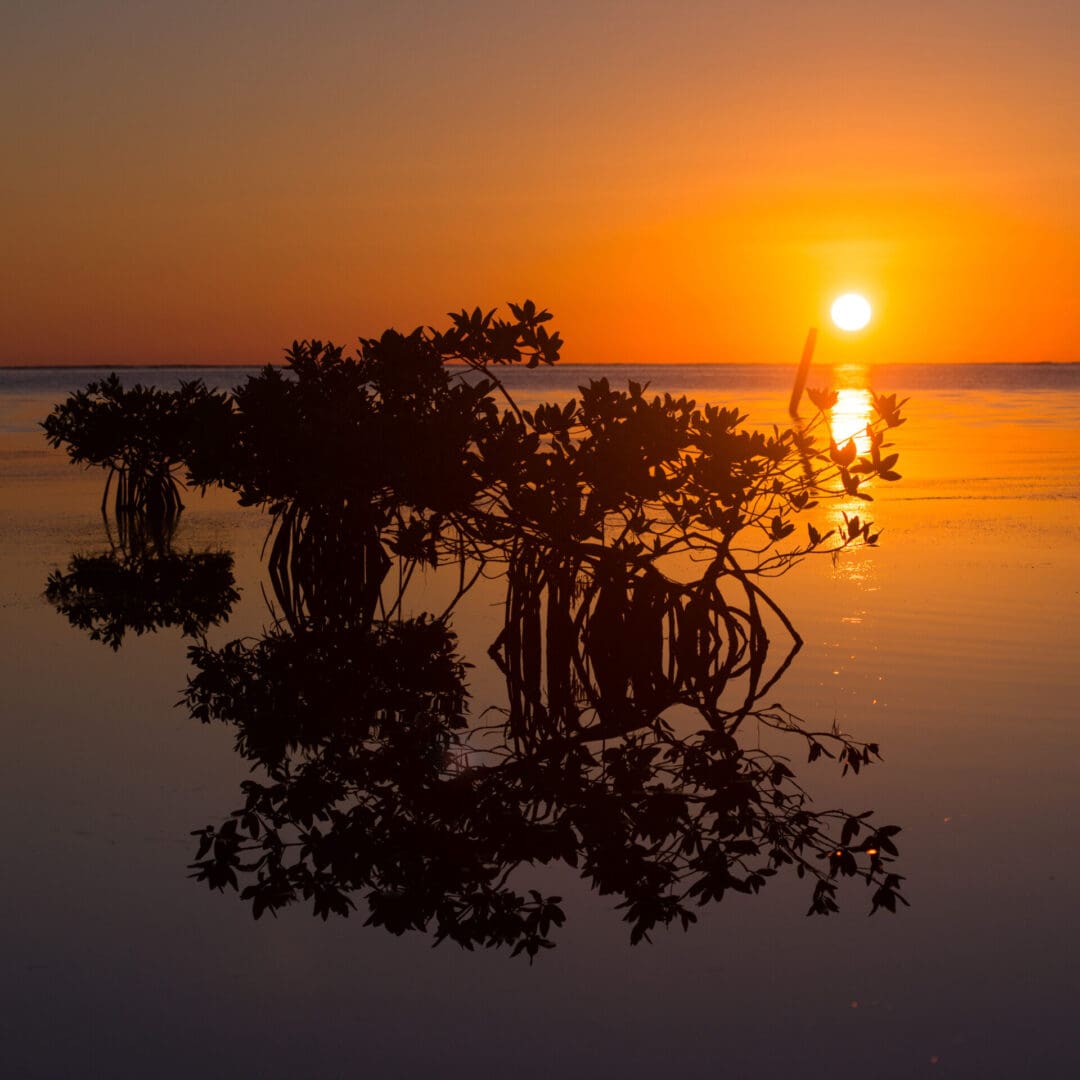
Our Blue Carbon programme aims to conserve mangrove and seagrass habitats using a range of innovative management approaches and financing mechanisms. It will ensure that blue carbon habitats continue to play their critical role in locking up carbon dioxide, as well as providing a range of vital ecosystem services to coastal communities. In the long term it will contribute to poverty alleviation and help coastal communities adapt to climate change.
What is Blue Carbon?
The capacity of mangroves, seagrasses and salt marshes to sequester carbon dioxide - removing carbon dioxide from the atmosphere and depositing it in a reservoir - is becoming increasingly recognised at an international level.
Of all the biological carbon (or “green carbon”) captured in the world, over half (55%) is captured by marine living organisms (“blue carbon”). Mangroves, salt marshes and seagrasses form much of the earth’s blue carbon sinks. They store a comparable amount of carbon per year to that of all other plant biomass on land.
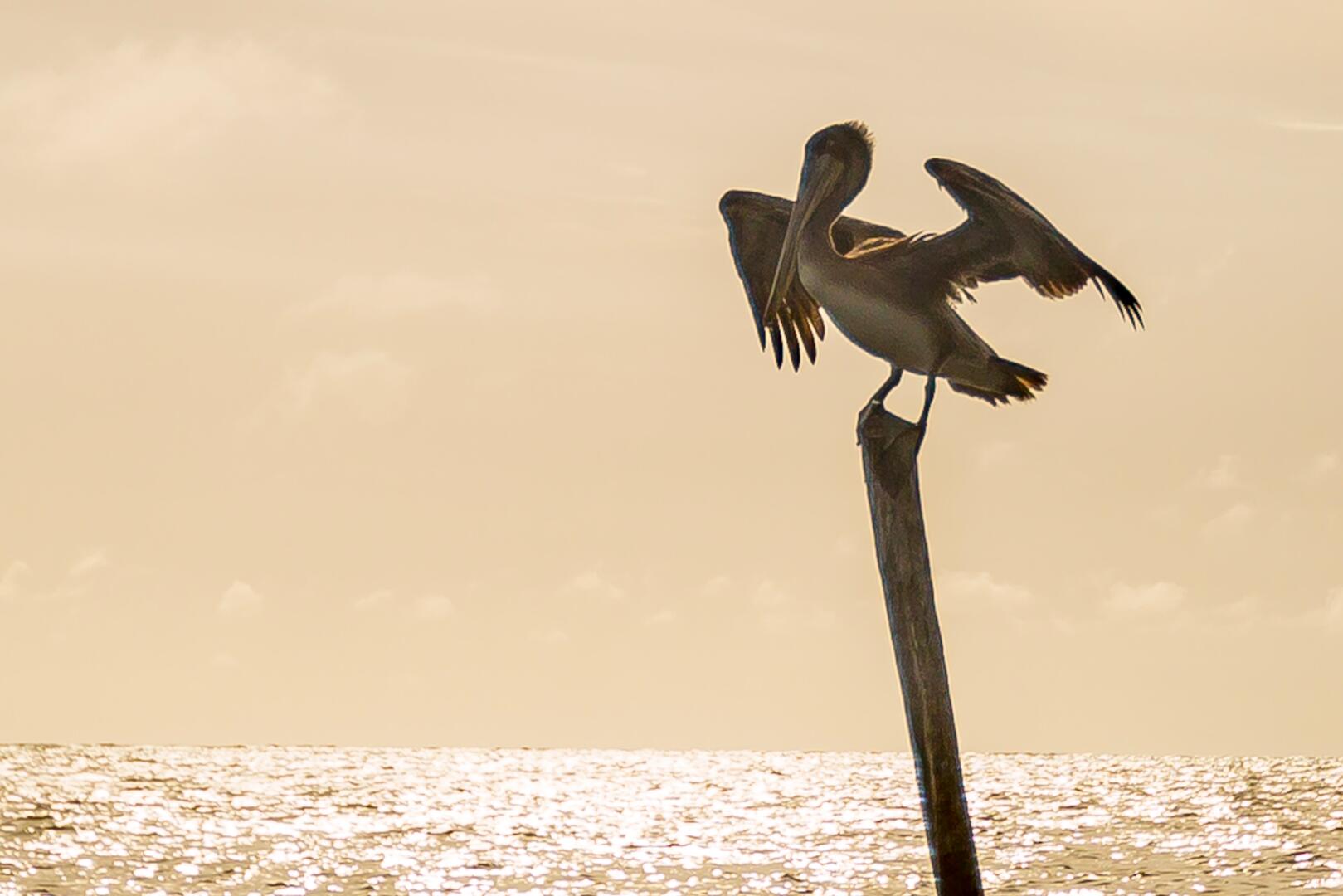
By one estimate, the maximum reported carbon sink capacity, compared to undisturbed Amazonian forest, was 10-times for salt marsh, 6x for mangrove and 2x for seagrass ecosystems (Nellemann et al., Blue Carbon. A Rapid Response Assessment. United Nations Environment Programme, GRID-Arendal, www.grida.no. 2009).
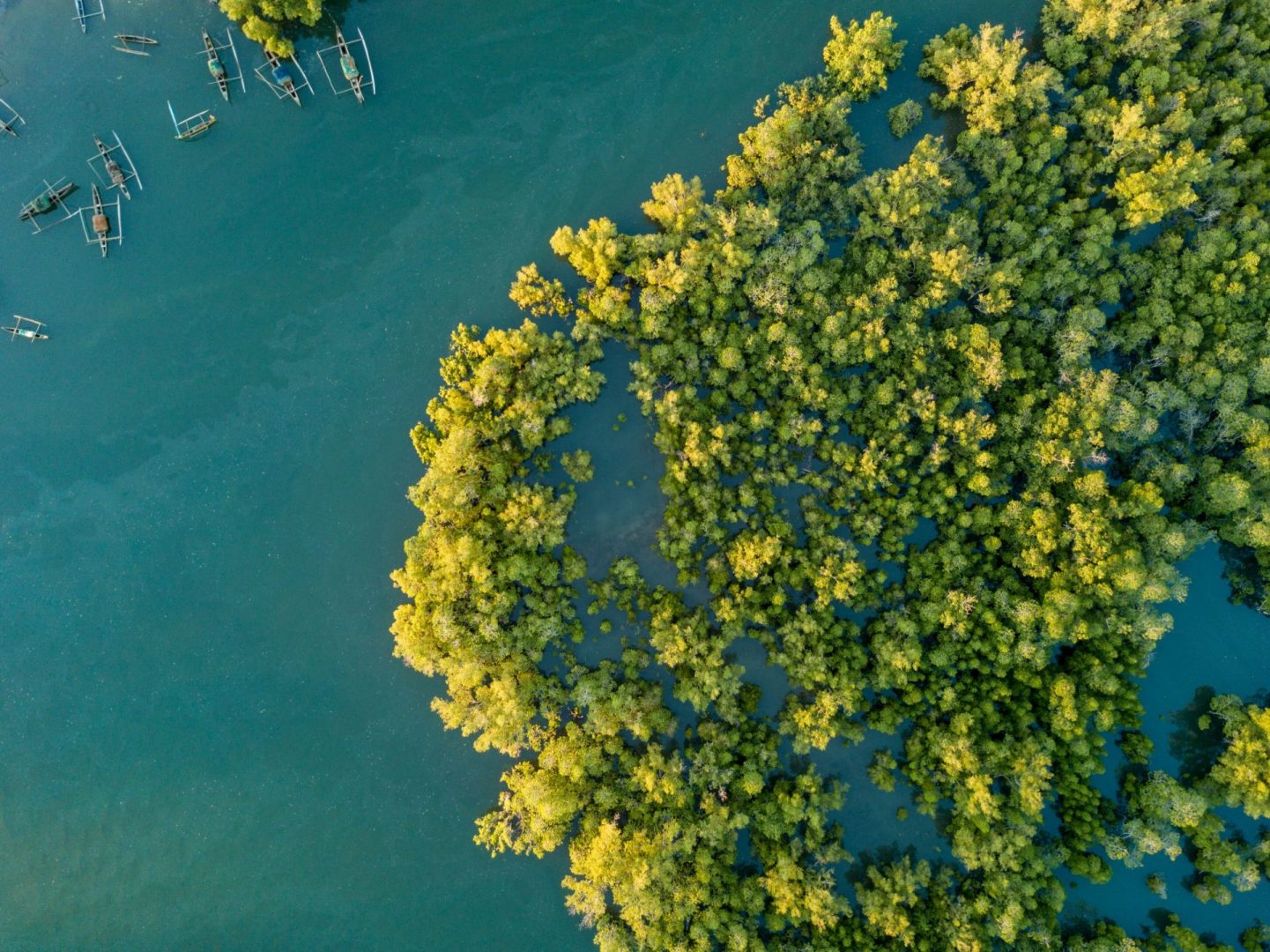
Mangroves, in particular, have the highest productivity of any forest ecosystem. But mangroves (and the other blue carbon habitats) are being rapidly destroyed – at a higher rate than tropical forests.
Salt marsh, mangroves and seagrasses will play a key role in mitigating climate change, not only because of the size of the blue carbon pool they lock-up, but also because they provide a host of other ecosystem services essential to the wellbeing of coastal communities and to their ability to adapt to climate change. For example, they protect coastal communities from cyclone and storm damage, which are projected to increase due to anthropogenic climatic changes.
Blue Carbon in Madagascar
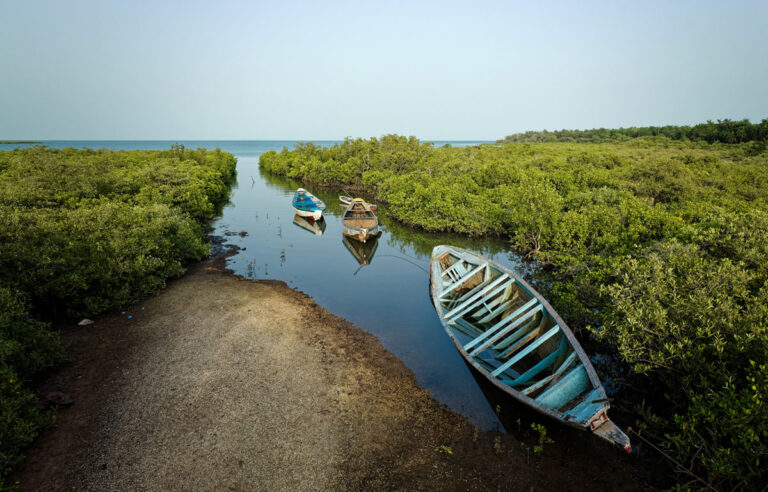
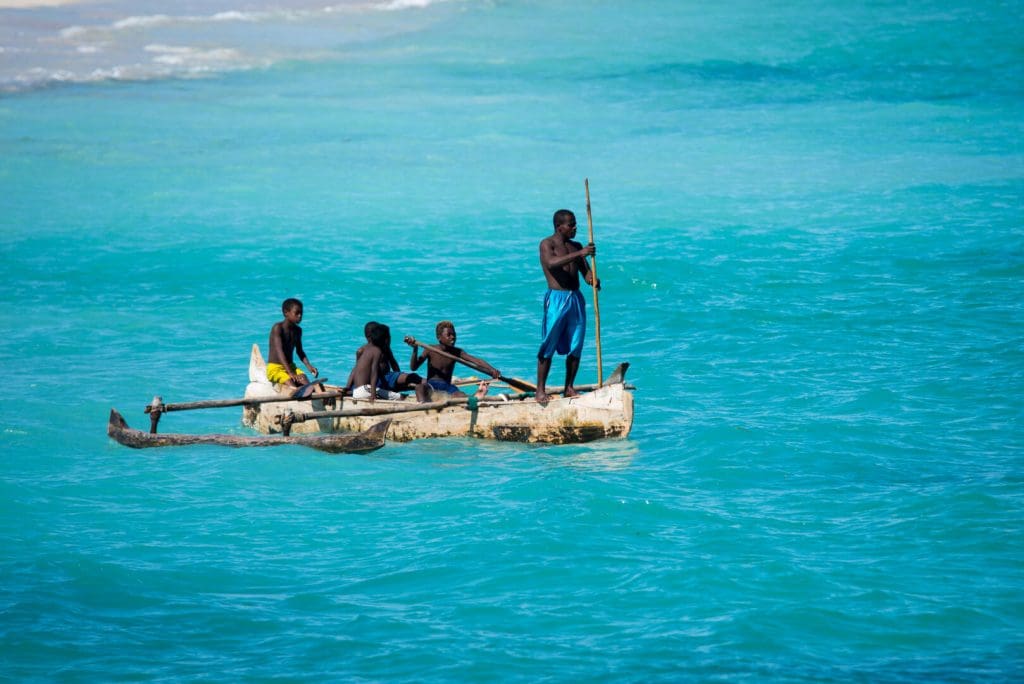
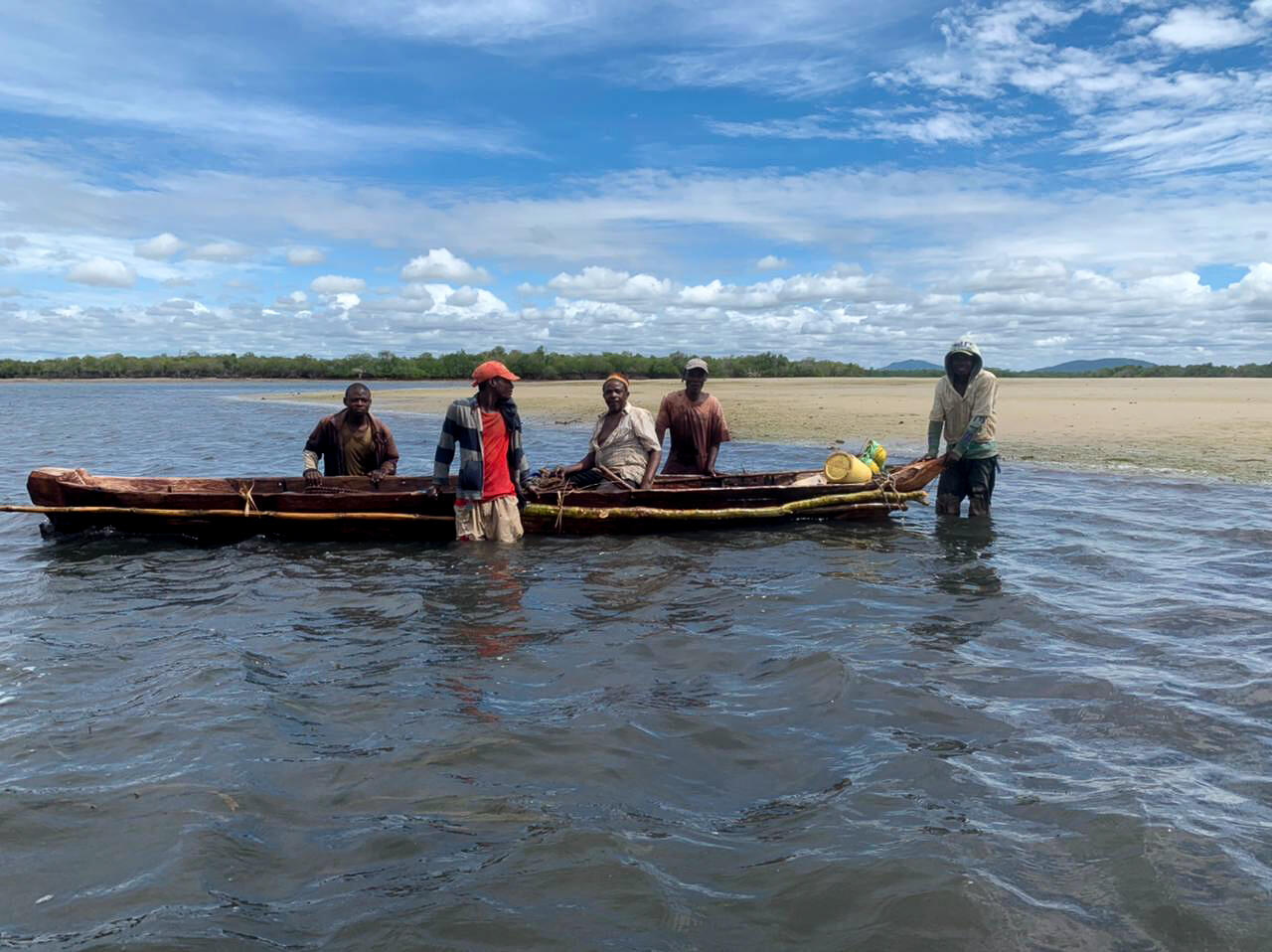
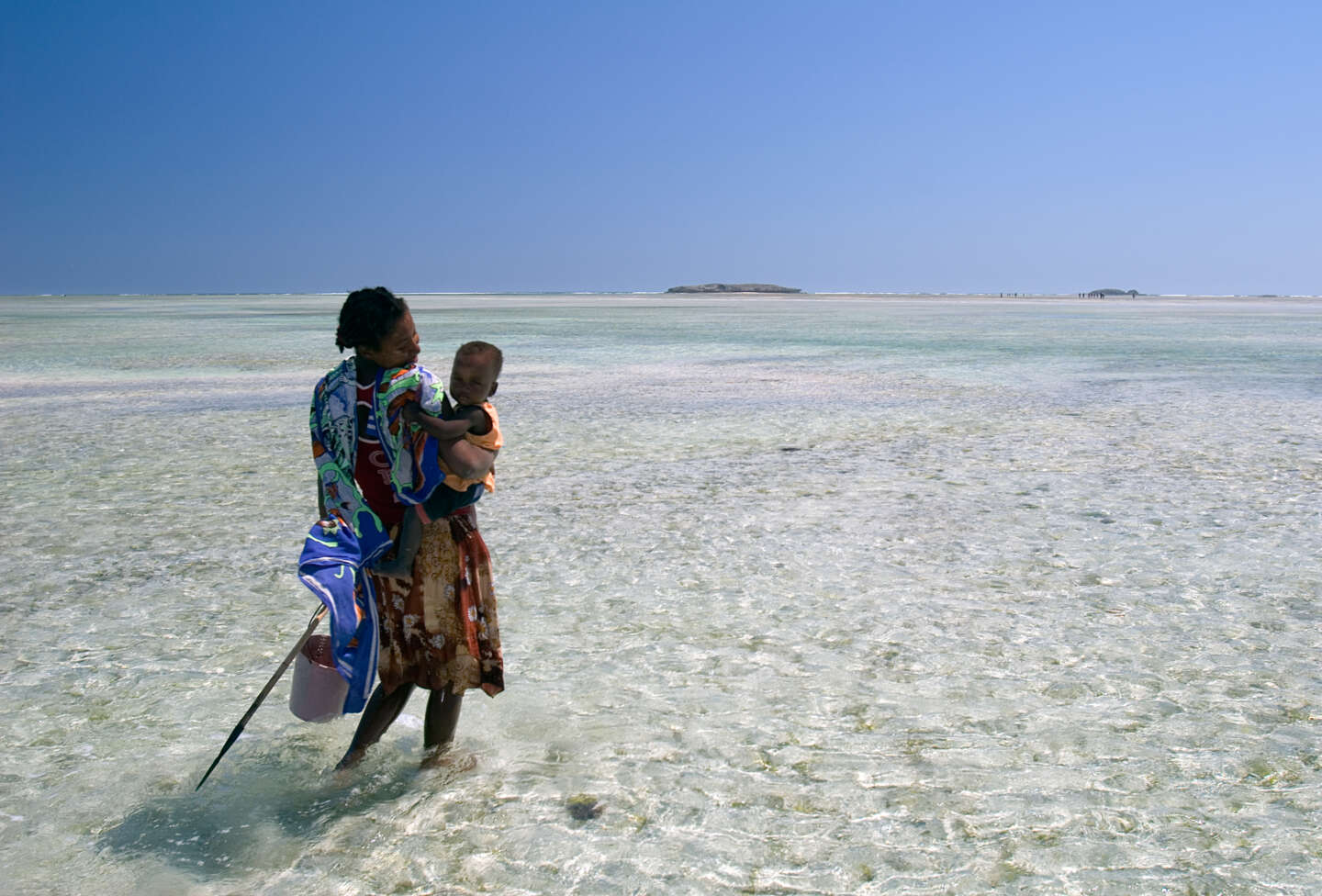
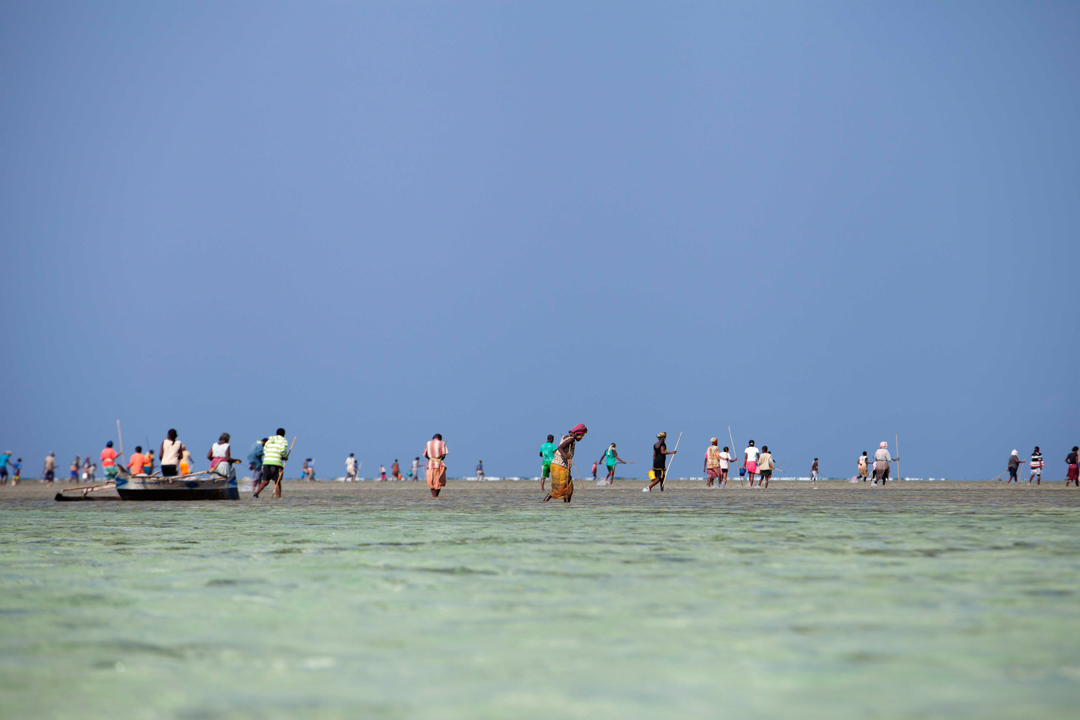
Madagascar’s 5,600 km coastline comprises the most extensive brackish water, shallow marine and continental shelf habitats of any Indian Ocean country apart from India. The seagrass beds, mangrove forests, and coastal wetlands all play crucial roles in supporting endangered biodiversity, coastal livelihoods and the fishing economy.
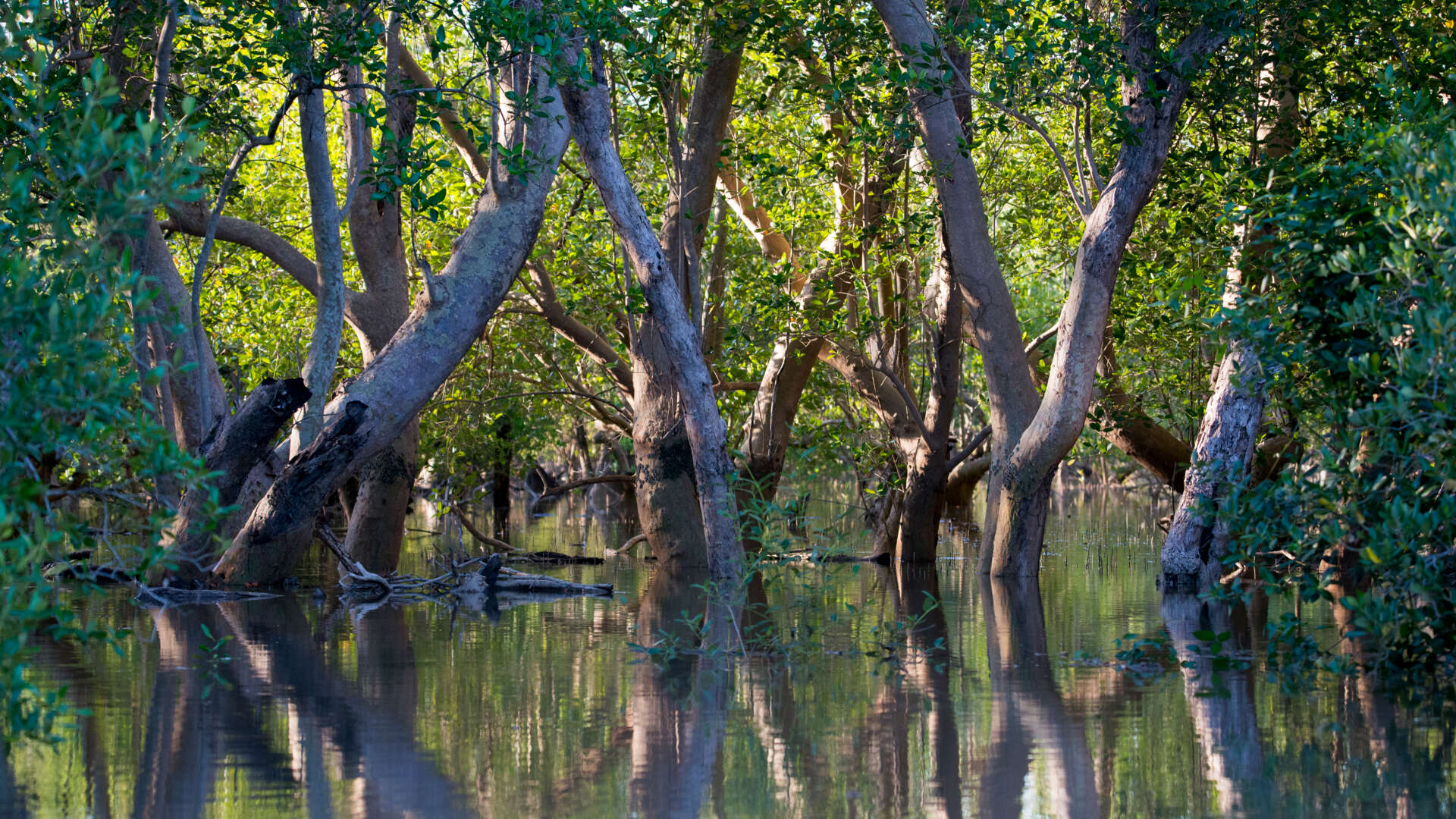
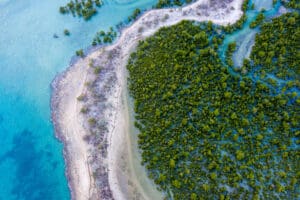
With as much as 4,000 km2 of mangroves alone (Africa's third largest mangrove forests), Madagascar is potentially blessed with significant blue carbon assets.
The generation of carbon credits through the conservation and restoration of such habitats could make an important contribution to poverty alleviation and biodiversity conservation in Madagascar’s coastal areas. Accurate quantification of carbon sequestration by mangroves is fundamental to establishing carbon offsetting projects based on the conservation and restoration of these habitats and ultimately in putting a financial value to them.
However, the exact nature of carbon fluxes between mangroves and their surrounding environment is complex and still a subject of research. Further work is needed on quantifying relevant wetland carbon balances to ensure proper valuation of carbon credits.
Our work
The effort of our blue carbon programme is primarily focussed on REDD+ for mangroves. REDD+ is the reduction of emissions from deforestation and degradation, plus other measures to restore, enhance and conserve forest stocks. It basically encompasses a wide range of measures that aim to stop the loss of tropical forest.
We want to put in the foundations so that coastal communities can meaningfully participate in REDD+ and gain an equitable share of the benefits. Presently our focus is on both carrying out applied research, but also on developing community participation and capacity, so that we can build robust REDD+ projects.
Applied research
The research has two main areas:
- Quantification of the greenhouse gas (GHG) emission reductions that can be achieved by mangrove REDD+
- Remote sensing analysis of the historical changes in mangrove forest cover
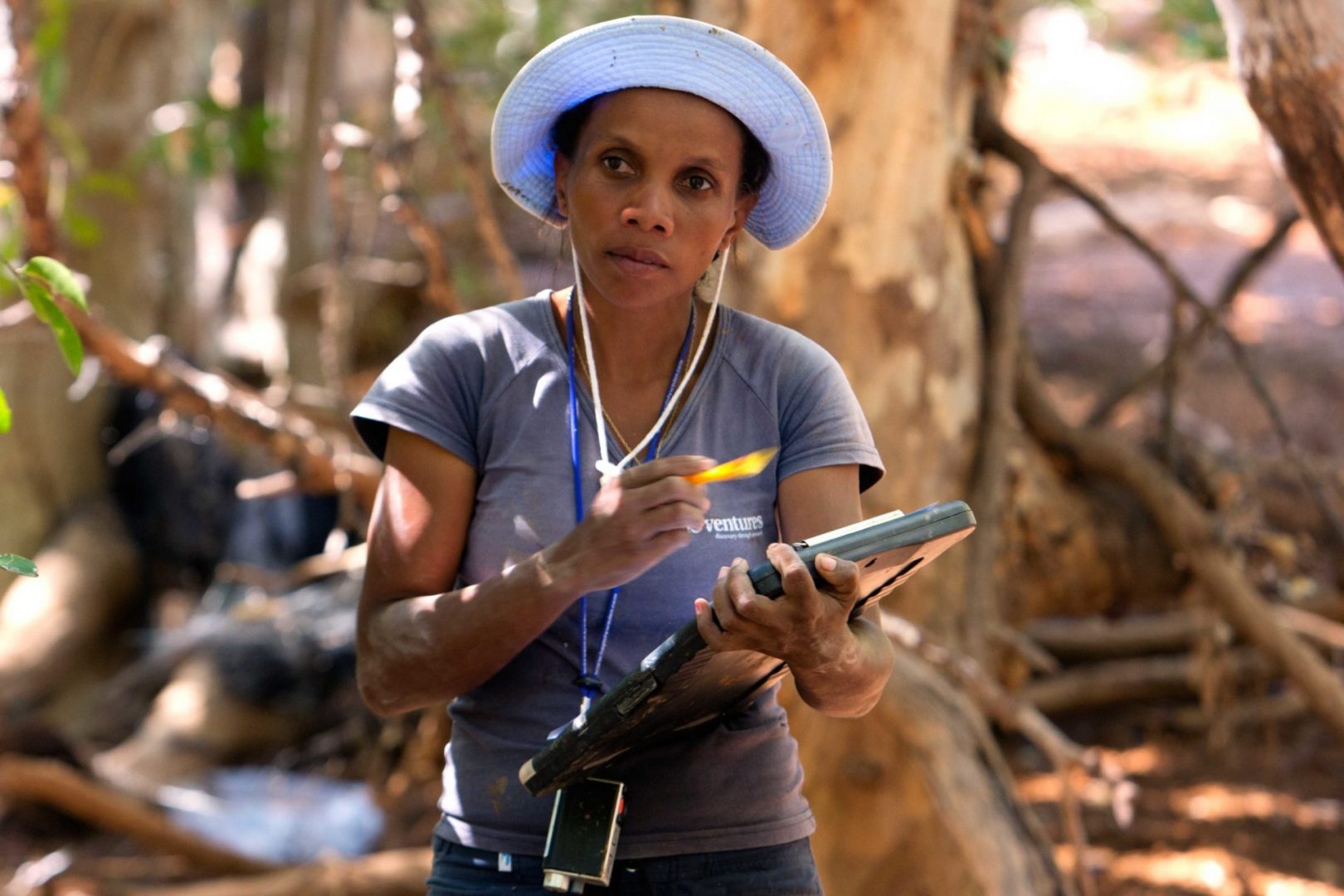
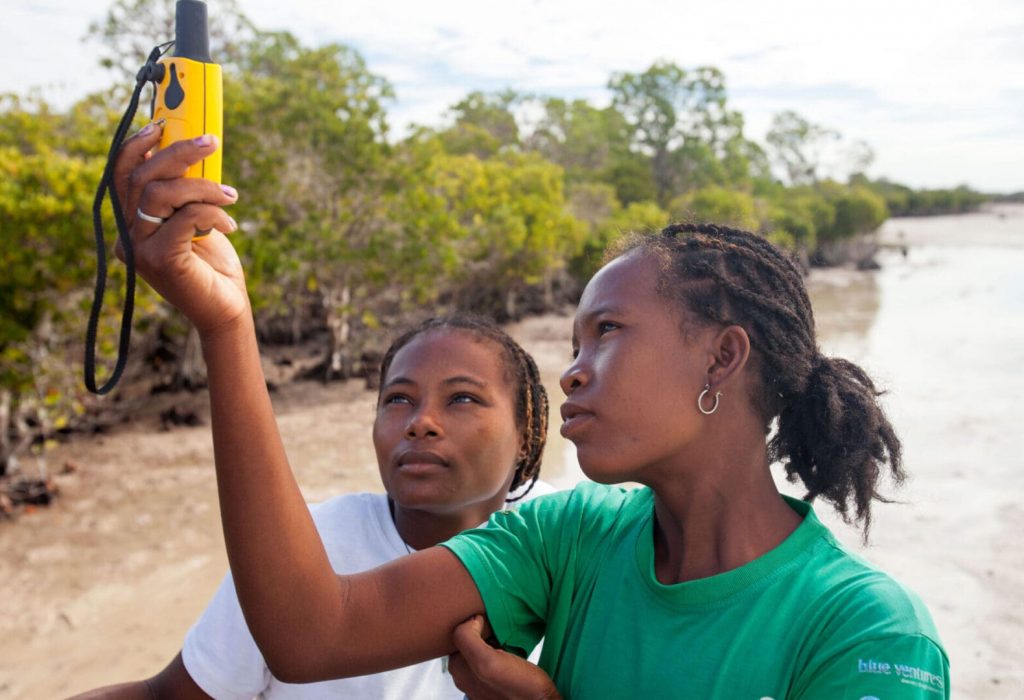
- Carbon stock measurements within mangroves
- Analysis of the drivers and underlying causes of mangrove loss
- Modelling of future mangrove cover changes
- Social impacts of mangrove REDD+
- What will be the negative impacts of REDD+ on mangrove-dependent communities?
- How can we design projects that avoid these negative impacts and ensure that REDD+ brings equitable benefits & meaningful development to the communities;
- How we can establish legal user and carbon rights for mangrove-dependent communities.
Our research will show whether mangrove REDD+ is feasible and allow us to develop projects that will bring benefits to the communities. It is also helping to build capacity for REDD+ in Madagascar.
Building community participation and capacity for REDD+
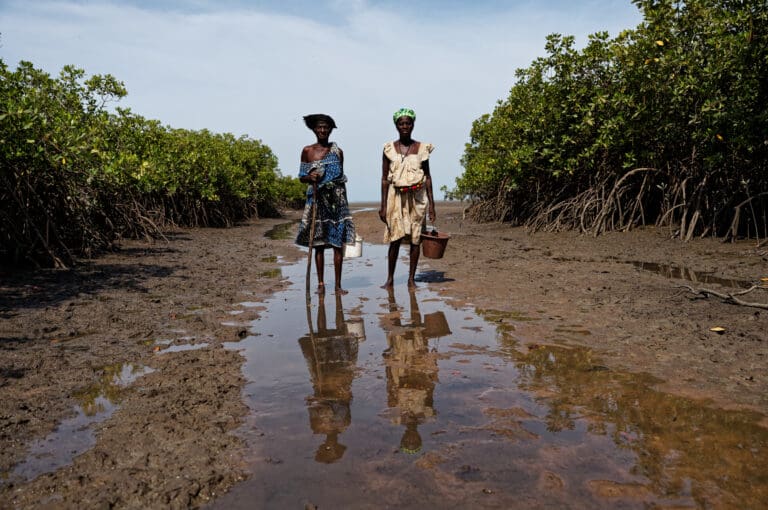
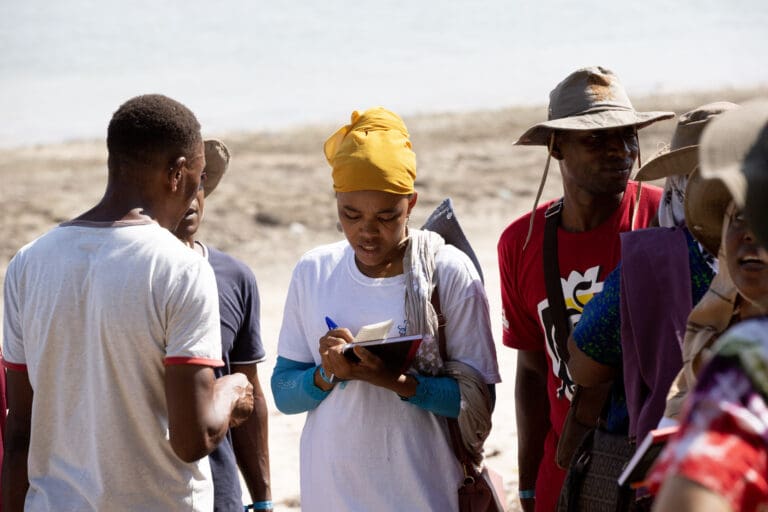
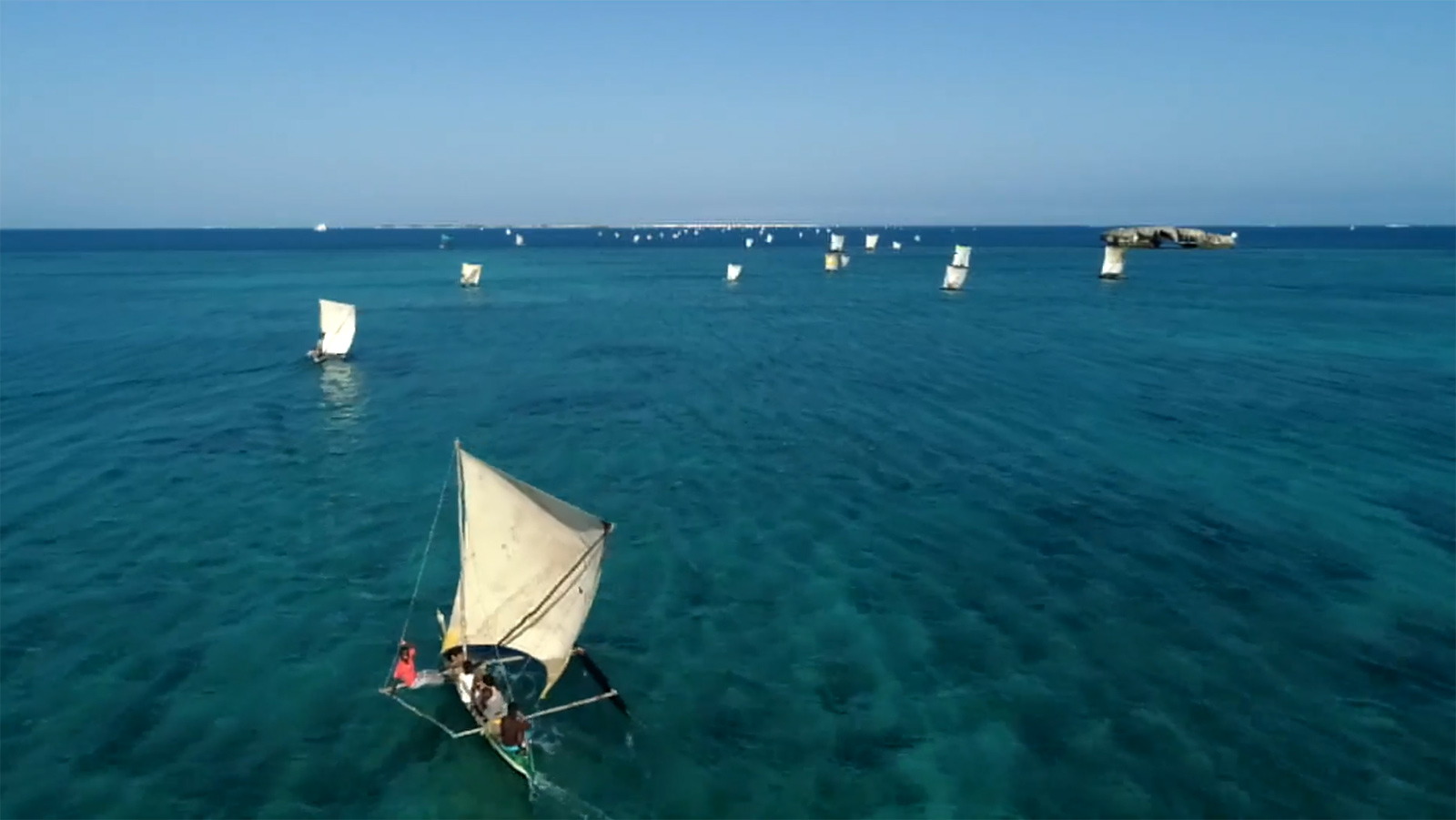
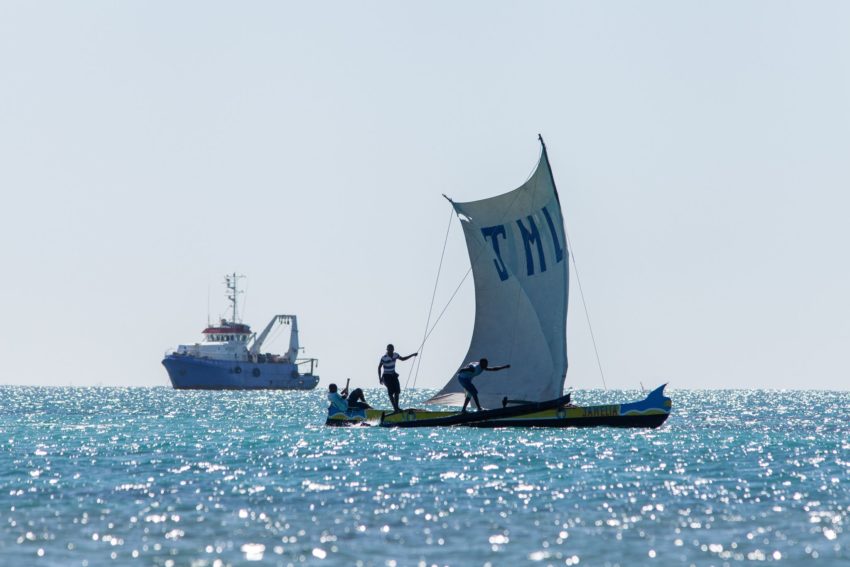
In countries such as Madagascar, it is essential that there is strong community participation in REDD+ if it is to succeed. More than fulfilling the conditions of Free, Prior and Informed Consent, we believe that REDD+ projects should be driven and eventually wholly managed by local stakeholders, bringing them real incentives to participate. To bridge the gap between principal and practice, we are making significant investment in building local management capacity and bringing communities tangible benefits.
Bundling mangrove ecosystem services
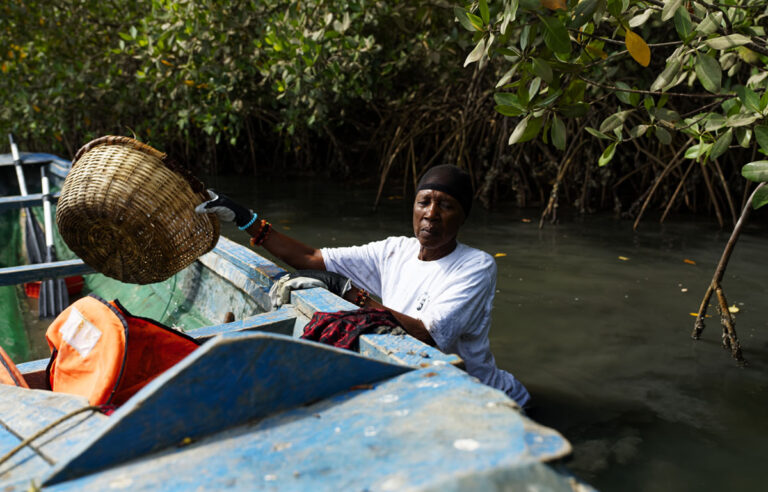
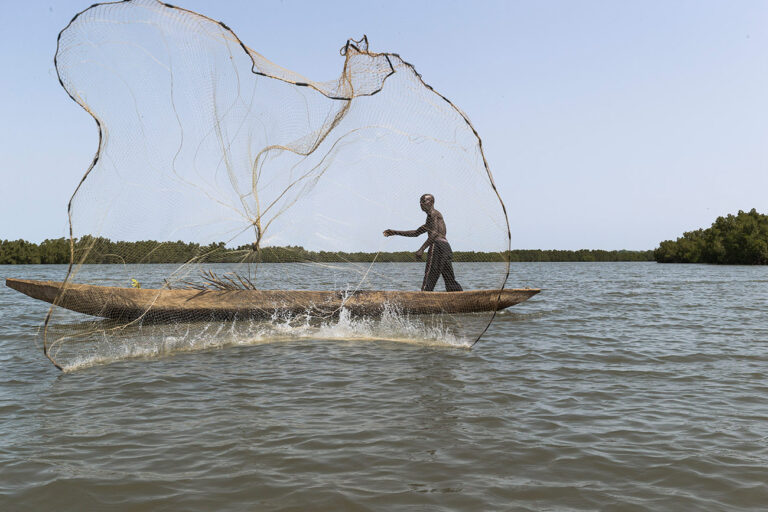
As a REDD+ project can take several years to develop and takes place within continued policy and market uncertainty, we are building other ways for communities to benefit from the sustainable use of mangroves in the near future. In addition to REDD+ activities (conservation of intact mangroves, restoration of deforested areas, improved forestry management), we are also developing ways in which communities can enhance or earn new incomes from mangroves. These include exploiting sustainable harvesting for timber and charcoal production; increasing the productivity of mangrove fisheries; and shoreline protection in low-lying urban areas.
The idea is for the communities to gain tangible benefits in the near- and medium-term through their management actions. This will allow us to build the community management capacity and support for long-term REDD+ actions.
Seagrasses
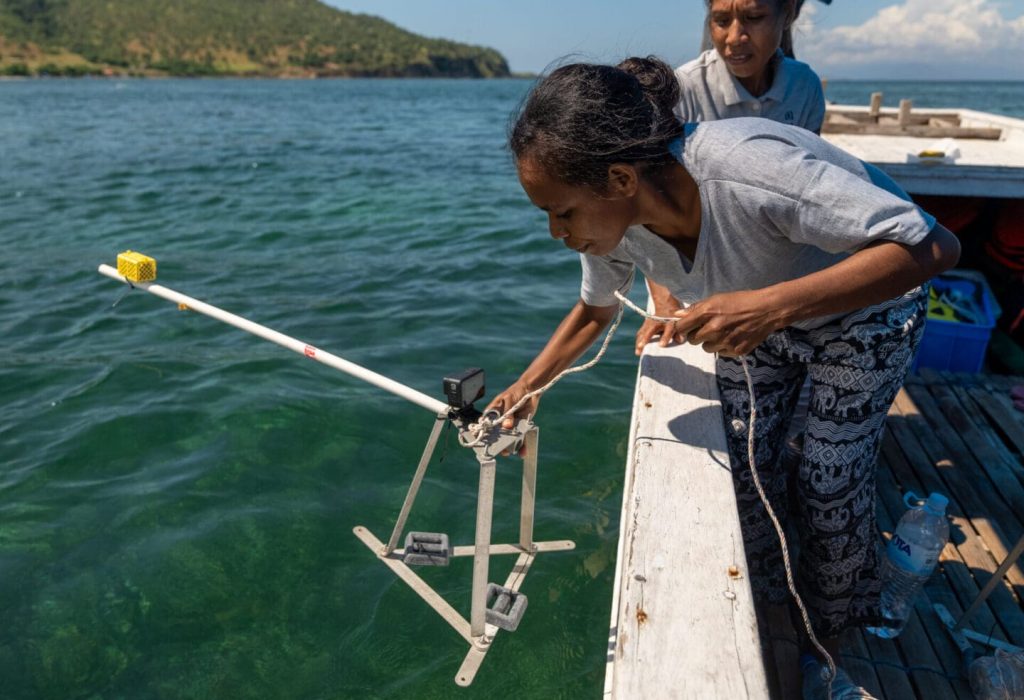
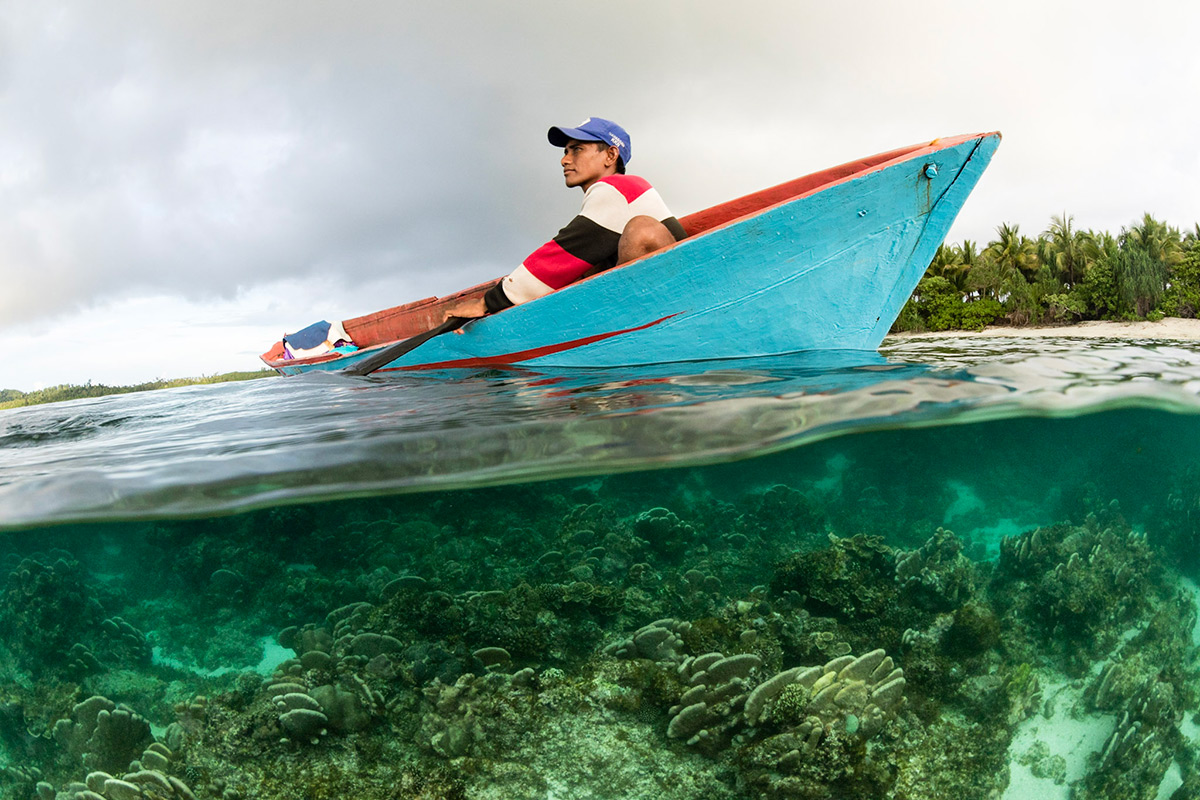
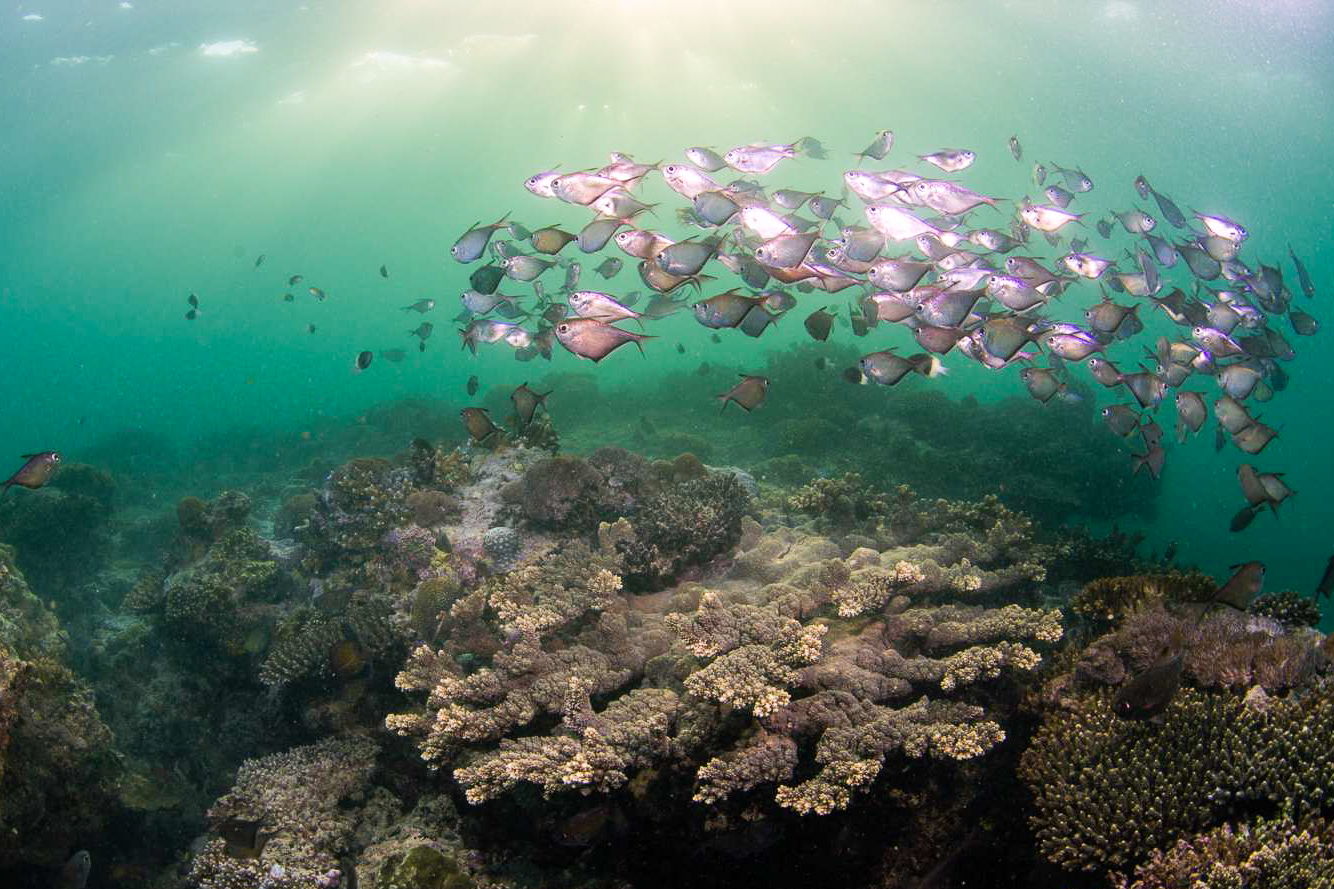
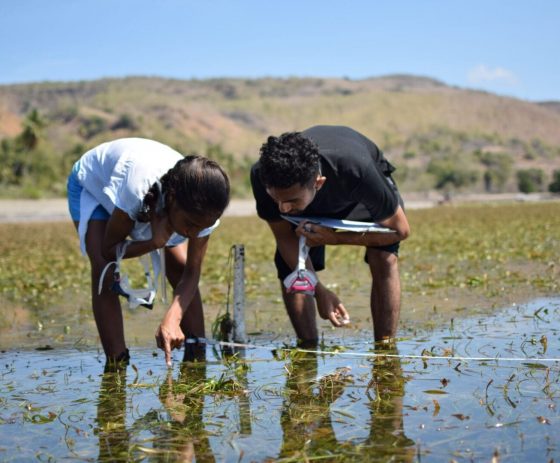
While immediate carbon finance opportunities exist for mangrove habitats, the carbon fluxes of tropical seagrasses are less established than those of mangroves. Furthermore seagrasses are fragile habitats where often the drivers of loss are indirect and remote. On the other hand seagrasses support important artisanal fisheries and biodiversity. Our programme is working to extend mangrove management out to neighbouring seagrass beds, combining the management of both of these blue carbon habitats and allowing the ecological synergies that exist between them to be maintained. To this end we are building effective community management of seagrasses, as well as measuring the carbon sequestration and fisheries ecosystem services that they provide.
Our partners
We've partnered with experts at the Kenya Fisheries and Marine Research Institute, the University of Florida, the forestry department at the University of Antananarivo (ESSA), Aqualma SA (UNIMA) and the community management associations at each of our sites. We are part of the UNEP Blue Forests project funded by the Global Environmental Facility.
Our research is generously funded by the MacArthur Foundation and the Western Indian Ocean Marine Science Association (MASMA).
Links
- View press release on keeping Madagascar's mangroves thriving