This June, world leaders, conservation organisations, scientists and coastal communities will gather on the Kenyan coast for the 11th Our Ocean Conference.
The conference comes at a critical moment for the ocean. Across the world, coastal communities are facing growing pressures from climate change, biodiversity loss, pollution and industrial exploitation of marine resources. The conference presents an opportunity: a chance for governments to make concrete commitments that strengthen ocean protection while supporting the people who depend most on the sea every day.
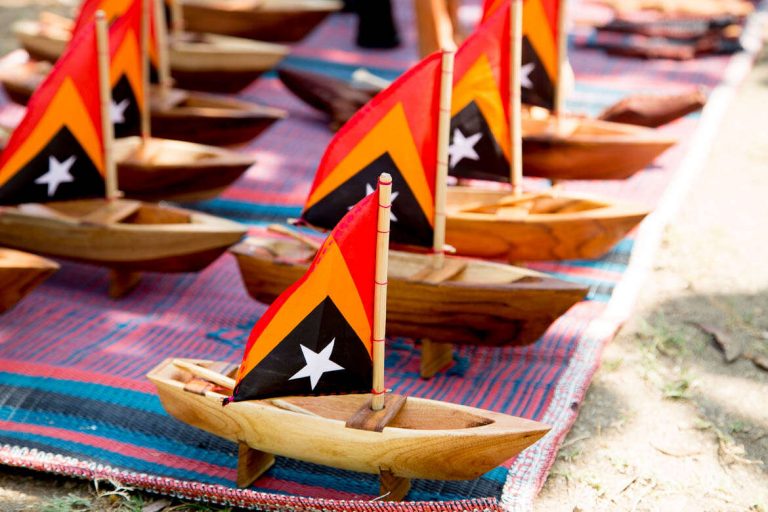
This year’s theme, Our Ocean, Our Heritage, Our Future, recognises the deep connection between people and the ocean and the need for action that delivers lasting benefits for both. As the first ever hosted in Africa, it carries particular significance for African coastal communities and small-scale fishers, whose leadership is central to shaping a more sustainable future.
For Blue Ventures, success will not be measured by the number of speeches delivered or meetings held. It will be measured by whether the conference delivers meaningful commitments that recognise the leadership of small-scale fisher communities.
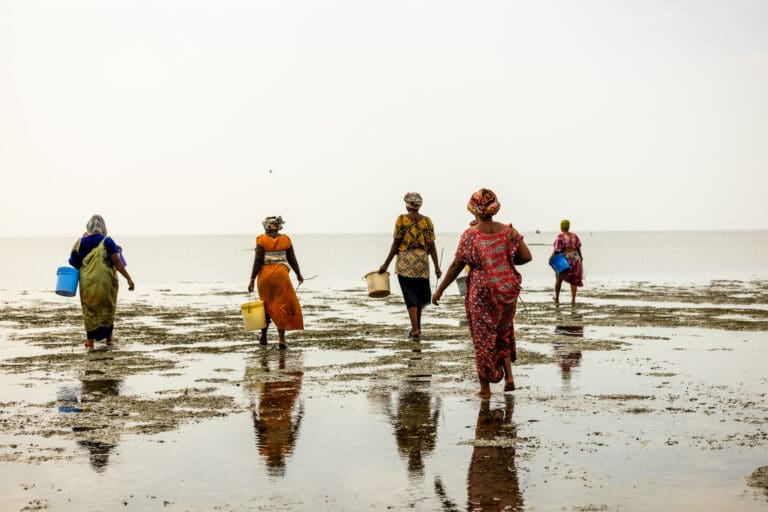
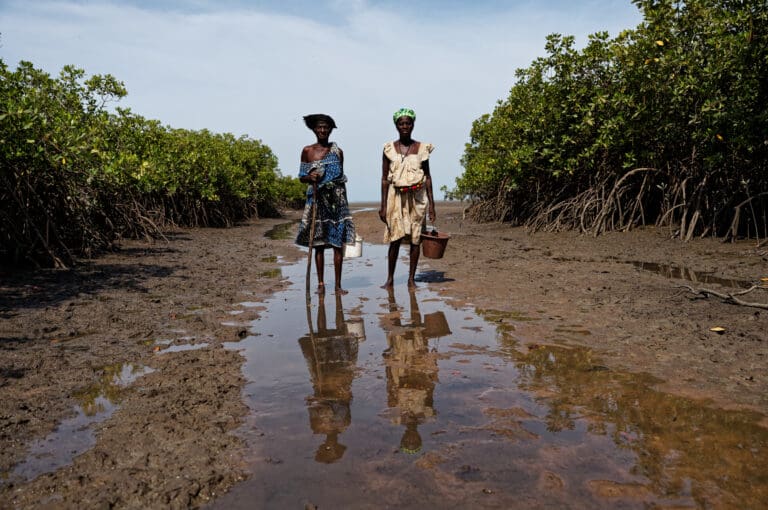
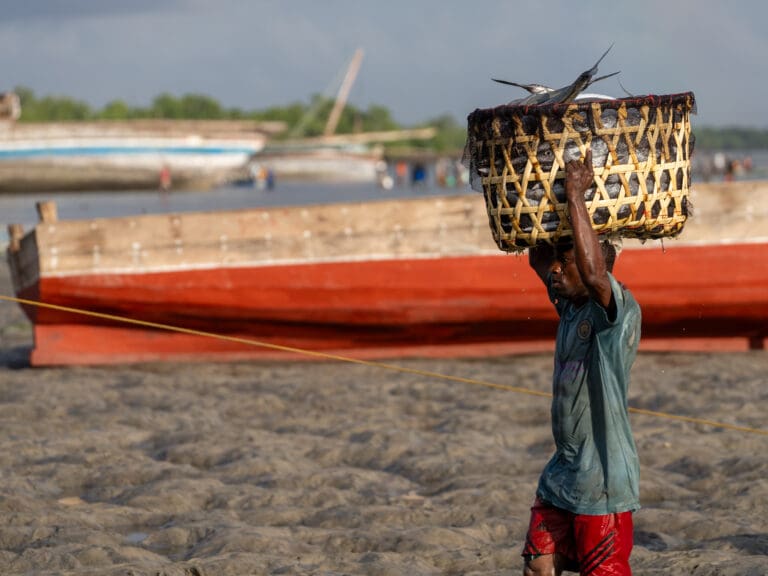
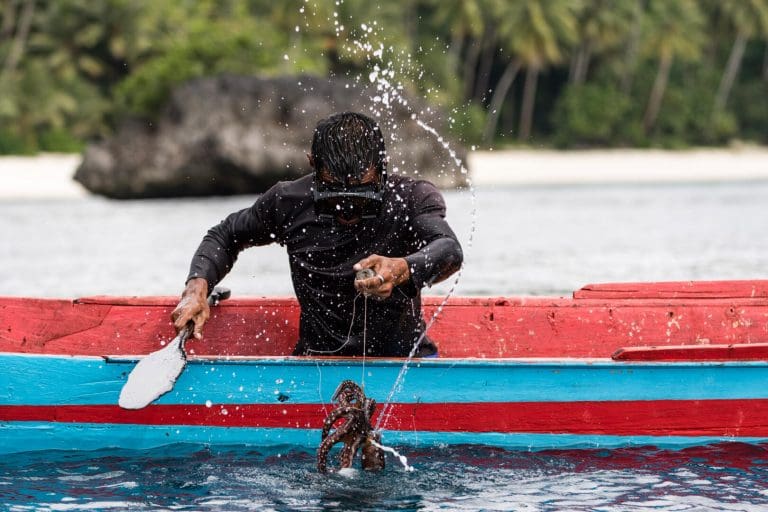
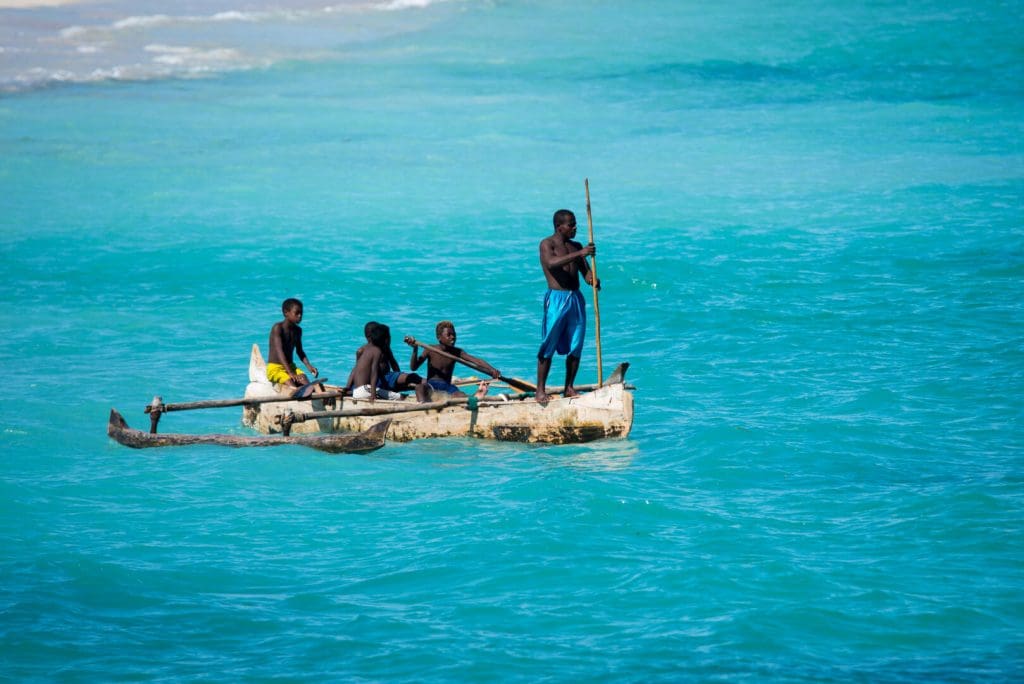
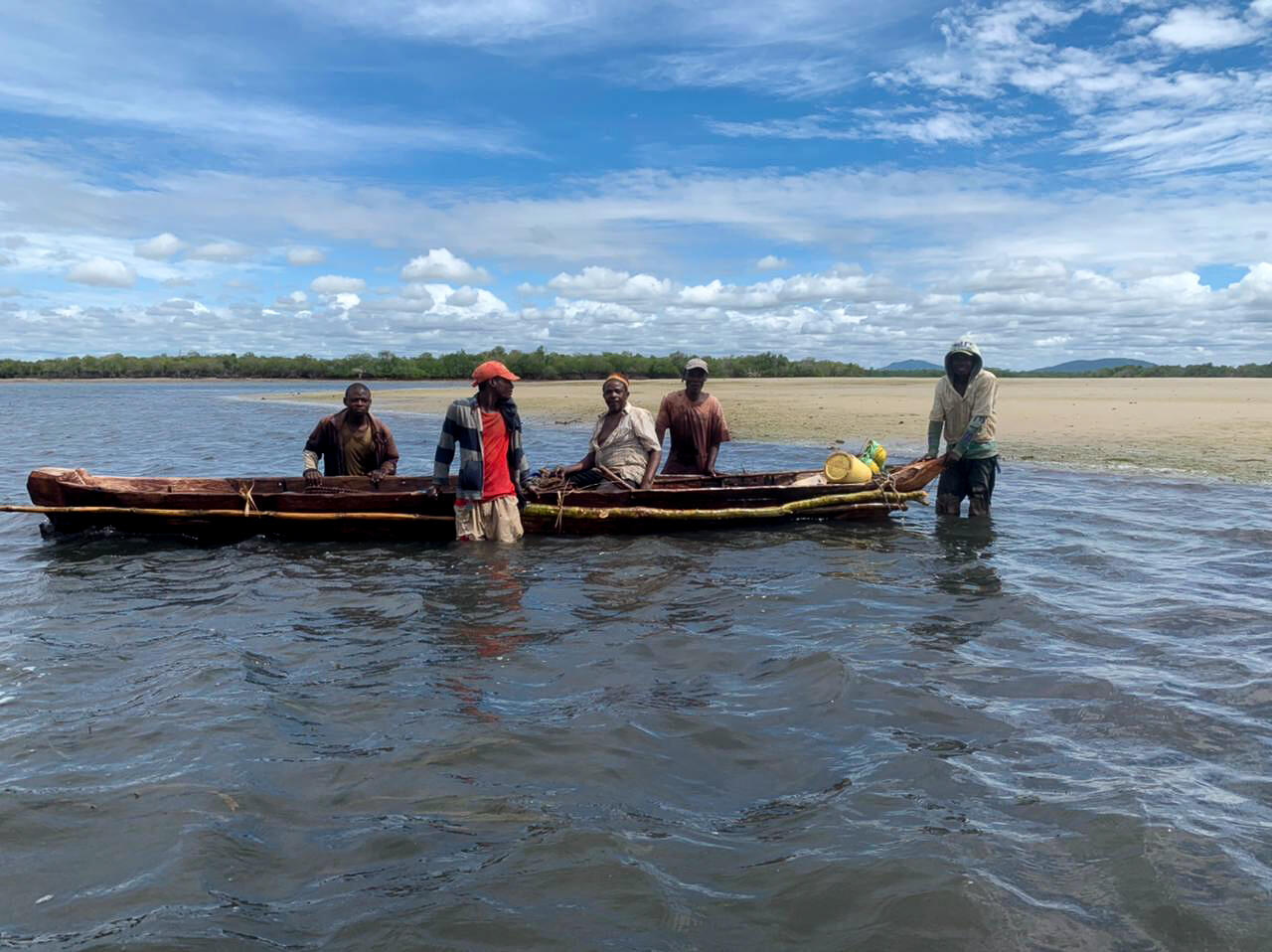
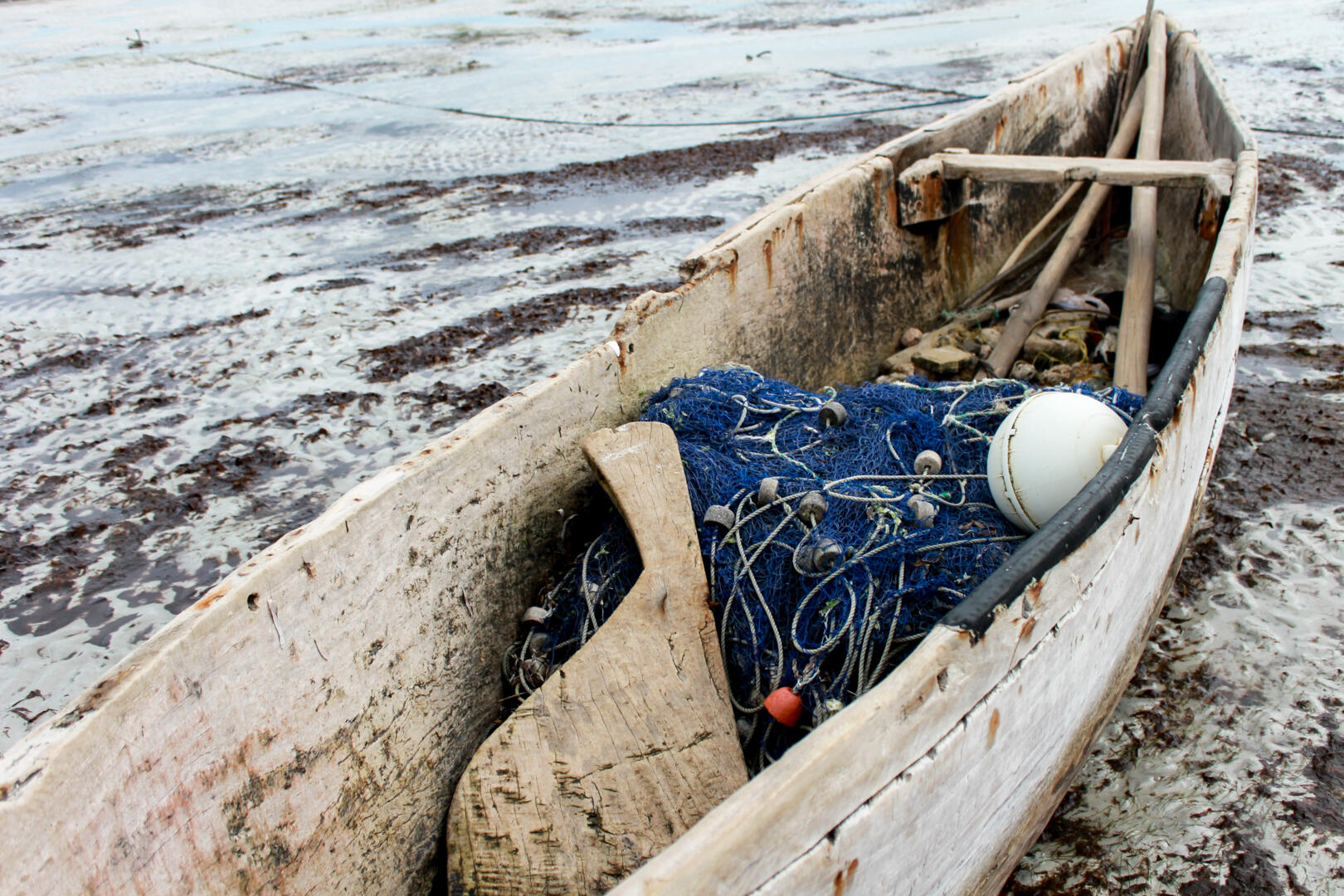
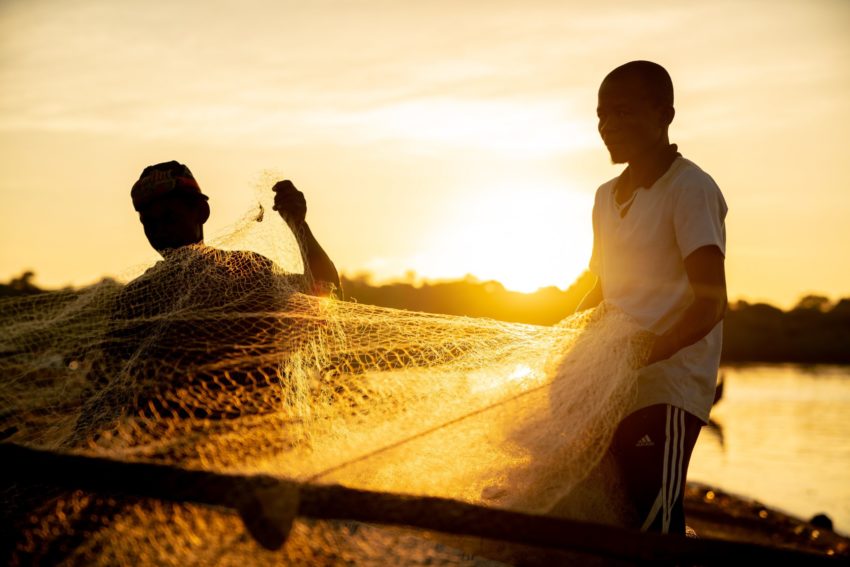
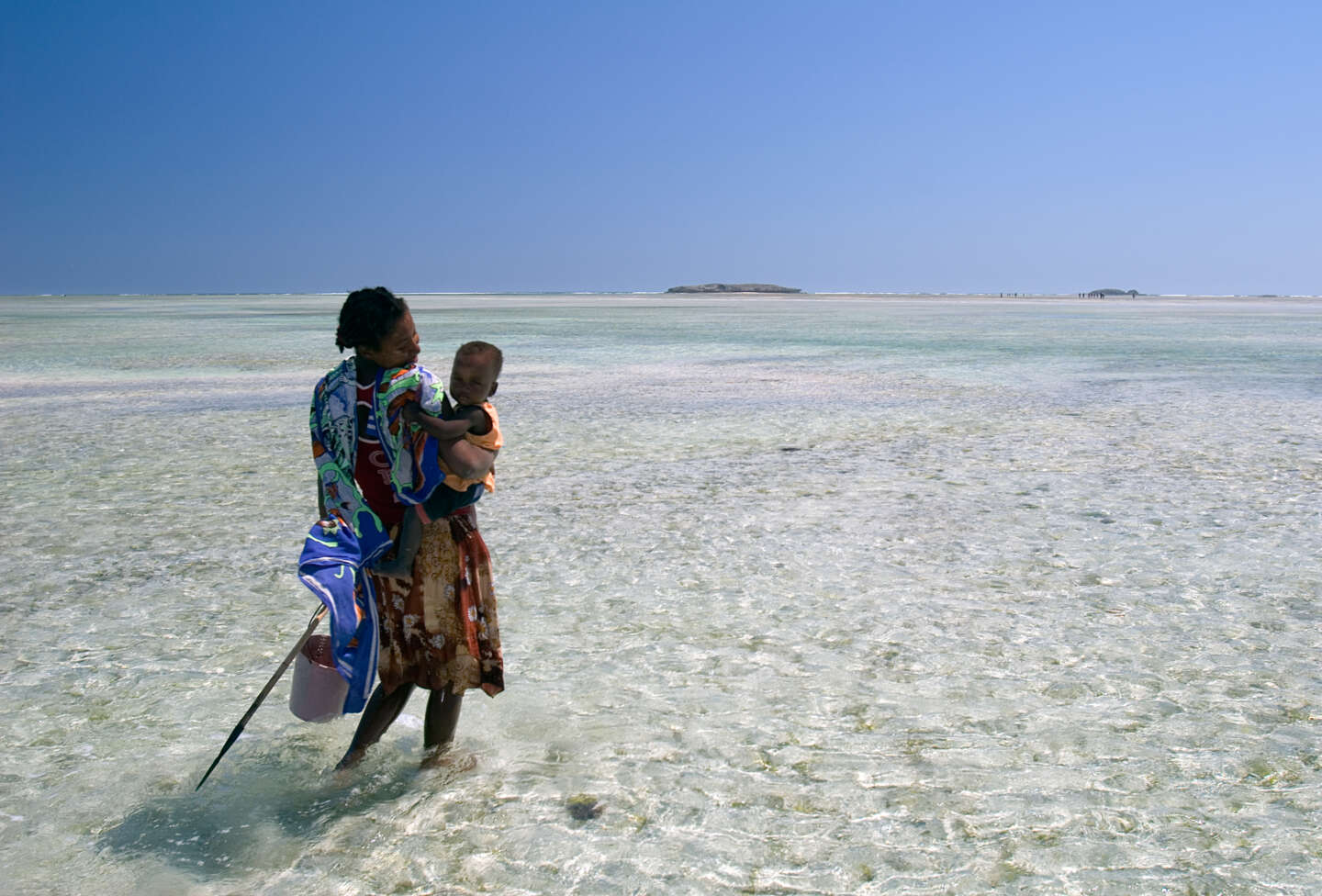
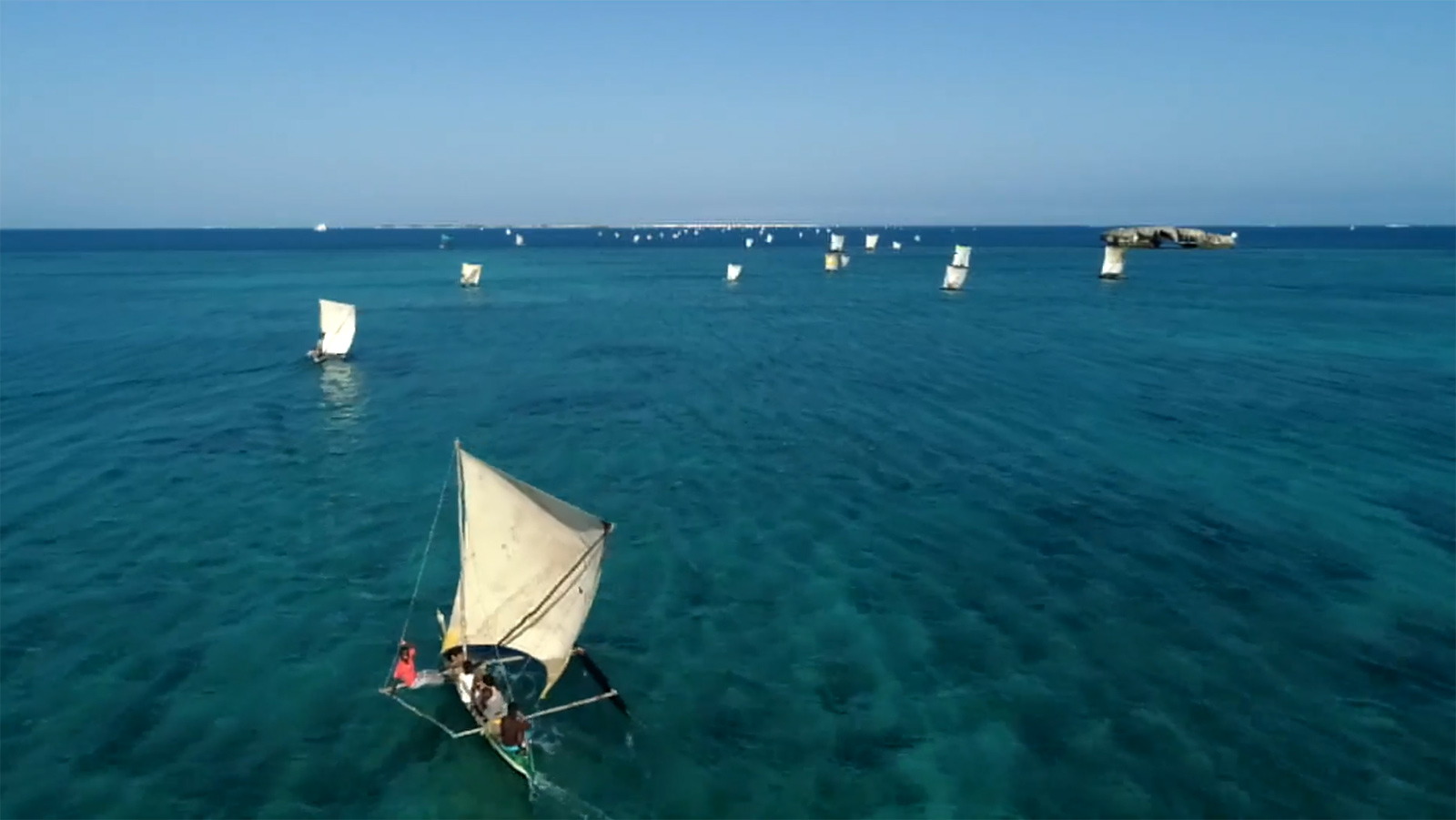
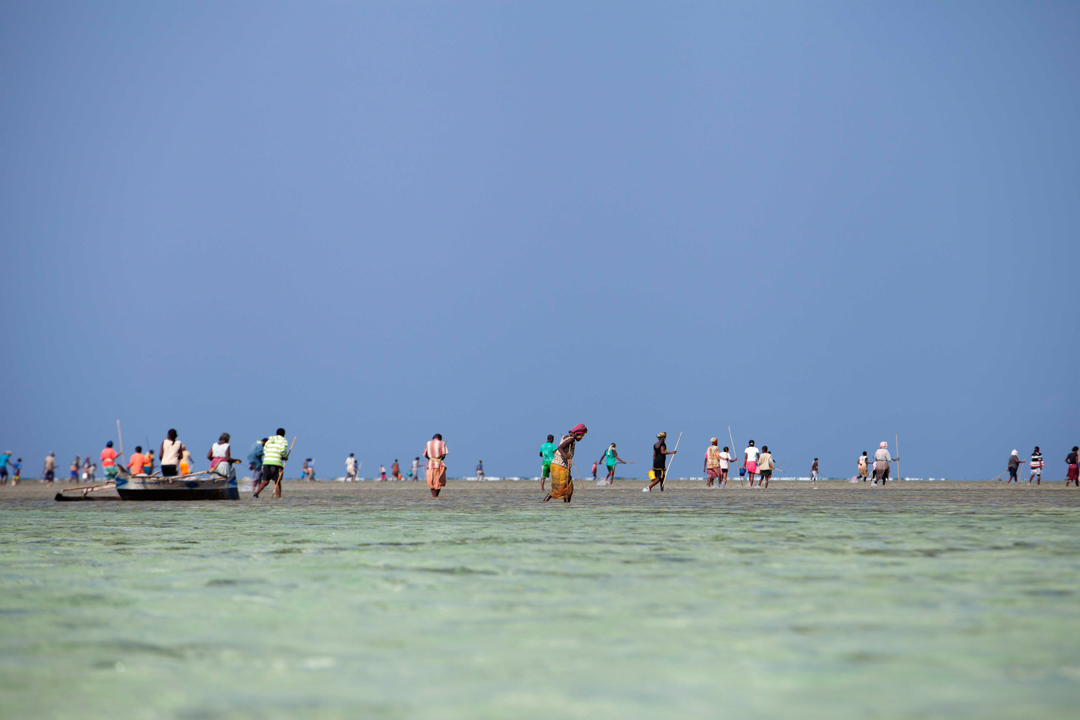
Small-scale fisheries underpin life in coastal communities across Africa, supporting food security, local economies and cultural traditions. Globally, around 500 million people rely on the sector for their livelihoods, and recent research shows that Africa’s small-scale fisheries contribute a higher proportion of regional fish catches and nutrition than those in any other part of the world.
As Ebrima, Chief Executive Officer of Blue Ventures, notes, “Africa’s coastal communities hold some of the most important lessons for the future of ocean conservation. Across the continent, fishers and coastal leaders are already proving that healthy oceans and thriving livelihoods go hand in hand. As governments gather in Kenya, there is an opportunity to shift how ocean policy is made, by recognising and building on the leadership that already exists within coastal communities.”
Yet despite their importance, small-scale fishers are too often excluded from decisions about how marine resources are managed.
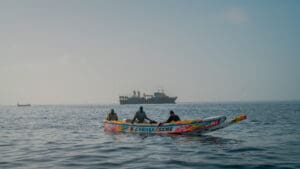
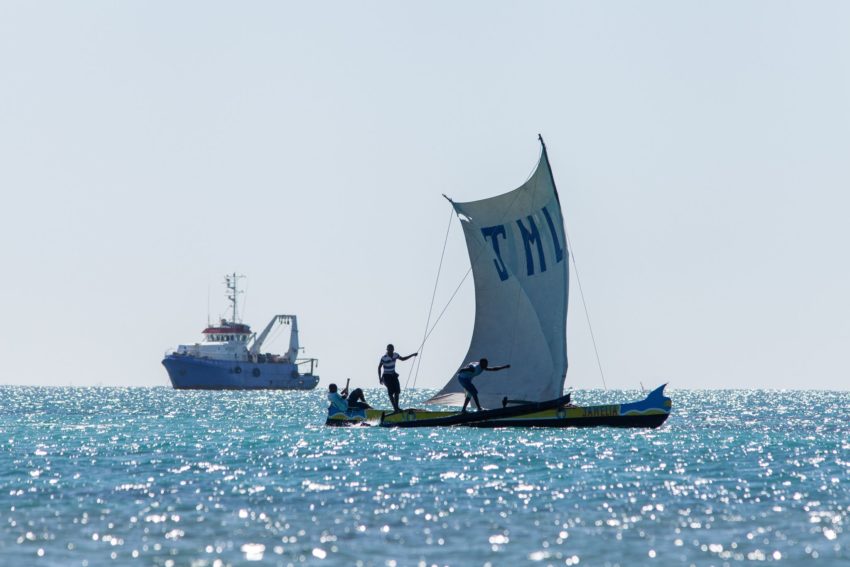
That is why one of Blue Ventures’ priorities at this year’s Conference is to advocate for stronger protections for coastal areas through inshore exclusion zones. These zones restrict industrial fishing activity in coastal waters where small-scale fishers operate, helping safeguard livelihoods, support food security, and promote the recovery of marine ecosystems.
Alongside these protections, governments need to establish meaningful co-management arrangements that give coastal communities a recognised role in governing and managing the fisheries they depend on. Around the world, experience has shown that when communities have the rights, resources and support to manage local marine resources, conservation outcomes improve and fisheries become more resilient.
There is already momentum for this approach. Progress in countries such as Ghana has demonstrated growing recognition of the need to protect inshore fisheries and strengthen the rights of small-scale fisher communities. There is scope to build on this momentum and secure ambitious commitments that can drive lasting policy change.
Just as importantly, small-scale fishers themselves must be at the centre of these conversations.
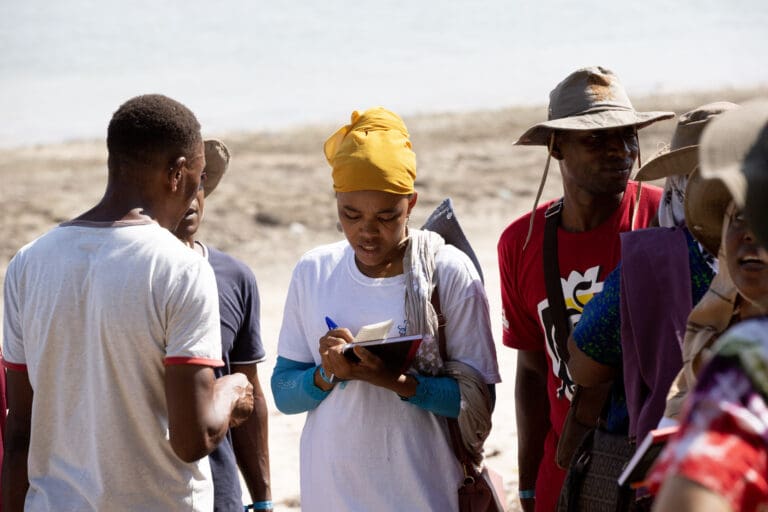
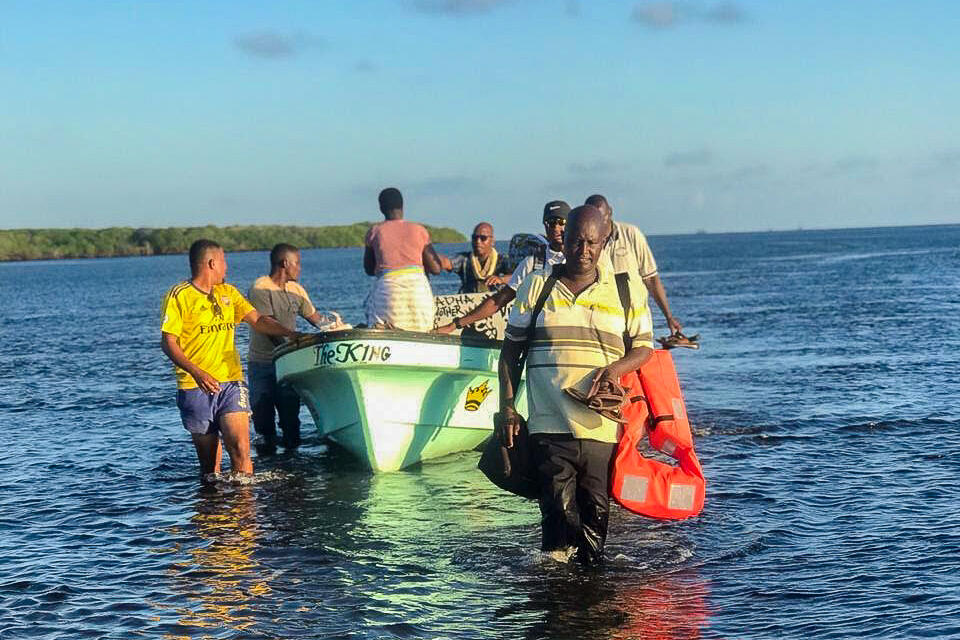
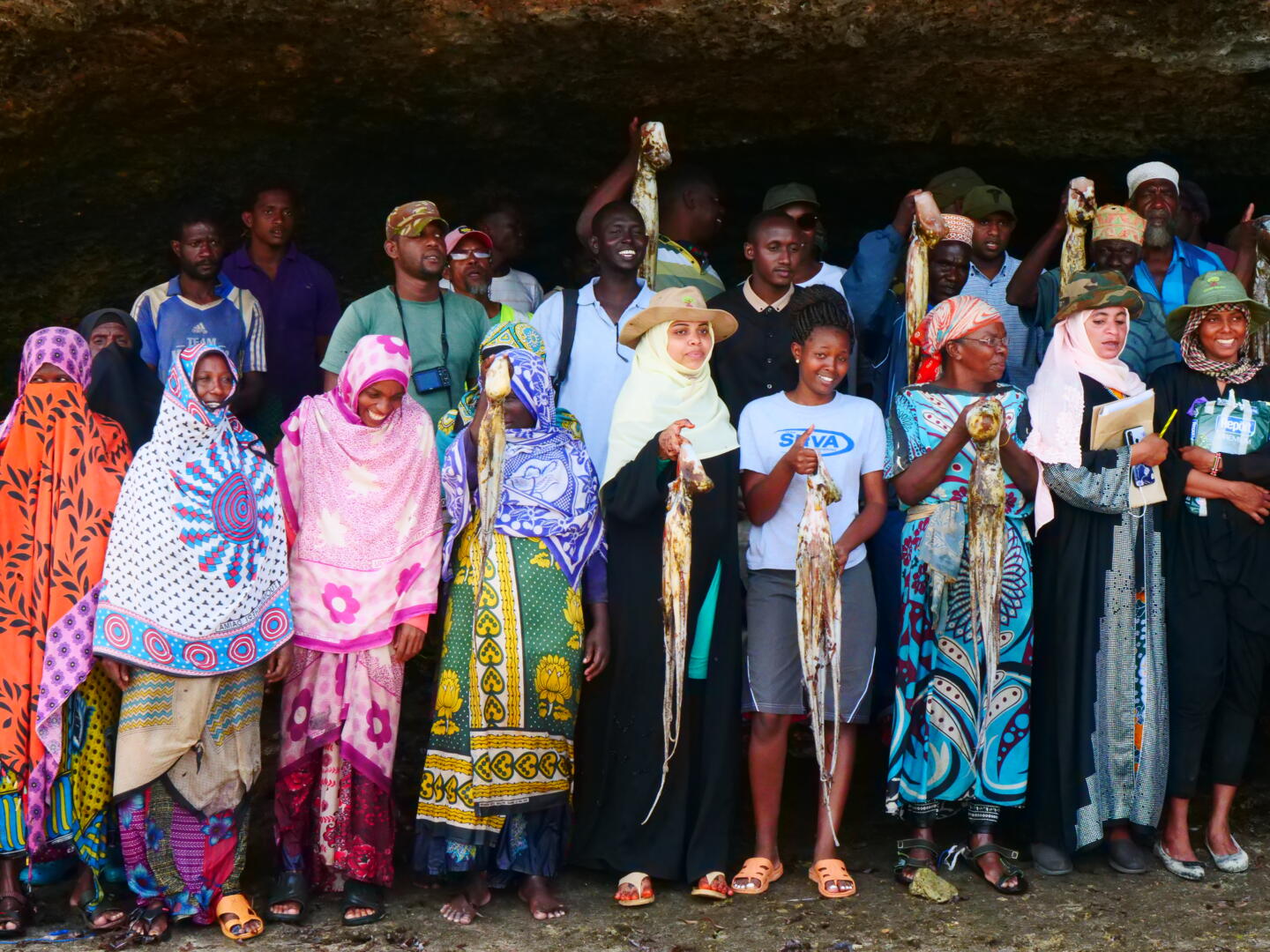
Throughout the conference, Blue Ventures will support fisher leaders from more than ten countries across Africa in sharing their experiences, priorities, and solutions directly with decision-makers. These leaders include women and men working across fisheries value chains, whose perspectives are shaped by generations of stewardship of coastal ecosystems.
The future of sustainable fisheries depends on recognising that coastal communities are not simply beneficiaries of conservation. They are its leaders.
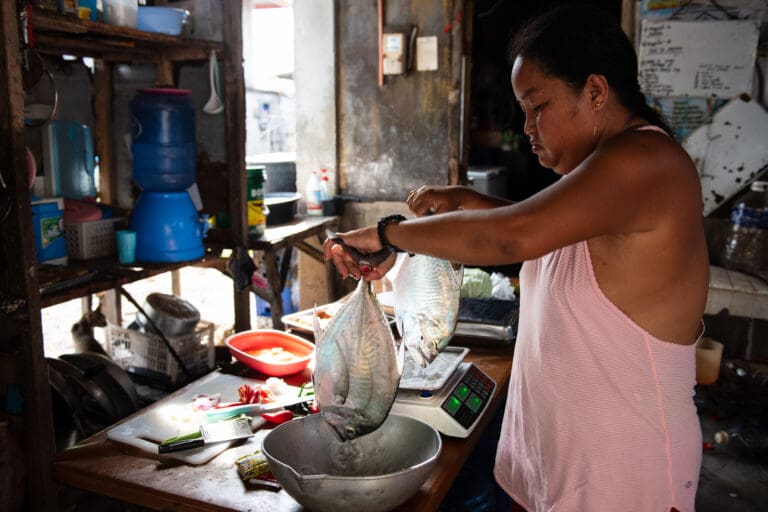
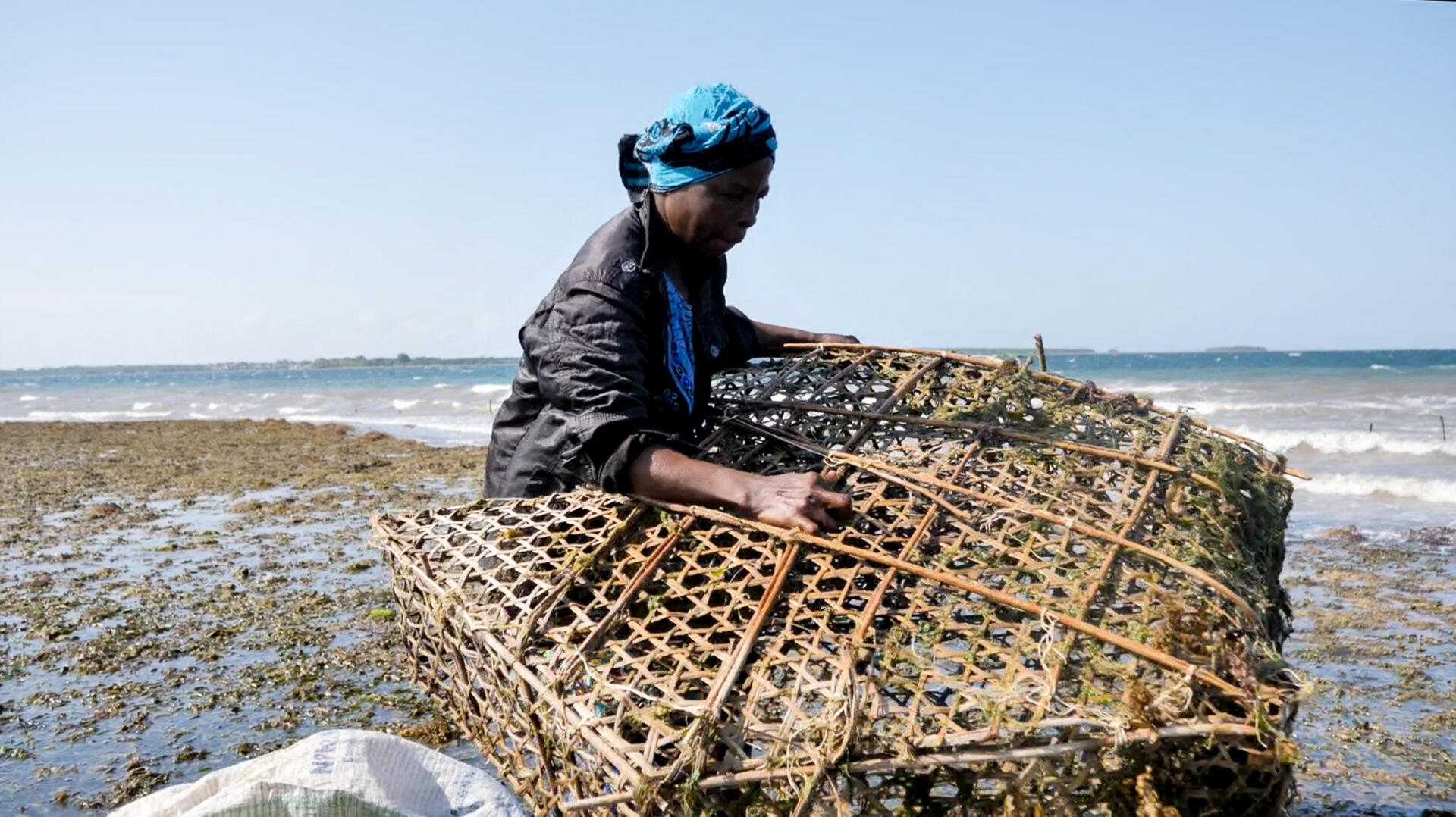
“The effects of climate change are being felt across East Africa’s coastlines, and fisher communities, particularly women, are among the hardest hit. As fish stocks decline, fishers are forced to travel further in search of a catch, while women traders and processors face growing challenges in sustaining their livelihoods. Without access to financial services, markets and information, many coastal families become trapped in a cycle of poverty.
It is high time that fisher communities are heard and included in solutions to the issues affecting them. Their knowledge and experience must help shape the responses needed to build resilient coastal communities,” said Nelly Otieno, Blue Ventures Regional Director for East Africa.
The commitments made in Kenya must do more than set out ambitions for the future. They must embrace an approach that puts communities first: protecting the waters that sustain them, strengthening their rights to participate in decision-making, and investing in the local leadership that is already driving ocean recovery across the world.
The ocean’s future depends on it.