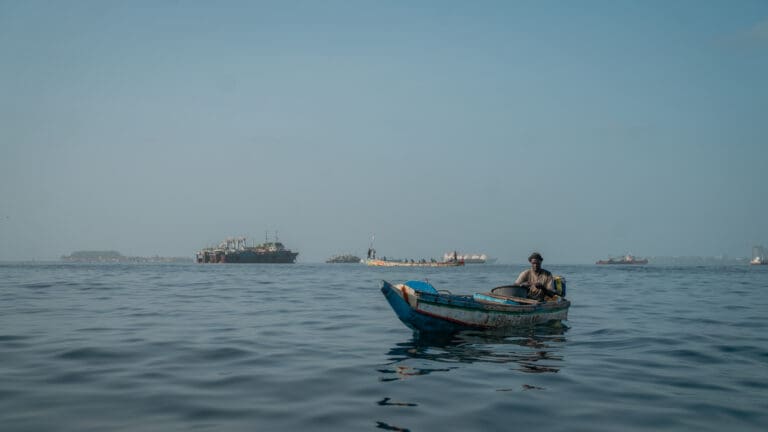
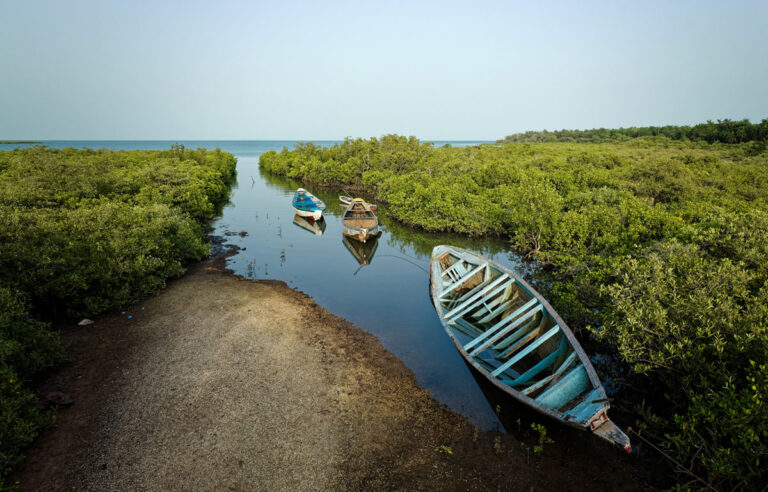
The government of Senegal has pledged to increase its industrial vessel Inshore Exclusion Zone (IEZ) from six to 12 nautical miles, in a move that would prohibit industrial fishing across the entirety of the country’s territorial seas.
Meanwhile, the Union of Comoros has committed to establishing Artisanal Stewardship Areas across all Comorian territorial waters.
In a promising step forward for the ocean and for Africa’s coastal communities, Honorable Amy Mara, Senegal’s Minister of Fisheries and Maritime Economy shared the country’s promise at the 2026 Our Ocean Conference in Mombasa, where heads of state, policymakers and civil society alike have gathered to chart a course for sustainable ocean management.
“Senegal has a tradition of dialogue,” remarked the minister. “Discussions and studies are currently underway to further extend the operational limits for small-scale fishing and the exclusion of industrial fishing, whilst strengthening the powers and responsibilities of local fisheries councils – which are on an equal footing with the State – in the decision-making process”
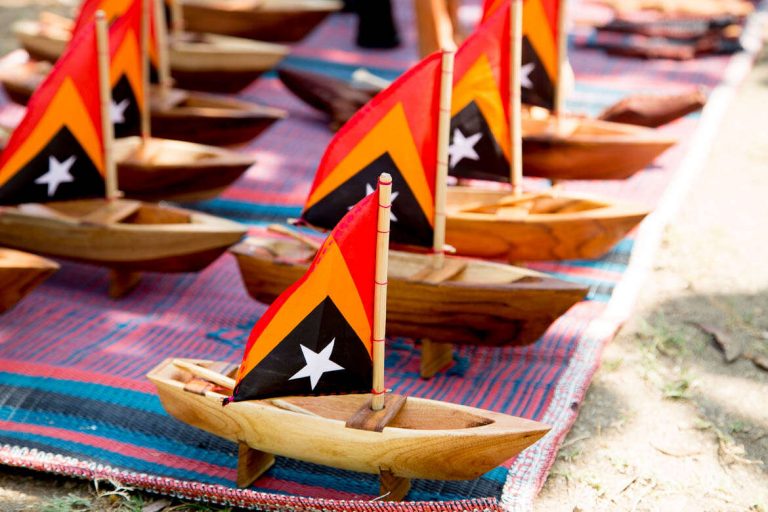
At the same event, Honorable Abubakar Ben Mahamoud, Ministre de l’Environnement Chargé du Tourisme de l’Union des Comores, committed to establishing Artisanal Stewardship Areas across all Comorian territorial waters. Existing marine protected areas will be expanded and community-managed areas legally recognised and established within these boundaries in order to ensure priority marine ecosystems benefit from enhanced protection.
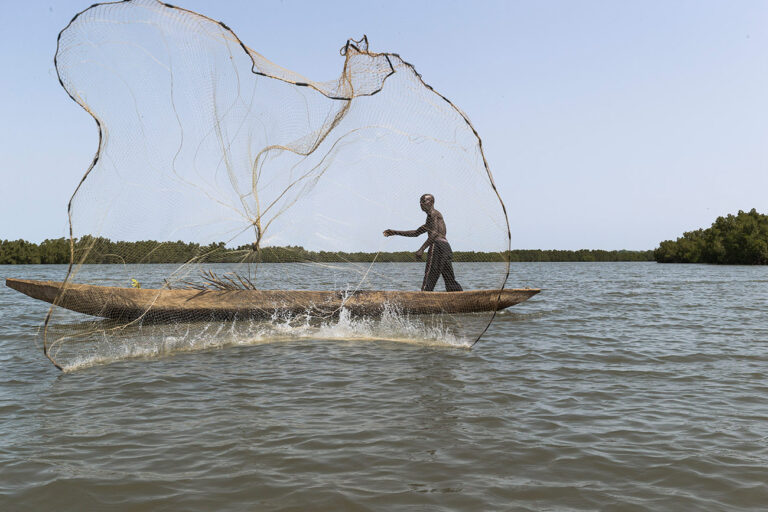
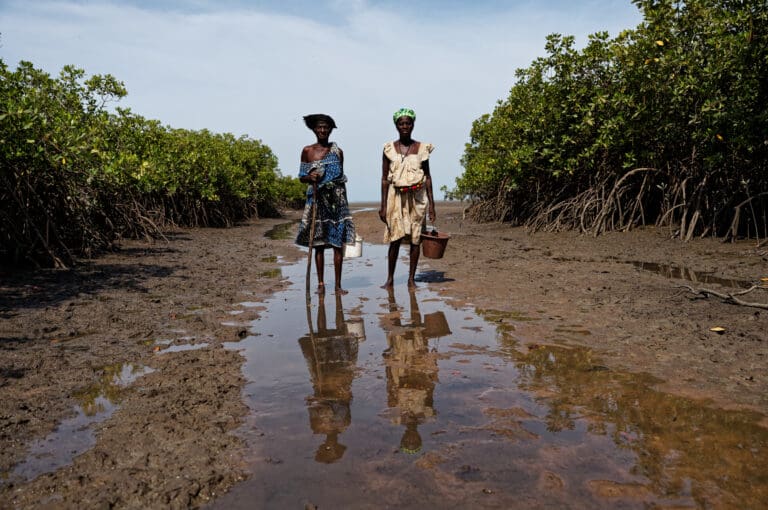
The commitment from Senegal would extend the country’s current national IEZ from six to 12 nautical miles – the entirety of territorial seas – in a move that will protect fragile ecosystems from irreparable harm, respects the stewardship and ways of life of small-scale fishers, and prioritises the economy and food security of the country’s coastal communities.
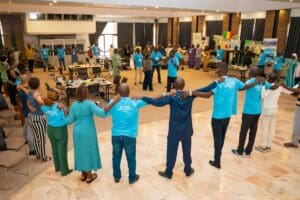
Speaking at an event hosted by Blue Ventures, the Bloomberg Ocean Initiative and the Ministry of Fisheries and Aquaculture of Ghana, the minister also committed to strengthening community co-management of the exclusion zone.
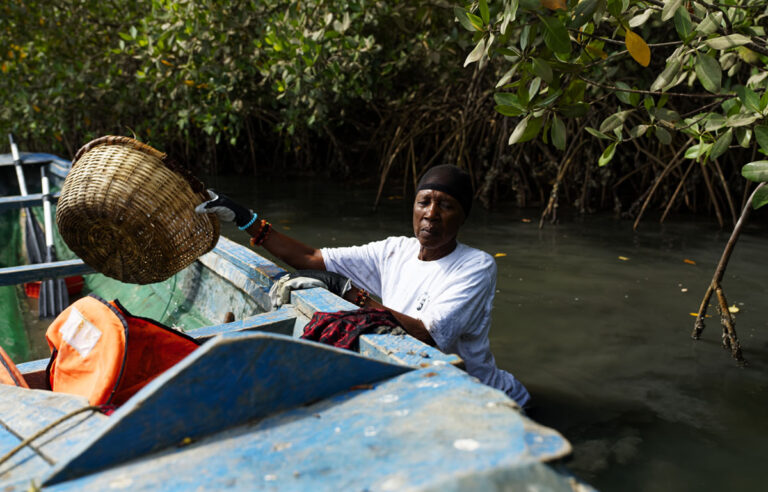
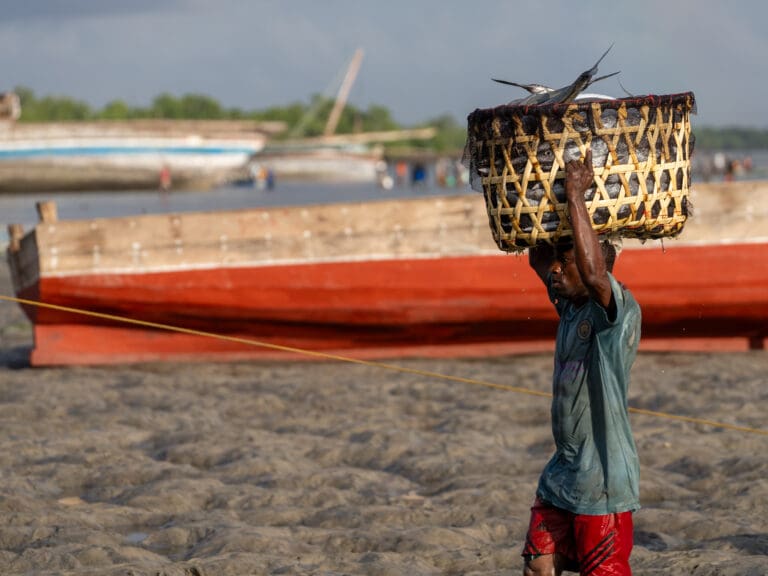
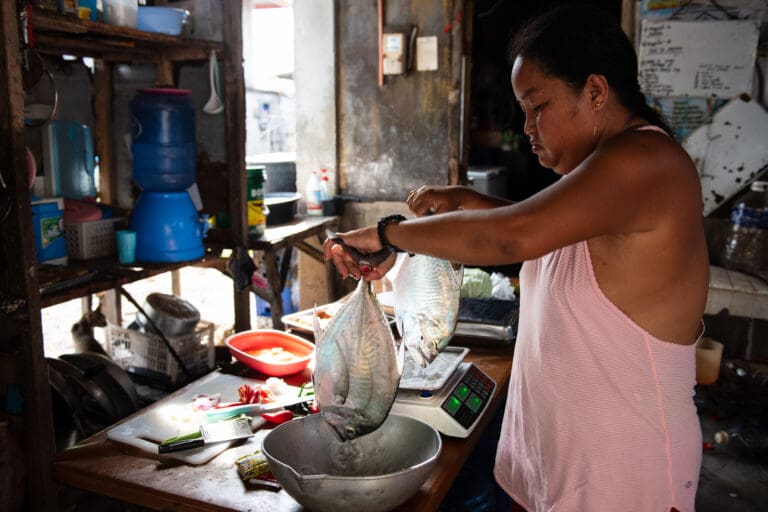
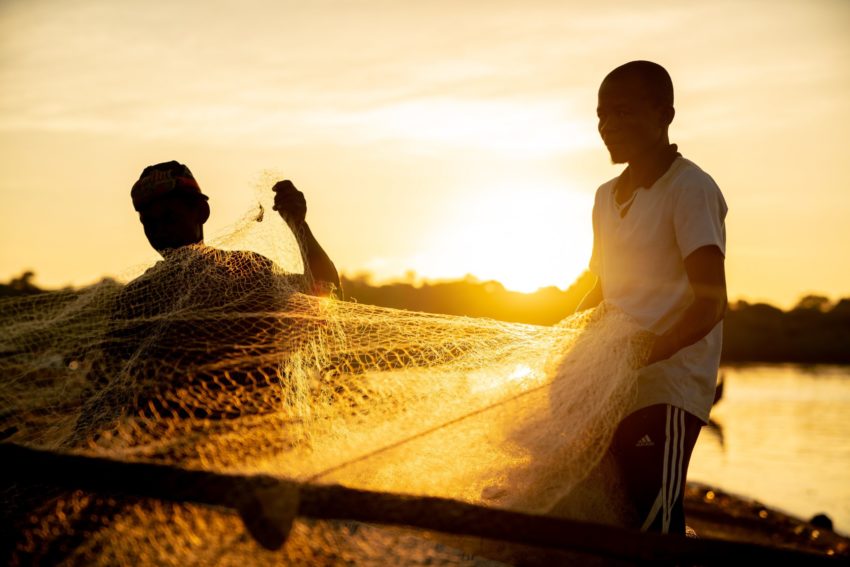
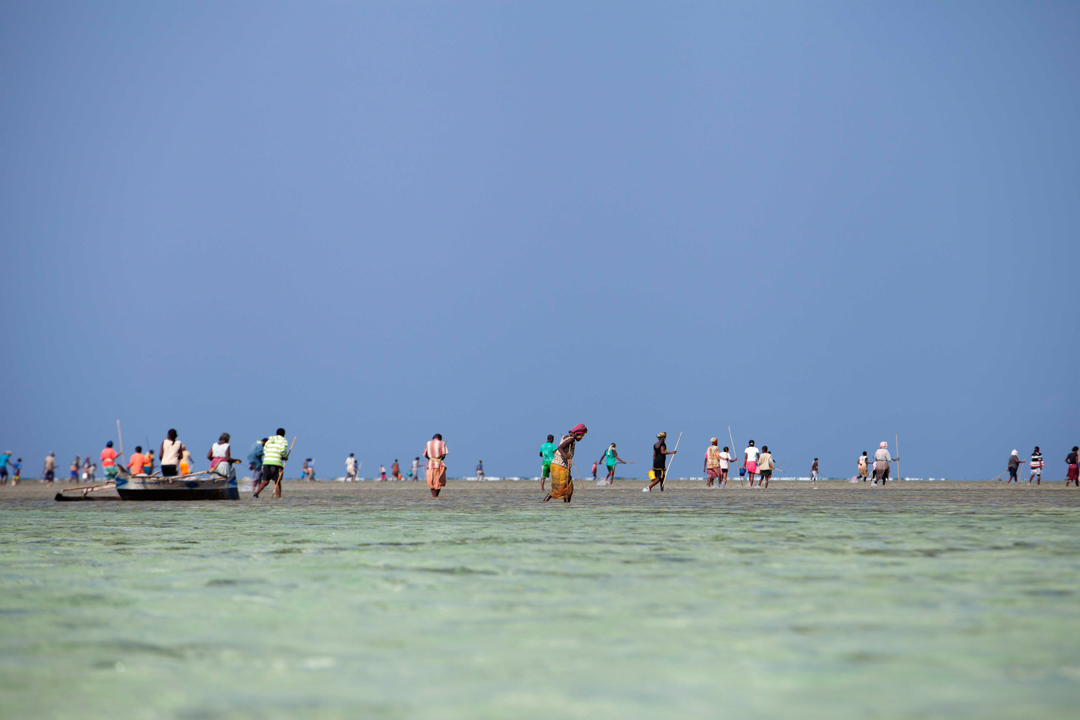
Fishing is central to life in coastal Senegal, employing over 600,000 people. In response to Senegal’s commitment, Mamadou Sarr, President of the Platform of Artisanal Fishing Stakeholders in Senegal said; “It’s rewarding to see that we are getting closer to a world where the interests of those most affected by overfishing are prioritised. We must continue to call out the injustices taking place when economic interests are privileged. It is now critical that we continue to work in collaboration with the government to ensure the expansion of the IEZ, and so we welcome the commitment to consultation.”
Senegal’s pledge follows recent action from the government of Ghana where, in August of last year, President John Dramani Mahama signed the Fisheries and Aquaculture Act into law, extending protection for artisanal fishing grounds and tightening controls on illegal industrial trawling.
Successes in excluding industrial vessels from the region’s coastal waters have followed grassroots campaign efforts from small-scale fisher networks and their allies across West Africa. The Transform Bottom Trawling Coalition, convened by Blue Ventures, unites fishing communities across the globe against the most destructive form of industrial fishing. Coalition members and civil society groups – both including small-scale fisher representatives, have campaigned extensively for the establishment and extension of IEZs in West Africa’s territorial seas, and were instrumental in securing the move toward expansion from Senegal’s government.
Aissata Dia, Head of West African advocacy at Blue Ventures commented; “Senegal’s pledge today is an important step forward in protecting the ocean and redressing the historical power imbalances in ocean governance. It shows us that small-scale fishers are not an afterthought. As the movement against destructive industrial fishing continues to build across the West African coastline, I hope other nations will now follow suit in recognising the value of community management and small-scale fisher-led ocean solutions.”
Industrial overfishing, pollution, and climate breakdown are changing African waters in ways we have never seen before. They are draining the oceans of life, and threatening fish stocks that provide food and livelihoods for hundreds of millions of people across the continent. Small-scale fisheries is one of the key sectors of national economies in coastal and island nations across Africa, providing income and employment, contributing to the fight against poverty, and to the food and nutritional security of the population. Policy solutions that protect and strengthen sustainable small-scale fisheries are urgently needed now more than ever.
IEZs (also known as Preferential Access Areas) are one such solution – designated zones stretching from the shoreline that prohibit industrial fishing and are reserved exclusively for small-scale fisheries. When paired with co-management between governments and small-scale fishers, they can help restore fish populations and strengthen food security and livelihoods. Recent analysis from the World Bank on African Inshore Exclusion Zones found that ‘IEZs increase annual artisanal catch by 324 thousand tons—enough to meet key micronutrient requirements for 6.3 million people—without reducing industrial catch.’
Bottom trawling is driving an ocean emergency, for more information on its impacts, as well as the community based-organisations leading the way in its solutions, see transformbottomtrawling.org