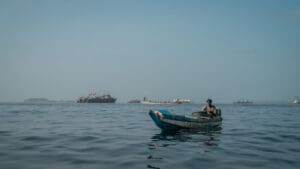
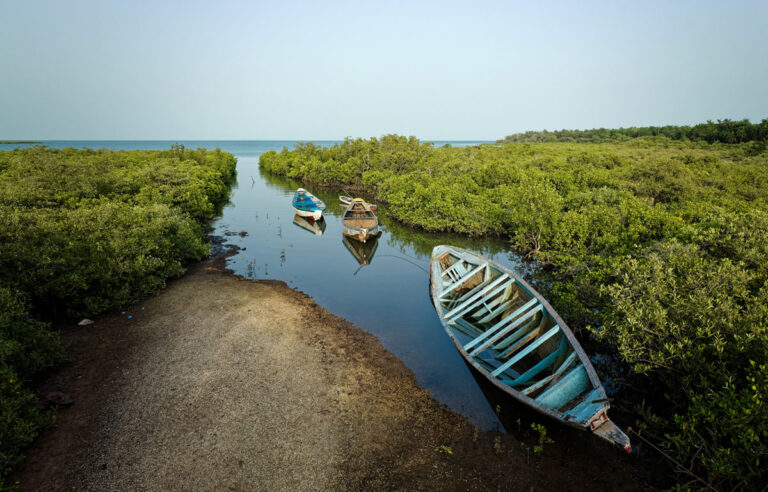
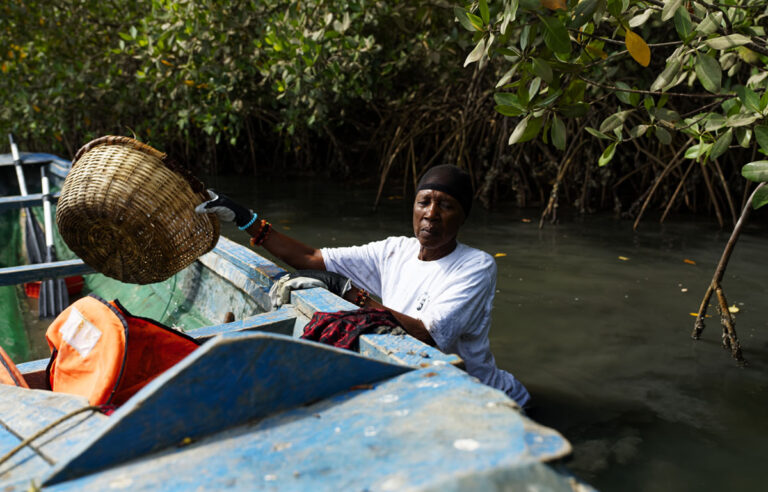
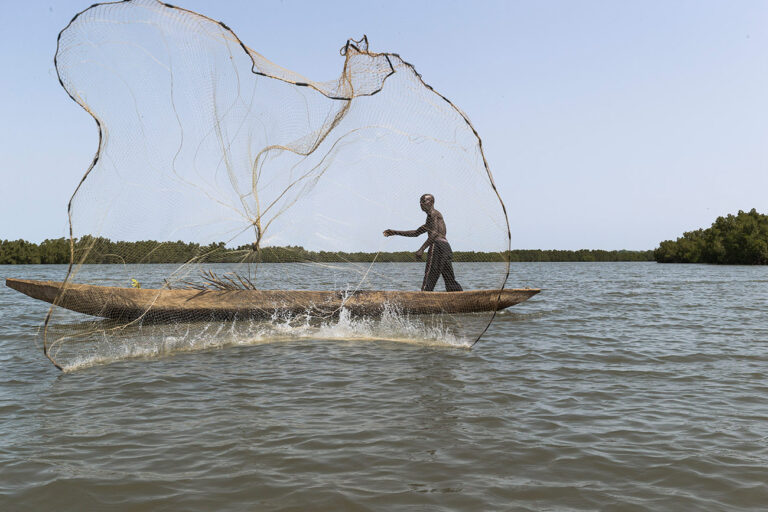
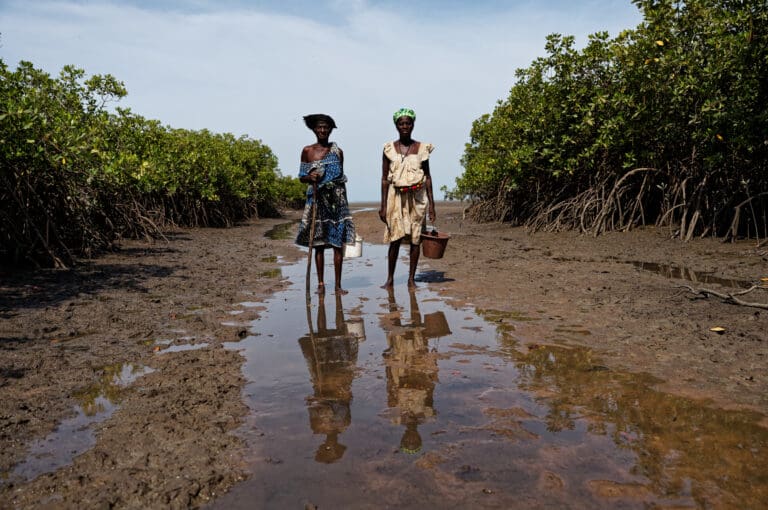
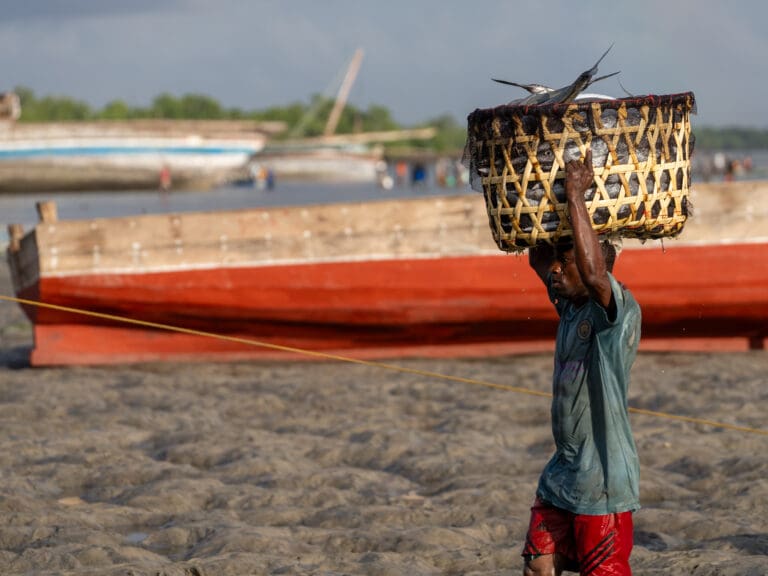
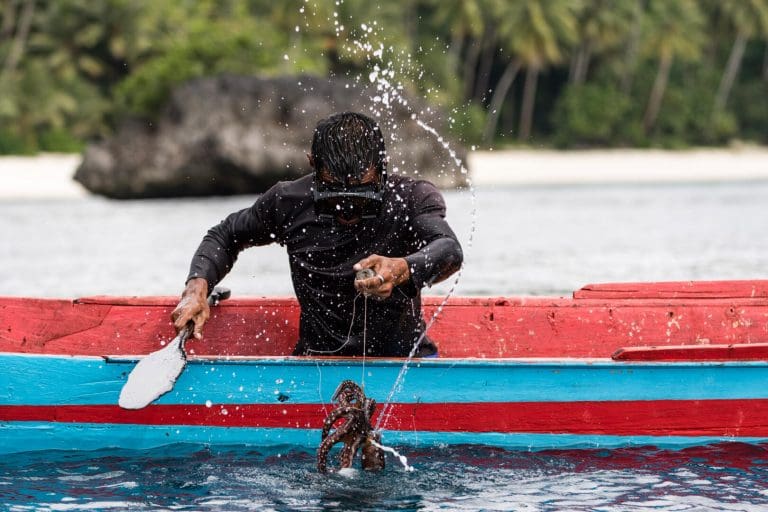
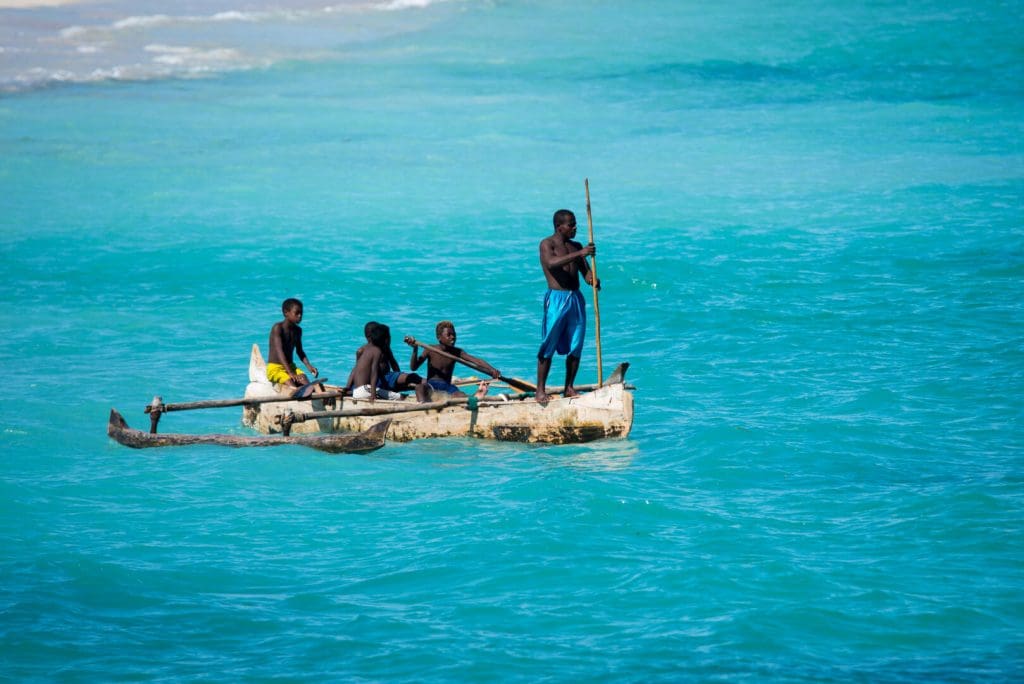
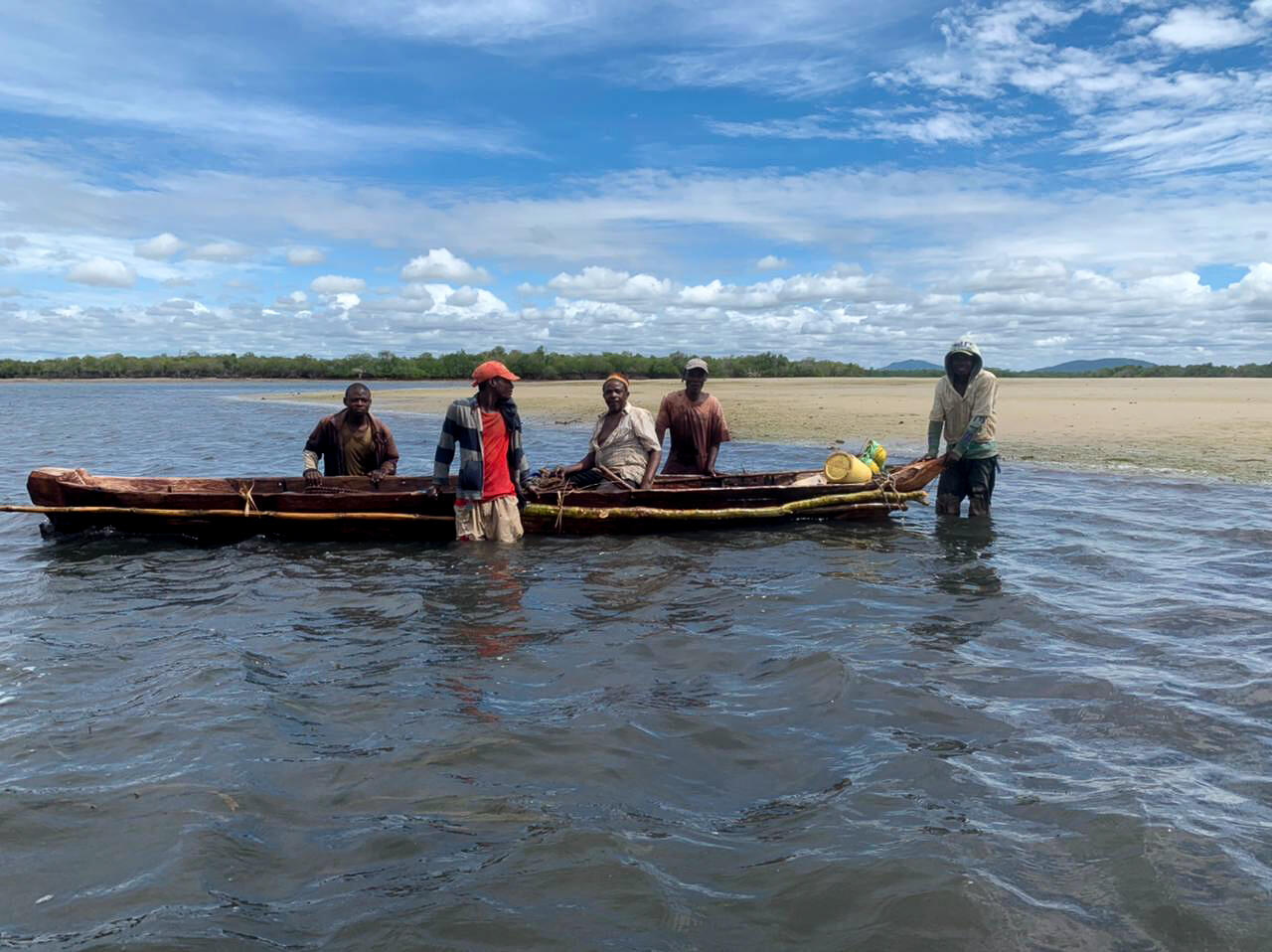
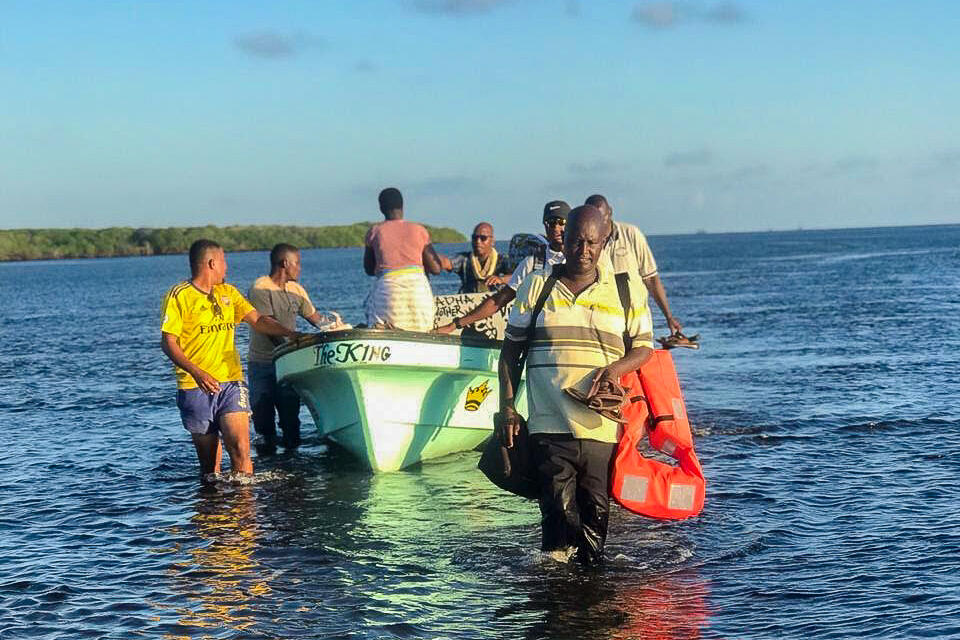
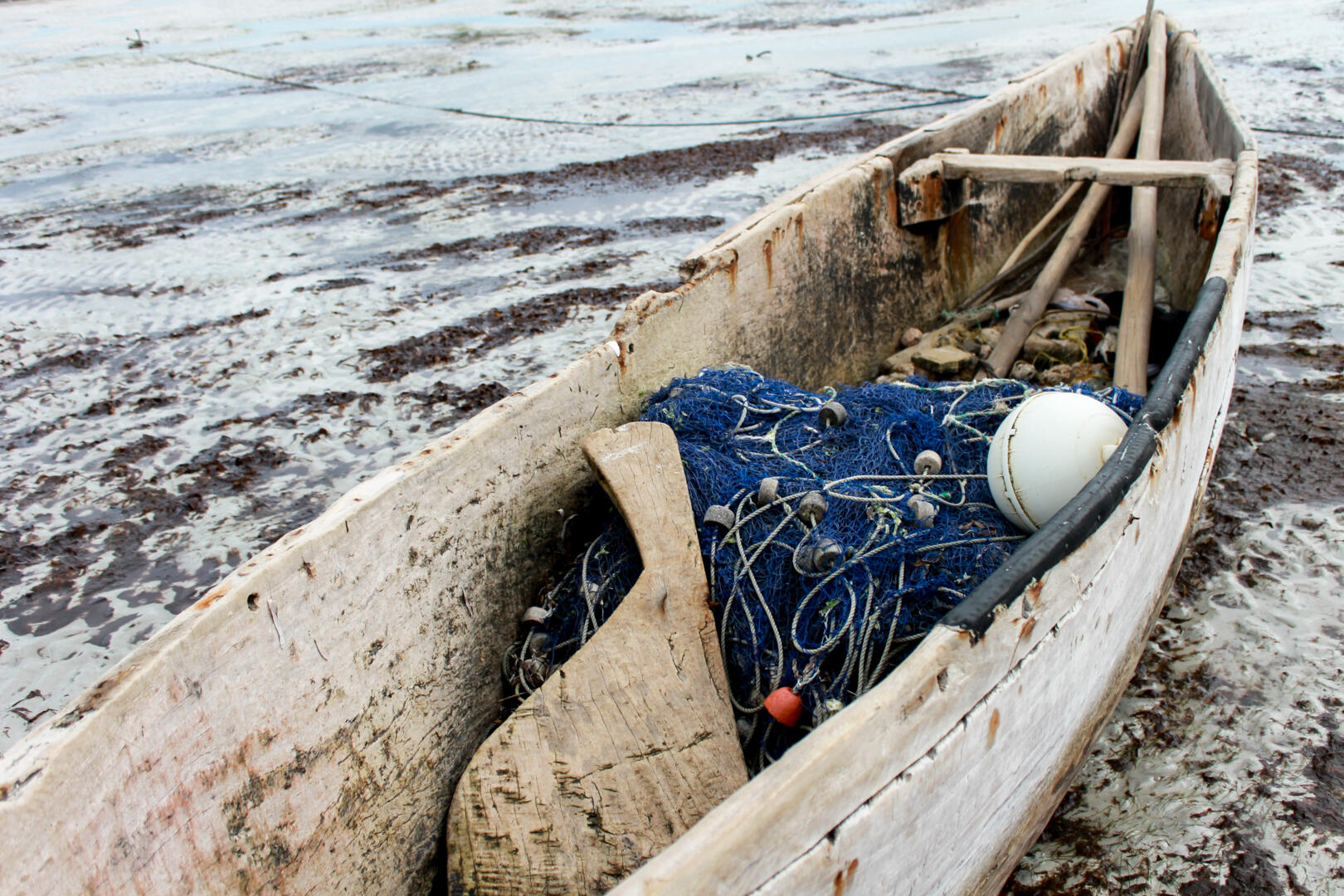
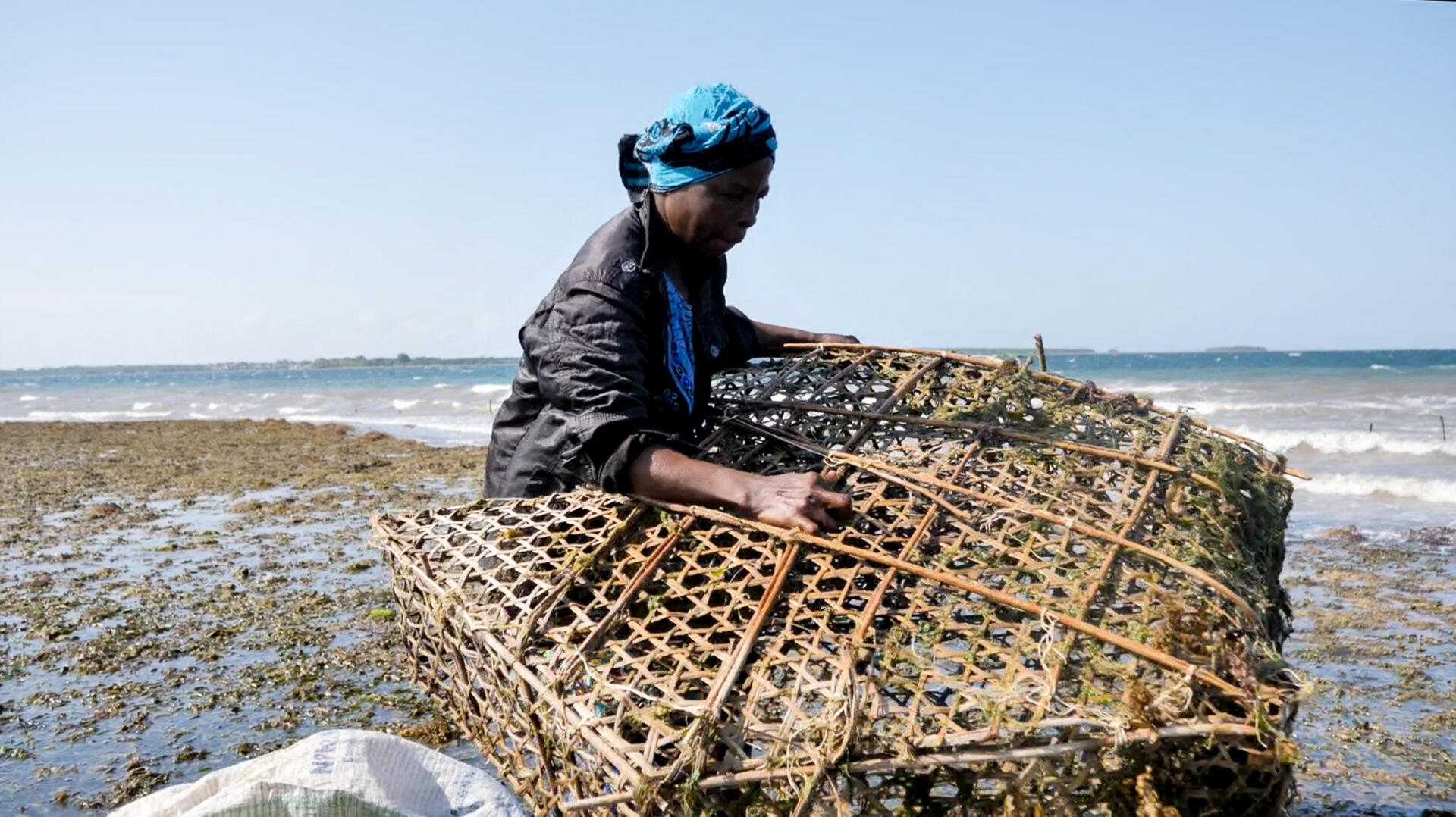
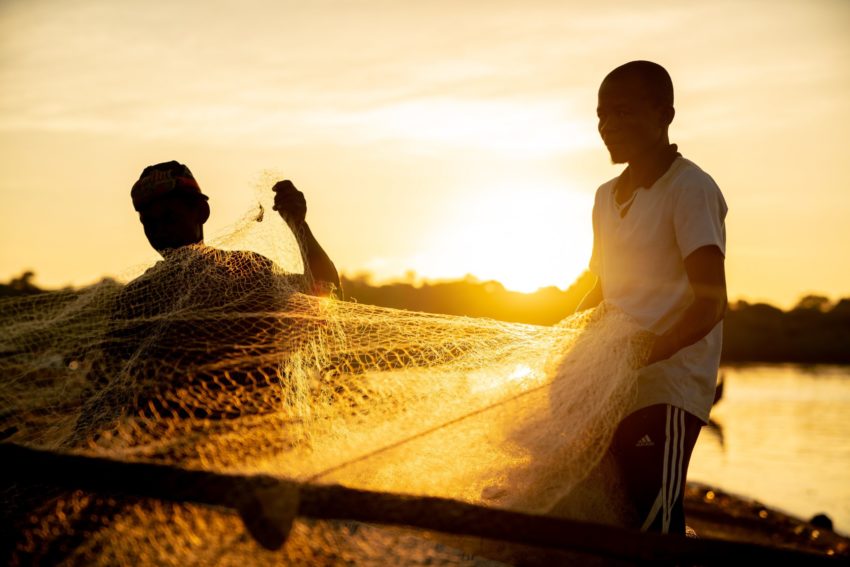
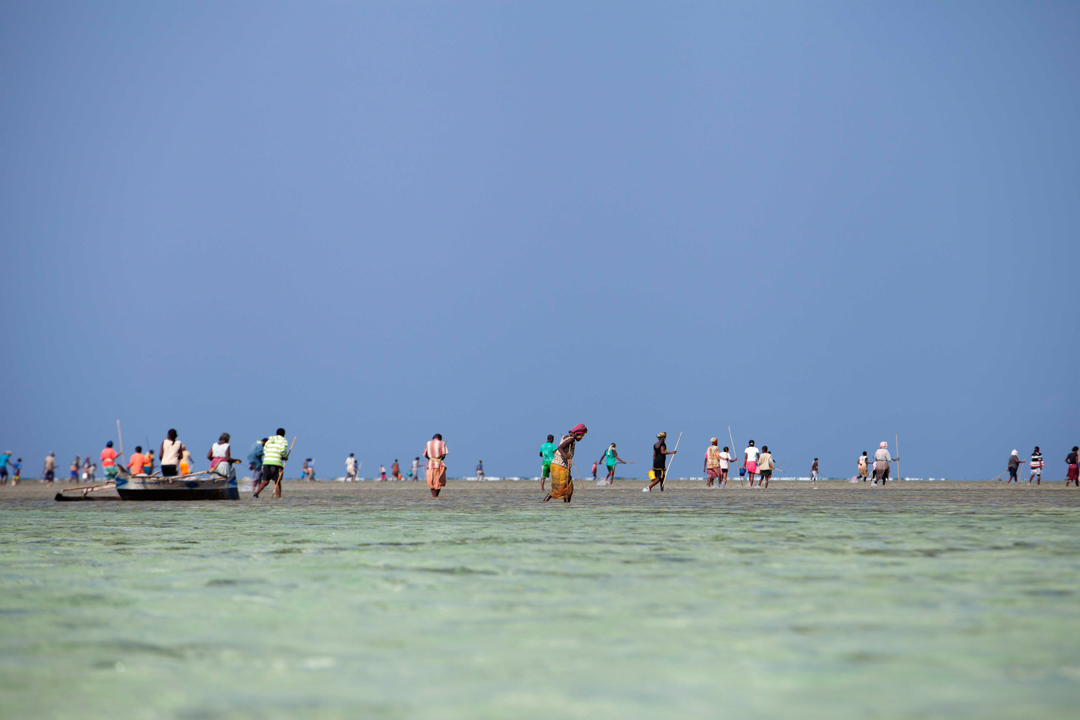
Across West Africa, millions of people depend on the ocean for food, income and culture. Small-scale fisheries sustain coastal communities from Senegal to Ghana, yet the people who rely on them are facing increasing pressures: from declining fish stocks and illegal fishing, to growing demands on marine resources. Many of these challenges cross national borders, making regional collaboration more important than ever.
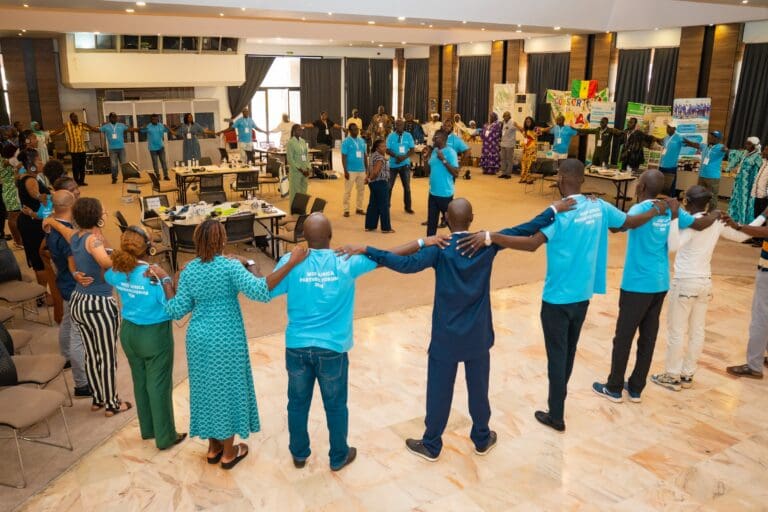
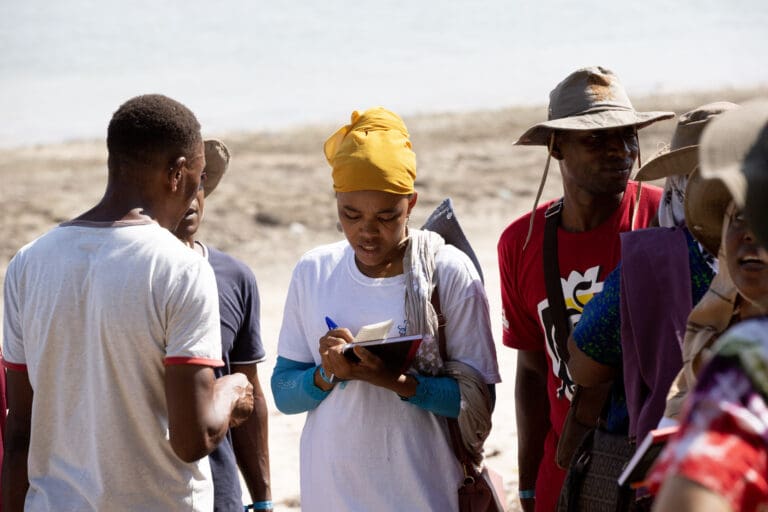
To strengthen this collaboration, Blue Ventures brought together 43 representatives from 35 organisations for the first West Africa Regional Partners Forum in Saly, Senegal, to share experiences, strengthen partnerships, and explore how they can better support coastal communities across the region.
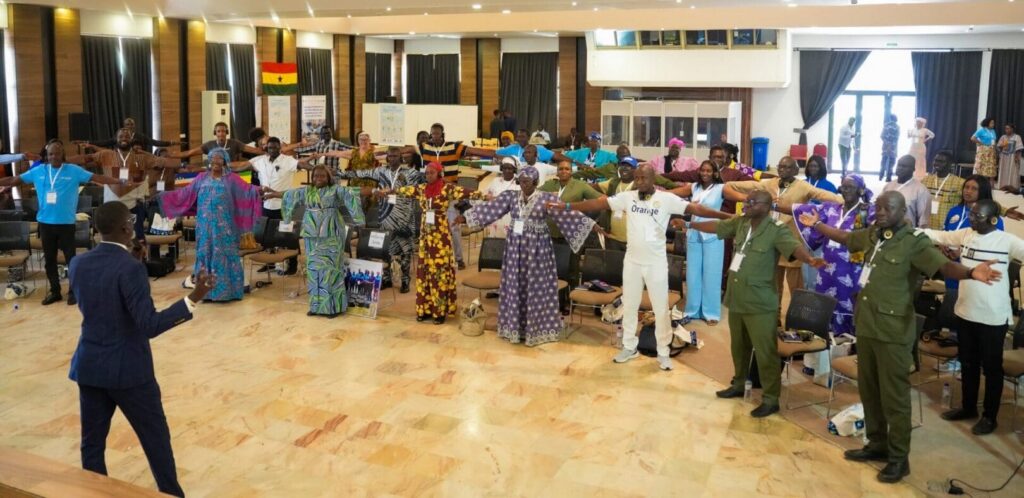
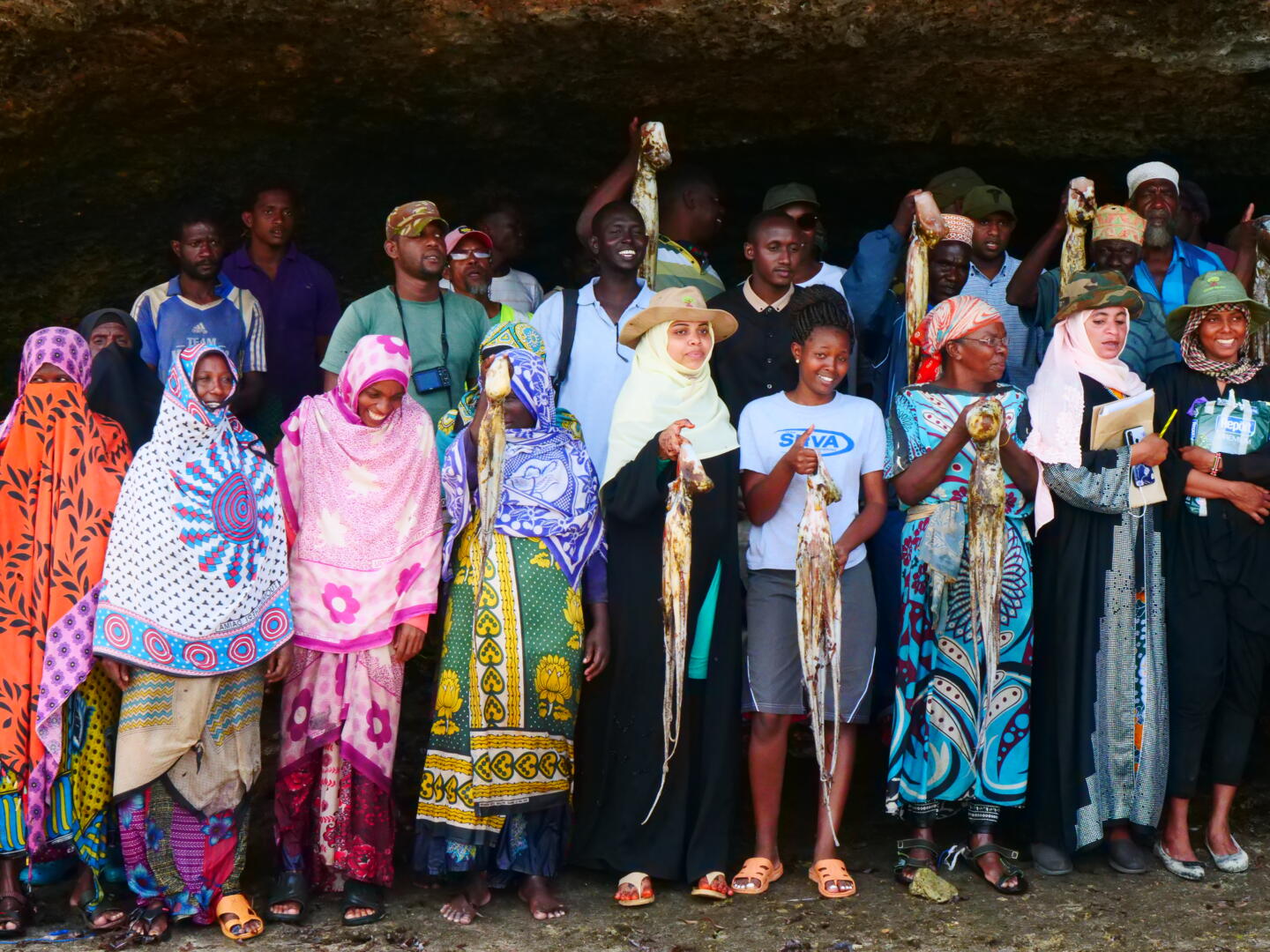
Over three days, participants comprising community-based organisations, NGOs, managers of marine protected areas, government representatives, and Blue Ventures’ technical advisors from Senegal, The Gambia, Guinea-Bissau, Cabo Verde, and Ghana shared what they have learnt through their work, discussed the challenges they continue to face and exchanged ideas that could be adapted in different countries.
Although they travelled from fishing villages and coastal towns hundreds of kilometres apart, many of the conversations returned to the same questions. How can coastal communities continue to feed their families as fisheries come under increasing pressure? How can they have a stronger voice in decisions about the resources they depend on? And how can organisations working across the region learn from one another instead of tackling these challenges in isolation?
Food security quickly emerged as a common priority. For many coastal families, fish is not only a source of income but one of the most accessible and affordable sources of protein. Protecting fisheries is therefore closely tied to people’s health, livelihoods and local economies.
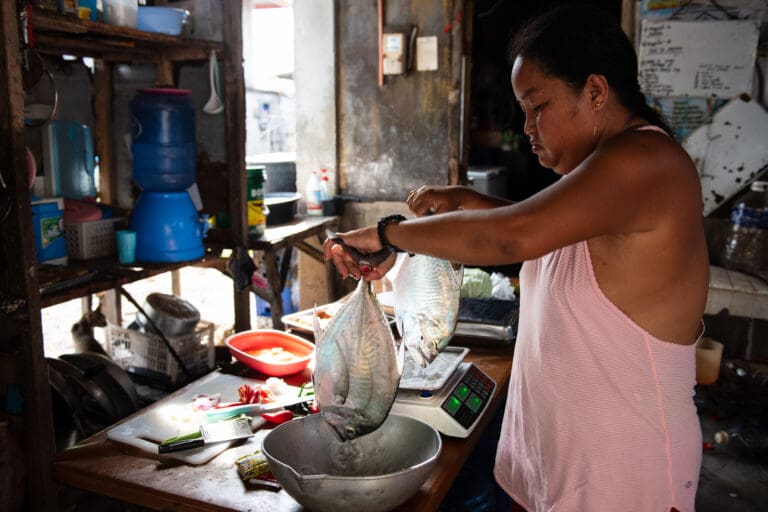
Discussions followed the journey of fish from the ocean to the table, with participants sharing practical examples of sustainable fishing practices, improvements in fish processing, and stronger community engagement already taking shape in their countries. They also spoke openly about the obstacles many communities continue to face, from limited infrastructure and difficulties reaching remote areas to concerns about fish safety and the need for stronger links between fisheries and national food security policies.
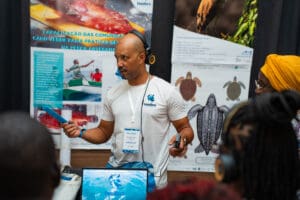
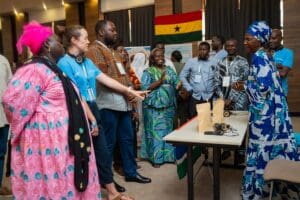
The conversations were grounded in practical solutions. Participants discussed improving fish processing and hygiene, expanding market opportunities, raising awareness of the nutritional value of fish and working more closely with policymakers. Just as importantly, they recognised that many of these approaches are already delivering results in some parts of the region. Sharing those lessons across borders could help communities move further, faster.
Healthy fisheries also depend on the people who use them having a voice in how they are managed. Across West Africa, fishing communities are often the first to notice changes in their marine environment, yet their knowledge and experience are not always reflected in the decisions that affect them.
Participants explored what rights-based fisheries governance looks like in practice, from strengthening community participation in decision-making to recognising secure tenure, improving access to justice and supporting more equitable governance of coastal resources. Experiences from countries like Ghana highlighted encouraging progress, including efforts to strengthen community rights and expand locally managed marine areas, while also acknowledging the barriers that remain.
Throughout these discussions, participants returned to a simple idea: conservation is strongest when communities have the opportunity to shape the future of the places where they live and fish.
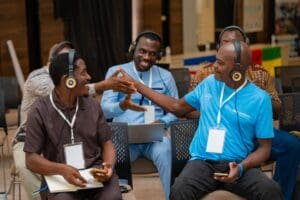
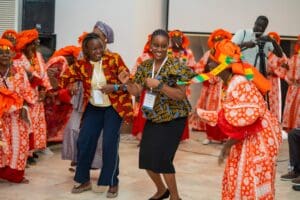
Before the forum closed, participants were asked to imagine the future they want to see by 2030. Despite representing five countries and dozens of organisations, many described the same picture: coastal communities with a stronger voice in managing their marine resources; healthier seas supported by restored mangroves and reduced illegal fishing; better opportunities for fishing families through improved processing; safer food and stronger markets; and organisations across the region continuing to learn from one another while tackling shared challenges together.
That vision closely reflects the direction Blue Ventures is taking across the region by supporting community-led pathways that strengthen local leadership, while building partnerships that help good ideas travel further.
The conversations that began in Saly will continue long after the forum. New partnerships have been formed, and ideas are already being shared across borders. By creating space for learning from one another, the forum strengthened relationships that will help communities shape healthier fisheries and more resilient coastal livelihoods for years to come.