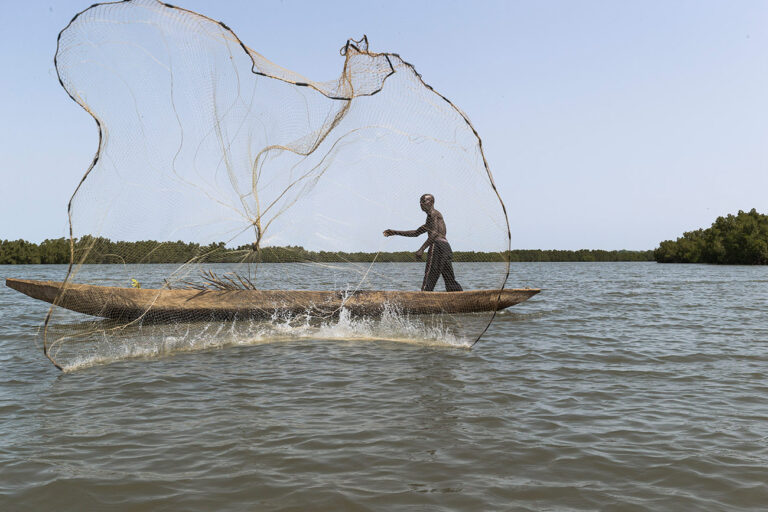
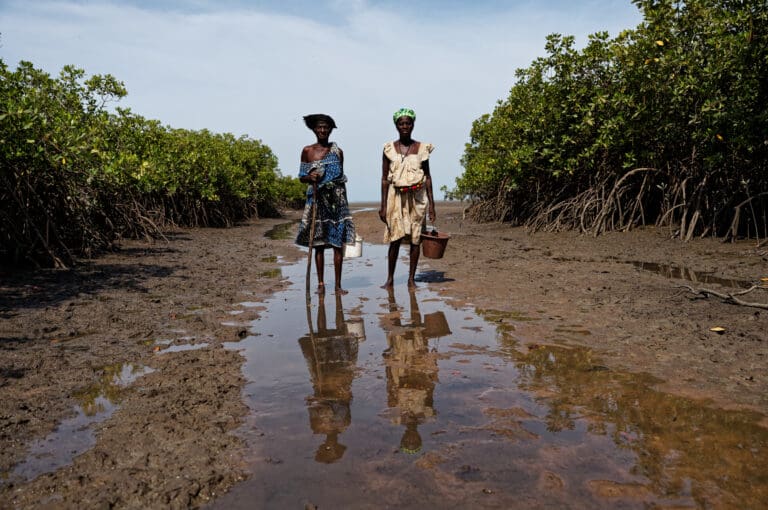
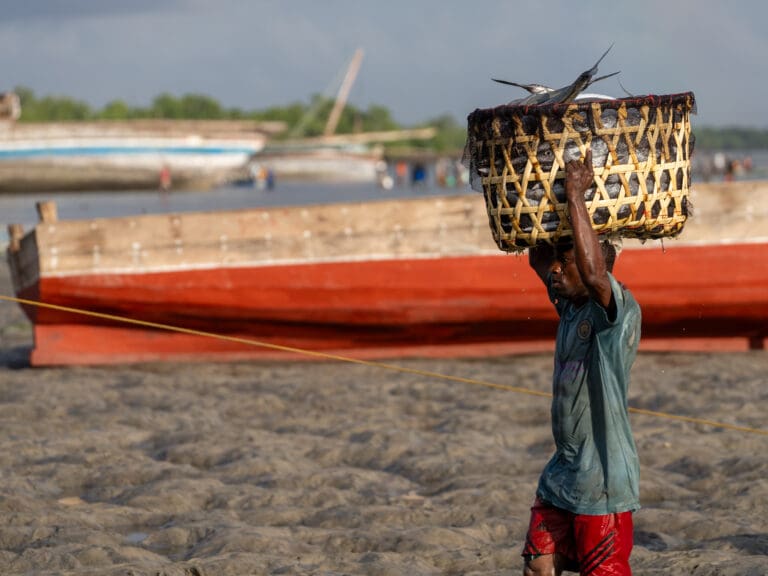
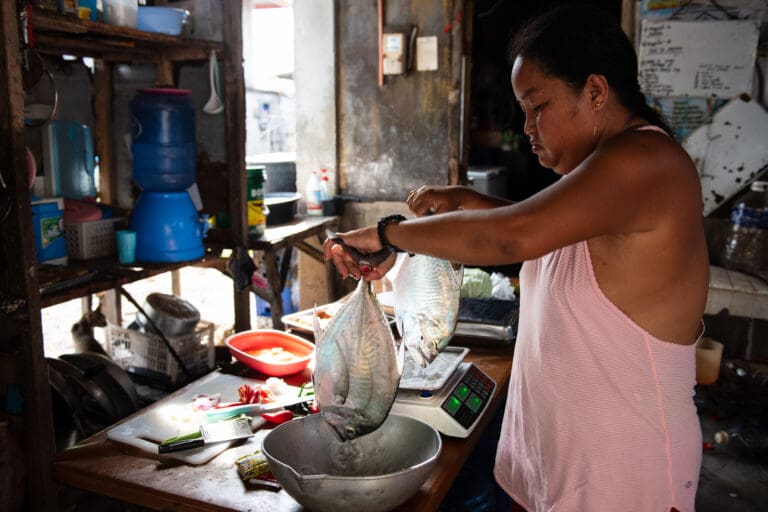
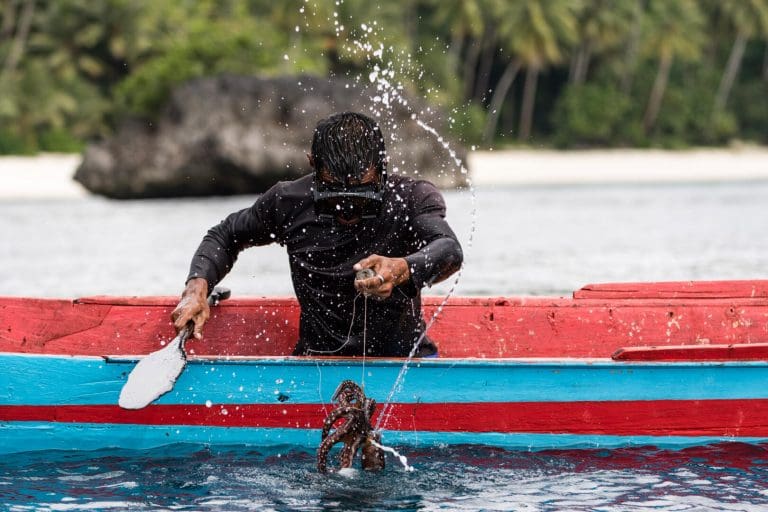
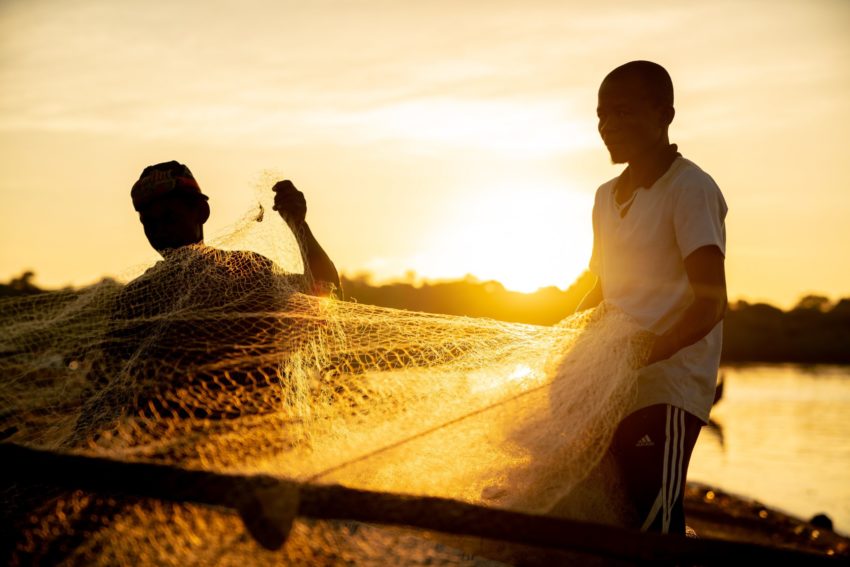
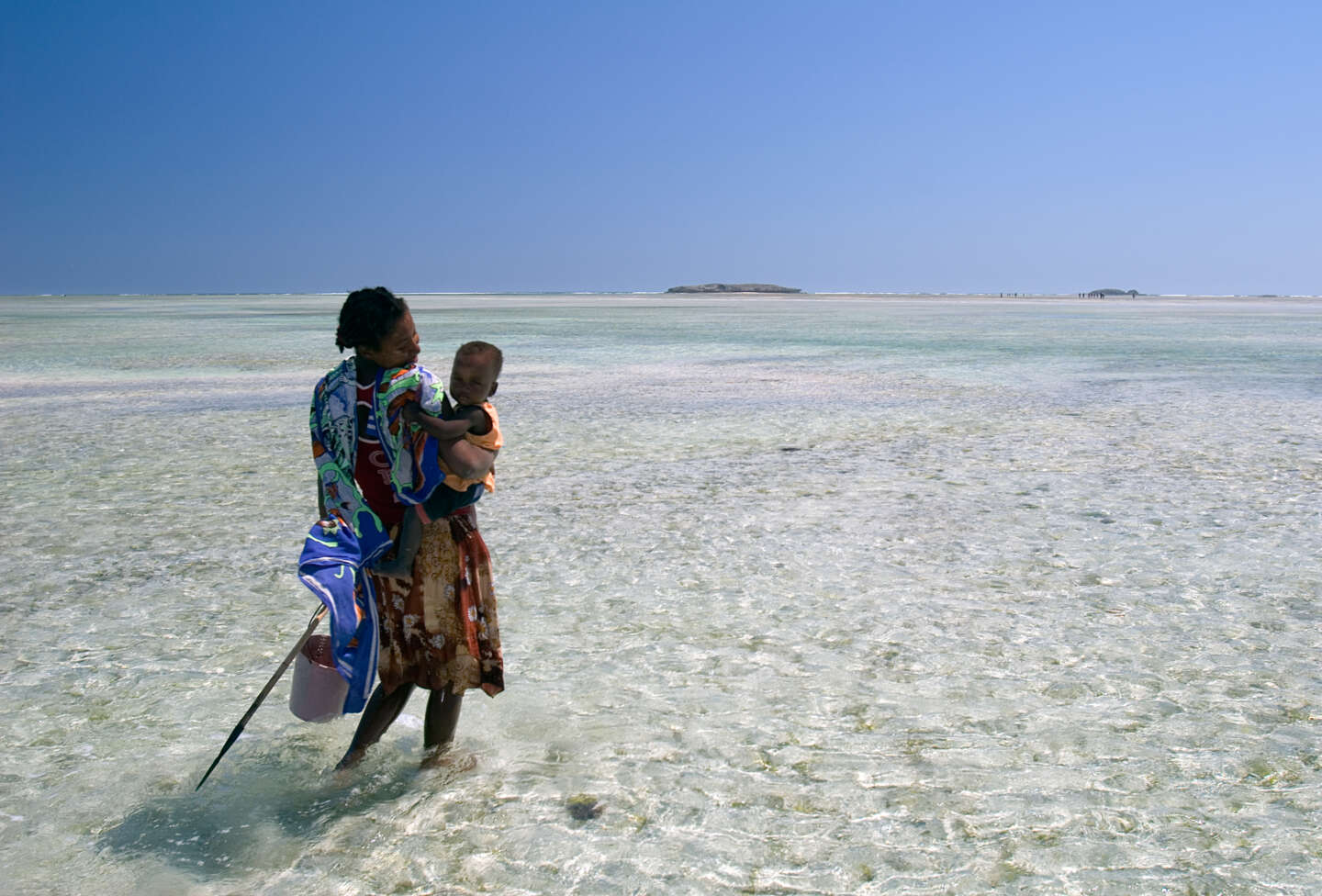
Elsi, a mother in Torosiaje, Indonesia, always hoped that her family would never have to face an emergency. With her husband’s fishing work as their sole source of income, they had little to no savings to fall back on. But when her son fell ill, she had no choice but to turn to informal lenders. The relief was, however, short‑lived: crushing interest rates and the short repayment deadline placed even more pressure on an already uncertain and stressful financial situation.
Wa Tanda, a fisherwoman in Wakatobi, Indonesia, faced similar challenges: “The interest is so high that it feels like being choked by debt,” she said.
For many coastal families across Asia, reliance on informal lenders or “loan sharks” can become a vicious cycle of borrowing to cover urgent needs and repay existing loans. On average, interest rates typically range from 20% to 30%, with repayment windows of only 30 to 60 days. Defaulting puts valuable assets at risk, including boats, motorcycles, land and house titles, while formal banks remain distant, blocked by geography, paperwork, and bureaucracy.
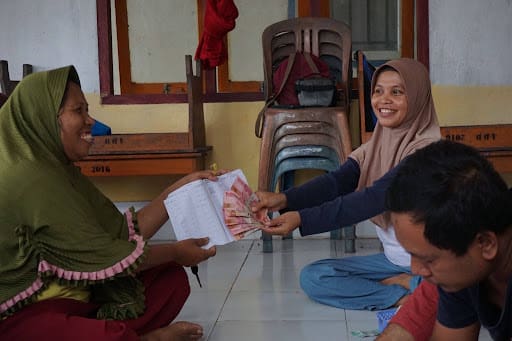
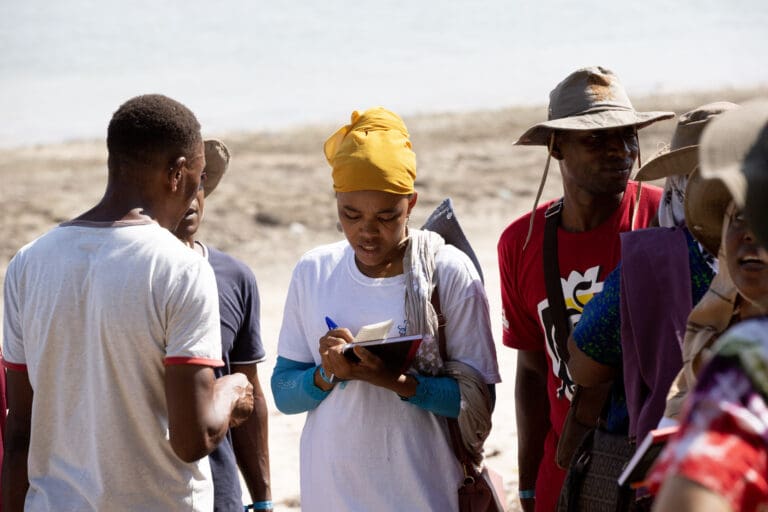
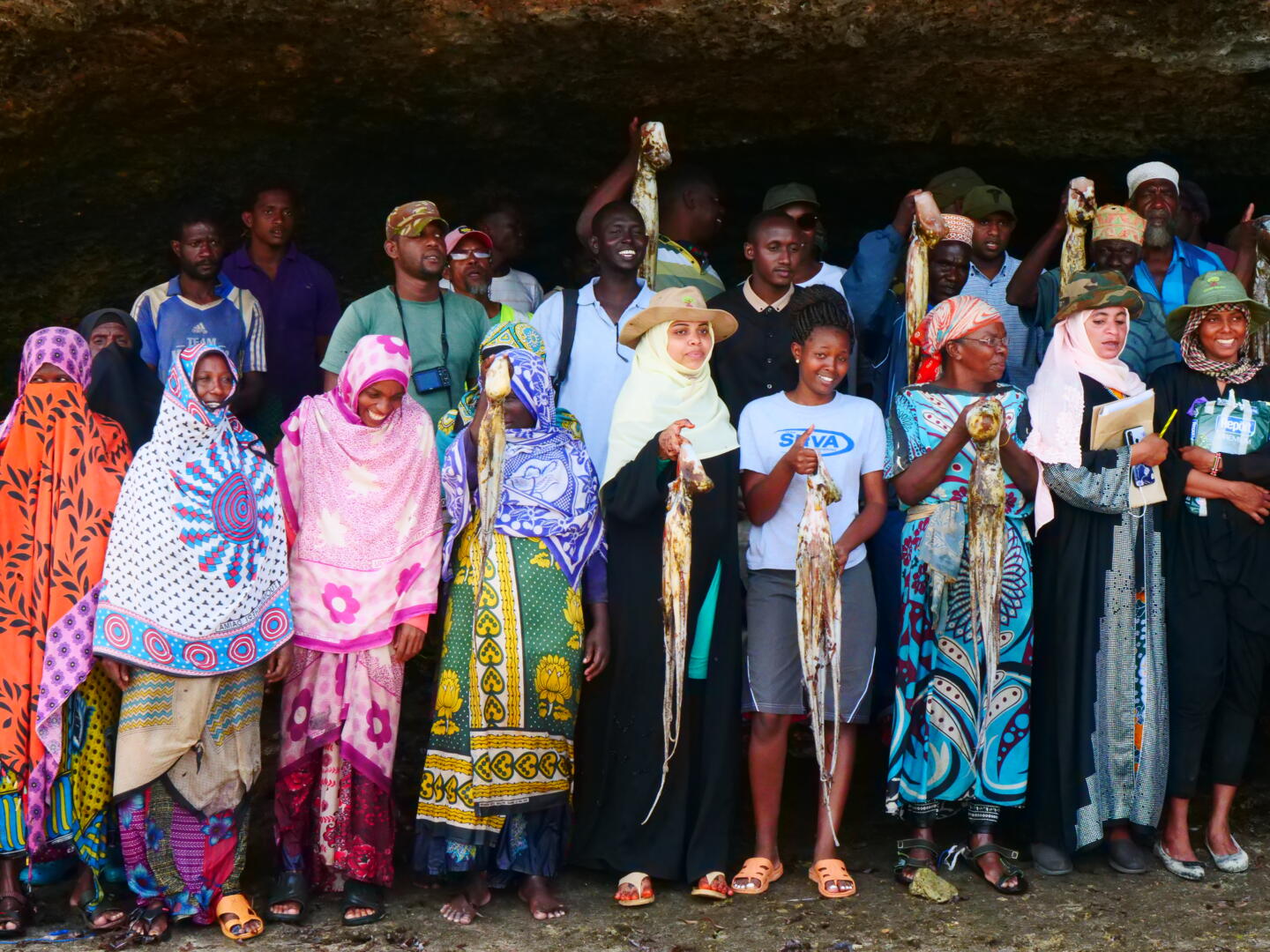
Tired of feeling trapped by financial uncertainty, women in various villages began looking for ways to better manage their household finances. Together with Blue Ventures’ local partners, they began weaving their own safety nets through Village Savings and Loans Associations (VSLAs).
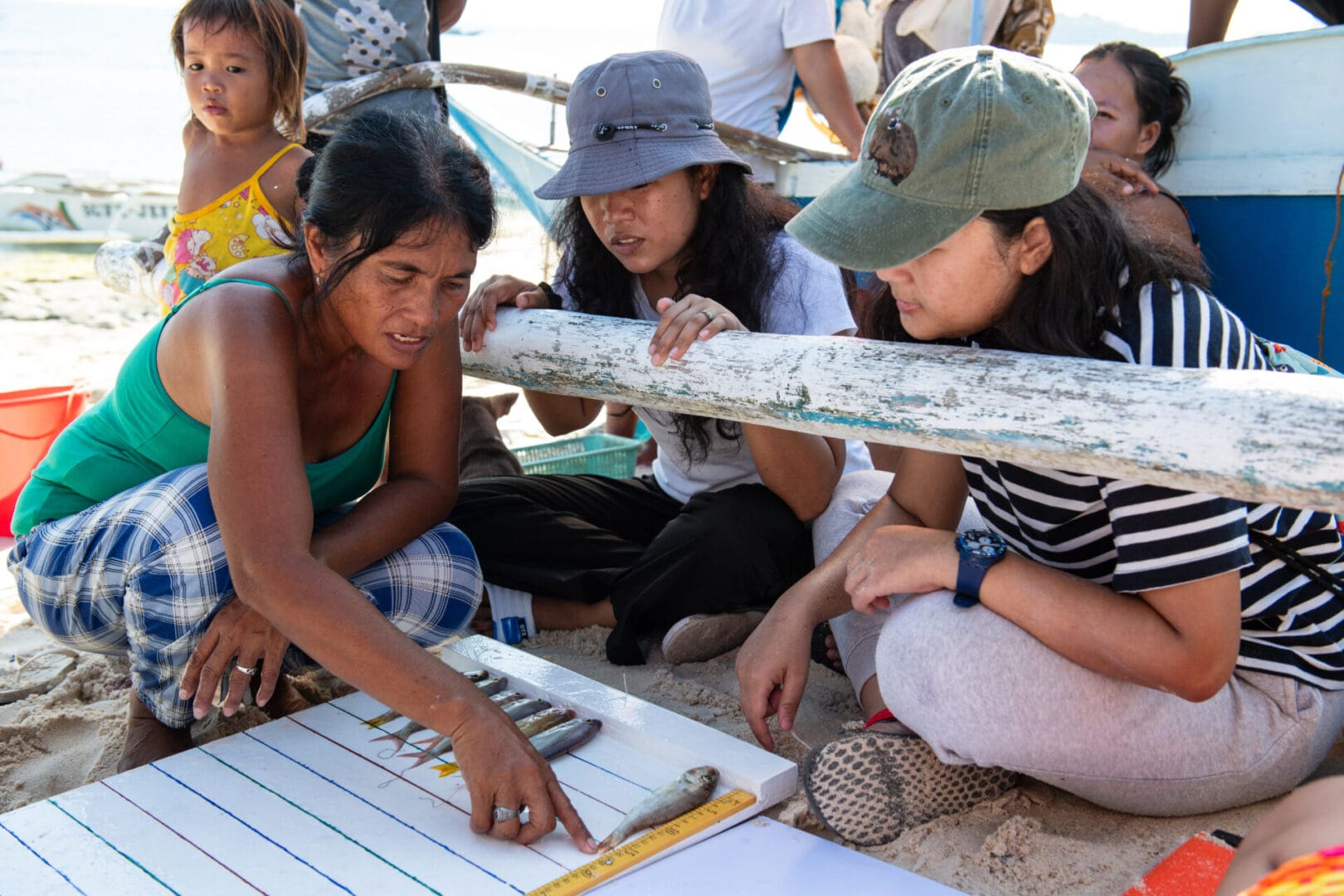
VSLAs are self-managed, community-based financial intermediaries that provide simple savings and short-term credit to individuals without access to formal banking. Members contribute regularly to a shared fund, drawing on those savings to cover healthcare, education, and household expenses, or to invest in small businesses.
Built on mutual trust, transparency, and collaboration, these groups typically consist of 15 to 30 people from the same community. Many VSLAs also maintain a separate “social fund” that functions as emergency insurance for medical crises, funerals, or natural disasters. At the end of a standard one-year cycle, all accumulated savings and loan interest are distributed back to members in proportion to their contributions
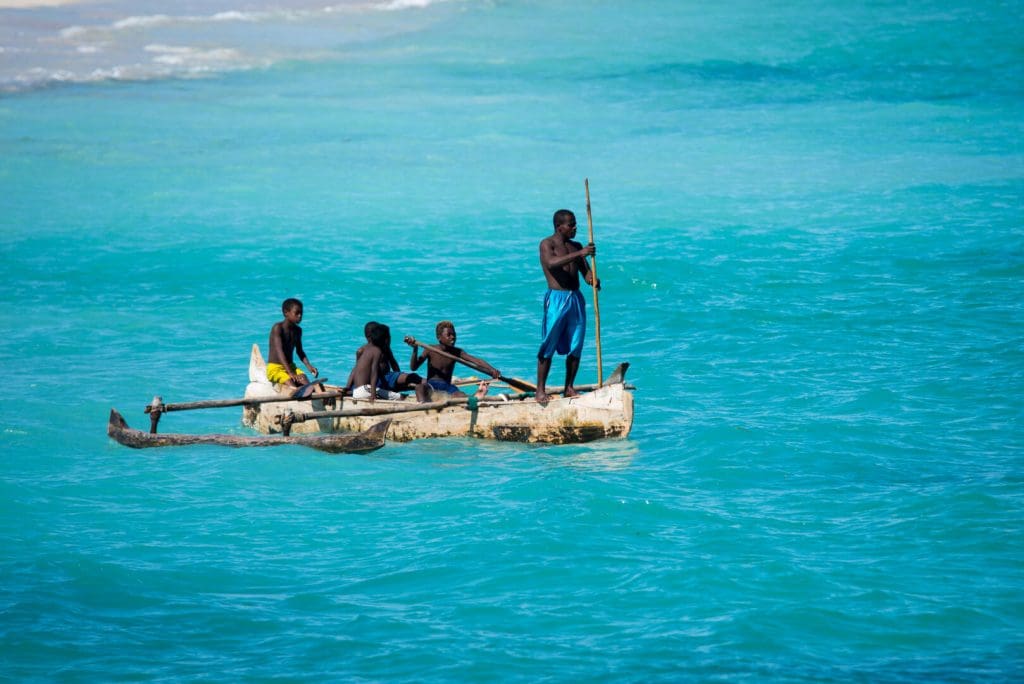
For fishing communities, financial security can be closely linked to the ability to manage the ups and downs of fishing and respond to unexpected costs. When families have few savings or safe ways to borrow, a poor fishing season or sudden expense can force them to take on high-cost debt or sell assets they depend on. Access to savings and affordable financial services can help households manage these pressures, strengthening their resilience while protecting longer-term livelihoods and wellbeing.
In October 2023, a financial inclusion assessment in Wakatobi village confirmed the need for easier, safer access to finance for community members, leading to the establishment of the Posa Asa VSLA. The group started with 21 members and, two annual cycles later, had grown to 31.
Over these cycles, the group accumulated more than IDR 50 million (around USD 2,800) in savings. It issued 73 loans totalling IDR 78 million (around USD 4,300), with repayment periods of up to10 months. Members used the loans to cover urgent needs, such as education and healthcare, and to invest in income-generating activities.
“We only charge an interest rate of as little as one per cent a month,” Wa Tanda said.
Elsewhere in Indonesia, in the coastal village of Torosiaje where Elsi lives, more community members have joined the Sipakulong VSLA as interest in this approach grows. Members can request loans during regular meetings, without navigating extensive paperwork or complicated administrative requirements, making financial services more accessible and community-driven.
In some cases, members use these loans to repay debts owed to illegal lenders.
“We are now free from the loan sharks, and it gives us peace,” said Elsi.
The benefits extend beyond finances. They are also social. When a VSLA member struggles to repay a loan, the first response is not punishment. Group leaders visit, seek to understand the problem, and work with the member to find a solution. The groups still have rules, including penalties for late payments, but they balance these with a more personal, supportive approach to helping members through financial difficulties.
In Timor-Leste, six VSLAs now unite 130 members across Biqueli and Beloi, Atáuro Island, many of them fisherwomen. These groups foster financial security alongside resilience, conservation, and community action.
A VSLA cannot make an uncertain fishing season more predictable or erase medical bills, but it can turn desperation into dignity, giving families a safer harbour before short-term crises become long-term debt. In places where every cent matters, that difference is life-changing.