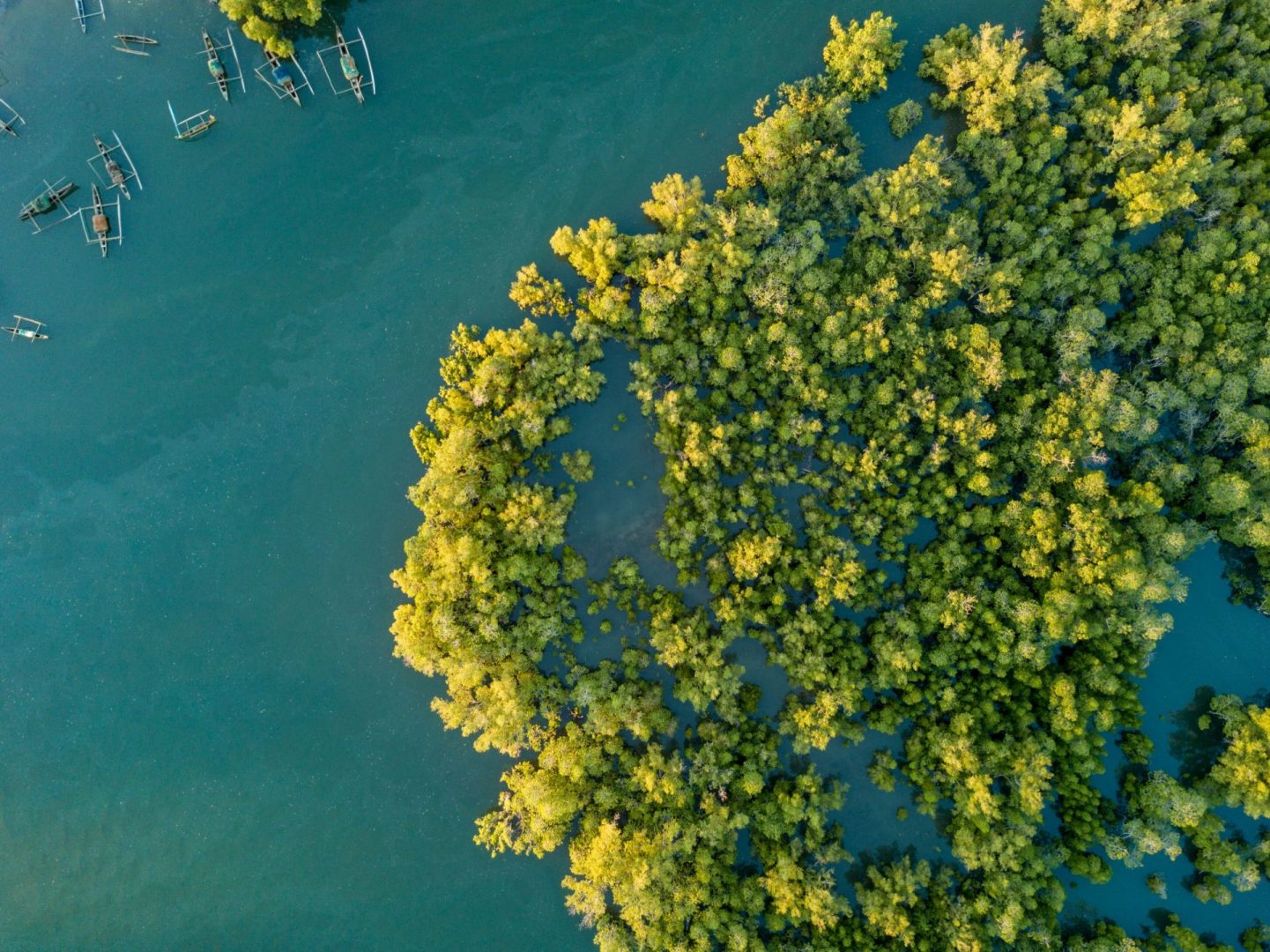
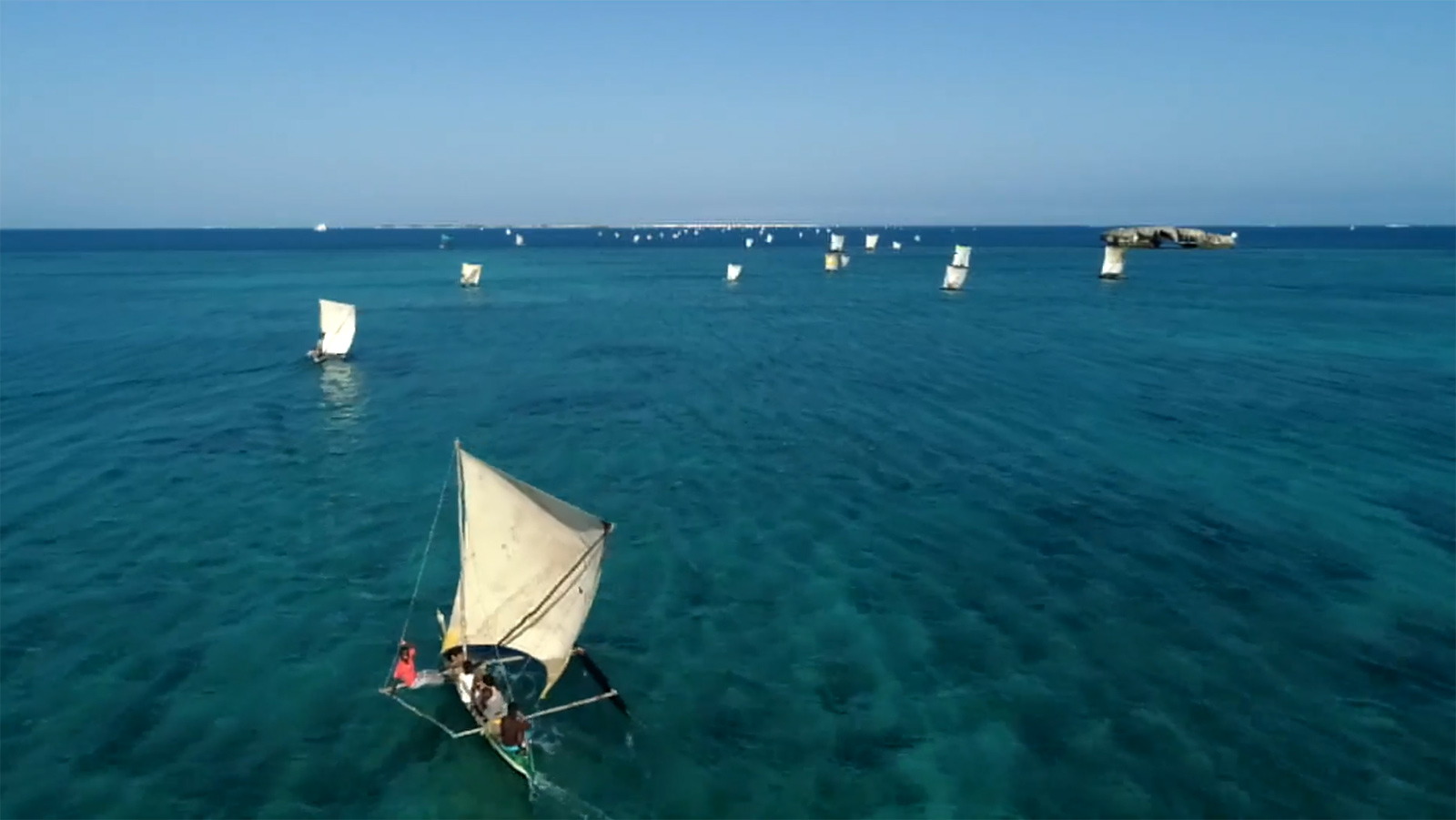
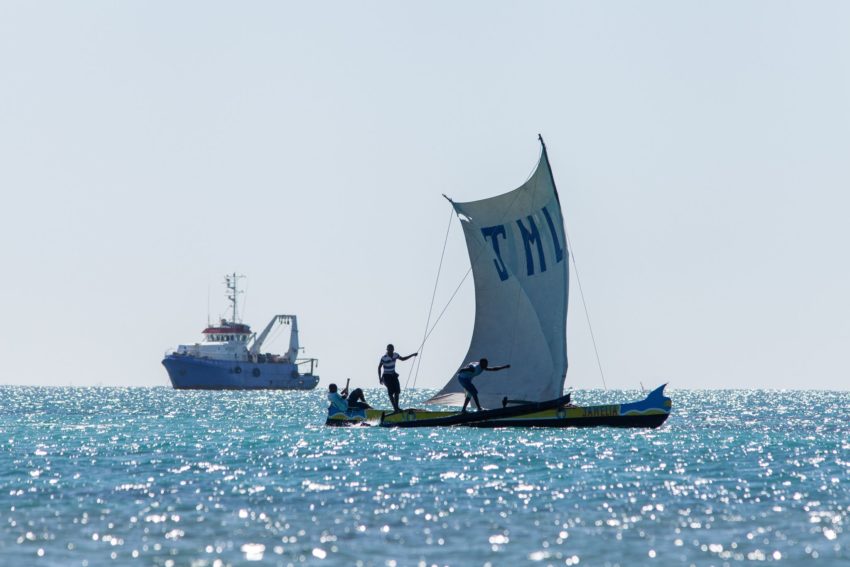
In Jomvu Kuu, a fisher community in Kenya, fishers are using catch data to understand what is happening in their fishery and shape what happens next.
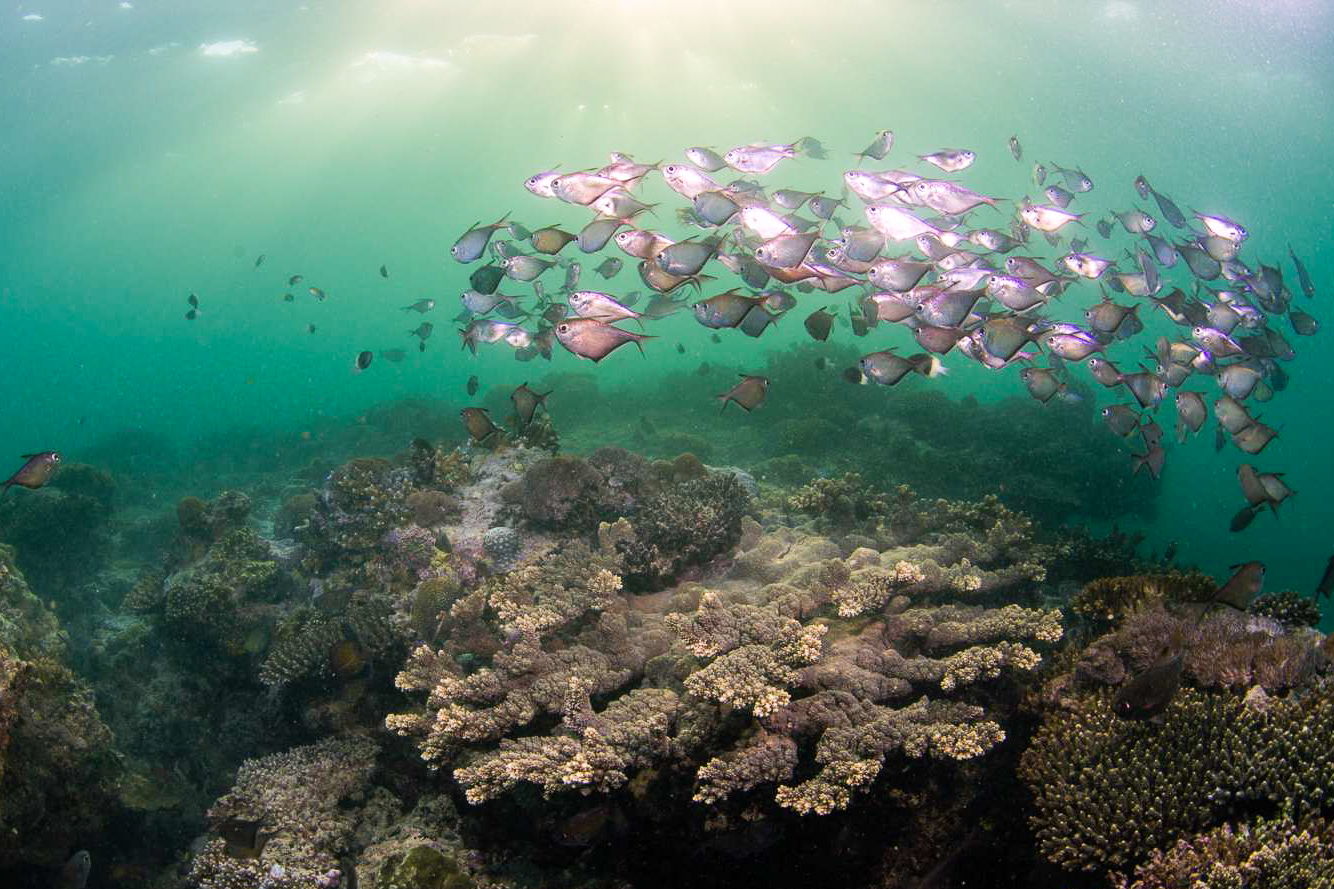
Across Africa, declining fish stocks are already affecting fisher communities that depend on healthy fisheries. Fishing pressure and unsustainable fishing practices are contributing to these declines, threatening incomes and food security. In East Africa, studies show an estimated 70% of the region’s coral reefs have been fished below a sustainable level.
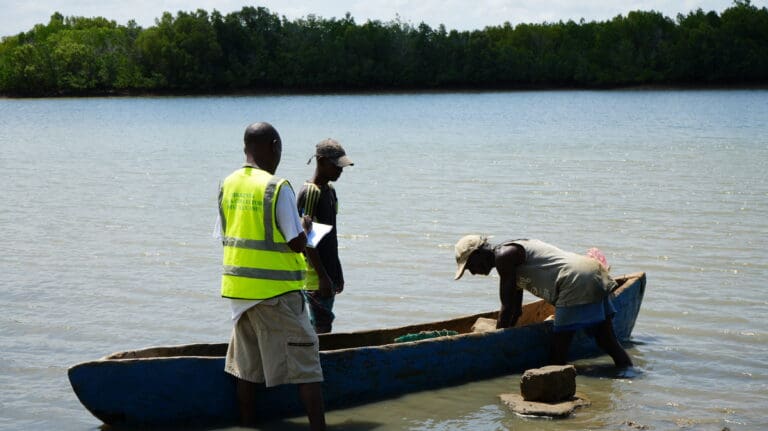
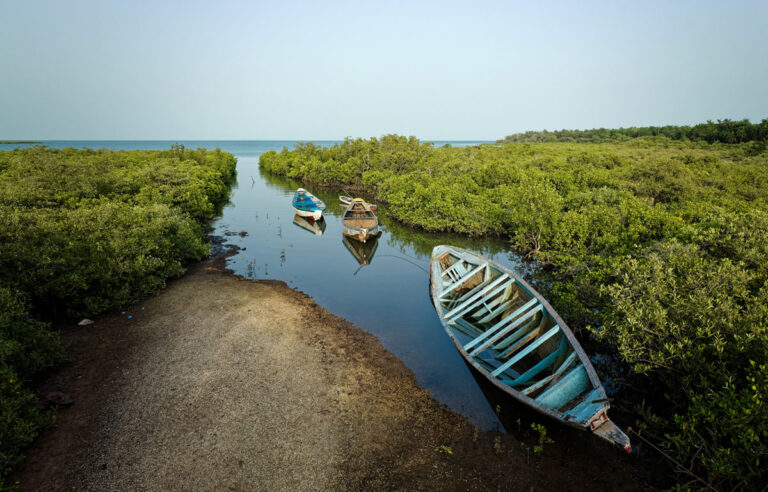
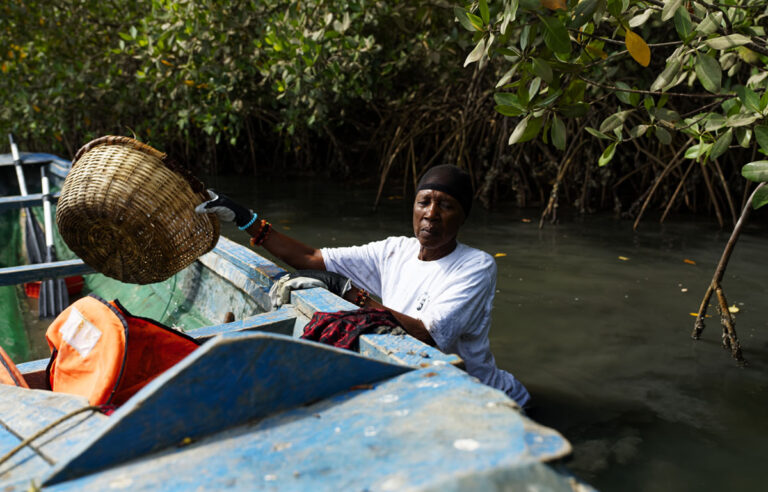
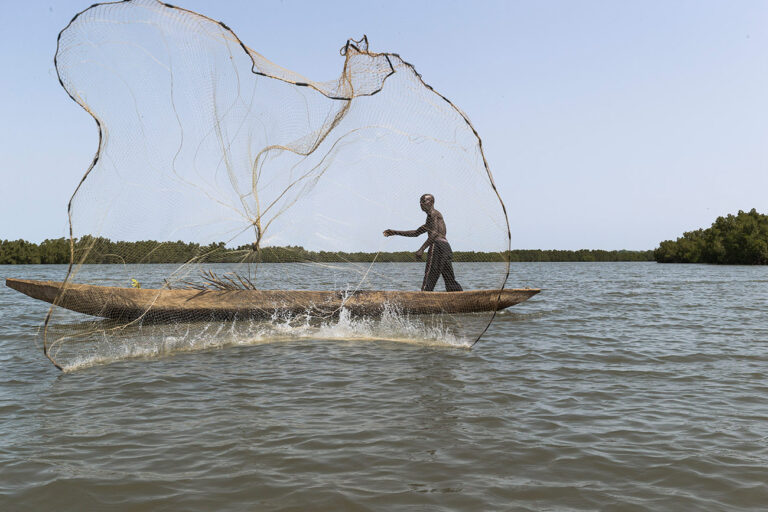
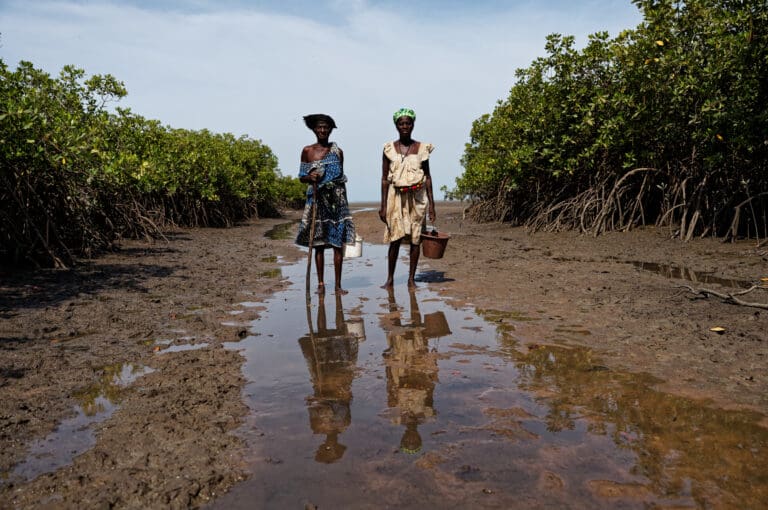
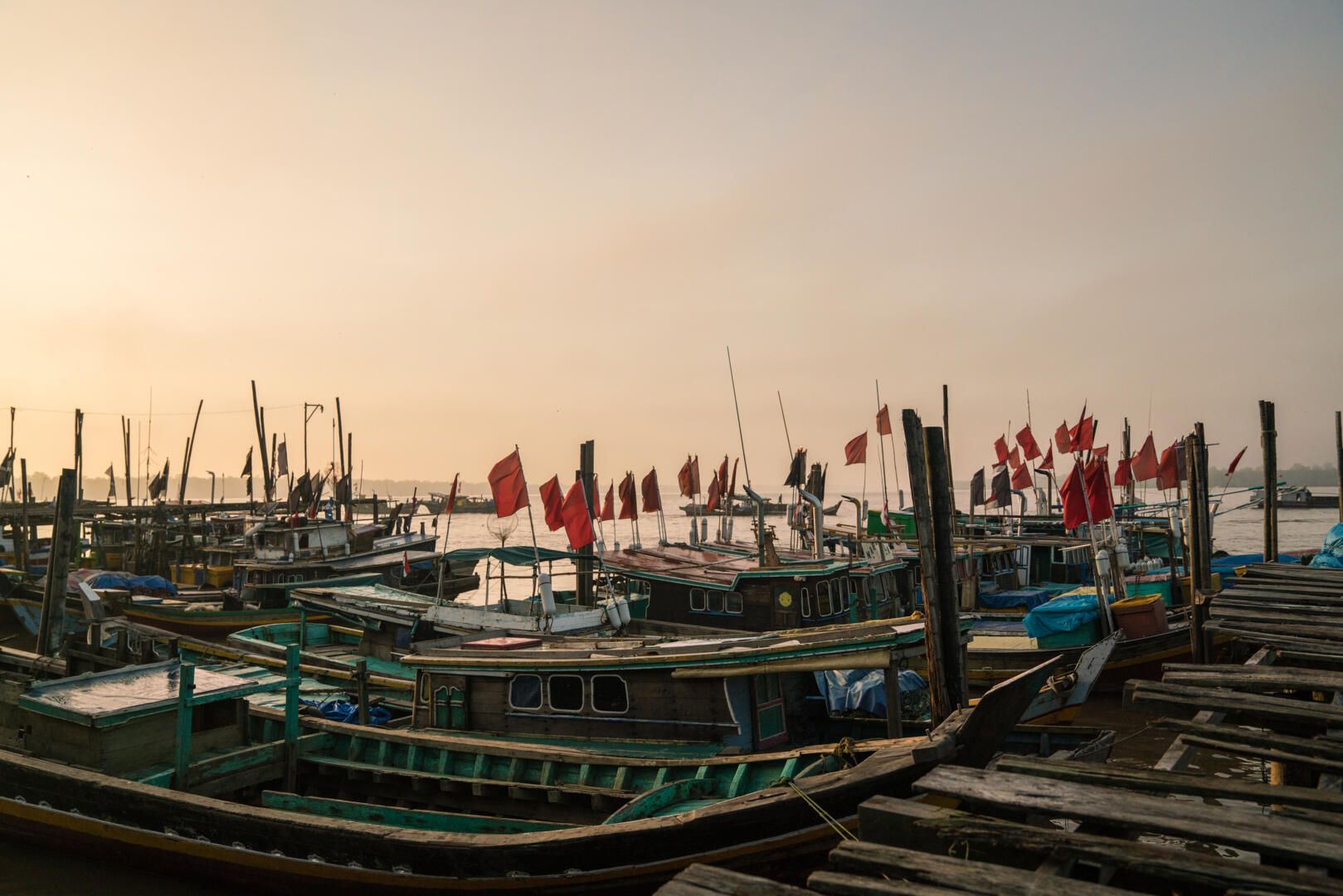
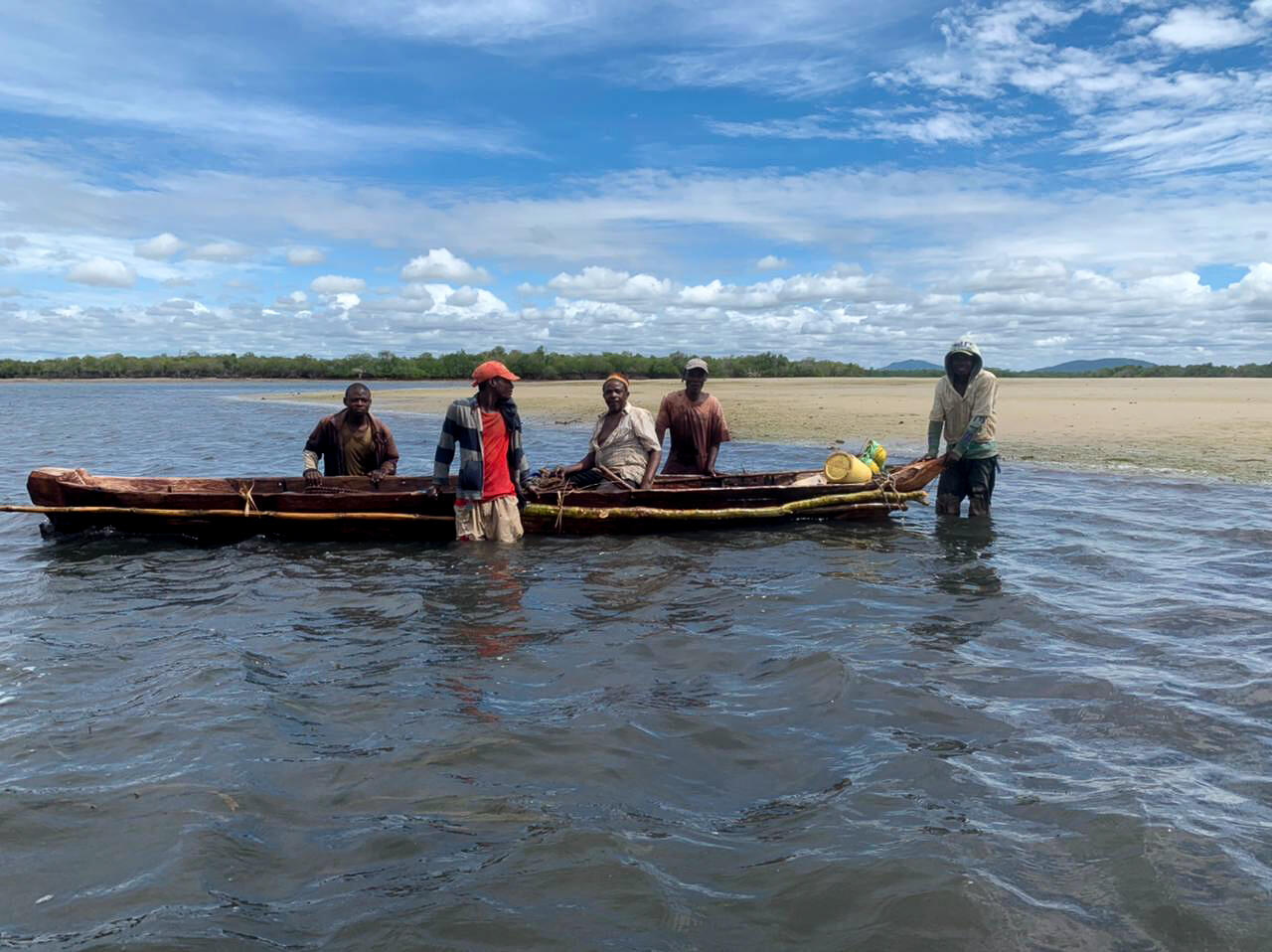
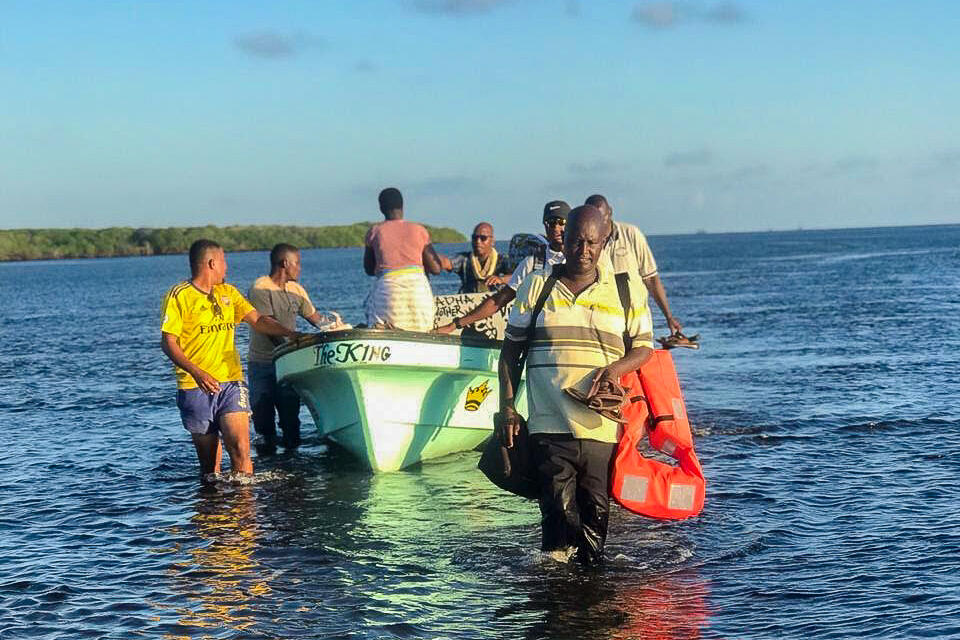
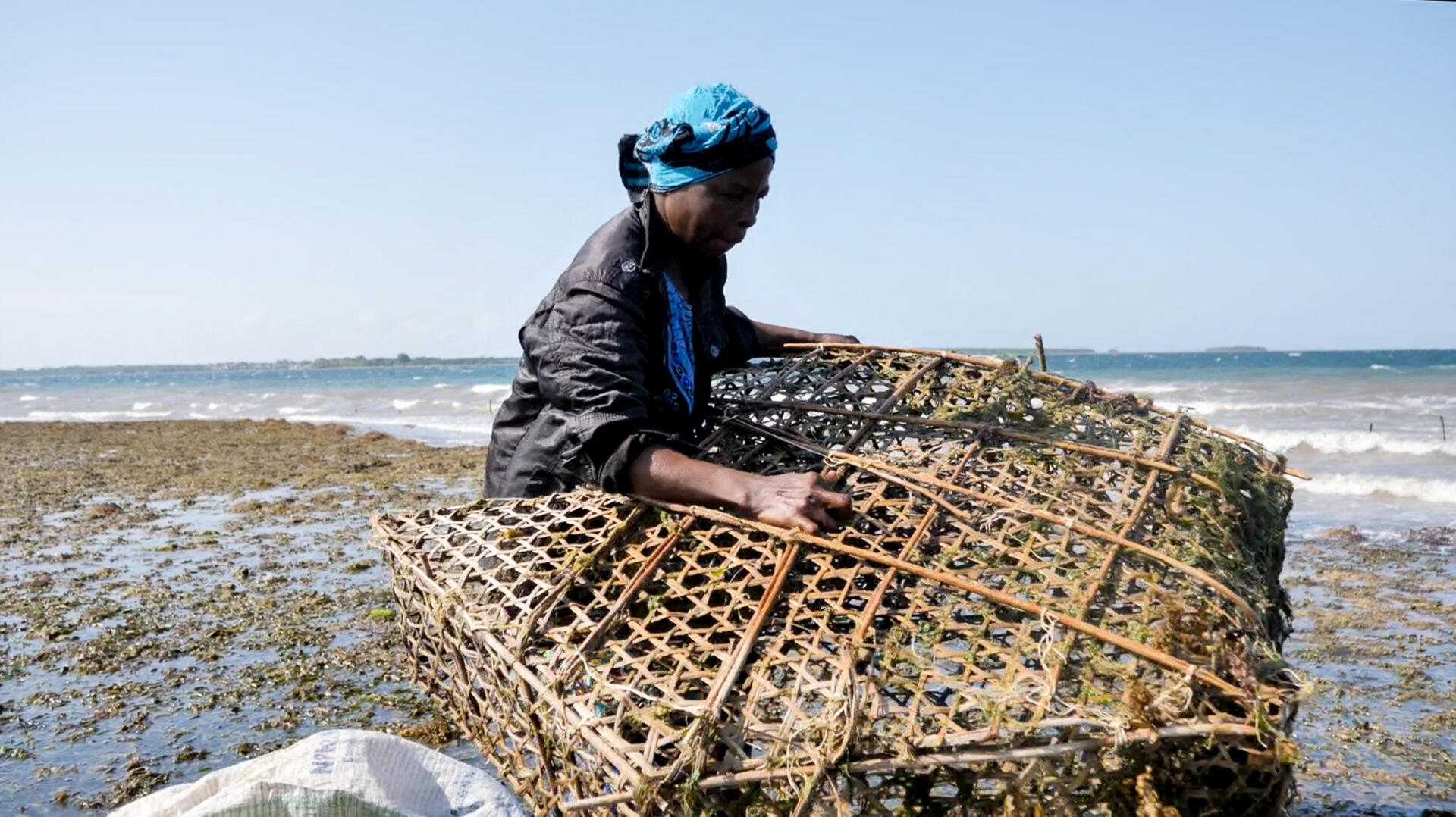
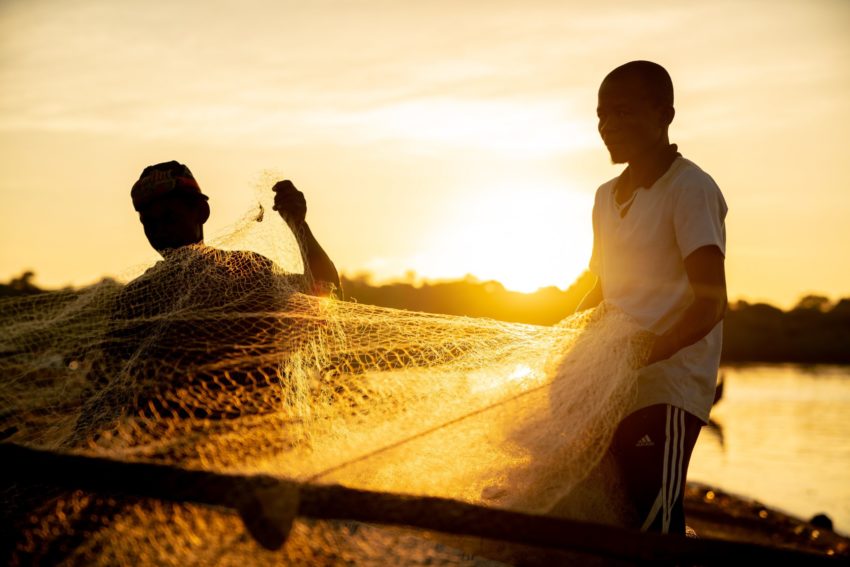
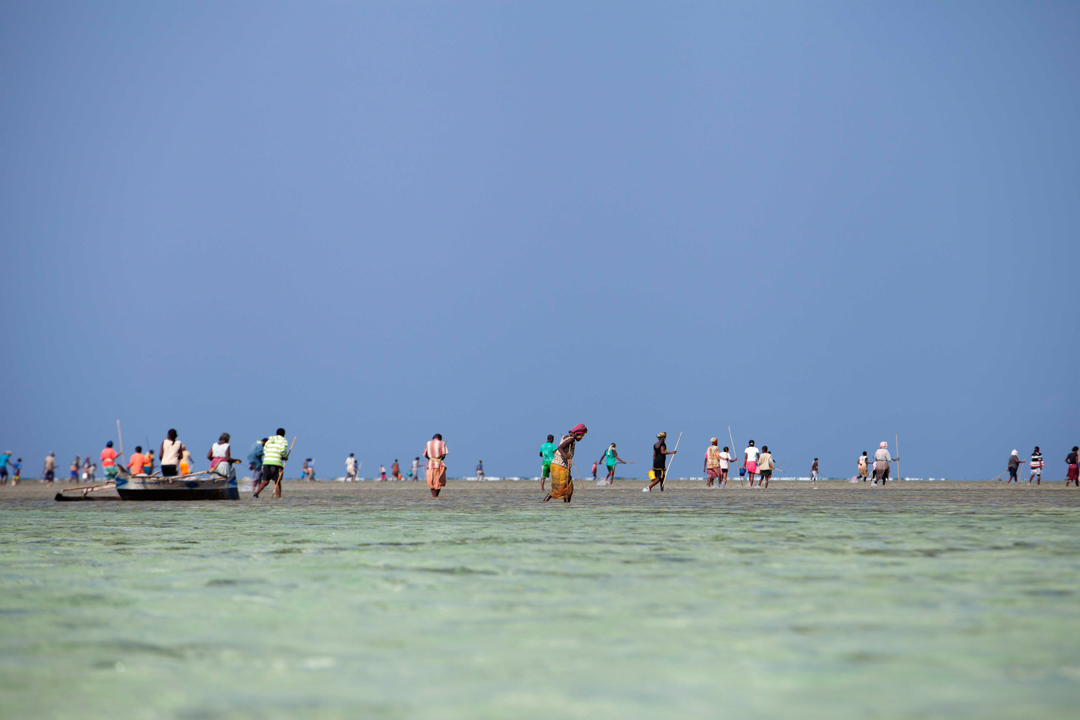
In Jomvu Kuu, a fisher community in Kenya’s port city of Mombasa, life is closely tied to fishing. The community includes small-scale fishers who harvest prawns, crabs and finfish, as well as fish traders and processors who depend on the daily catch for their livelihoods. Other businesses, including boat builders and net repairers, also support the local fishing economy. For many households, fishing is an important source of income and food.
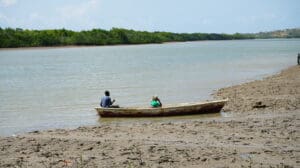
“While everyone in this community is not a fisher, in many homes, one fisher often supports a family of seven or more people,” said Stephen Oluoch, a programme manager from Blue Ventures’ local partner, Community Integrated Development Initiative, Kenya (CIDI).
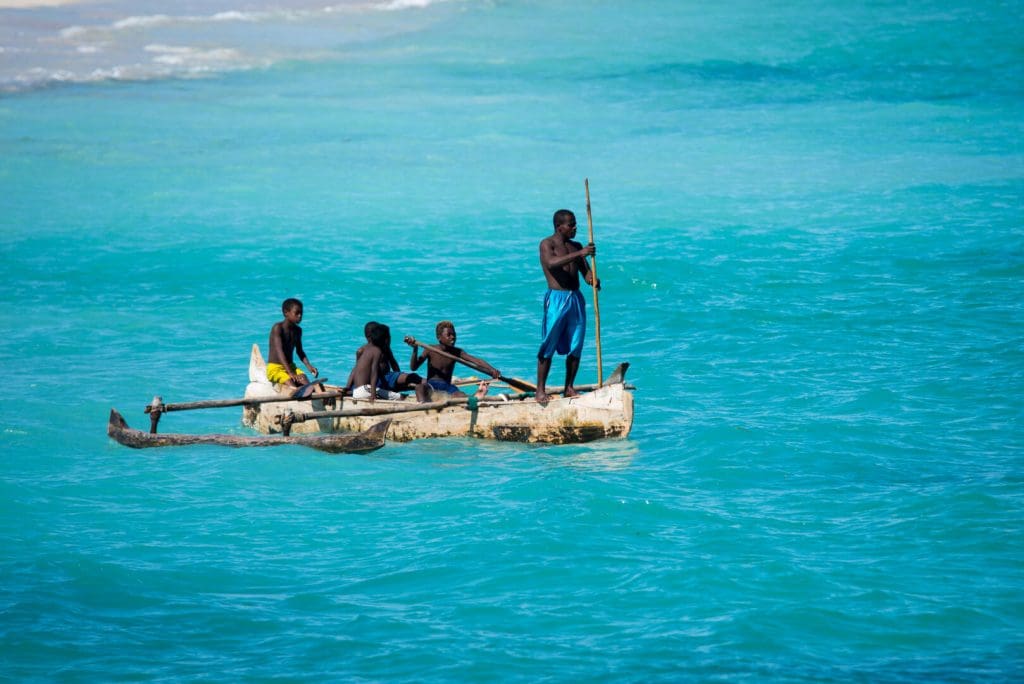
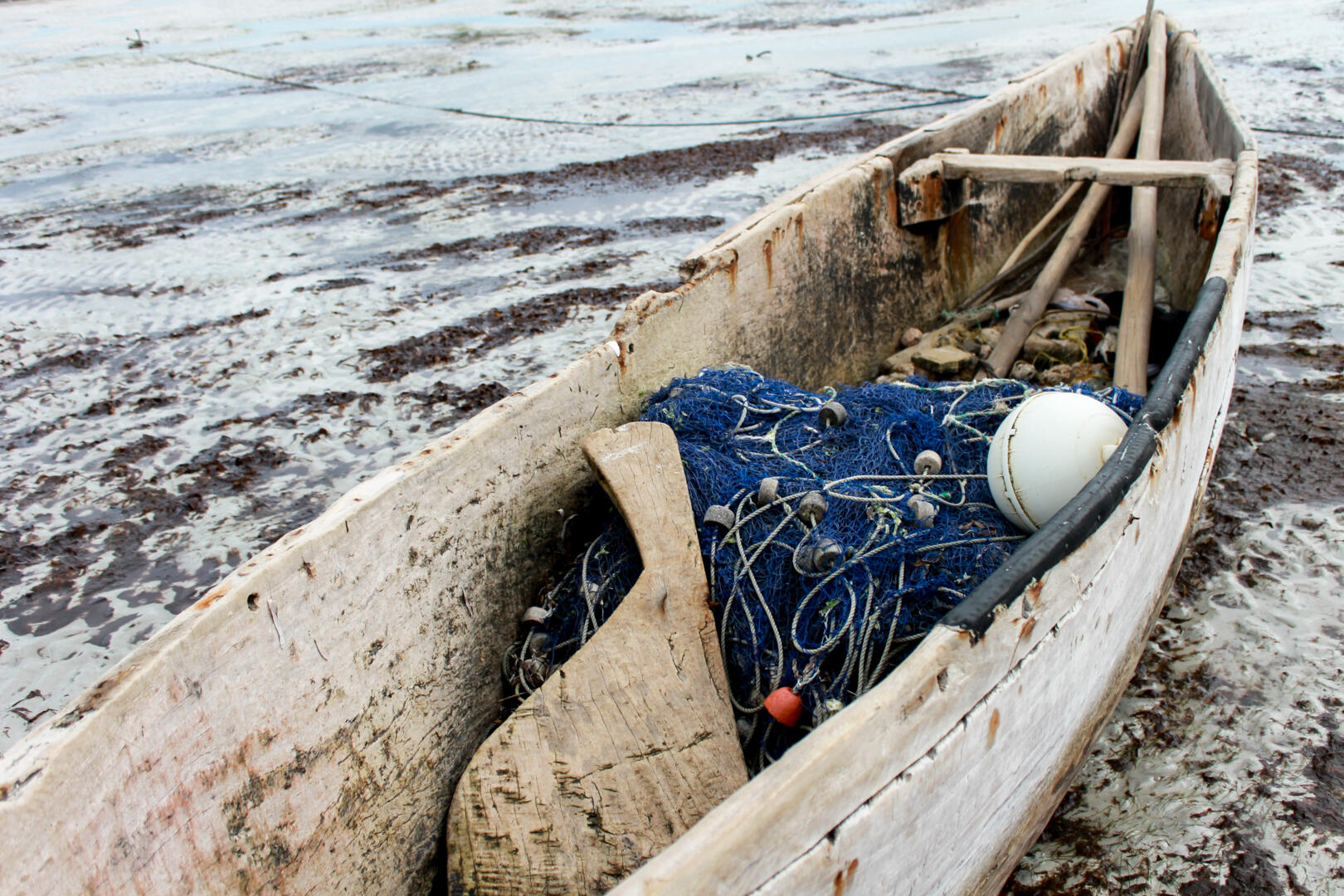
The Jomvu Kuu fishery is located on a channel and is known for its variety of prawns, including white, tiger, jumbo and queen prawns. However, years of fishing in the same inshore waters, alongside unsustainable fishing practices, are putting pressure on the fishery, with fishers reporting declines in both the abundance and size of their catch.
“This is where we all go to fish every day, as our fishing gear is not sophisticated enough to venture into the open ocean,” said Msoma Kombo, a prawn fisherman.
Reflecting on the changes he has witnessed, Samuel Kairu, a fish trader, said, “Five years ago I used to take between 30 kilos to 100 kilos of shrimp to the market in a day. These days, the highest I take is between 5 kilos to 10 kilos.”
The decline in catches has affected community members’ incomes and points to wider changes in the fishery.
“We are now catching fish that cannot be sold in the market or eaten at home,” Kairu explained. “They are too small.”
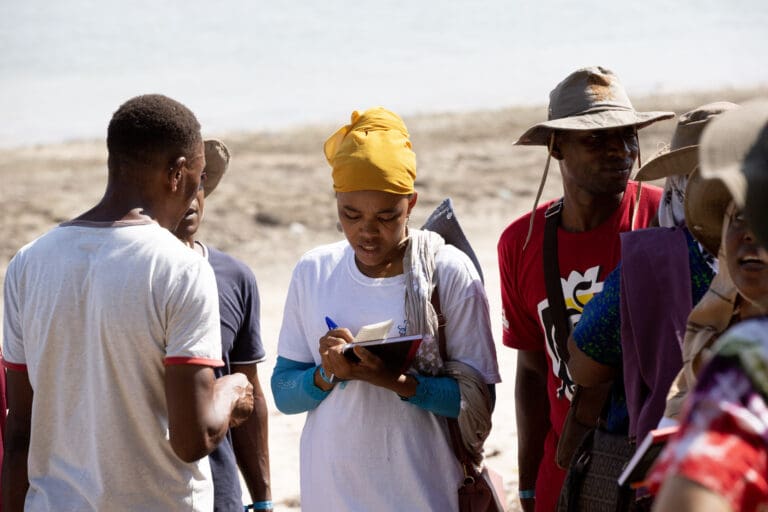
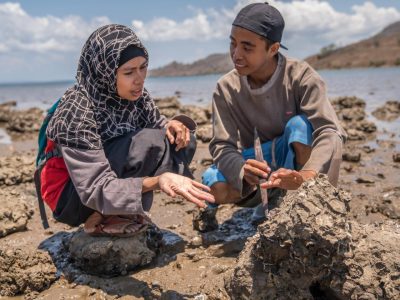
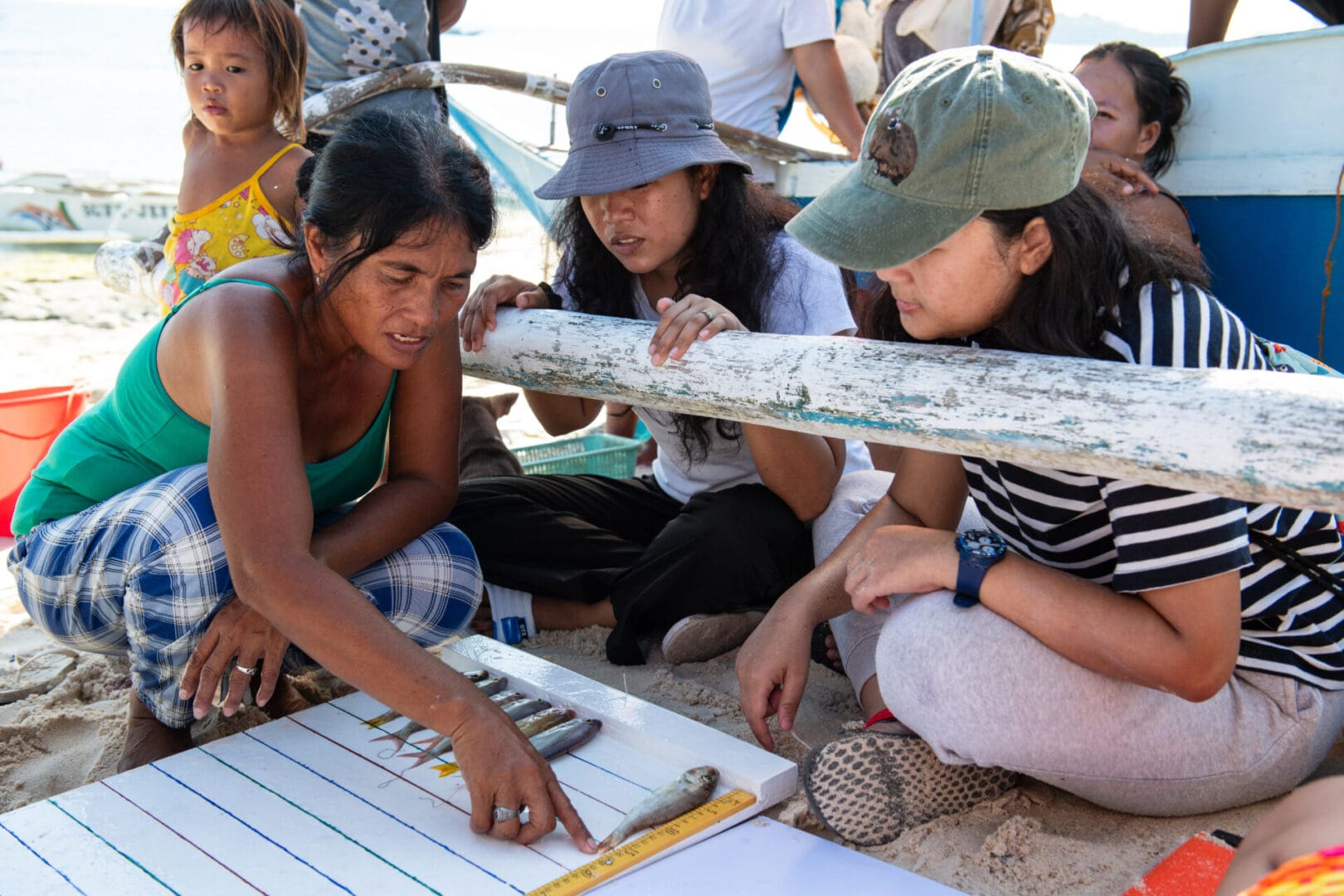
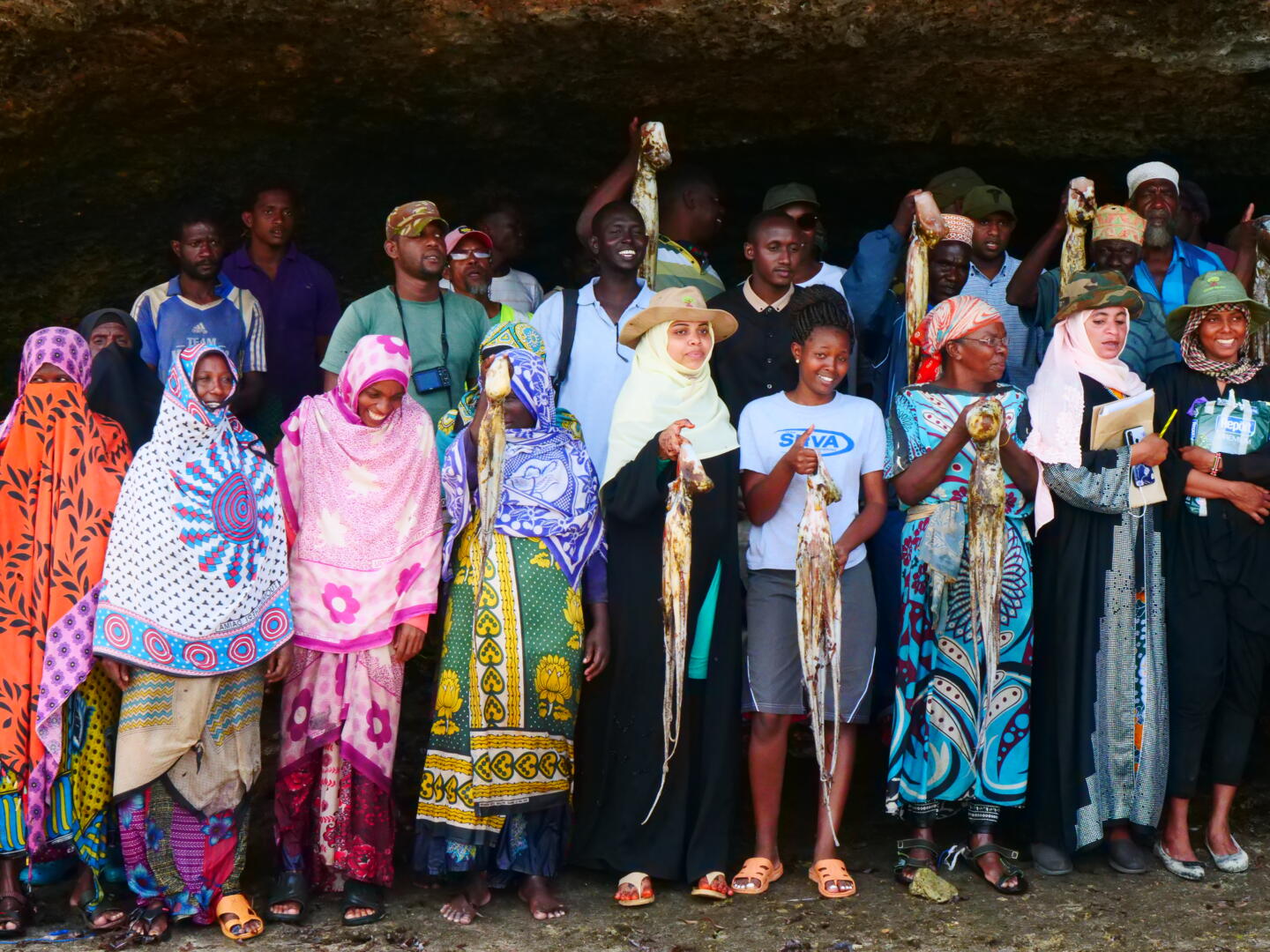
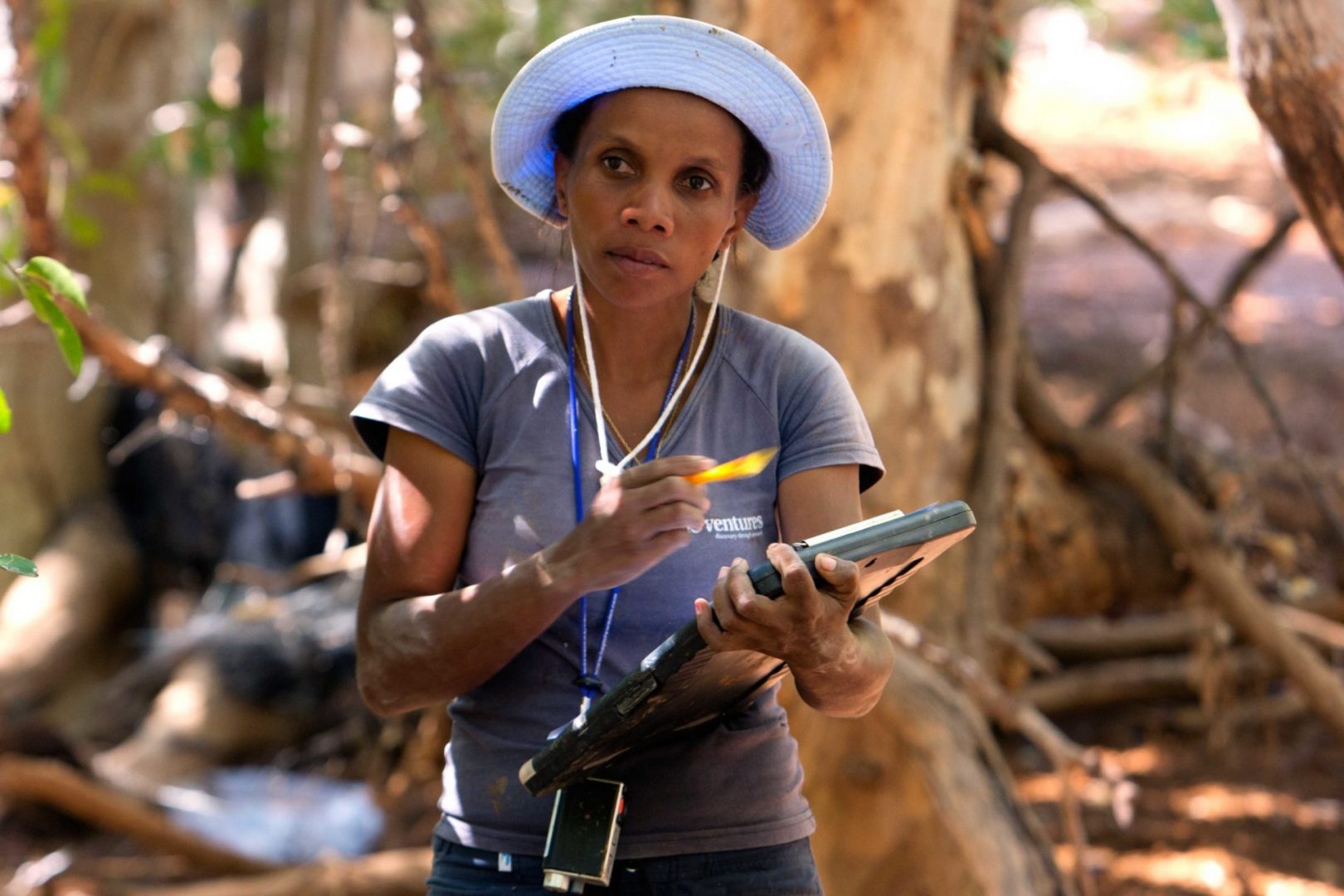
Towards the end of last year, the Jomvu Kuu Beach Management Unit (BMU) began working with CIDI to strengthen fisheries management through community-led catch monitoring. After three months of catch data collection, spanning from January to March 2026, the community convened a feedback meeting to review and validate the findings.
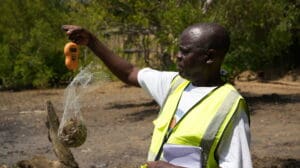
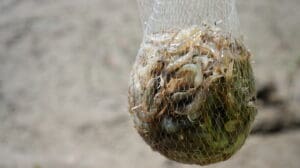
The data revealed a high proportion of juvenile fish in the catch, prompting discussion within the community about management measures to improve the fishery.
“From the collected catch data, we realised we may be destroying our own fishery,” said Tima Mwinyi, one of the BMU’s data collectors.
The findings also showed that, although many fishers use legal fishing gear, some continue to use illegal and destructive fishing methods, including mosquito nets and beach seines. Recognising the potential long-term impact on their resources and livelihoods, the community organised a follow-up meeting to discuss potential fisheries management strategies.
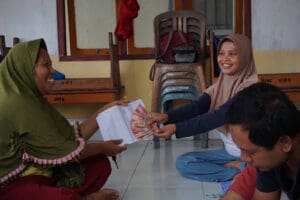
“Catch data collection has happened before in our BMU. However, we have never had the data brought back to us. This exercise has shown us how our activities are affecting the fish stock,” said Hamisi Kahindi, the BMU chairperson.
Using the evidence collected, BMU members identified several priority actions. These included promoting the use of sustainable fishing gear that targets mature fish, discouraging destructive methods such as mosquito nets, raising awareness among fishers about sustainable fishing practices, and exploring options such as seasonal fisheries closures or no-take zones to allow stocks to recover.
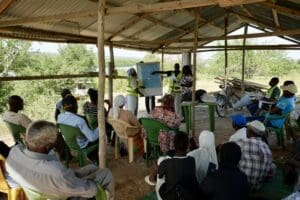
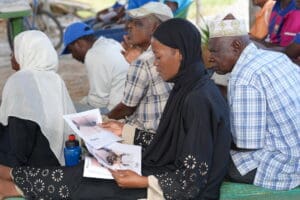
Any decision to introduce a fisheries closure would require extensive community dialogue, as well as consideration of alternative livelihood opportunities.
“We are taking advantage of experiences in neighbouring BMUs to inform effective community engagements and participation, not just within our BMU, but also with our neighbours should the community endorse a seasonal closure or no-take zones,” said Kahindi.
The BMU also recognised the need to strengthen its governance framework. Members proposed reviewing and updating outdated bylaws to address illegal fishing through measures such as regulating access by unregistered fishers, strengthening enforcement, and introducing clear leadership term limits to facilitate regular elections and improve accountability.
With access to the data and an active role in collecting and reviewing it, community members are now turning what they have learned into ideas for improving their fishery.
“When communities understand the data, they are better positioned to identify solutions that will help restore their marine ecosystem and improve future catches,” said Oluoch.
For Jomvu Kuu, this is only the beginning. Over the coming months, the community will undertake participatory mapping to identify fishing grounds and potential areas for fisheries closures or no-take zones, conduct sensitisation meetings to promote sustainable fishing practices, engage community members and neighbouring BMUs in dialogue to build consensus around fisheries closures, and explore gear exchange programmes to phase out destructive fishing methods.
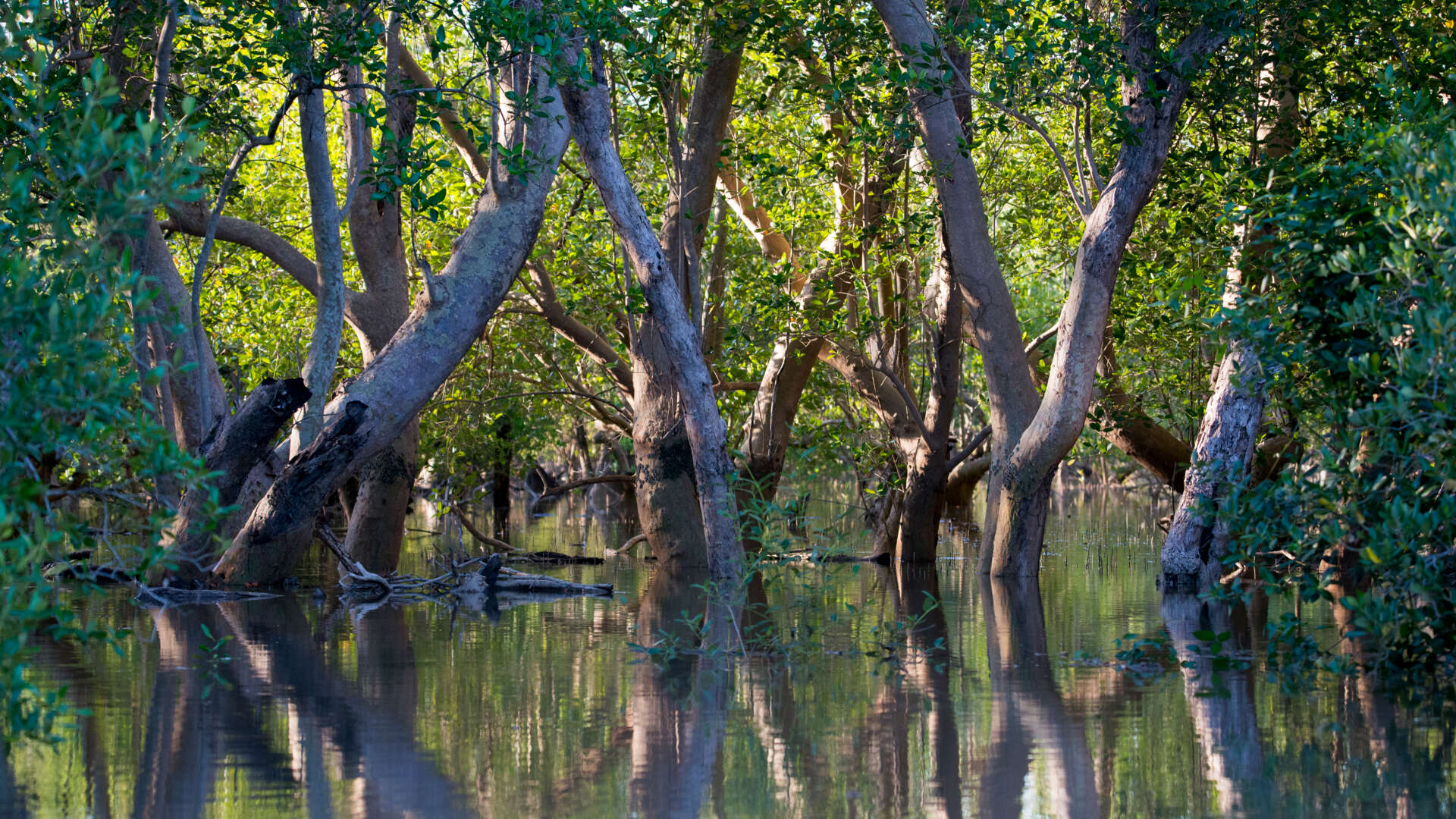
By acting on evidence, the Jomvu Kuu BMU is laying the foundation for healthier fisheries, improved livelihoods and more resilient coastal environments for both people and the ocean.