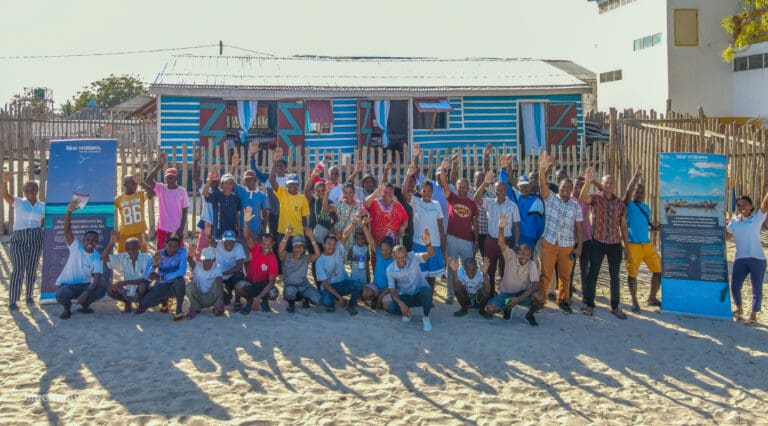
Fisher communities in Belo sur Mer have secured management rights over a vast stretch of Madagascar’s west coast after years of organising and advocacy, marking an important step for locally led fisheries management.
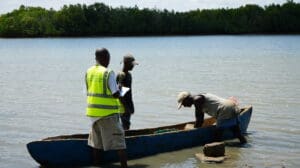
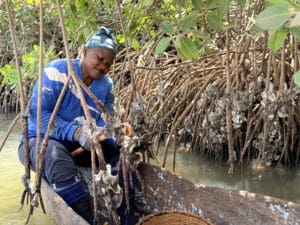
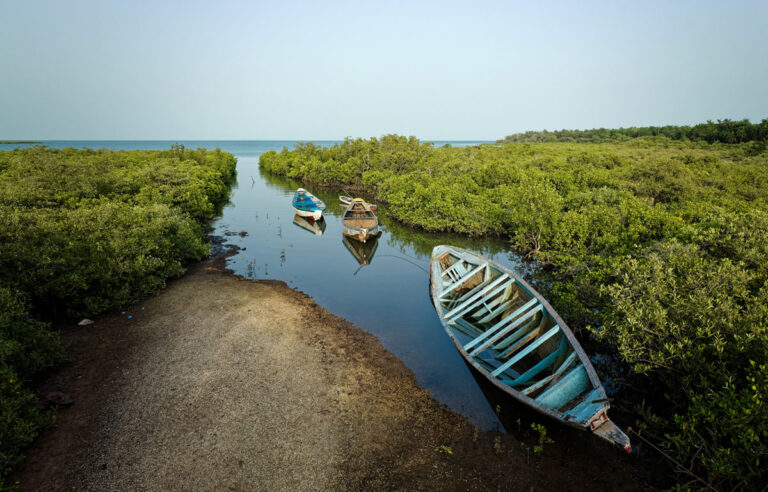
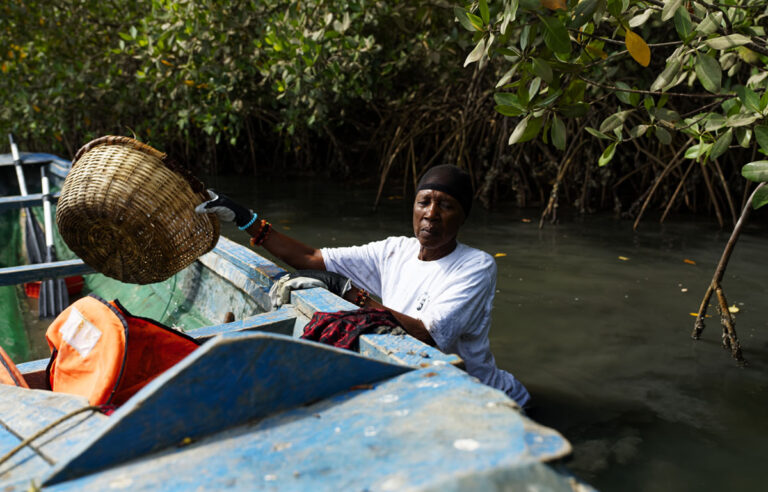
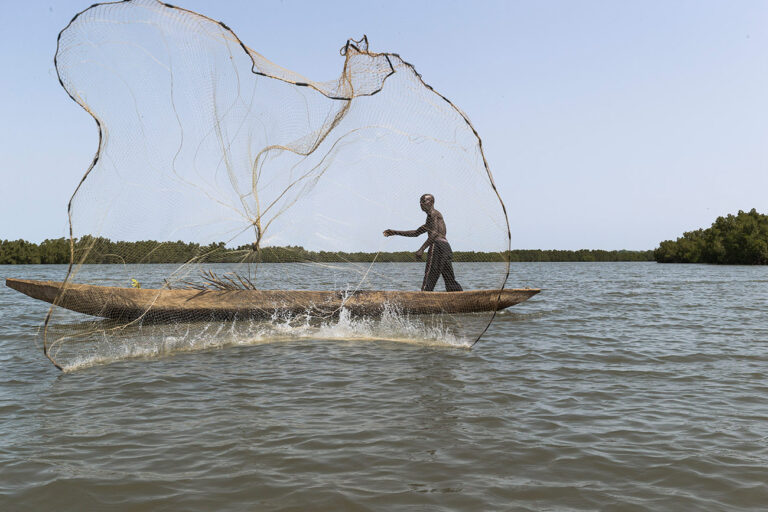
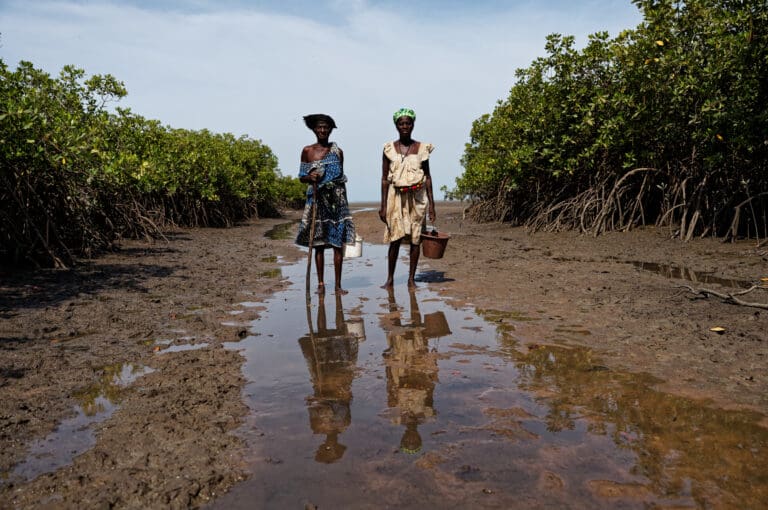
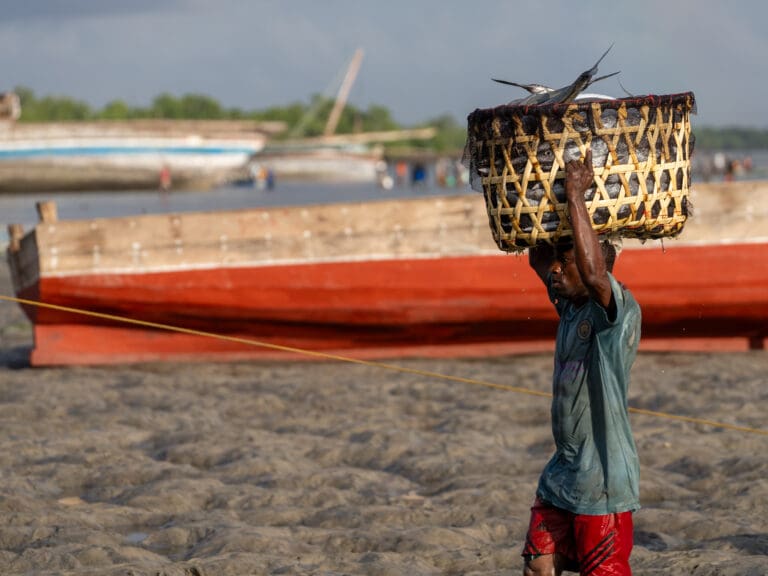
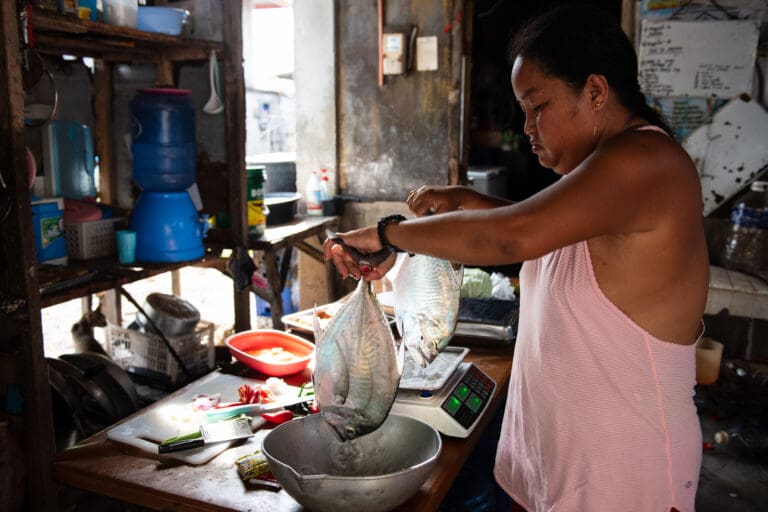
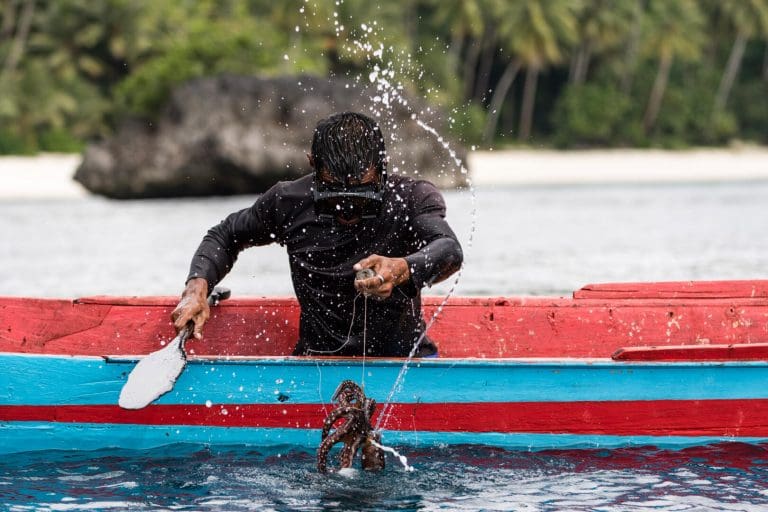
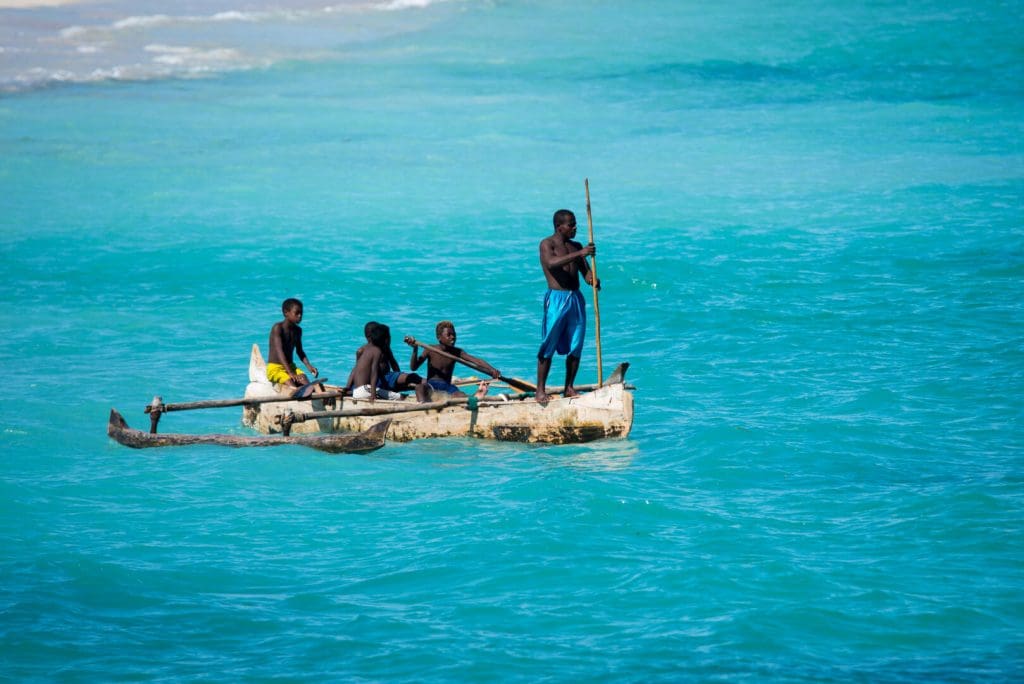
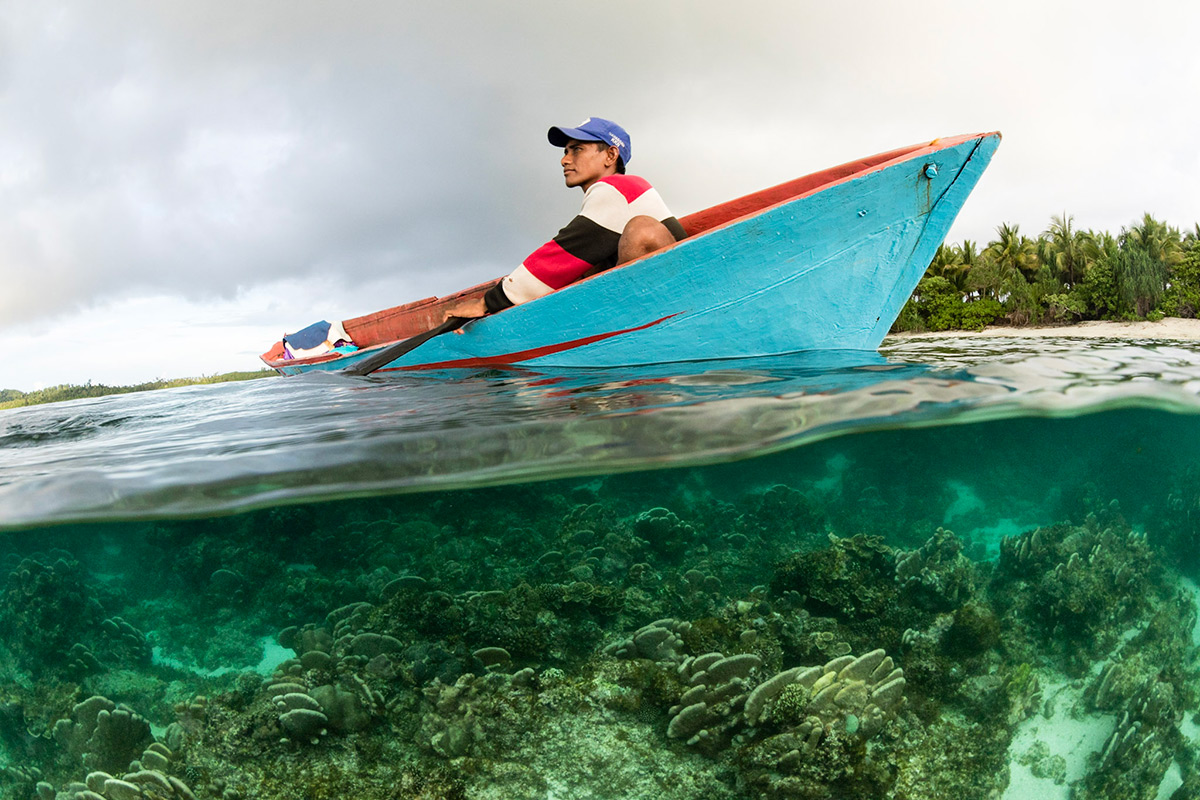
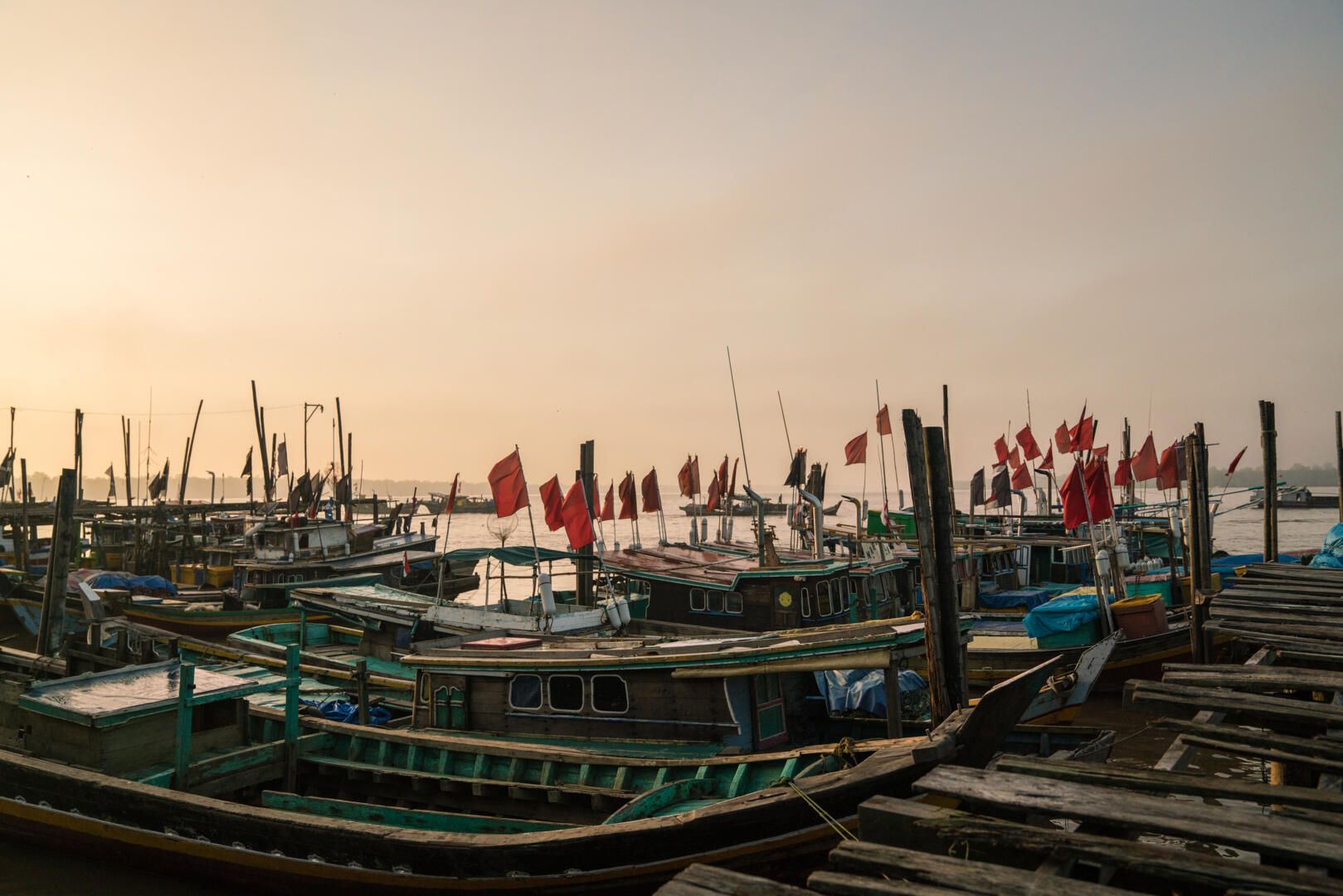
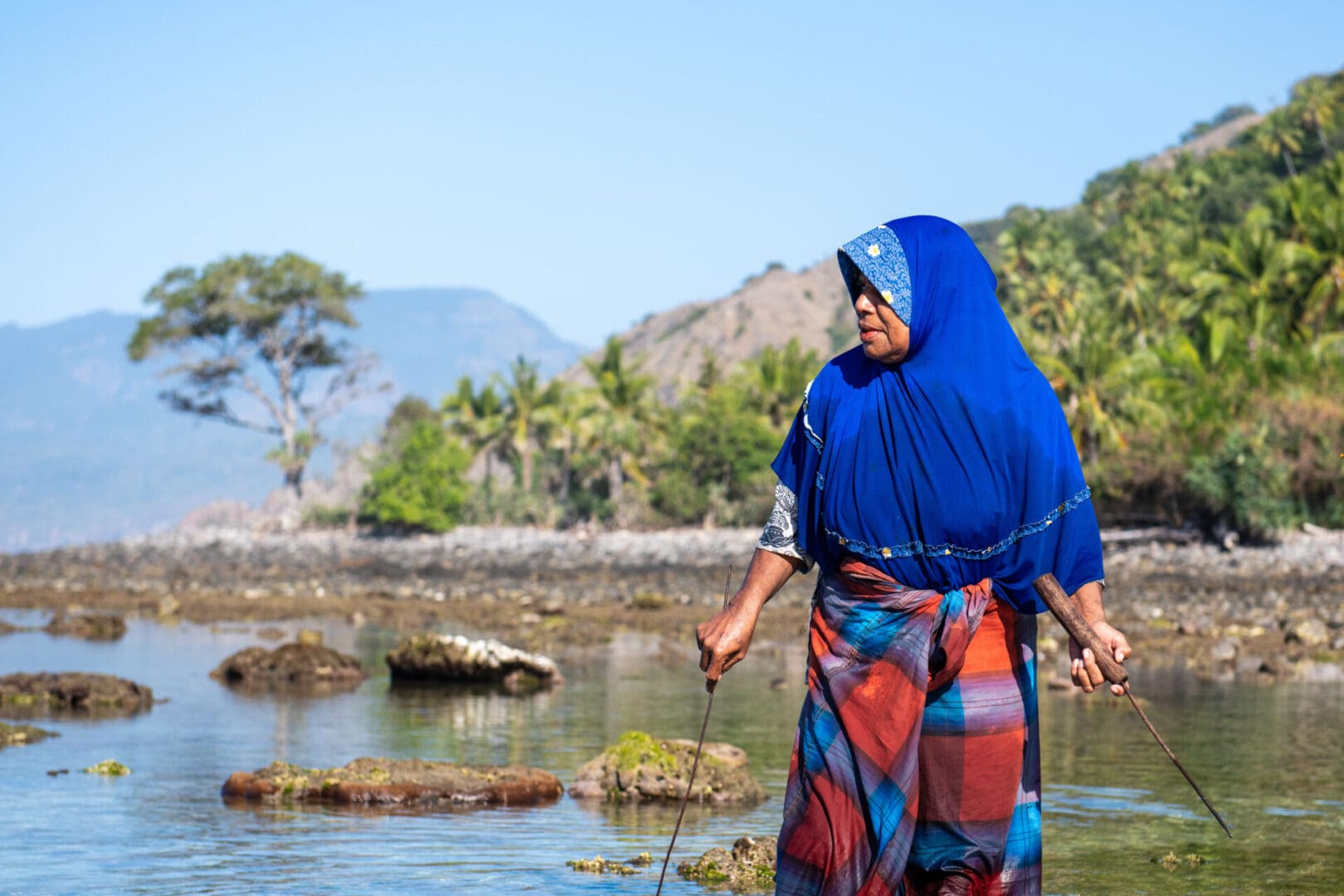
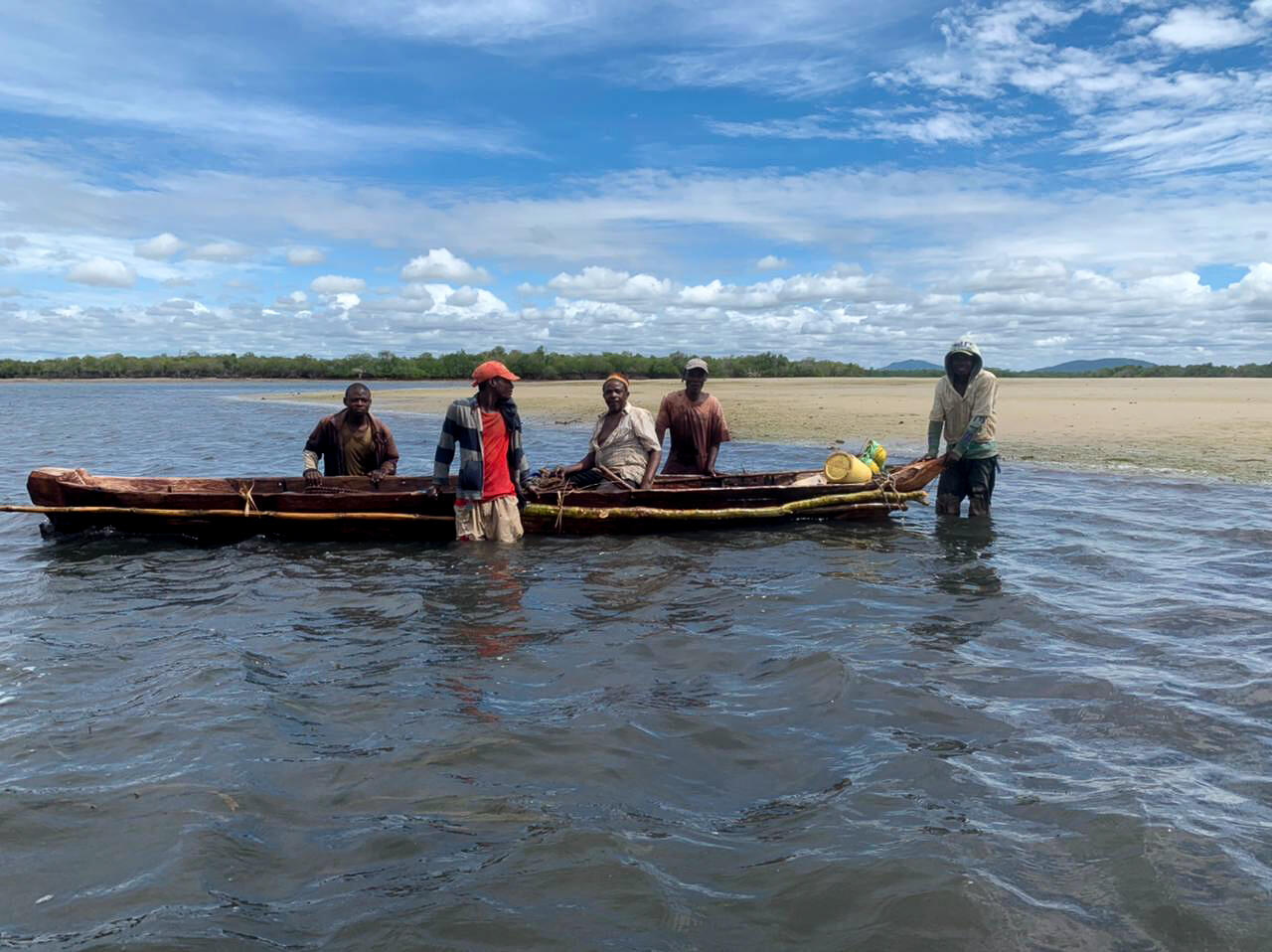
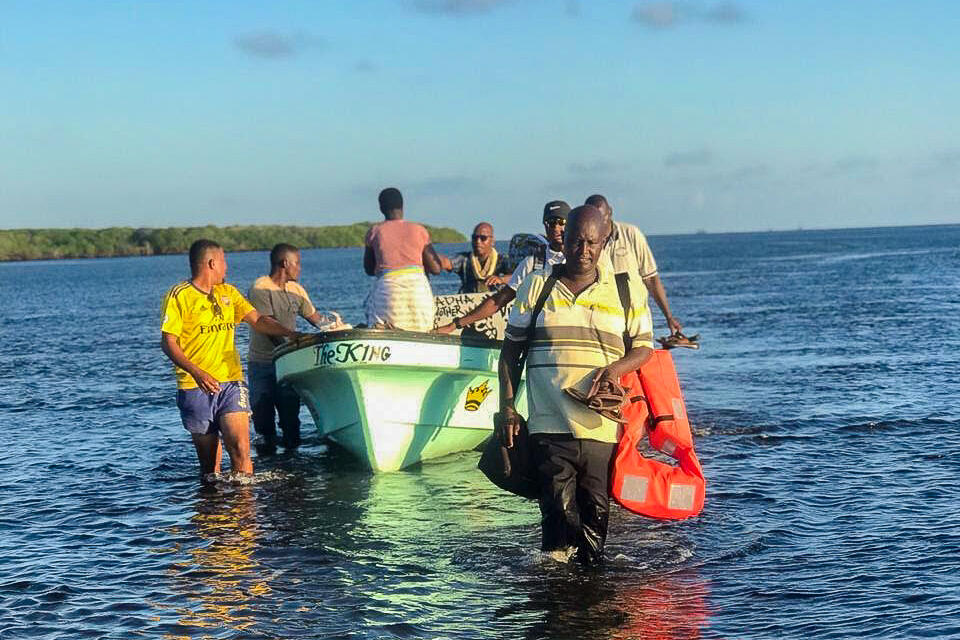
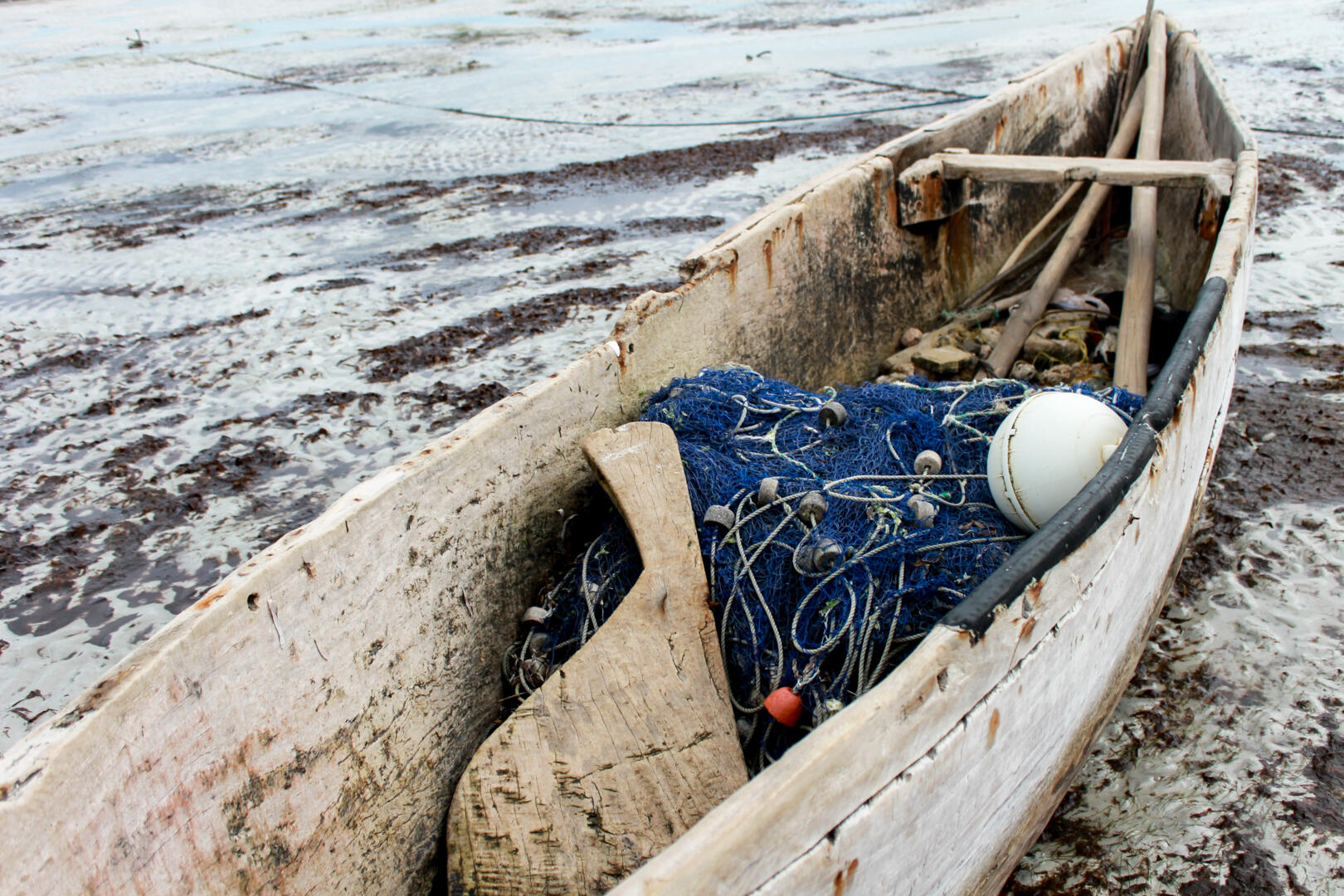
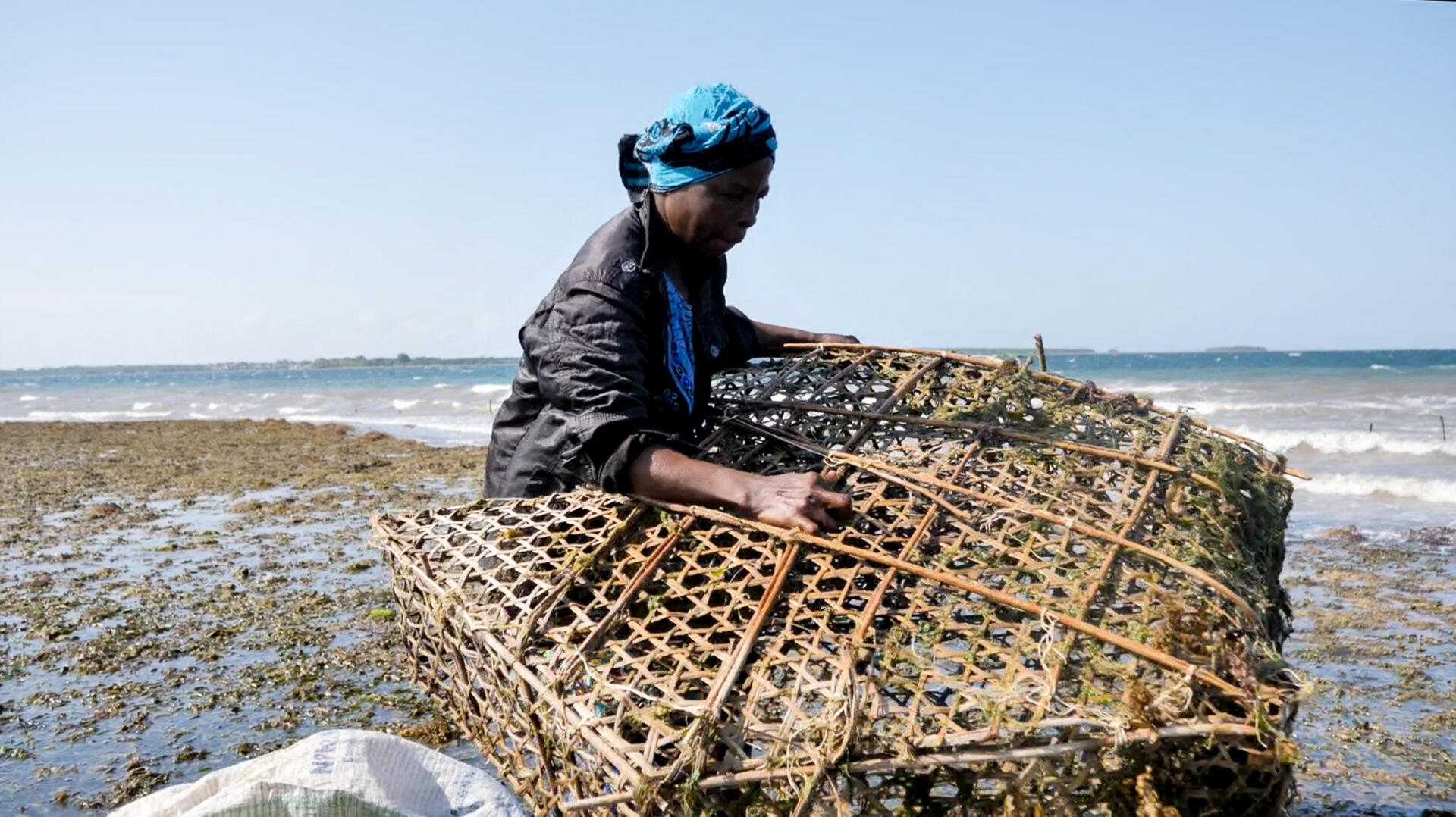
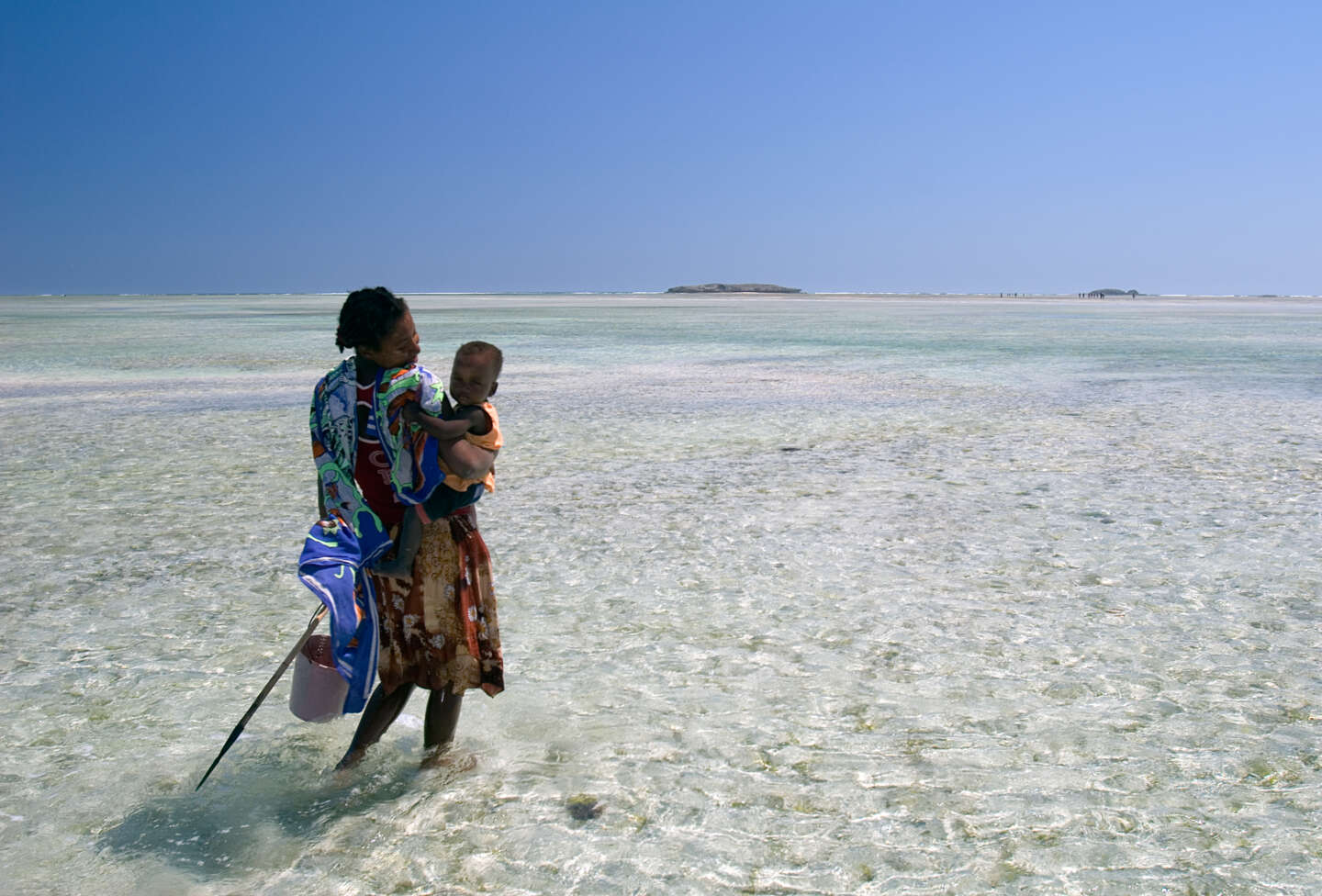
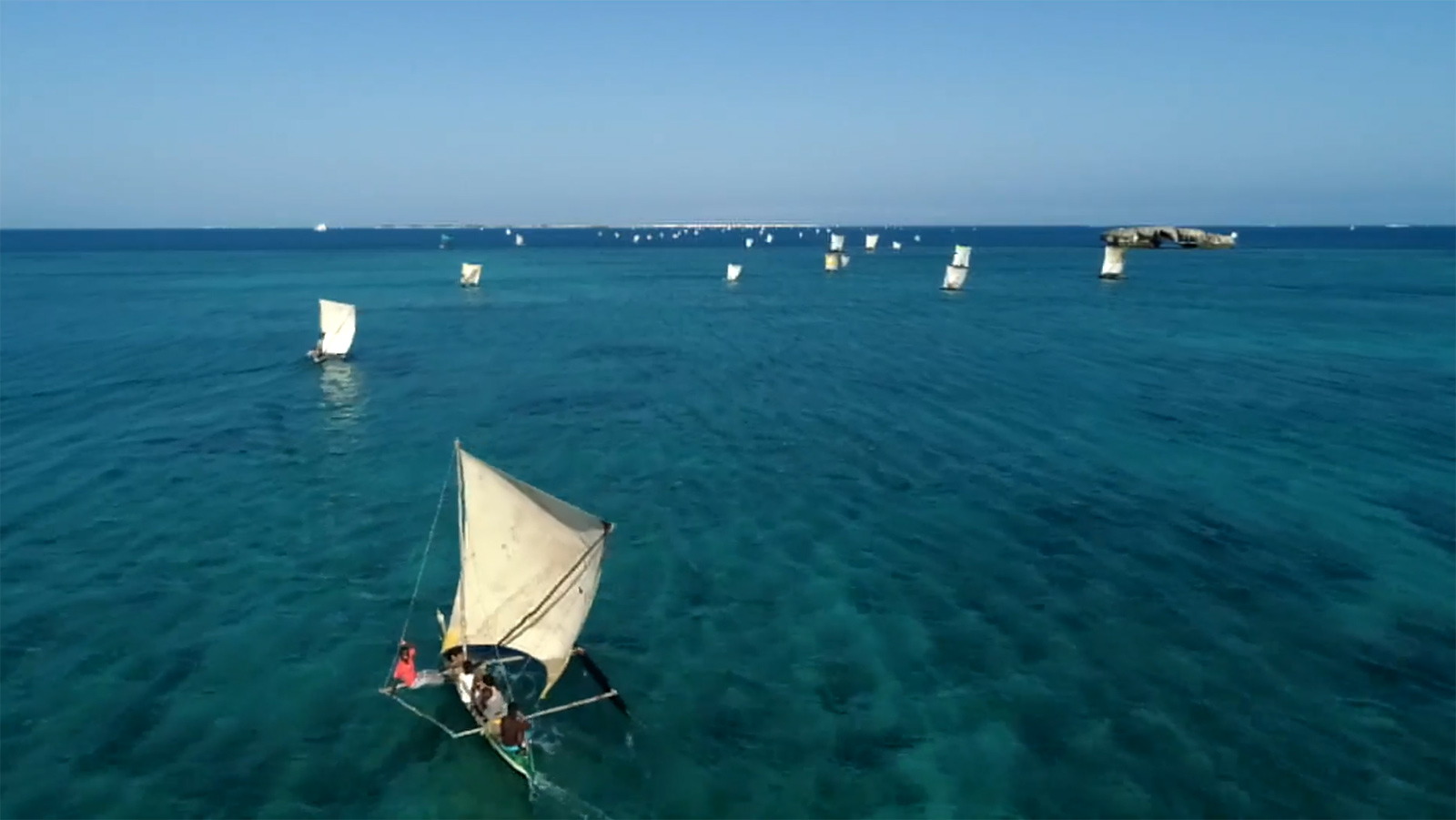
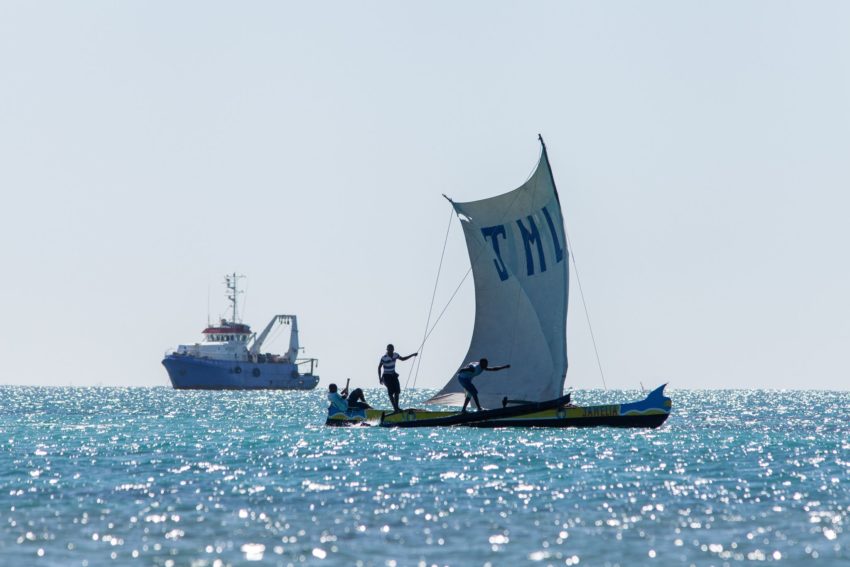
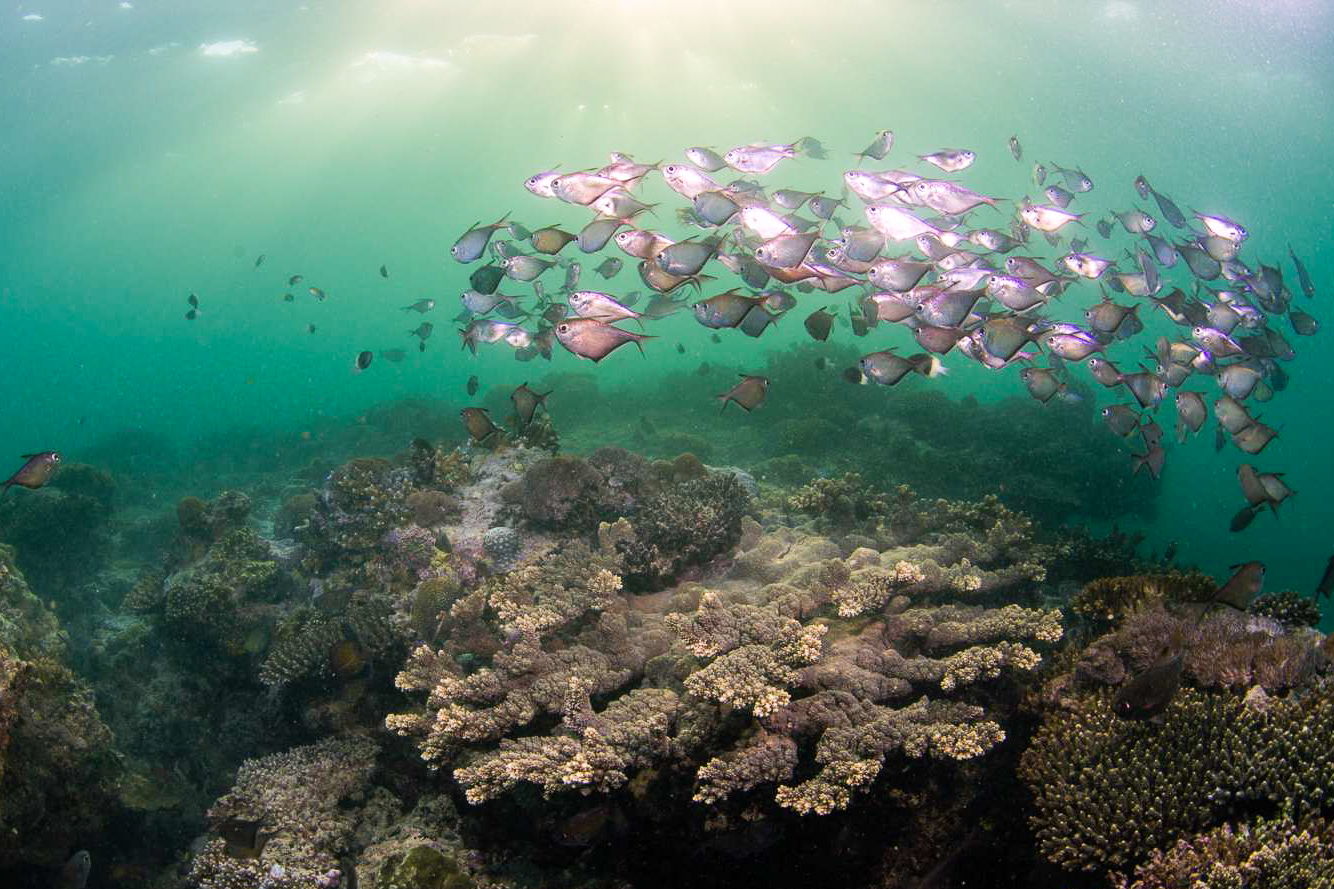
Along Madagascar’s west coast, fishers from Belo sur Mer travel daily through mangrove channels and across open waters in search of finfish and crab. For thousands of families here, the sea provides food, income and a way of life passed from one generation to the next.
Now, after years of organising, advocacy and collaboration, the communities have secured a milestone that many once thought was out of reach.
On 29 May 2026, Madagascar’s Ministry of Fisheries and Blue Economy officially transferred the management of 227,300 hectares of coastal and marine resources to the Vezo Miray Fo (VeMFo) fisher union for an initial renewable two-year term.
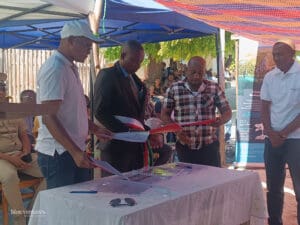
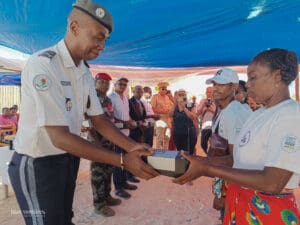
For the communities that depend on these waters, the transfer brings formal recognition of their role in managing the resources that support their livelihoods.
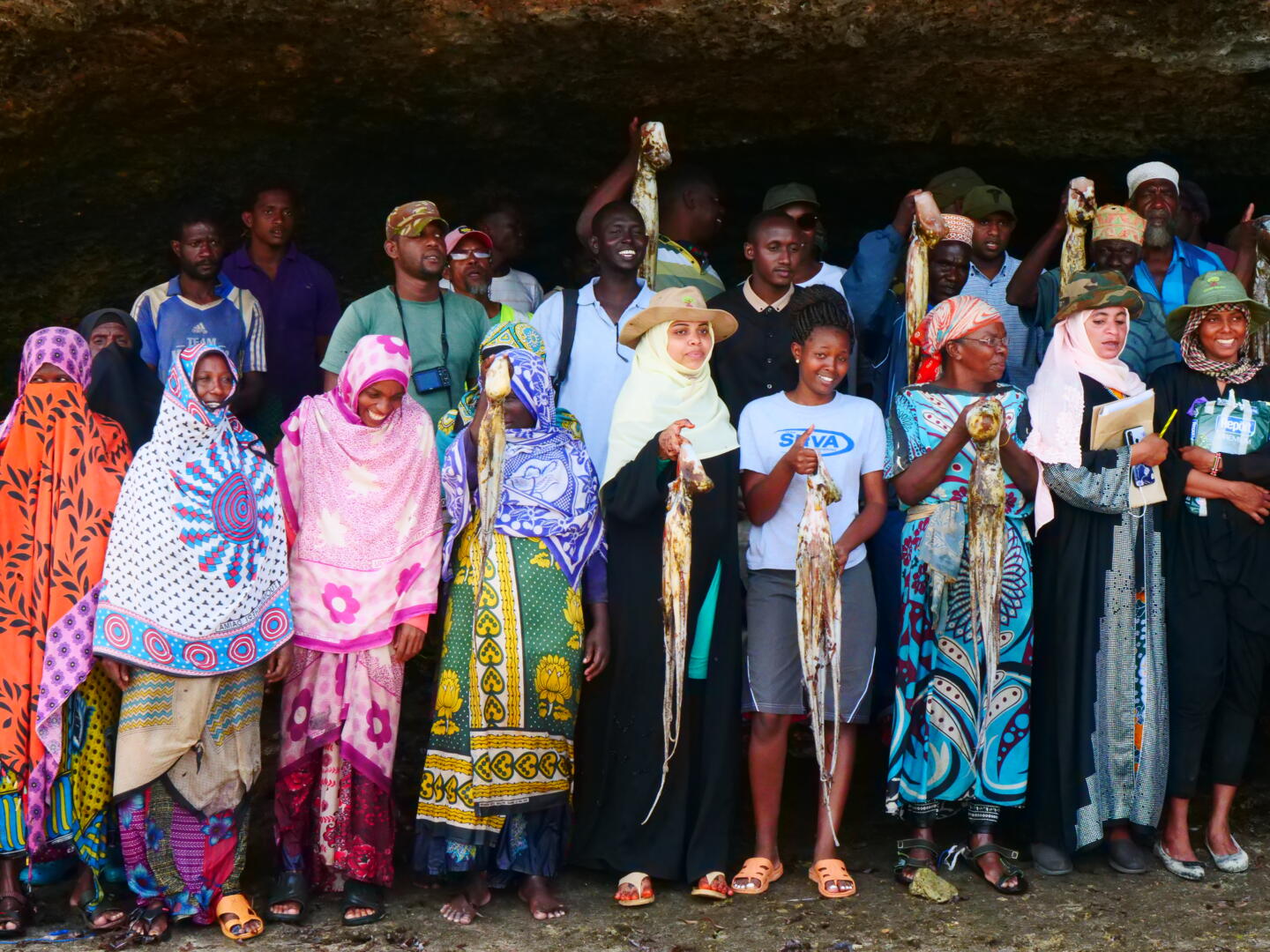
VeMFo’s President, Delsan Revitika, sees the achievement as both a source of pride and a responsibility. “We now have the right to manage this area ourselves, but that comes with great responsibility. Above all, we would like to assure the Ministry of Fisheries and Blue Economy, which entrusted us with this management transfer, that we will not take this responsibility lightly. We will do everything within our means to fulfil our duties and meet the expectations placed upon us.”
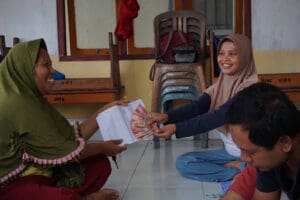
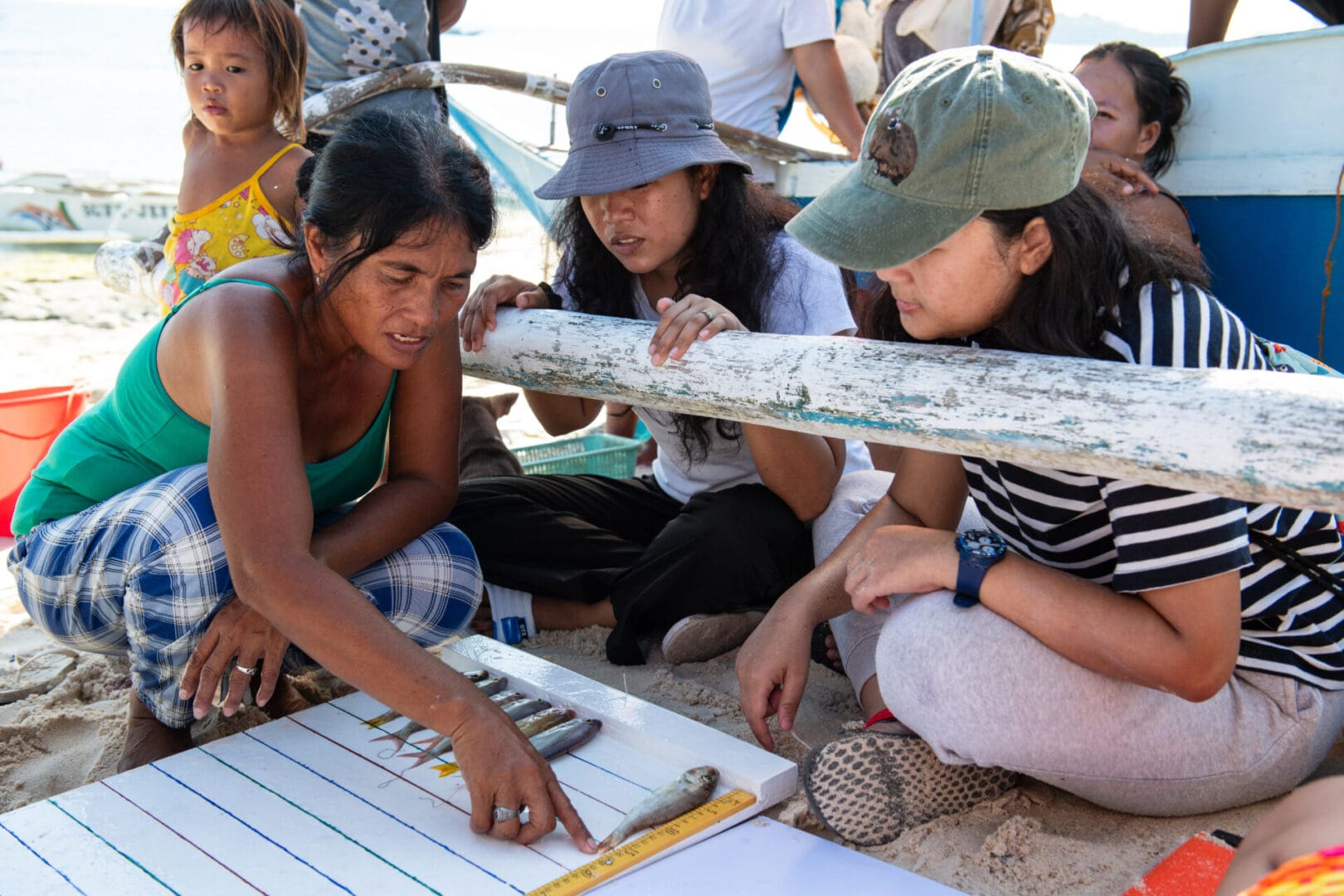
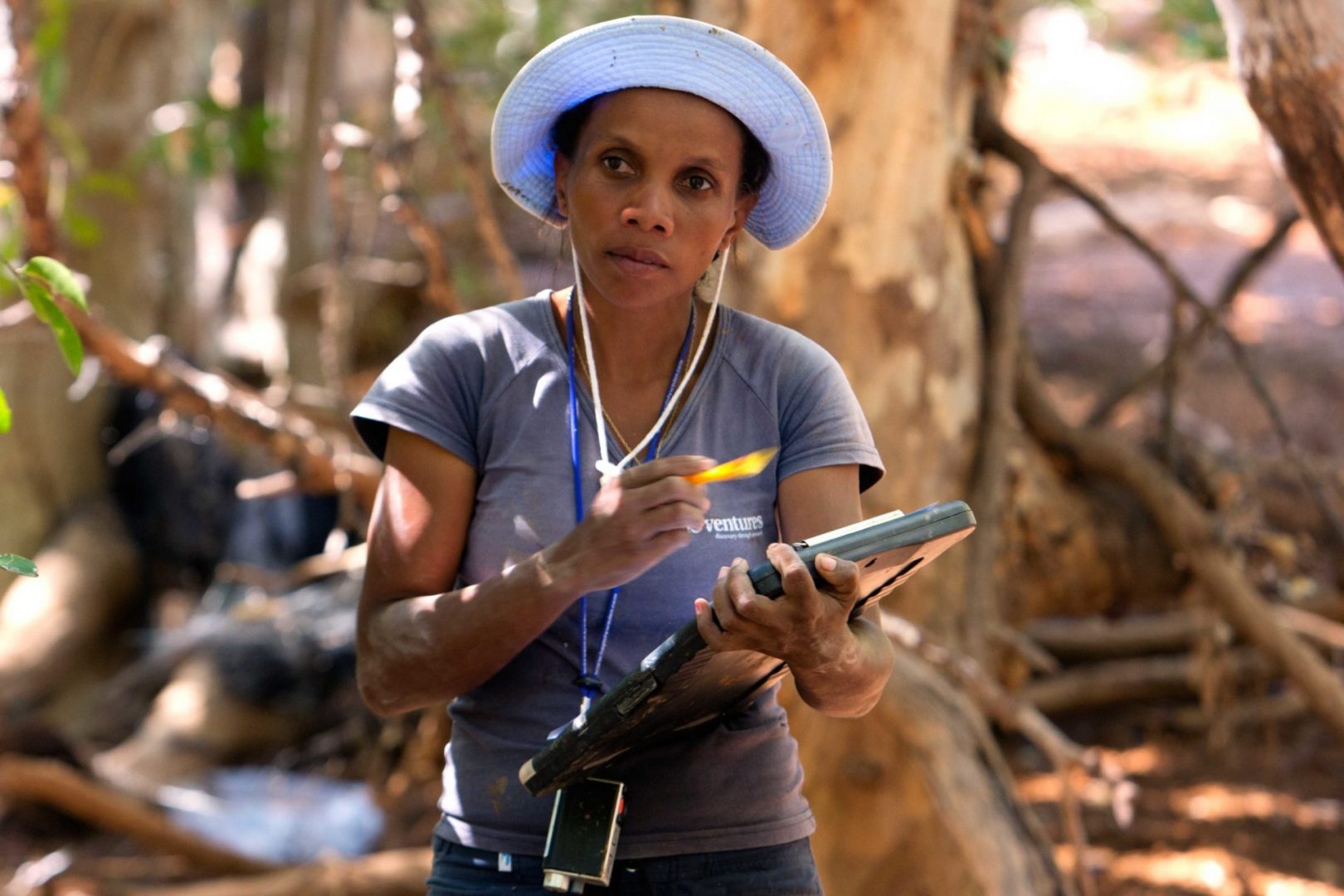
Blue Ventures has worked alongside fisher communities in Belo sur Mer since 2009. During that time, communities consistently raised the need for management approaches that reflected local realities and priorities. Fishers wanted greater recognition of their rights to access, manage and sustainably use the marine resources they depend on every day.
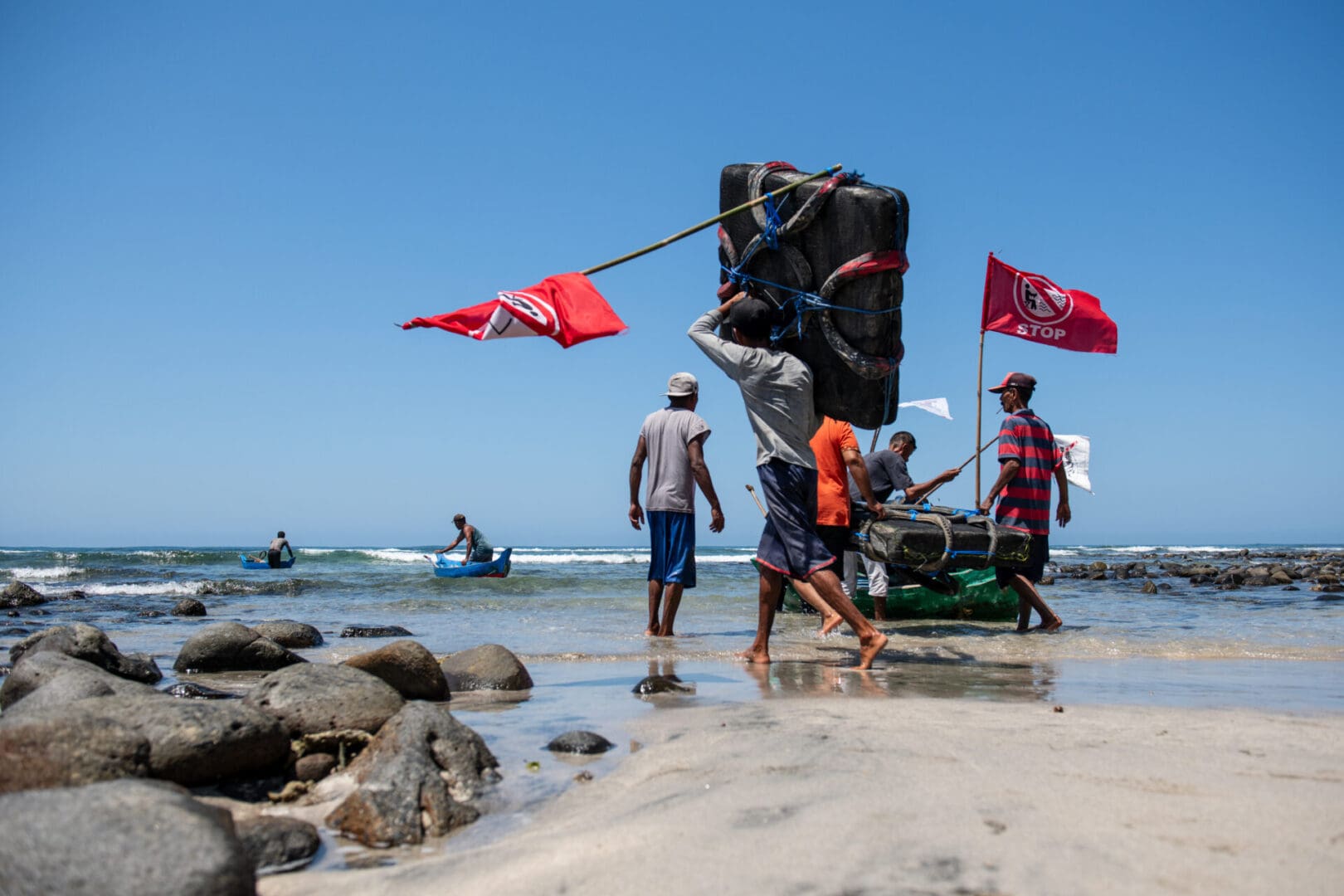
The challenges facing communities here are considerable. Environmental change, growing competition for marine resources, the arrival of migrant fishers and insecurity on land have all affected people’s ability to make a living from the sea.
Those conversations helped shape Blue Ventures’ partnership with VeMFo and the process that led to this transfer.
The journey was not always straightforward. Changes within government institutions delayed some of the administrative steps needed to formalise the agreement, while uncertainty around future funding created additional pressures. Communities and partners nevertheless remained committed to seeing the process through.
Over the past year, Blue Ventures worked closely with VeMFo to strengthen the union’s capacity, providing training, technical support, advocacy tools, data systems and direct financial resources.
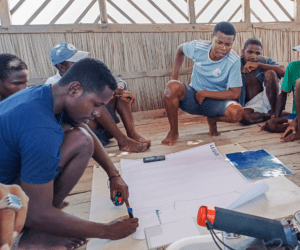
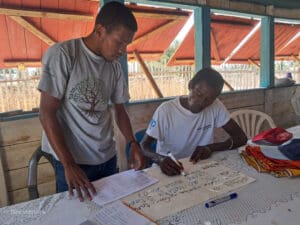
Today, VeMFo is among the first community-based organisations in Madagascar able to receive funding directly, employ its own staff and lead large-scale marine resource management on behalf of coastal communities.
The transfer also creates opportunities for closer collaboration between communities and government authorities on fisheries management, monitoring and compliance.
“Collaboration and communication with the authorities will be easier from now on, particularly regarding enforcement and compliance matters, as the management of our area is now officially recognised,” said Delsan. “Most importantly, we can now develop and implement management approaches that are truly adapted to our local realities and needs.”
For Jean Emilien Randrianambinintsoa, a Blue Ventures team member who provided technical support throughout the process, the moment reflects years of effort from fishers, community leaders and partners.
“Today, seeing the Union officially receive its validated management transfer document is a moment of immense pride,” he said. “This achievement reflects the dedication and perseverance of the fishers themselves, who have worked tirelessly to secure greater responsibility for the sustainable management of their marine resources.”
The transfer marks the beginning of a new phase for VeMFo and the communities it represents. Blue Ventures will continue supporting the union through training, mentoring and learning opportunities focused on governance and management.
“This transfer is a powerful example of what becomes possible when coastal communities are trusted as stewards of their own resources,” said Sinikinesh Jimma, Chief, Marine and Coastal Ecosystems Unit, of the United Nations Environment Programme, which supported the early stages of this work through its Small Grants Programme. “By formally recognising community management over more than 227,000 hectares, Madagascar is demonstrating leadership in locally led fisheries governance that strengthens livelihoods while safeguarding marine ecosystems for the future.”
The responsibility for managing these waters now sits with the communities who depend on them every day. For VeMFo and its member fishers, the focus is on putting their management plan into practice and strengthening how these fisheries are governed locally.
Initial funding that supported and catalysed this work was provided by the Small Grants Programme of the United Nations Environment Programme.