A landmark policy decision has strengthened legal recognition of coastal communities’ role in safeguarding Madagascar’s marine and coastal ecosystems. The draft decree on Other Effective Area-based Conservation Measures (OECMs), reinforces the value of conservation efforts that have long been led and sustained at the local level.
Council of Ministers approves OECM decree
On 13 January, Madagascar’s Council of Ministers approved the draft decree on OECMs, creating a national framework to formally recognise locally led conservation efforts.
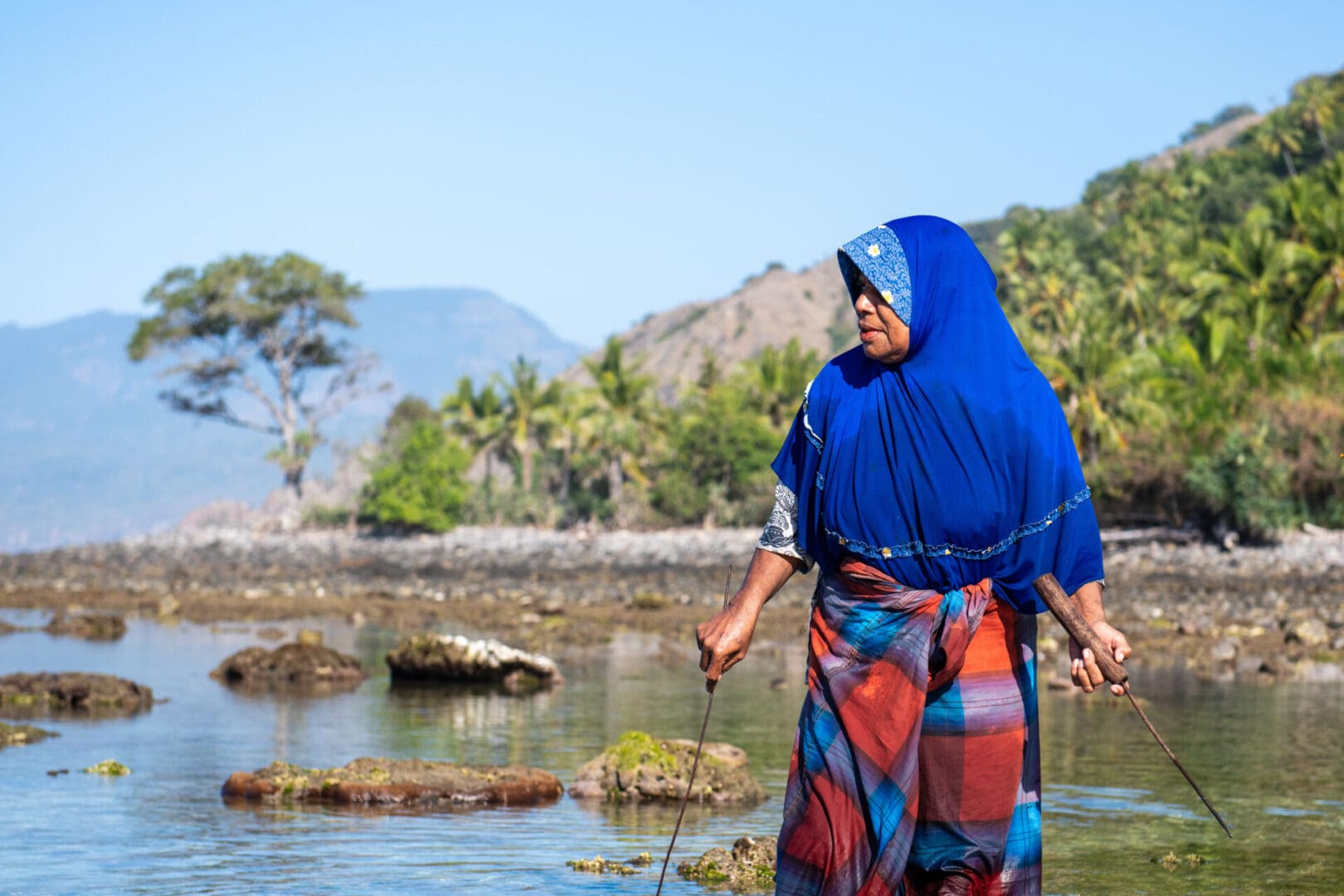
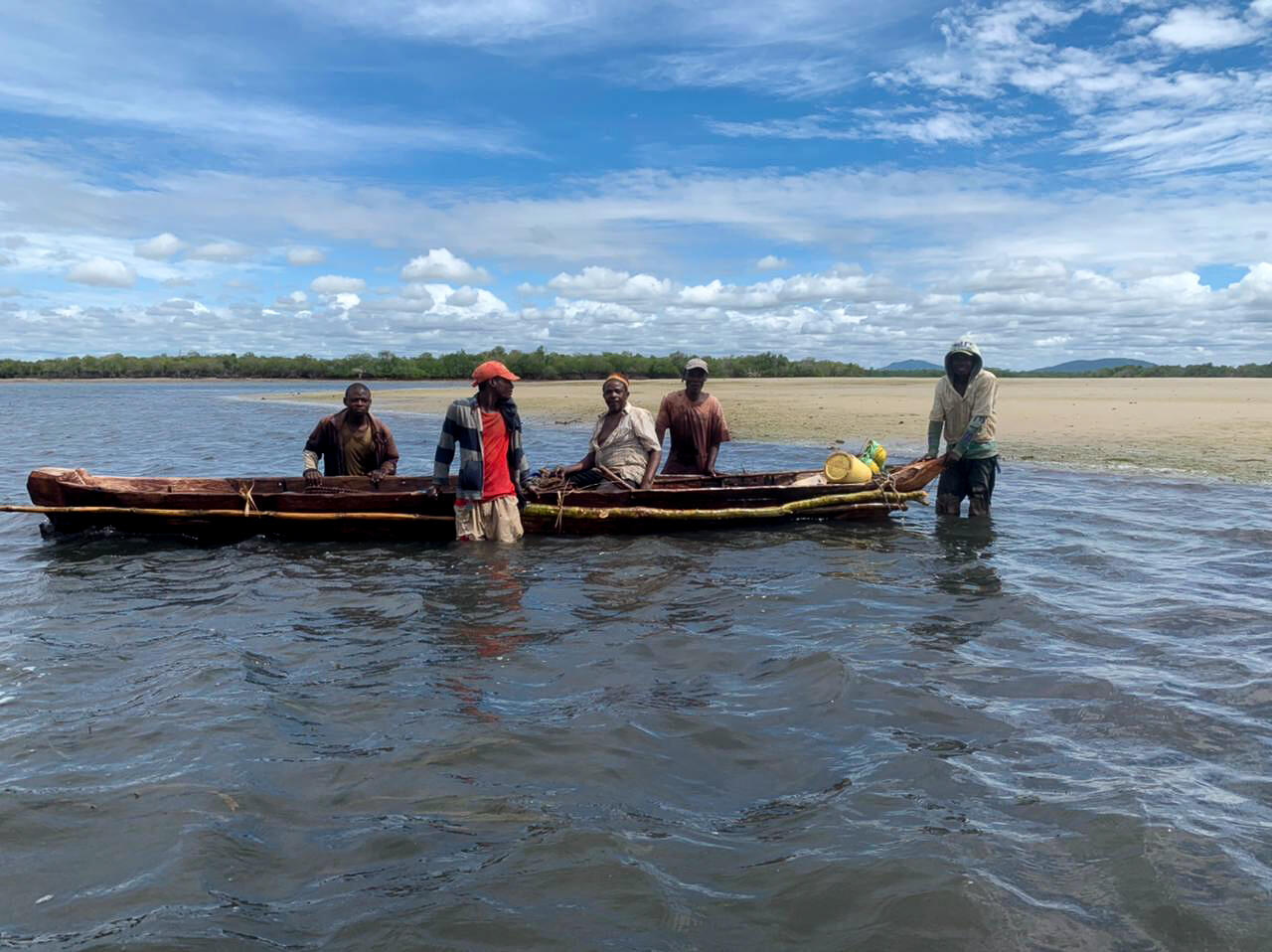
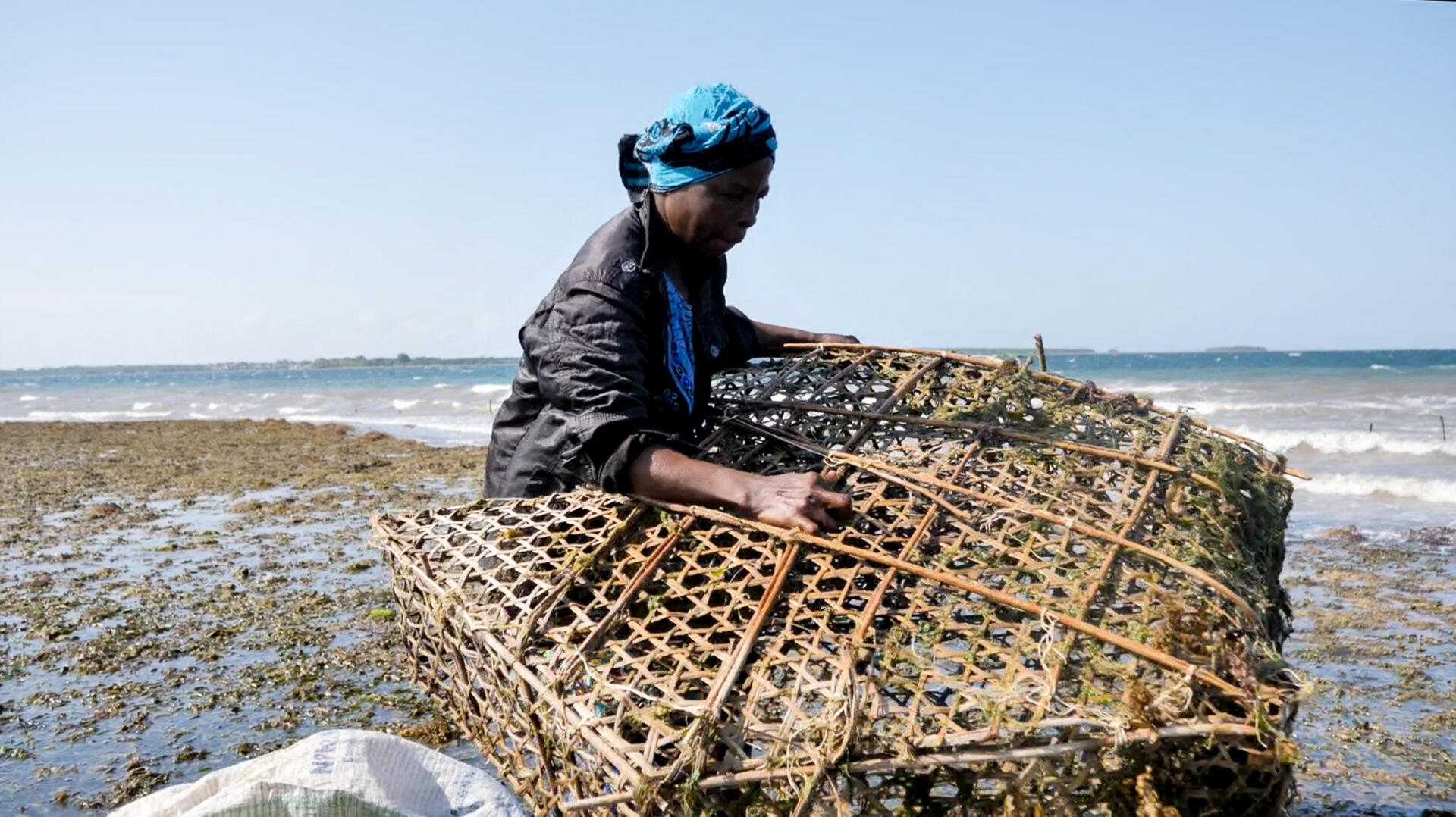
OECMs are areas that are not formally designated as protected areas but are managed to sustain biodiversity over time. Many of these areas are conserved through local governance, traditional knowledge, and community leadership. In practice, this means that locally managed marine areas (LMMAs) can now be acknowledged by the state for the conservation outcomes they deliver.
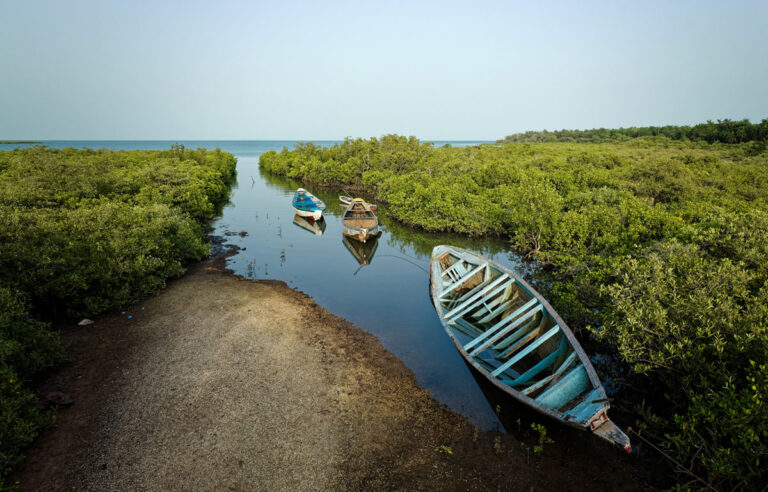
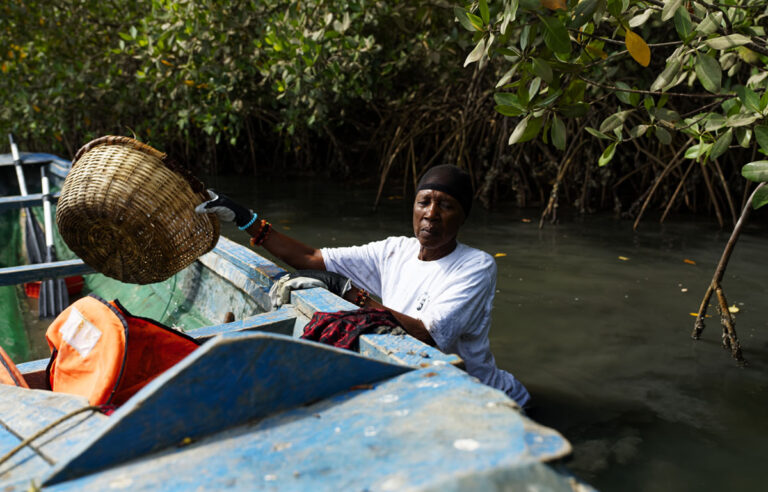
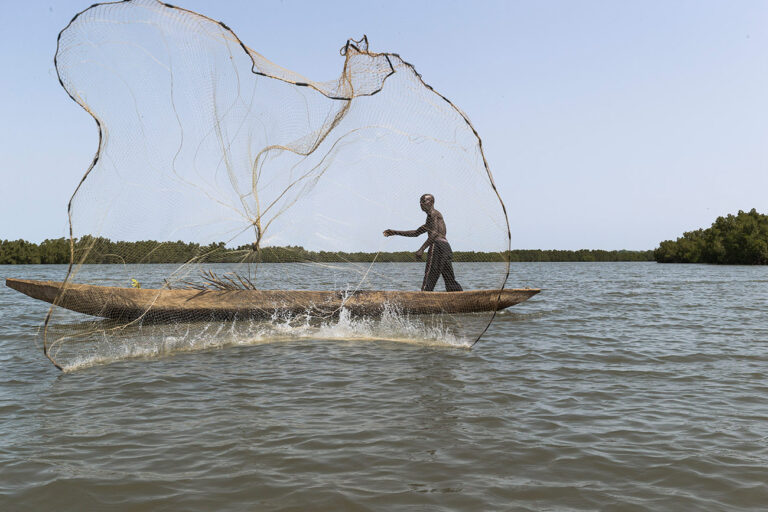
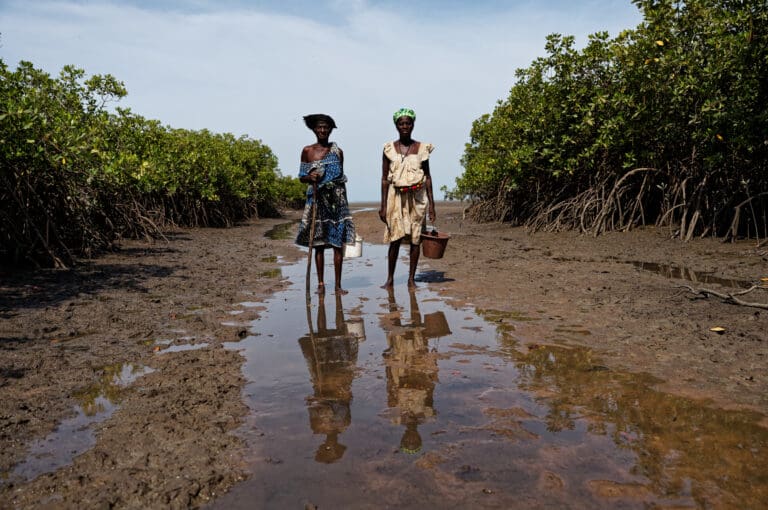
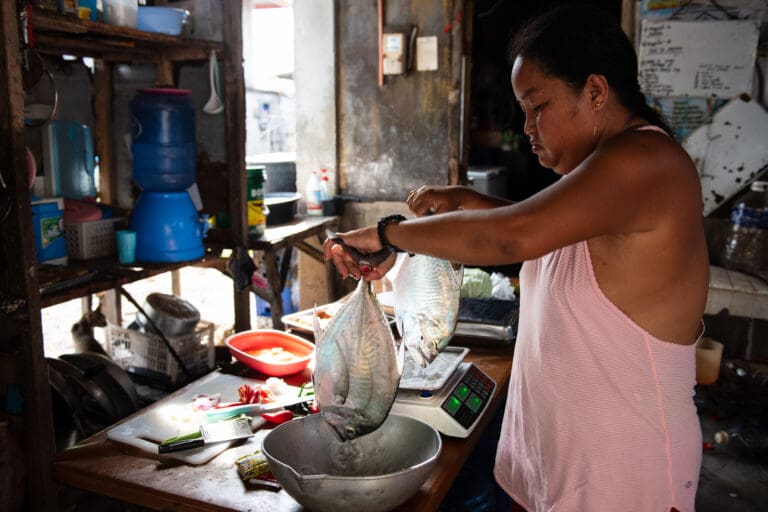
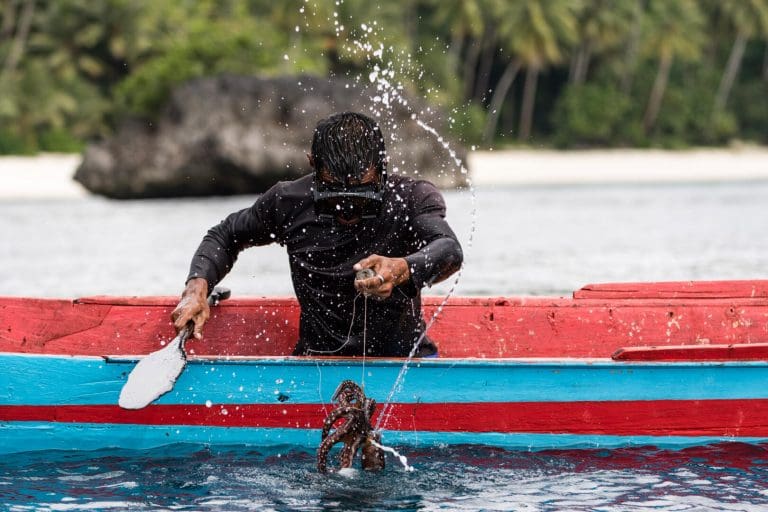
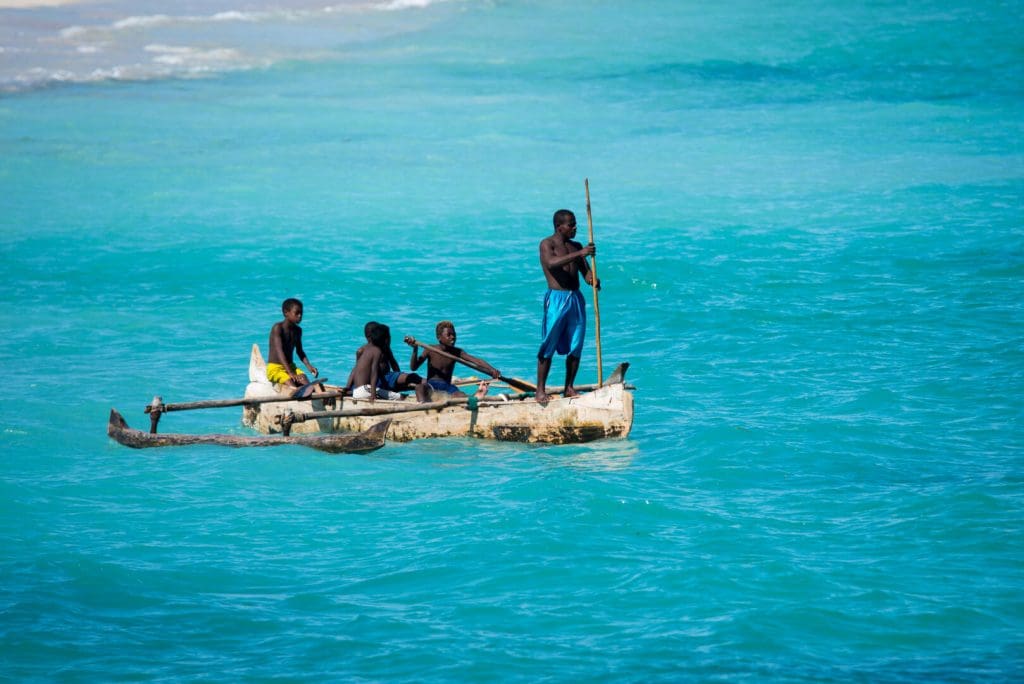
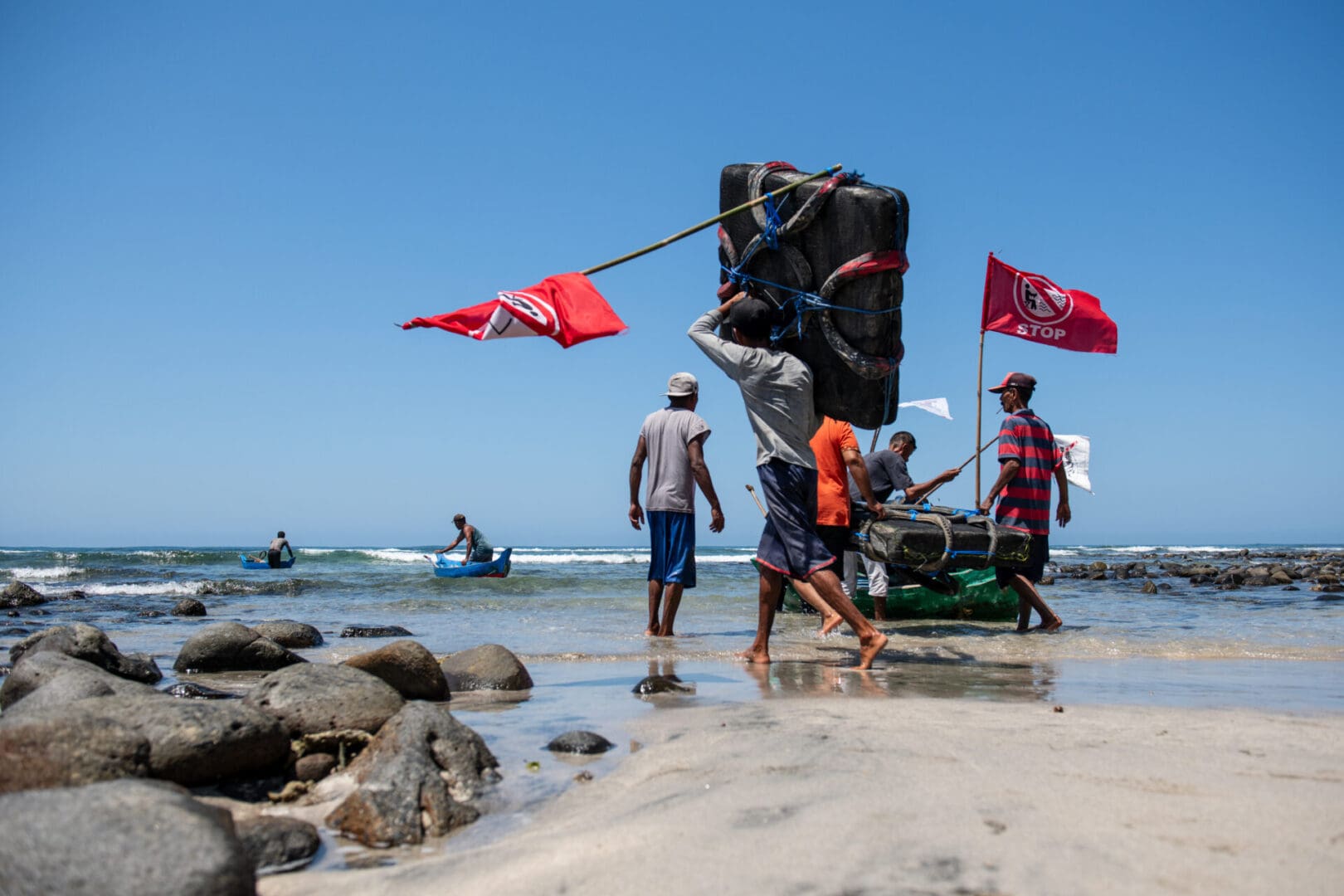
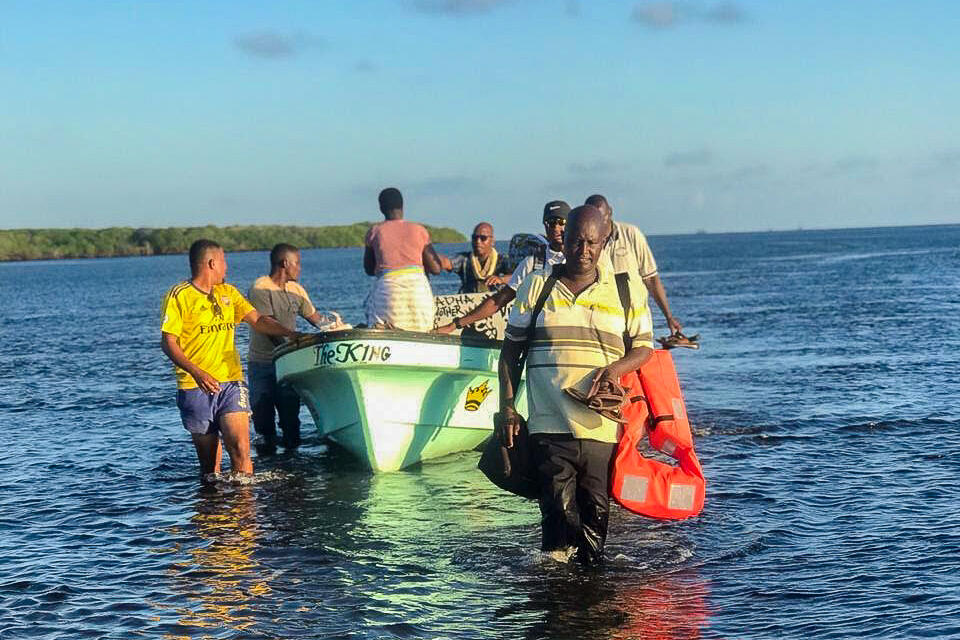
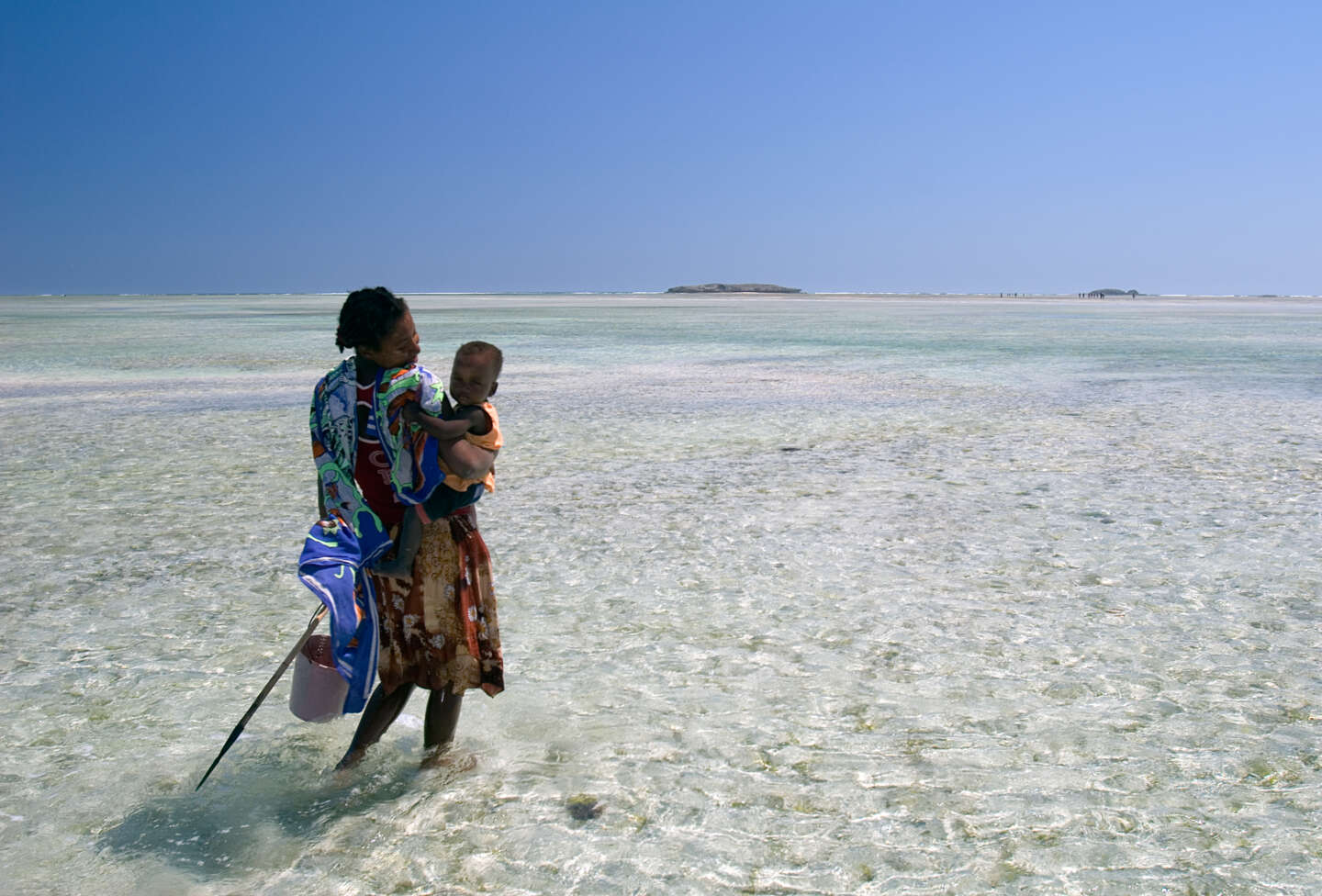
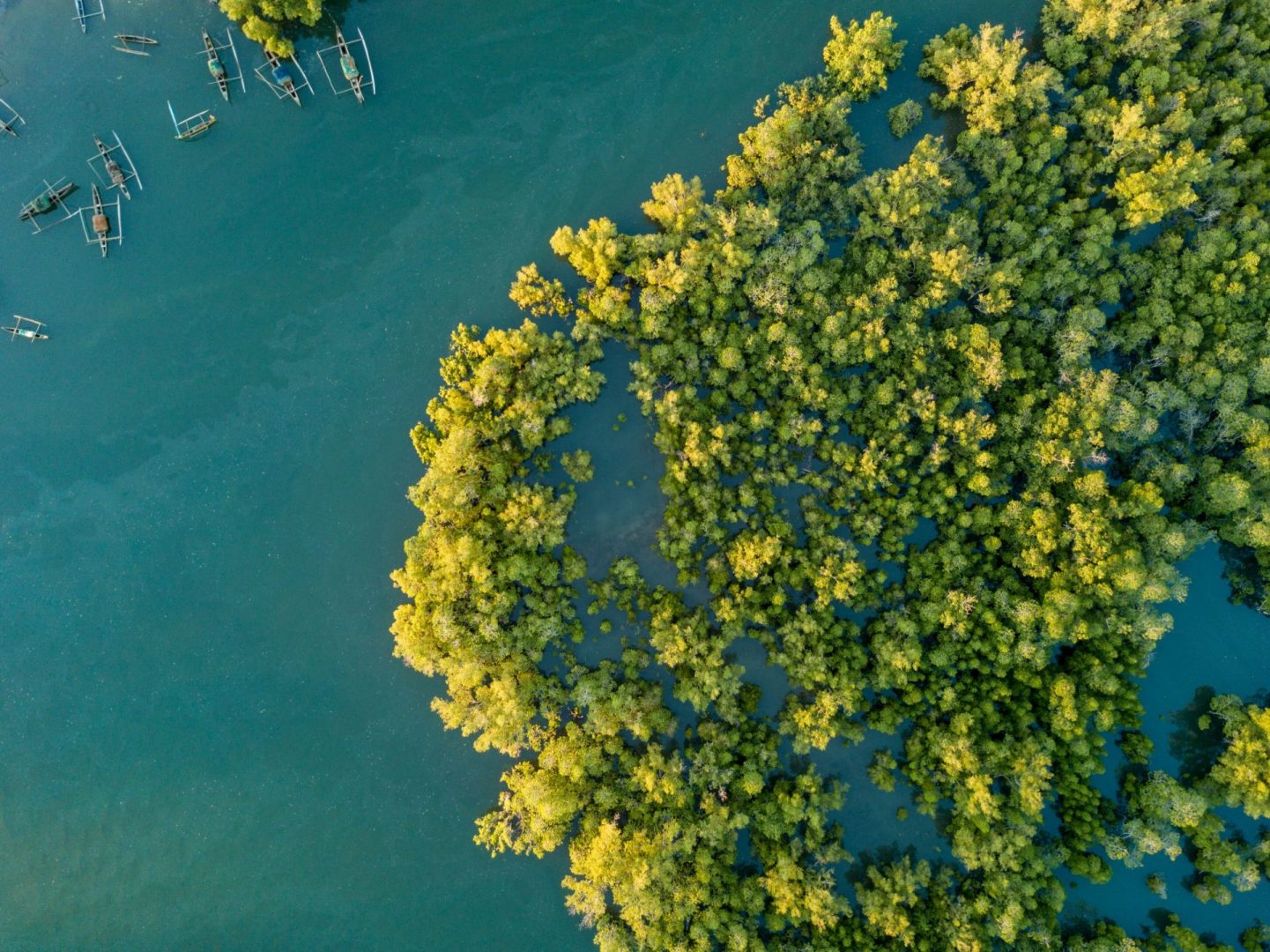
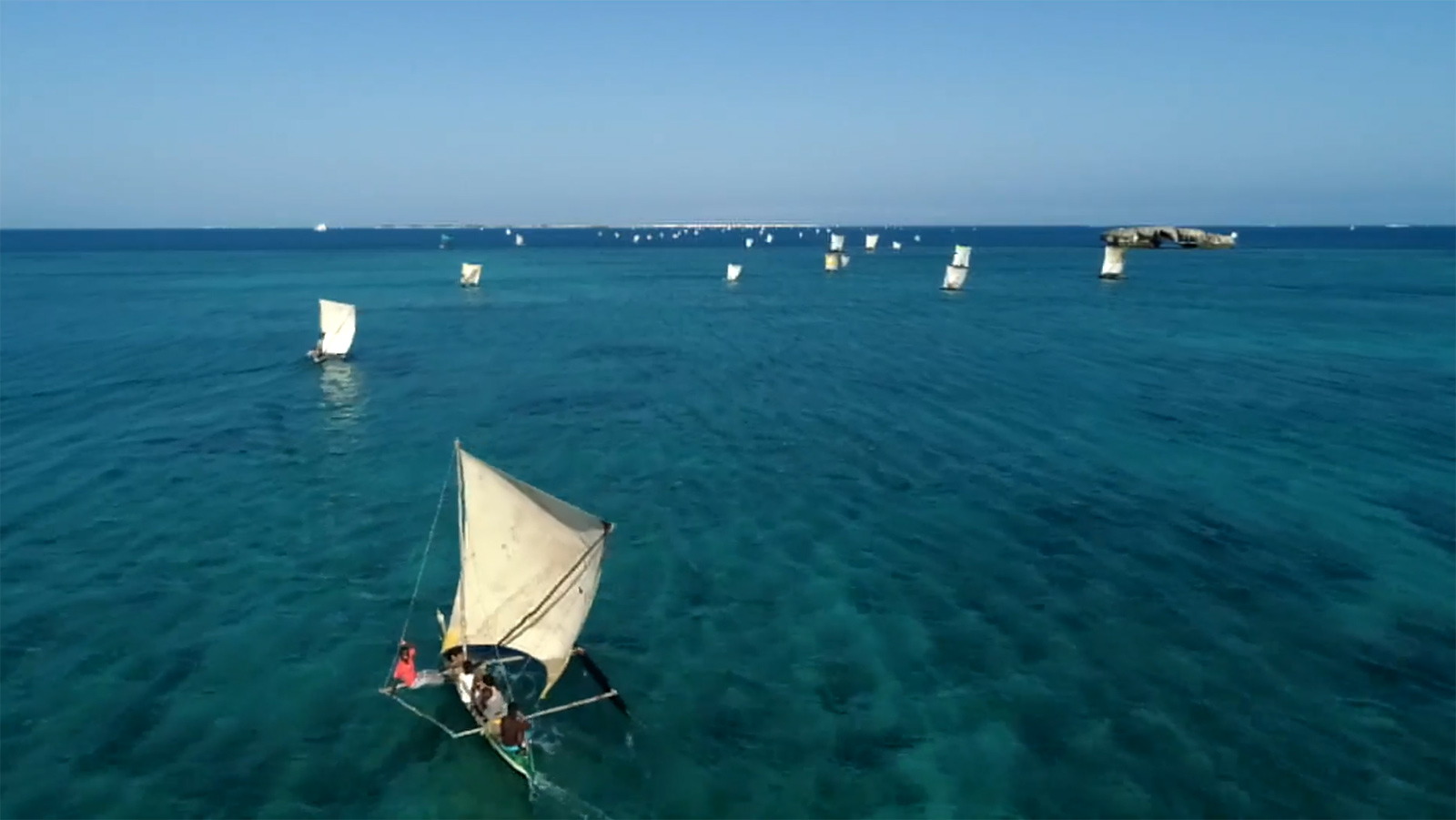
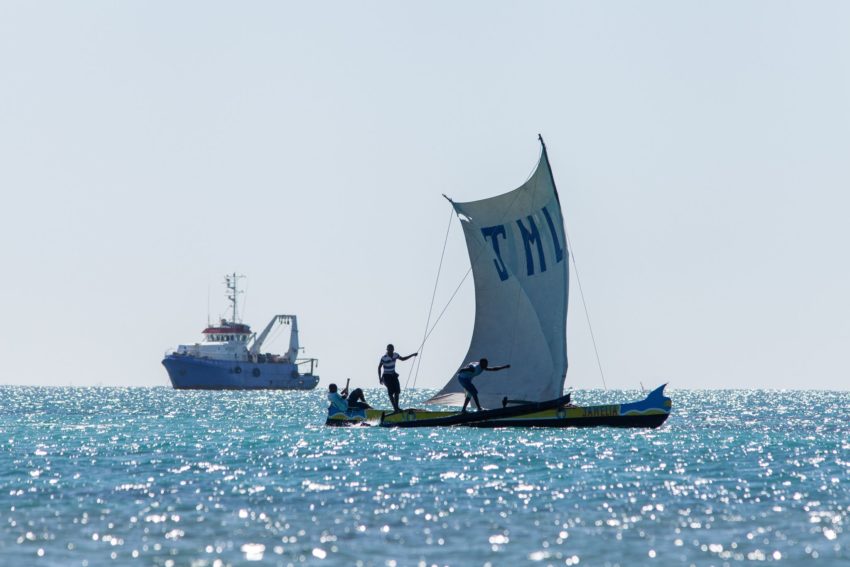
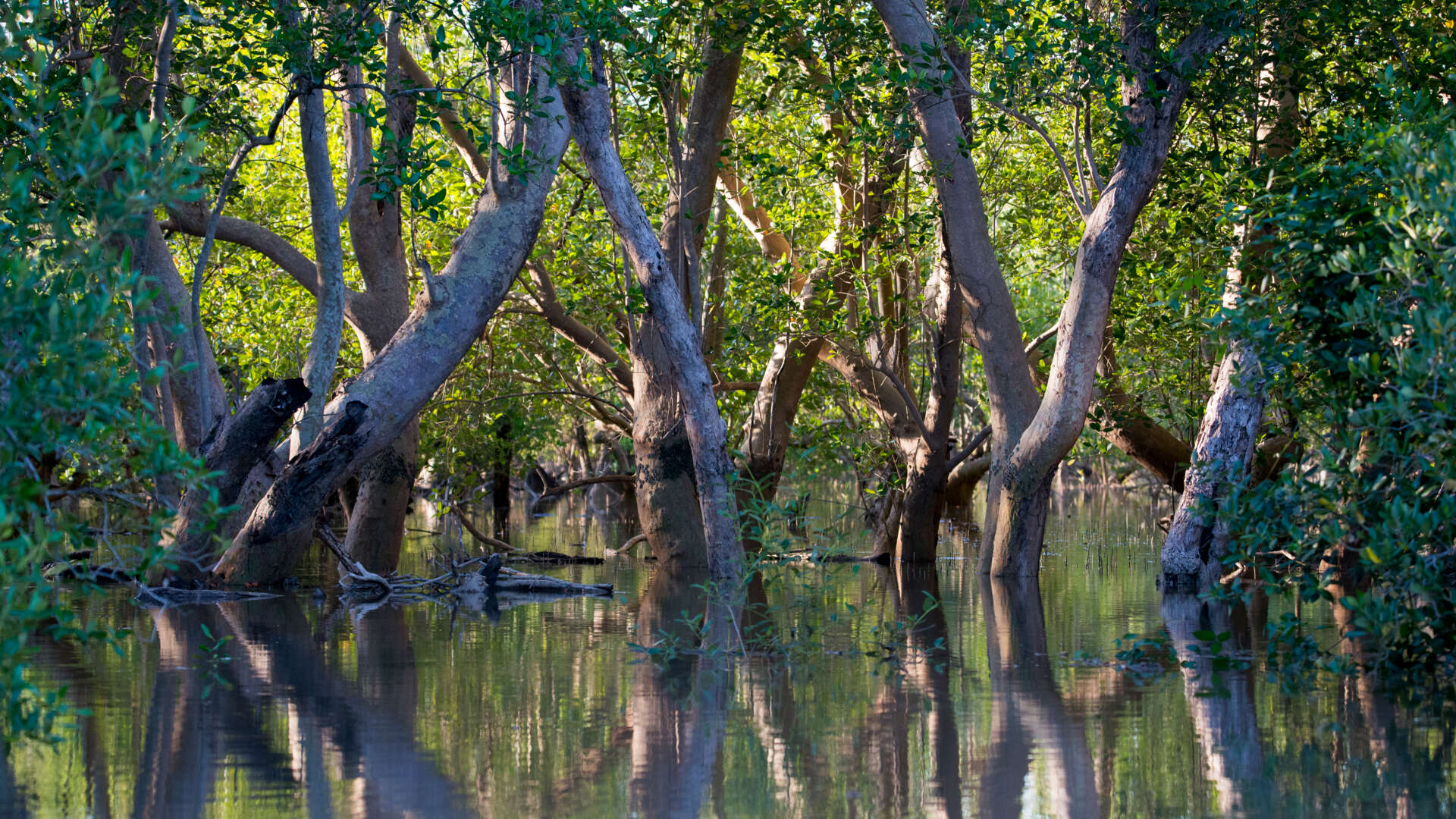
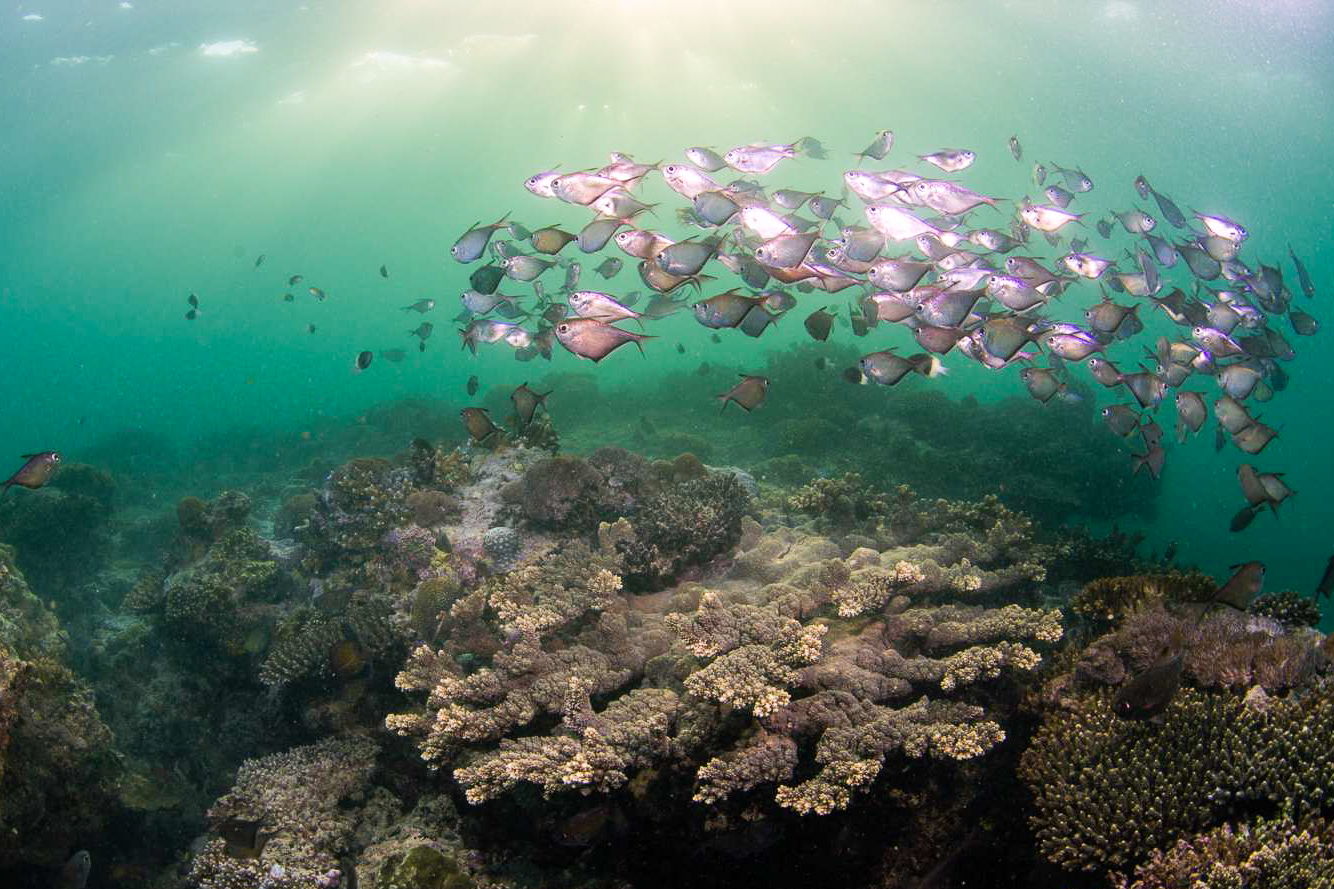
Across Madagascar, LMMAs support fisheries, protect critical habitats, strengthen local governance, and help coastal communities adapt to environmental change. The decree brings these locally led efforts into the country’s formal conservation framework.
For the MIHARI Network, which brings together hundreds of LMMAs across the country, the decree marks a significant step.
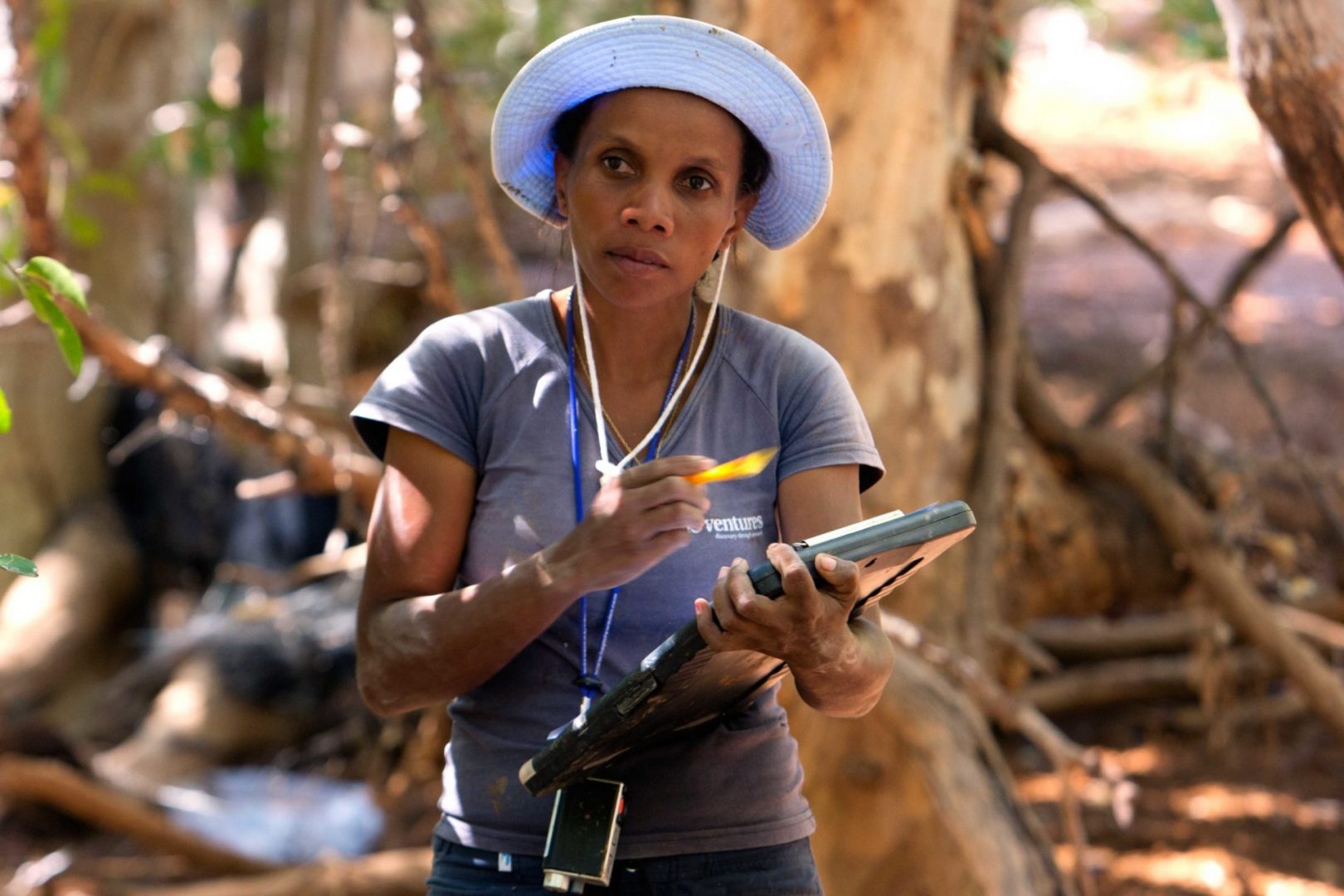
“This decision formally secures the rights and role of local communities in marine governance through a state-recognised regulatory framework, providing sustainable support for local managers.” – Guy Rakotovao, Executive Secretary, MIHARI Network
For Blue Ventures and its partners, it reinforces years of work alongside communities to support locally led marine management and ensure that grassroots stewardship is reflected in national policy.
Linking national policy to global targets
The decree also has implications beyond Madagascar. It strengthens the country’s position under the Convention on Biological Diversity, which calls on countries to conserve at least 30 percent of their land and sea by 2030.
Recognising OECMs allows Madagascar to include conservation taking place outside formally designated protected areas, including LMMAs, toward that target. This is particularly important in a country where much effective conservation is driven by communities rather than formal protected area systems. It provides a way to reflect the contribution of community-led management within national reporting.
Blue Ventures supports the principles of the 30×30 goal, emphasising that it can only succeed if communities are put first. A truly community-led approach ensures human rights are respected, equity is maintained, and conservation delivers benefits for both people and nature.
In the coming months, LMMA sites will be assessed against OECM criteria in collaboration with Madagascar’s Ministry of Environment and Sustainable Development. Eligible areas will then be registered and included in Madagascar’s official reporting to the Convention.
For organisations working alongside coastal communities, the focus now shifts to implementation, ensuring that recognition translates into sustained support for local governance, long-term stewardship, and the livelihoods that depend on healthy marine ecosystems.