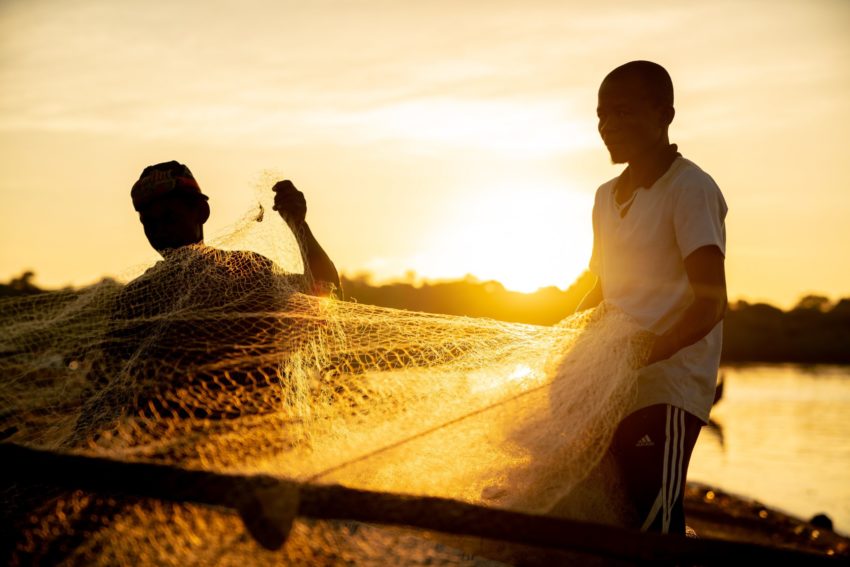
In coastal communities across West Africa, data is rebuilding trust, shifting power, and opening doors that were previously closed to those most affected by fisheries decline.
From November to December last year, Blue Ventures facilitated community-led fisheries data feedback sessions in The Gambia, Senegal, and Cabo Verde, which revealed what is possible when local actors both generate and own evidence. With more than 150 participants, these sessions demonstrated the growing momentum behind community-driven data.
Rebuilding dialogue in the Gambia: towards trust
At the outset, collaboration between civil society partners and the Department of Fisheries in The Gambia was still in its early stages and required trust-building. Gunjur Conservationists & Ecotourism Association (CETAG) and Sanyang Youths for Environmental Protection and Development (SANYEPD), both deeply rooted in fisher communities, were committed to community-led monitoring, with initial institutional agreements set to last only one year.
To support this process, Blue Ventures facilitated dialogue, clarified roles, and helped partners align around the shared understanding that data belongs to communities and their organisations.
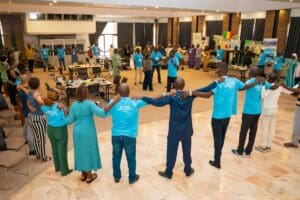
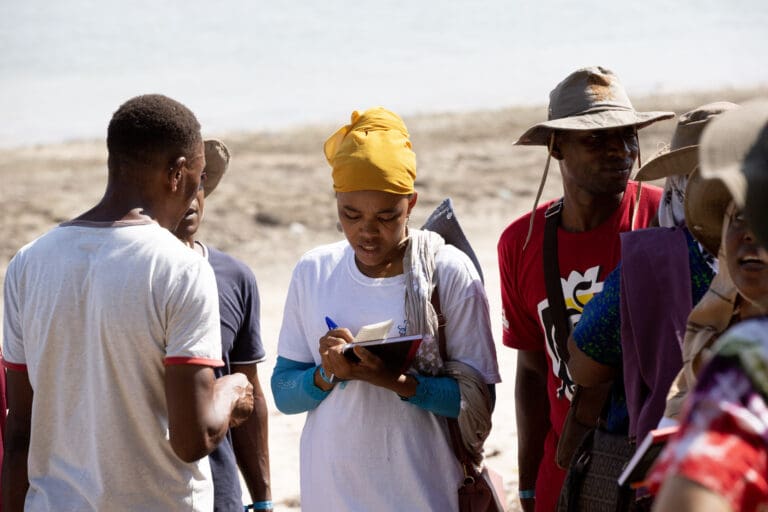
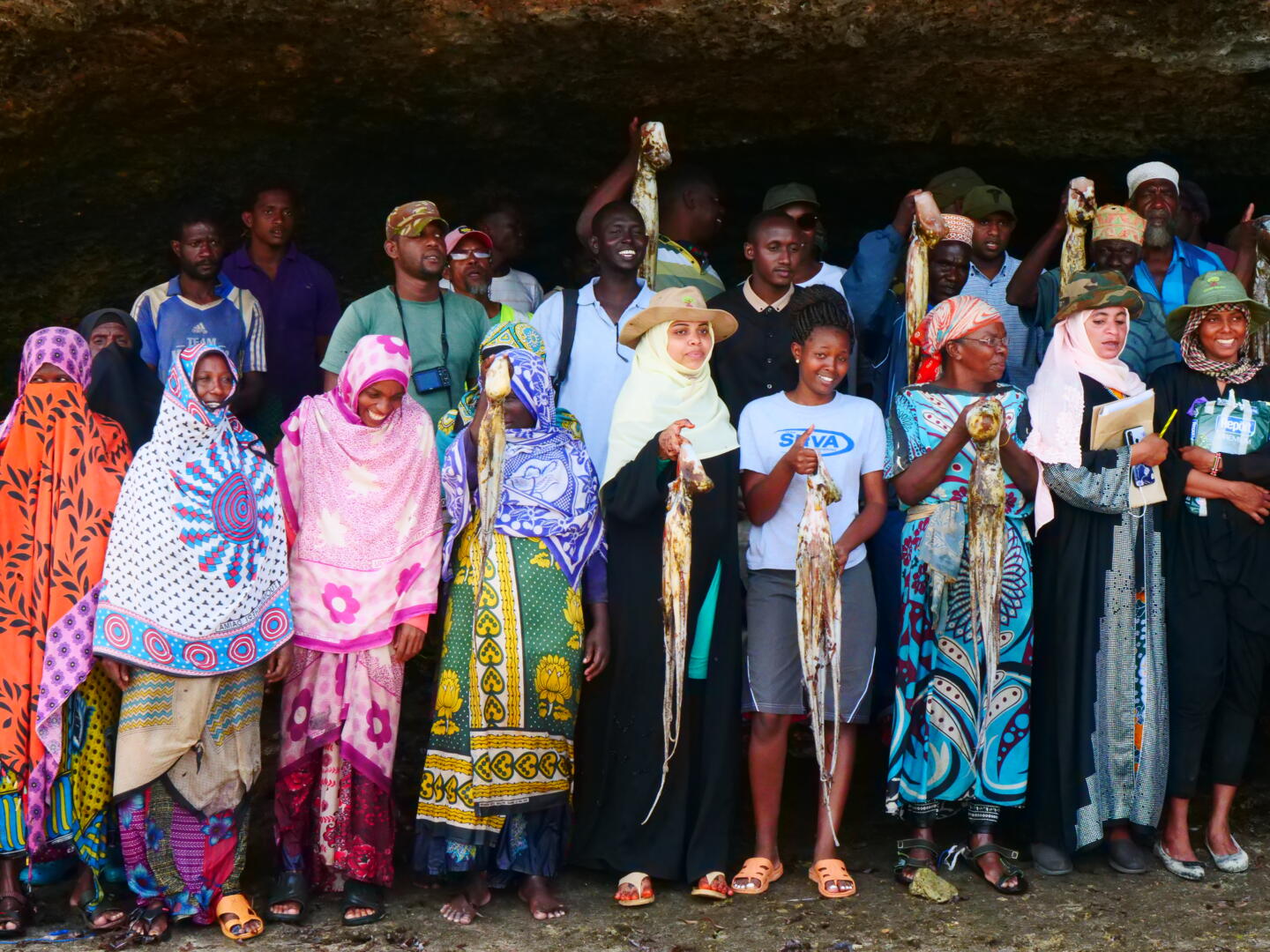
After nine months of data collection at the Gunjur and Sanyang landing sites, fishers, fishmongers, civil society organisations, government representatives, and the media gathered for a feedback session. The room became something rare: a space where community-generated data could be openly shared, questioned, and taken seriously.
Awa Rane Ndoye, Blue Ventures’ Head of Technical Capacity for the region, presented a first-of-its-kind fisheries data dashboard in The Gambia. The data revealed a high proportion of juvenile fish in catches, particularly for Bonga, which was one of the most widely consumed fish species in Gambian households.
Abdoulaye Ndiaye, Blue Ventures’ Campaign Manager, framed data as a bridge rather than a battleground, a tool to support advocacy, accountability, and better policy.
Fishers and officials spoke openly about declining fish sizes, the realities of fishing practices, and the disconnect between existing regulations and ecological realities. Rather than deepening tensions, the data created common ground.
Just weeks later, CETAG confirmed that a revised five-year MoU with the Department of Fisheries had been signed, a milestone directly rooted in the trust built through these sessions.
For CETAG and SANYEPD, this marked a transformation in how community data is recognised, forming a credible foundation for long-term collaboration and evidence-based policy change.
“This is a monumental achievement for CETAG and SANYEPD. Being the first initiative of its kind in the entire subregion makes it even more remarkable. This data will significantly strengthen our advocacy efforts and, I believe, play a crucial role in guiding national fisheries policies,” declared Ahmed Manjang, CETAG Coordinator.
Advancing shared responsibility for fisheries in Senegal
In Djiromaite, Senegal, on 7 December 2025, the conversation advanced from dialogue to concrete action.
Working with the Ufoyaal Kassa-Bandial Marine Protected Area (MPA) management committee, communities gathered to review data they had collected themselves and reflect on what it revealed about local fisheries and enforcement challenges.
Community members spoke candidly about the seasonal practices they already use to support stock recovery, including rest periods and alternative livelihoods. They reflected on how these practices could inform MPA management, surveillance, and community engagement.
The session highlighted communities’ commitment to shared responsibility. They expressed their willingness to collaborate more closely with MPA authorities, participate in surveillance systems, and use their data to support concrete action.
It concluded with community-driven recommendations to strengthen communication with MPA authorities.
Chief Niantang, the village head of Djiromaite, wrapped up the session by stating, “Now that we have the data and a clear understanding, we commit to holding an internal village session to guide our decisions. These are our own resources, and it is our responsibility to address our challenges. No one else will do it for us”.
Women leading evidence-based fisheries change in Cabo Verde
On Maio Island in Cabo Verde, the power of ownership took centre stage.
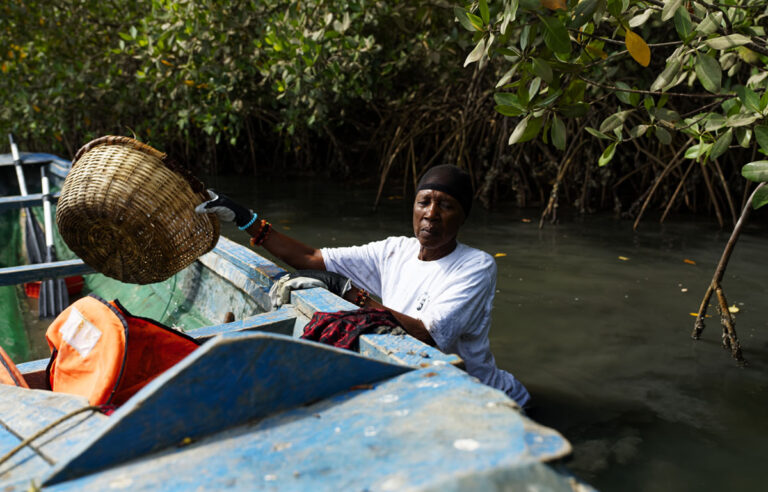
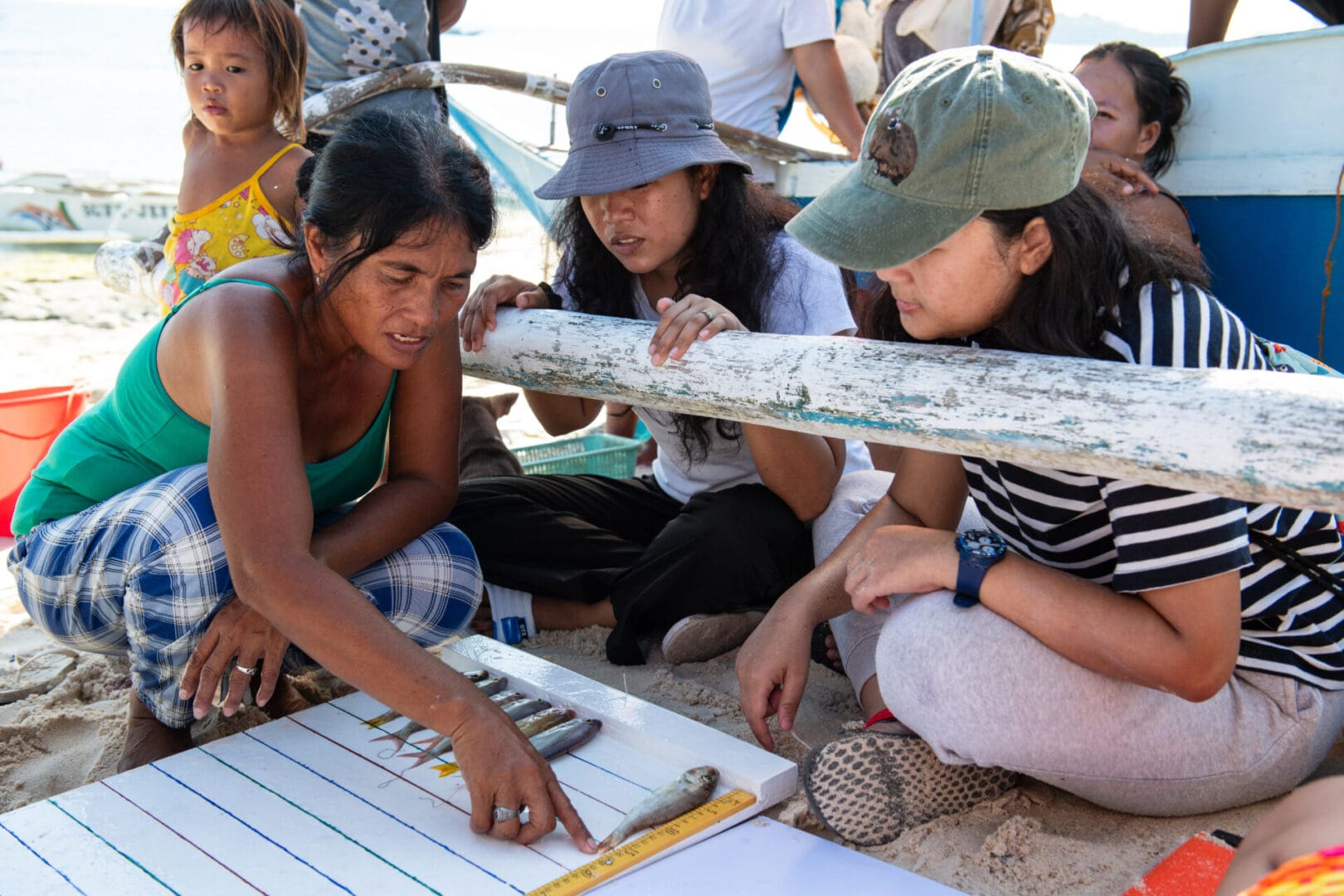
During a data feedback session organised by Blue Ventures’ partner Fundação Maio Biodiversidade (FMB) in Calheta on 29 November 2025, eight women fishmongers presented a full year of fisheries monitoring they had led themselves.
They recommended biological rest periods during months when fish sizes consistently fell below legal limits. The proposal, grounded entirely in community-collected evidence, was met with strong applause.
“We haven’t had an event like this since 2013. These results show that communities are essential actors in the preservation of biodiversity and that initiatives like this deserve to be financed,” said Janete Agues from FMB.
Government representatives and scientists from Instituto Do Mar (IMAR) described the moment as unprecedented. It was the first time they had seen community members both collect and analyse fisheries data, as well as propose concrete, evidence-based management measures.
“We will integrate this community data into our official statistics to provide more reliable information for the development of fisher communities,” added Abertinho Martins from IMAR.
The impact quickly extended beyond Maio, inspiring interest from neighbouring islands and calls to scale the model nationally.
Community-owned data that changes fisheries systems
Across The Gambia, Senegal, and Cabo Verde, the contexts differed, but the lesson was the same.
By centring fishers and fishmongers, especially women, as knowledge holders and decision-makers, such initiatives can rebuild trust and reshape fisheries governance systems, laying the foundations for sustainable, inclusive, and resilient artisanal fisheries across West Africa.