The Government of Ghana has established the country’s first Marine Protected Area, marking a significant step towards rebuilding coastal fisheries and supporting the future of small-scale fisher communities.
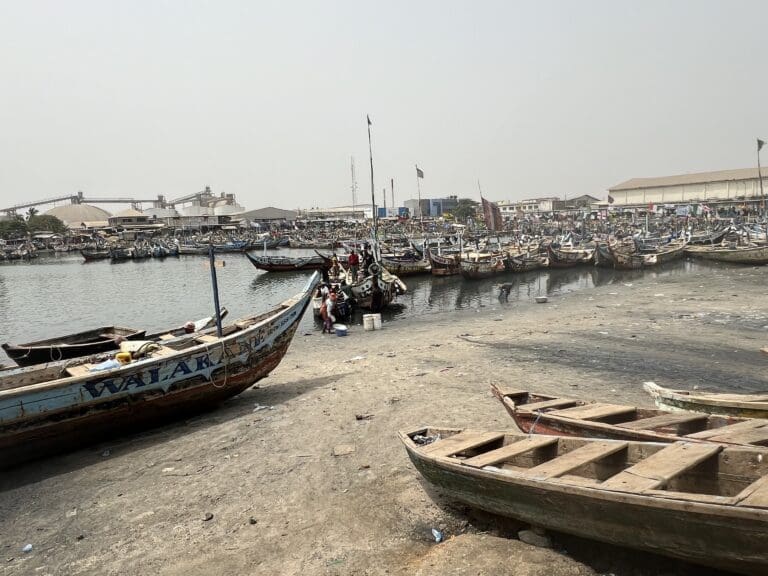
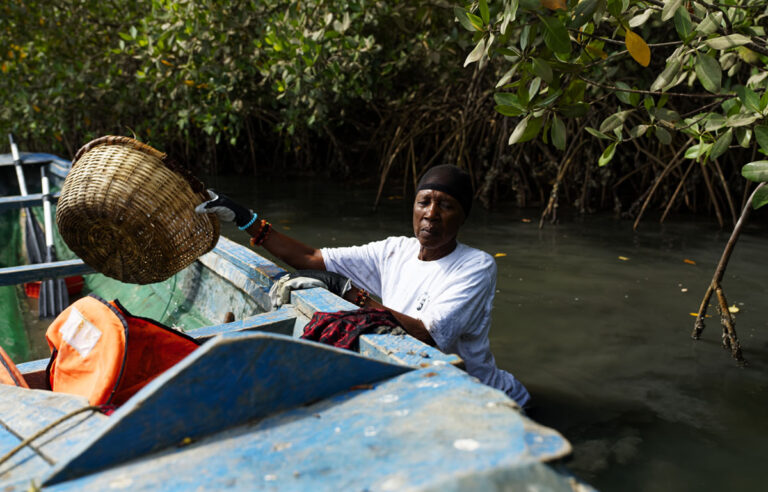
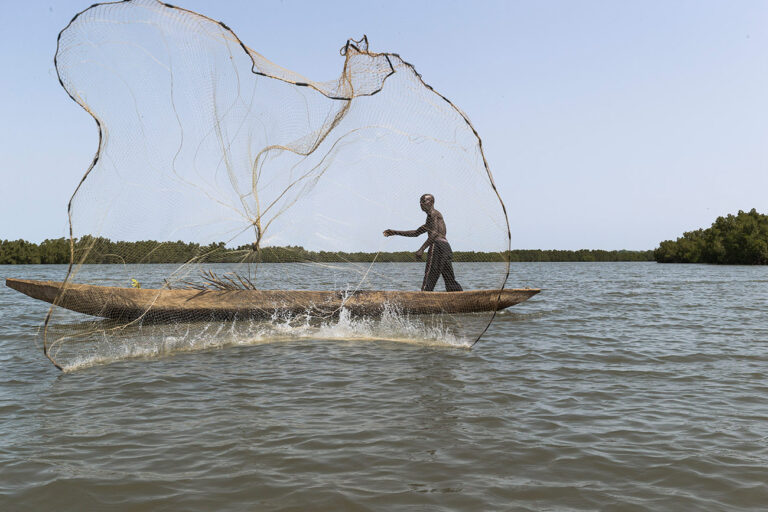
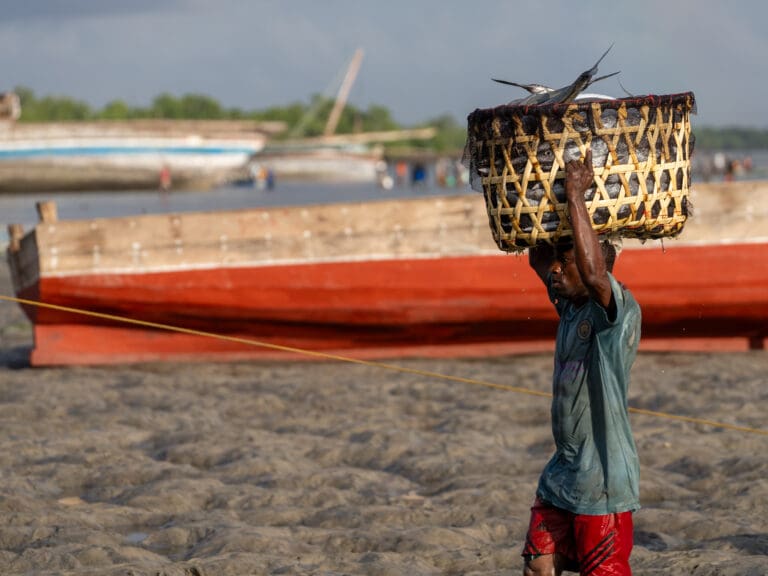
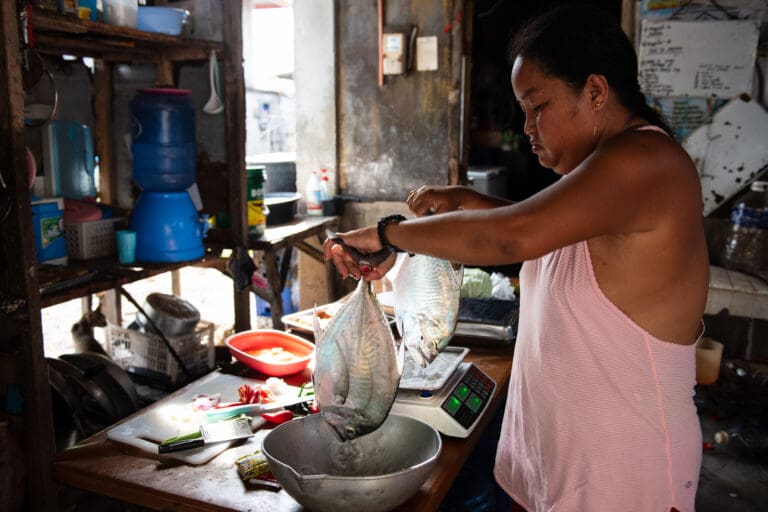
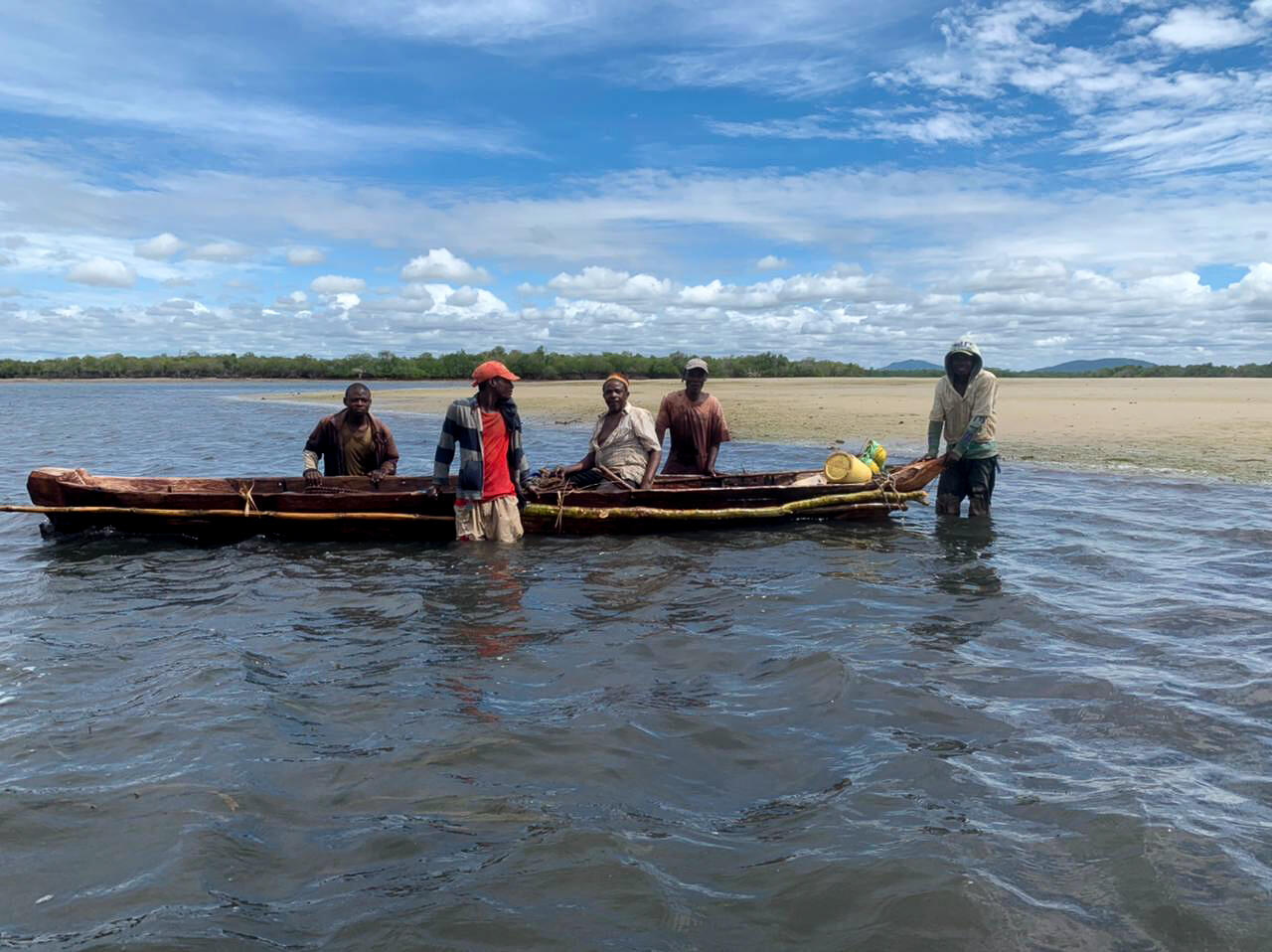
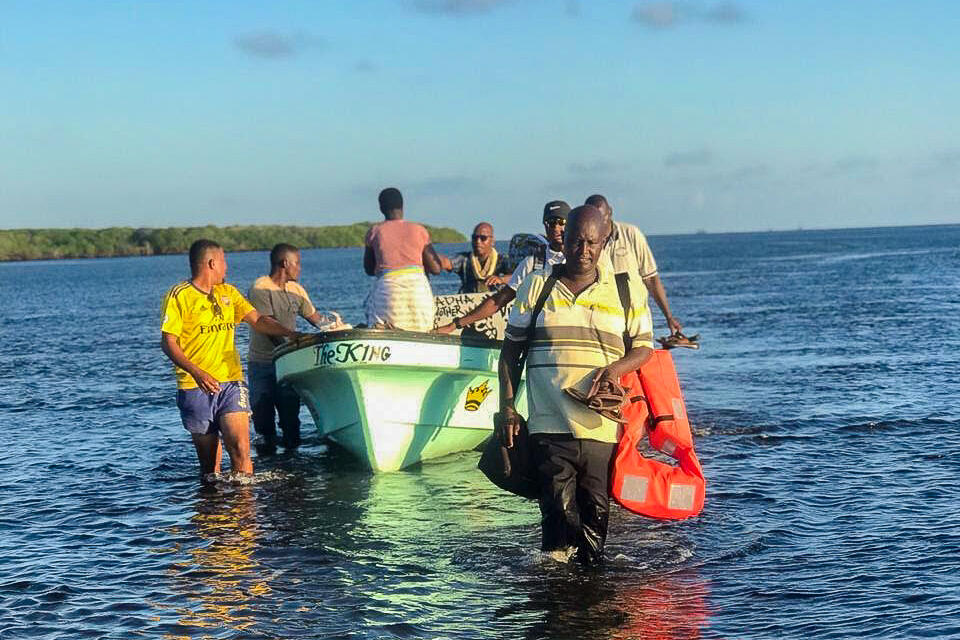
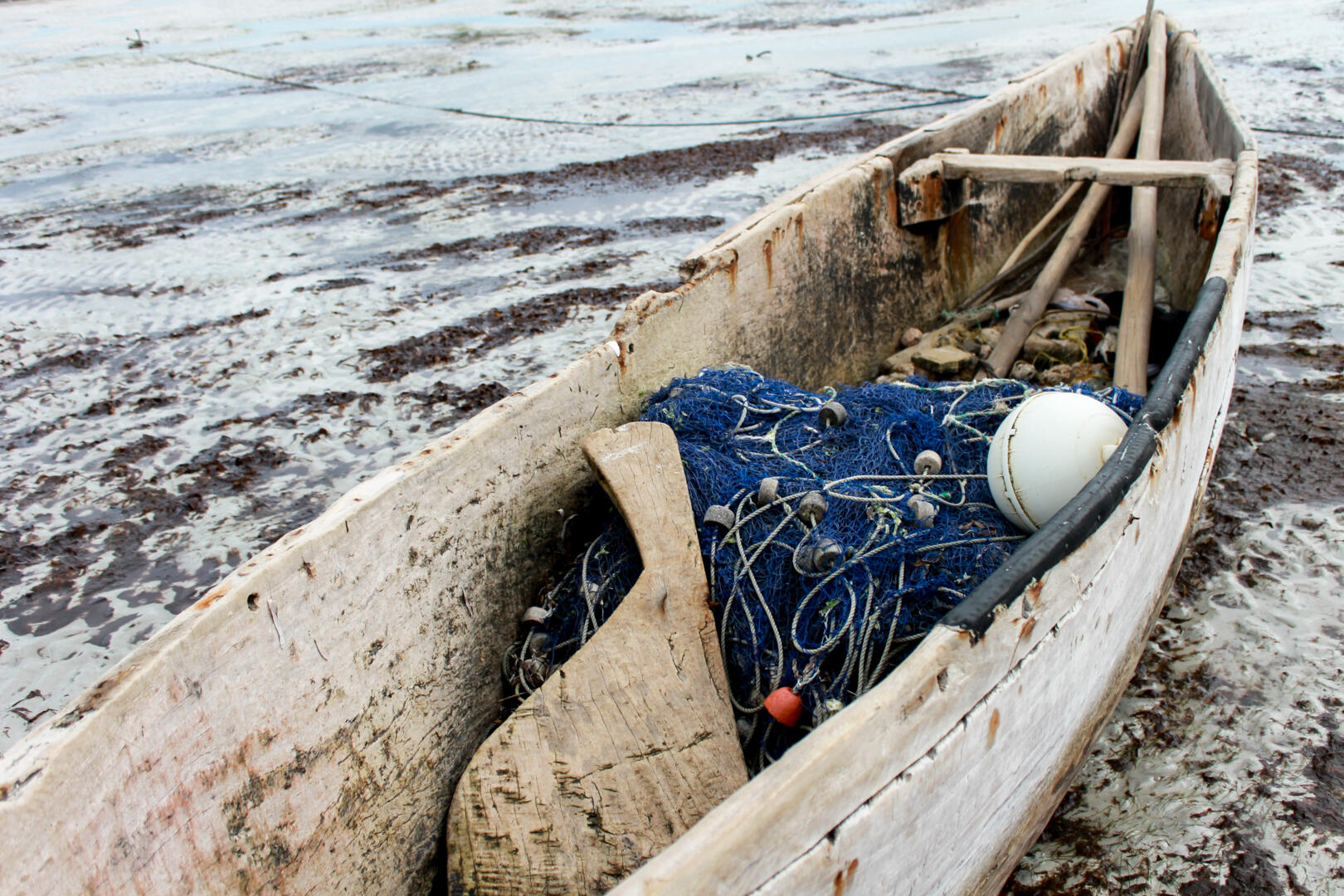
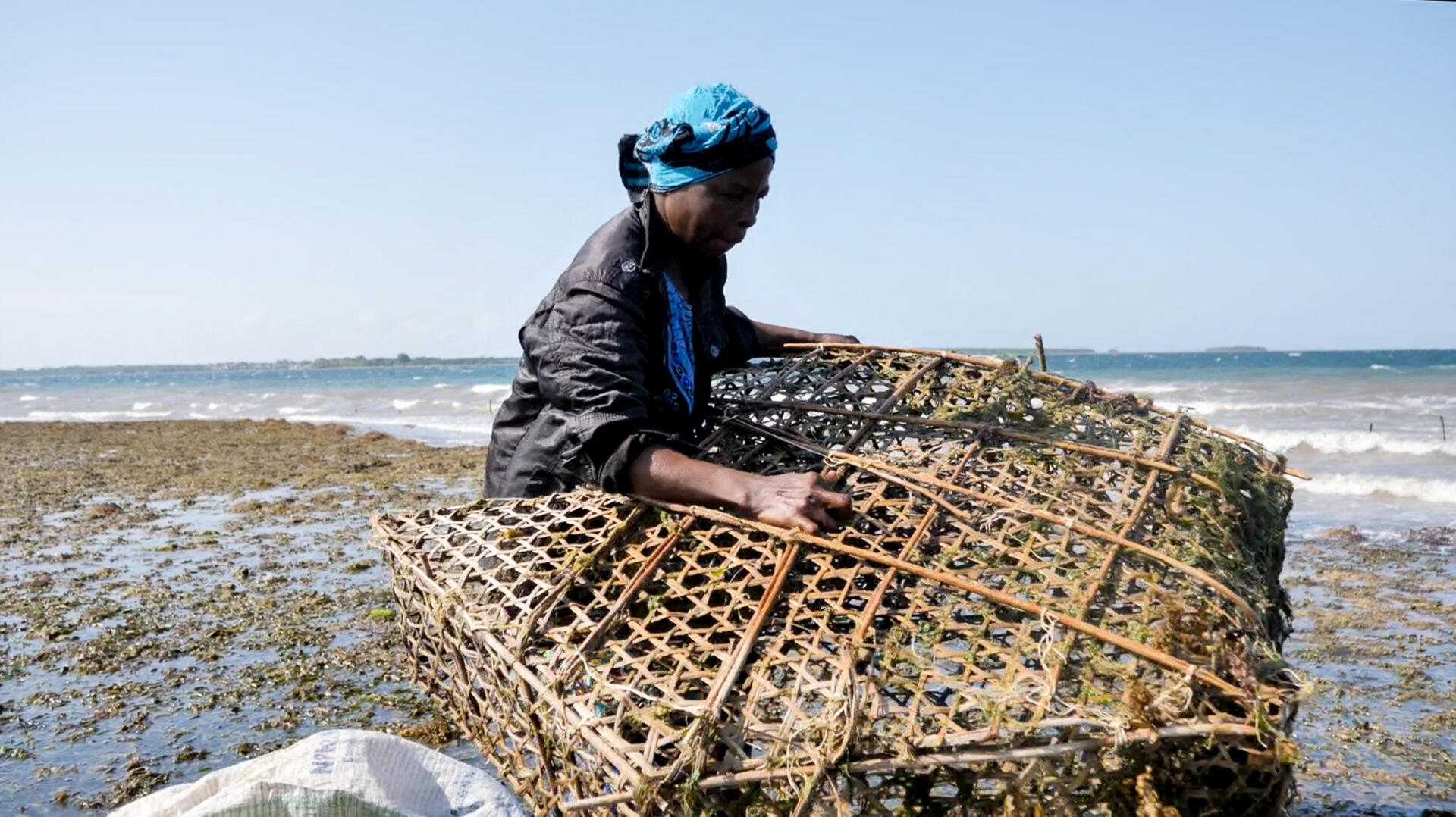
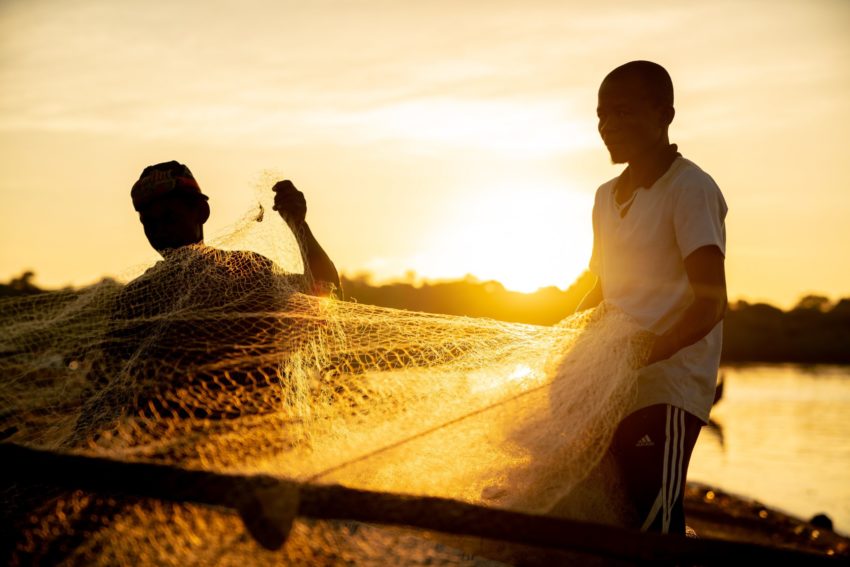
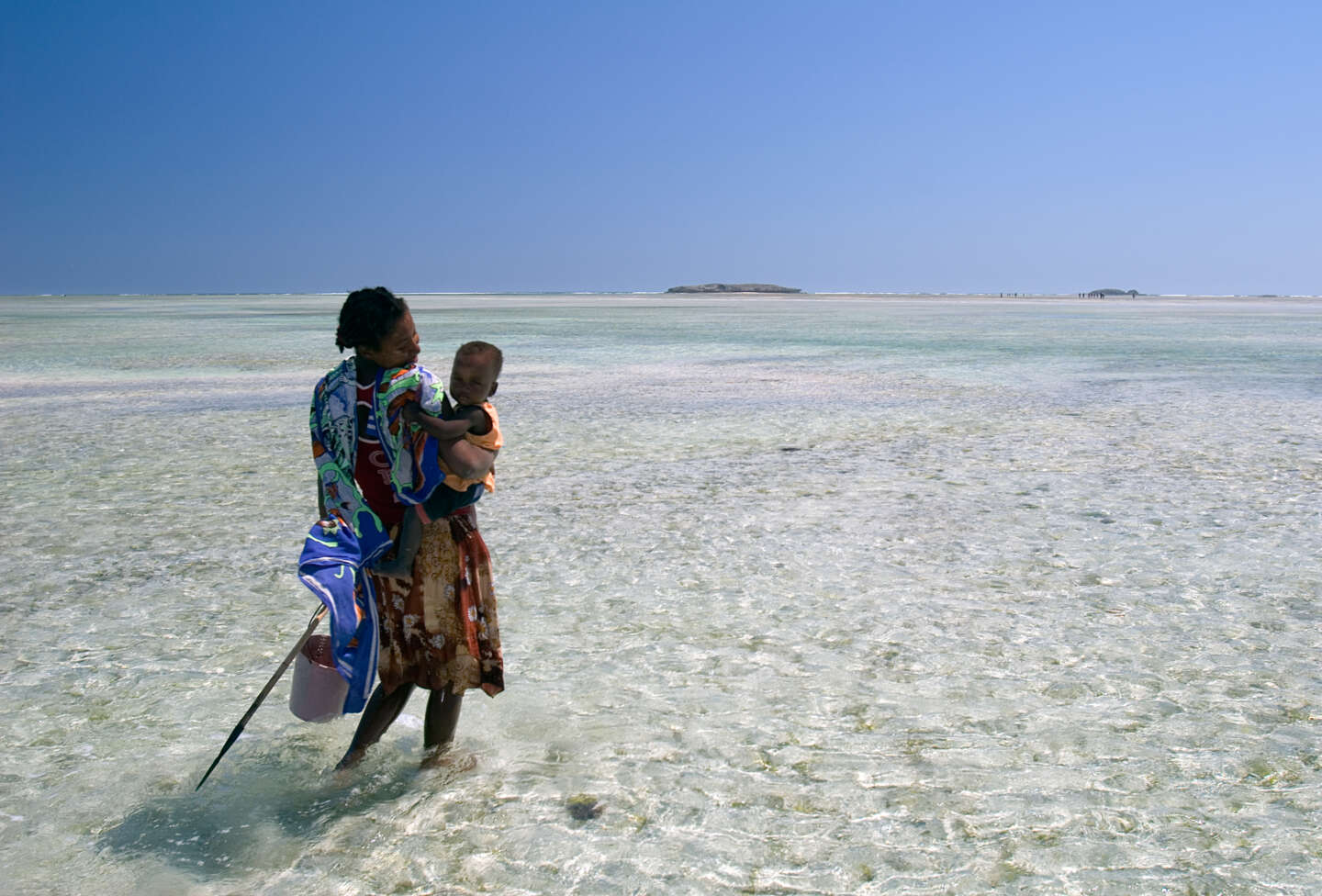
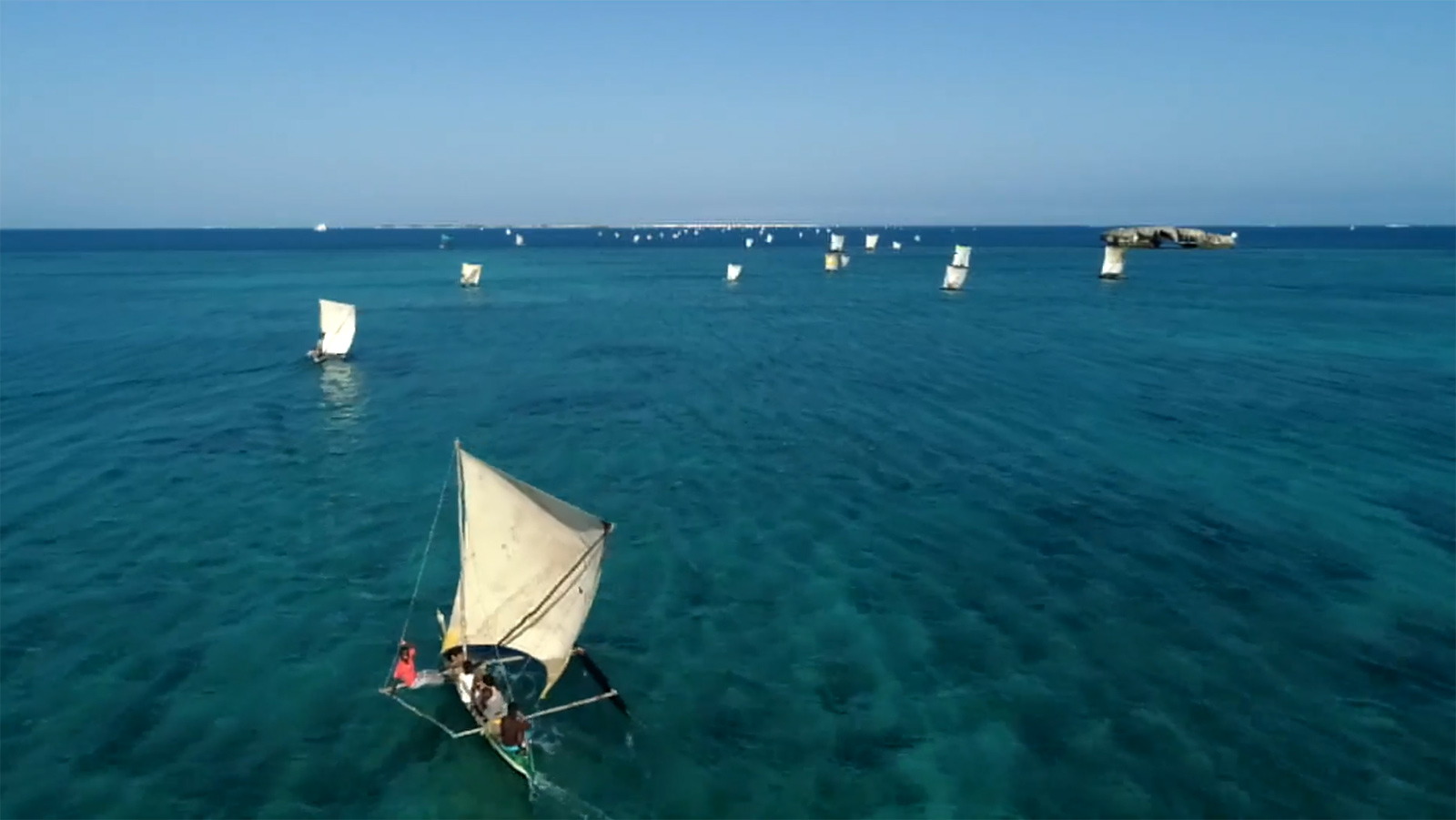
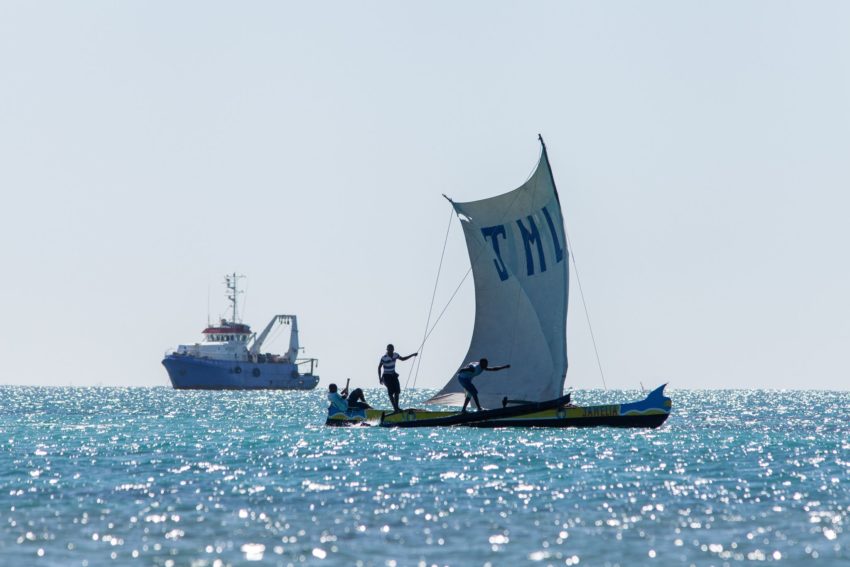
The creation of the Greater Cape Three Points Marine Protected Area, spanning around 700 square kilometres and home to 21 coastal communities, comes at a critical time. Coastal communities have faced declining catches for years, with growing pressure from industrial fishing in nearshore waters making it harder for small-scale fishers to sustain their livelihoods.
Marine protected areas, or MPAs, are sections of the ocean where activities are managed to protect marine life and habitats. In practice, this can mean setting limits on where and how fishing takes place, giving fish populations and ecosystems the space they need to recover. When they are well managed, these areas can help rebuild fish stocks over time, improving catches in surrounding waters and strengthening local food security.
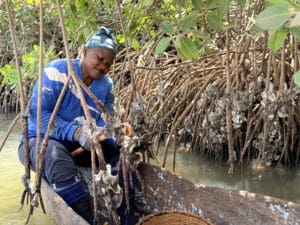
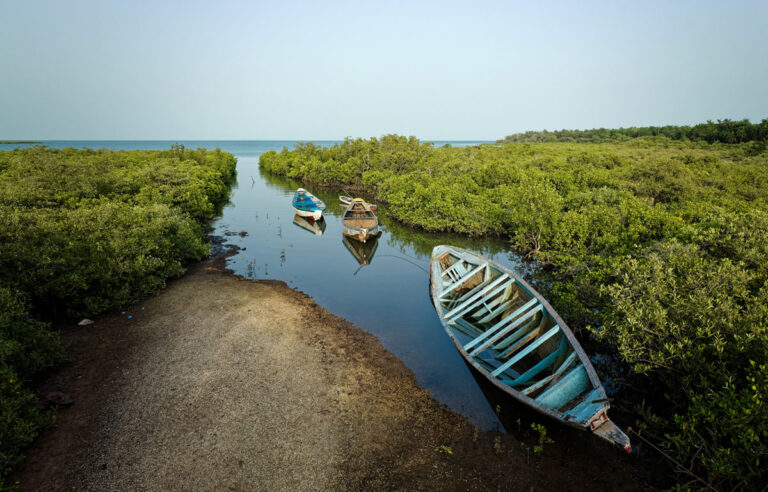
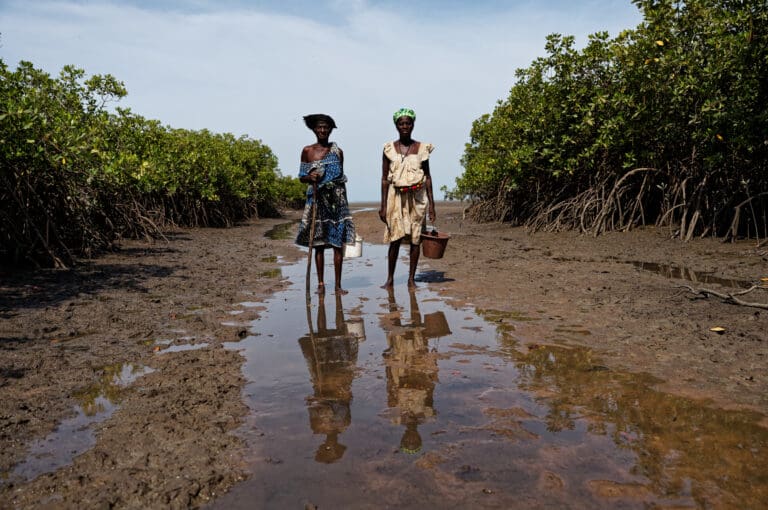
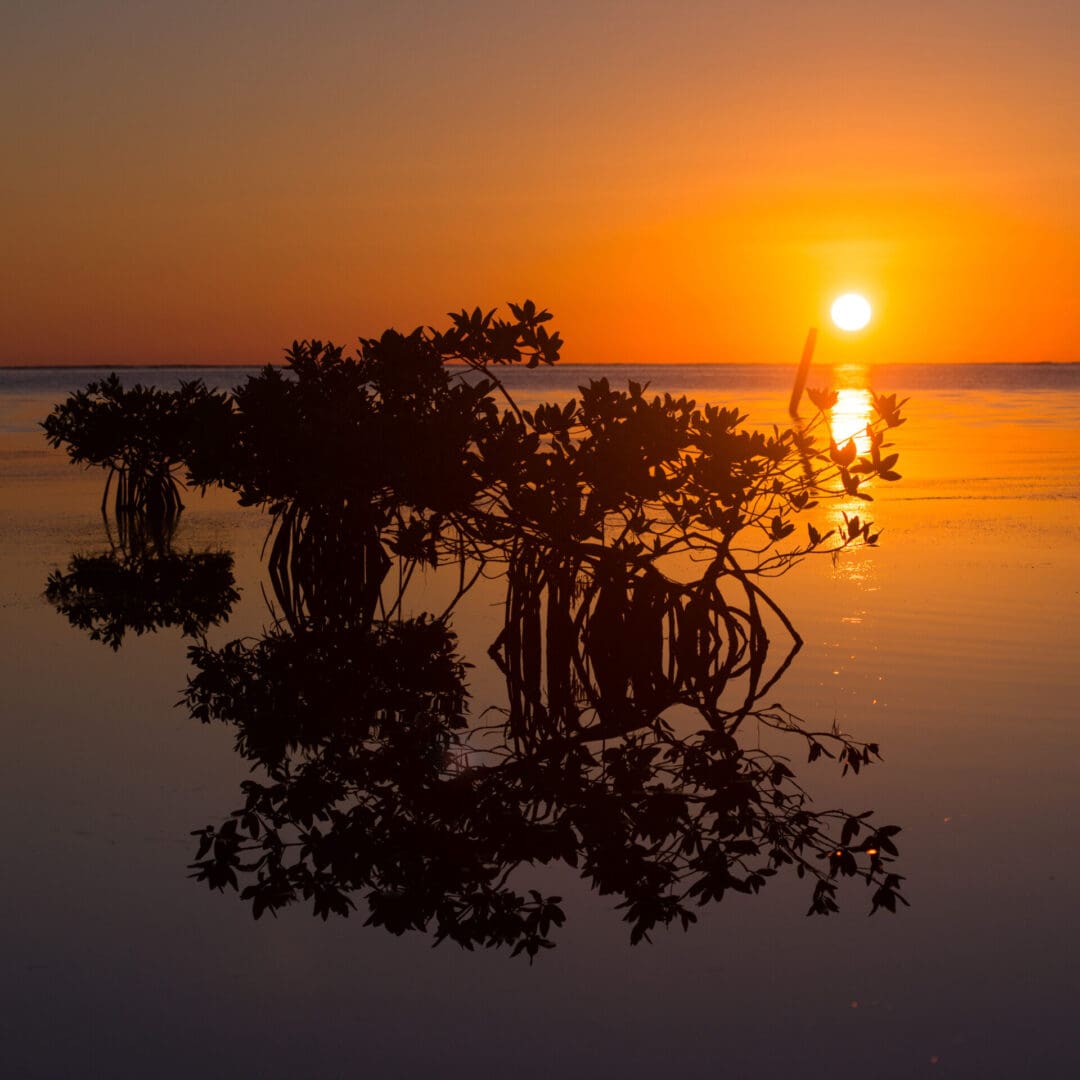
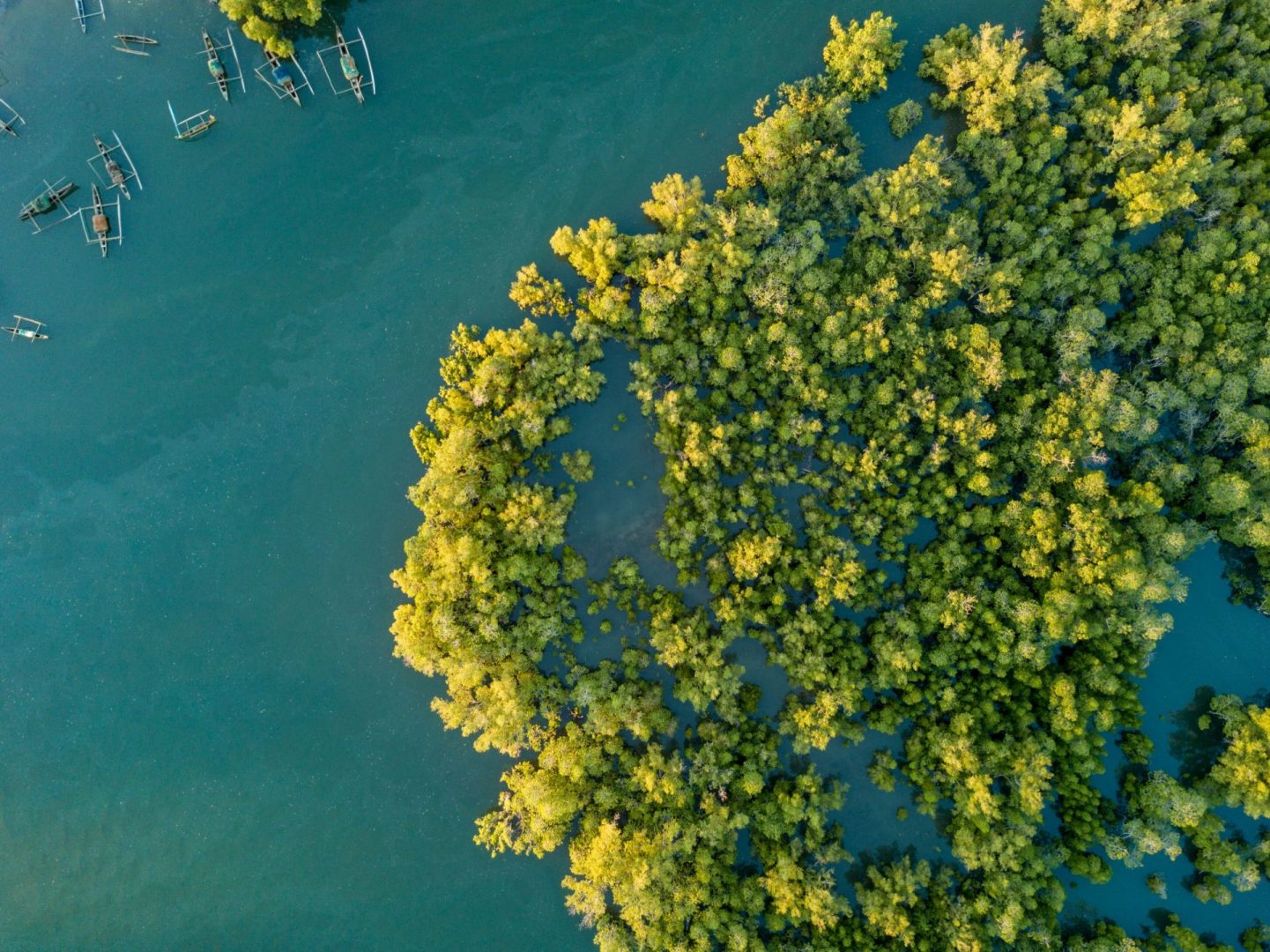
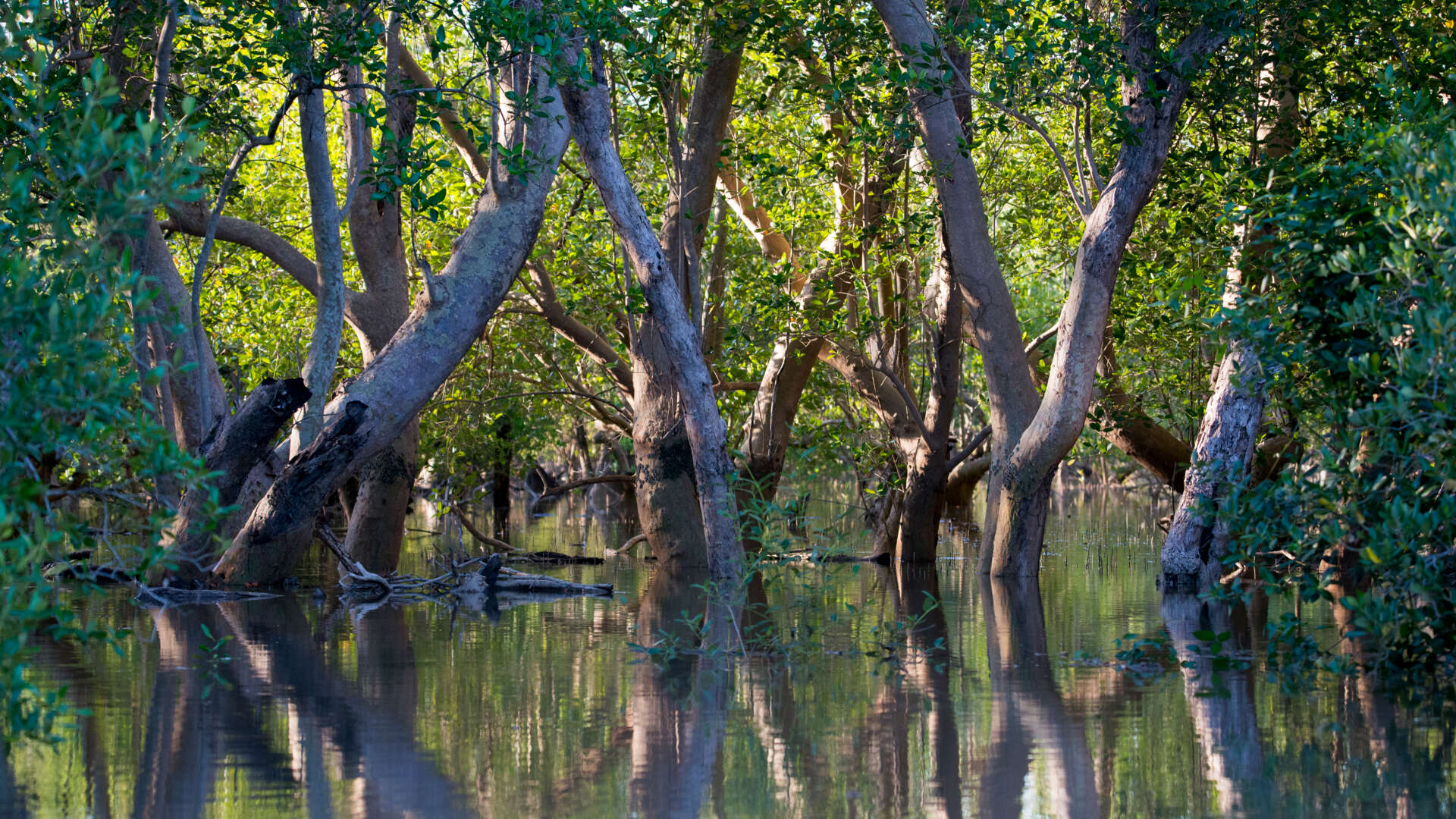
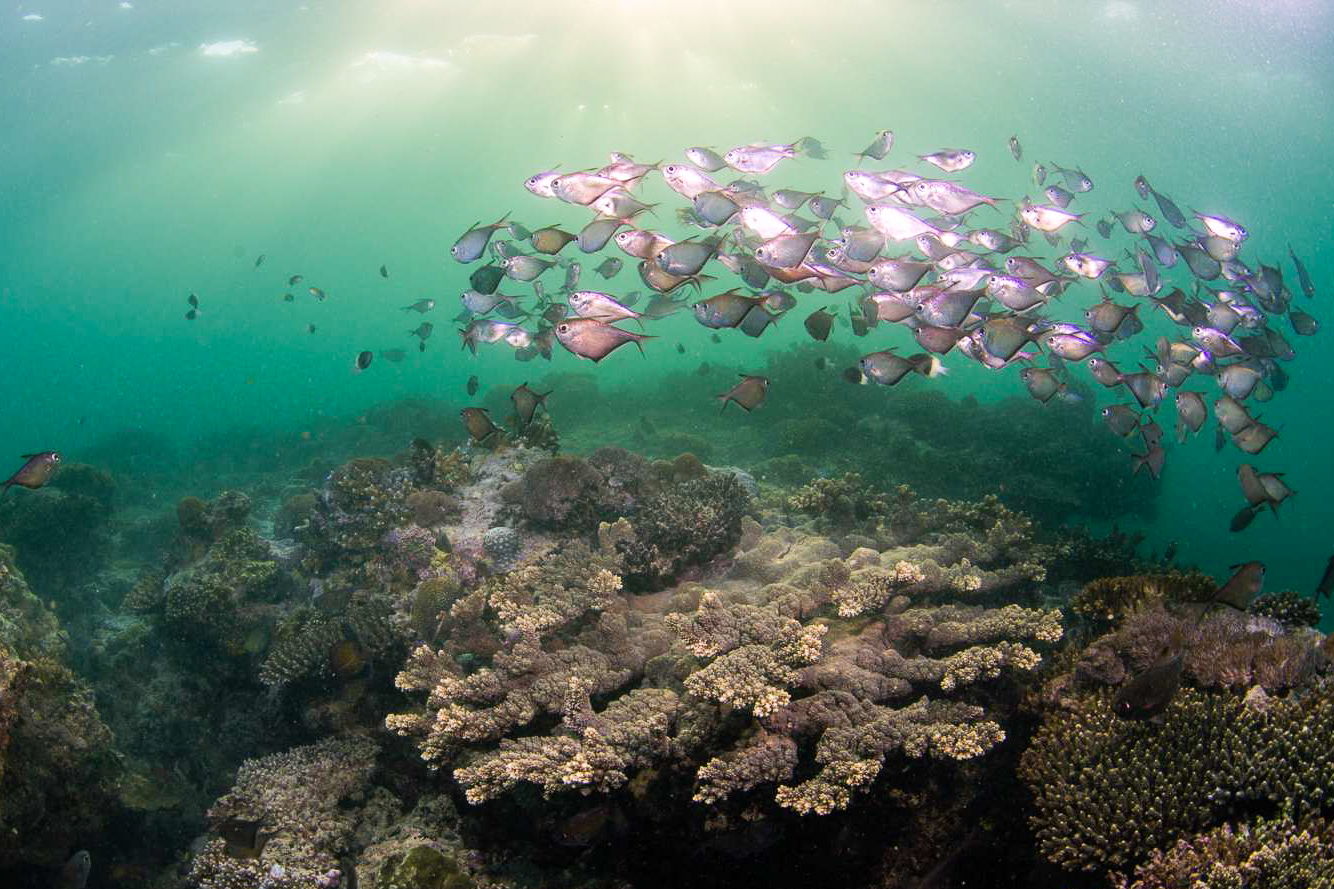
The waters around Greater Cape Three Points support a wide range of marine life, including small pelagic fish like sardinella, which many coastal communities rely on, as well as sea turtles, dolphins, and important reef habitats. Nearby mangroves and coastal ecosystems provide breeding and nursery grounds that sustain fisheries along this stretch of coast. Protecting this area helps secure the natural systems that fisher communities depend on every day.
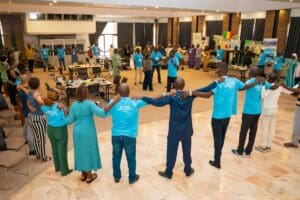
This milestone builds on growing national momentum, including the launch of Ghana’s new Fisheries Act marked at an event convened by the Ministry of Fisheries and Aquaculture last year, with support from Blue Ventures and other partners. Bringing together fishers and government representatives, the event saw commitments to advance marine protection, including the establishment of marine protected areas under the new fisheries framework.
For many small-scale fishers, it reflects years of advocacy for stronger protections and fairer access to coastal waters. The real test now lies in how the area is managed, and whether action is taken to address illegal and destructive fishing beyond its boundaries.
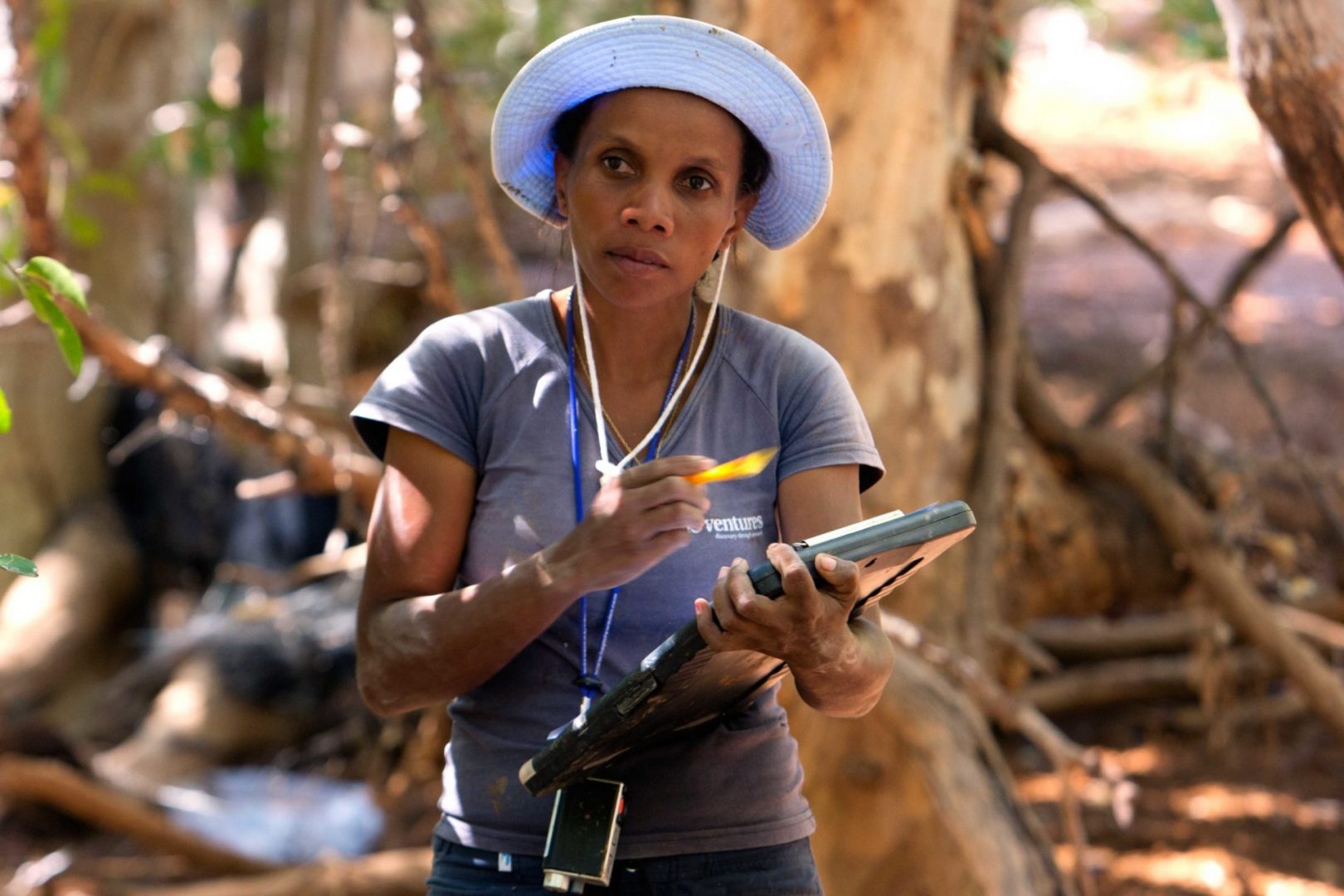
Early collaboration between Blue Ventures and Hen Mpoano, an NGO in Ghana, laid the groundwork that informed the establishment of this MPA, including research that deepened understanding of the Greater Cape Three Points coastline and its importance to fisheries and coastal biodiversity.
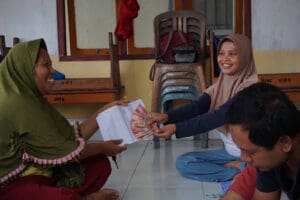
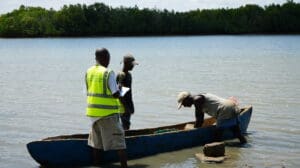
Today, Blue Ventures works alongside partners like the Canoe and Fishing Gear Owners Association of Ghana to make sure the voices of small-scale fishers are heard in these decisions. This includes the push to end bottom trawling and protect the Inshore Exclusive Zone. Together, these efforts focus on reducing the impact of industrial fishing and protecting small-scale fishers’ access to coastal waters.
Commenting on the establishment of the MPA, Prudence Wanko, Regional Director for West Africa at Blue Ventures, said:
“We welcome this step by the Government of Ghana. It reflects a growing recognition of the need to address the challenges facing coastal fisheries and protect the ecosystems that so many communities depend on.
There is a real opportunity here to do things differently. We have seen the commitment from fishers and grassroots organisations, and this decision creates space to build on that. Continued dialogue, strong management and enforcement will be important in making sure this delivers lasting change.”
Establishing the MPA provides an important foundation. What comes next will shape its impact, from how it is managed to how it connects with wider efforts to address illegal fishing and protect access to coastal waters.
Blue Ventures congratulates the Government of Ghana on this milestone and will continue working alongside national authorities, civil society organisations, and coastal communities to help ensure the MPA delivers lasting benefits for fisheries and the people who depend on them.