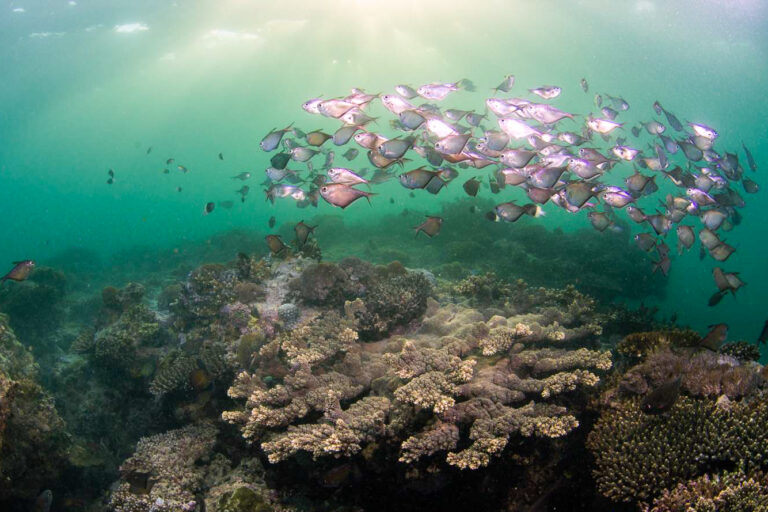
New research published this week has found that community-led marine conservation can increase the size of fish populations − a critical objective for conservationists working to protect coral reefs.
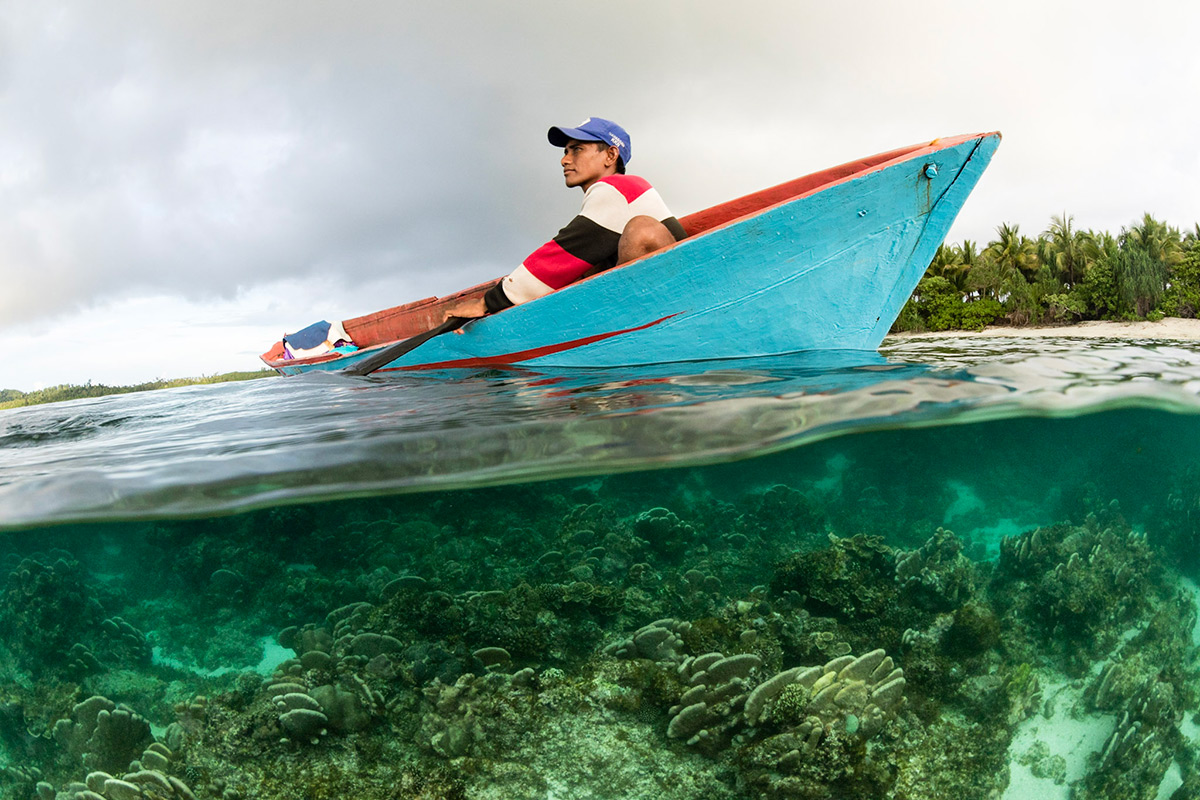
The study, published this week in the journal Ocean and Coastal Management, analysed data collected from five community-managed reserves (areas permanently protected from fishing) within the Velondriake Locally Managed Marine Area (LMMA) in southwest Madagascar.
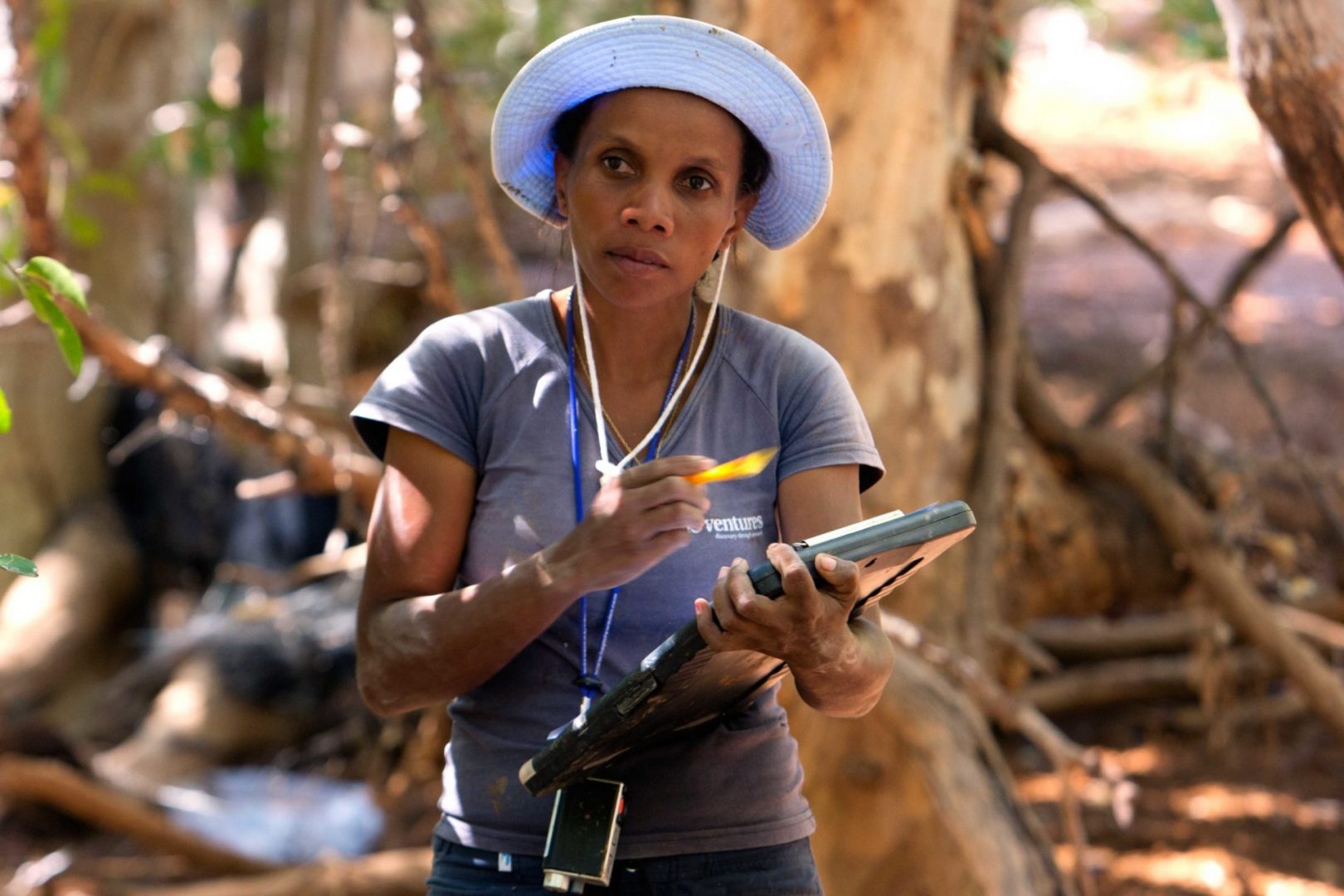
The reserves were studied over seven years by marine scientists and volunteers from Blue Ventures, and compared with five nearby fished ‘control’ sites. The study aimed to understand whether these reserves could have a positive effect on fish populations on local coral reefs.
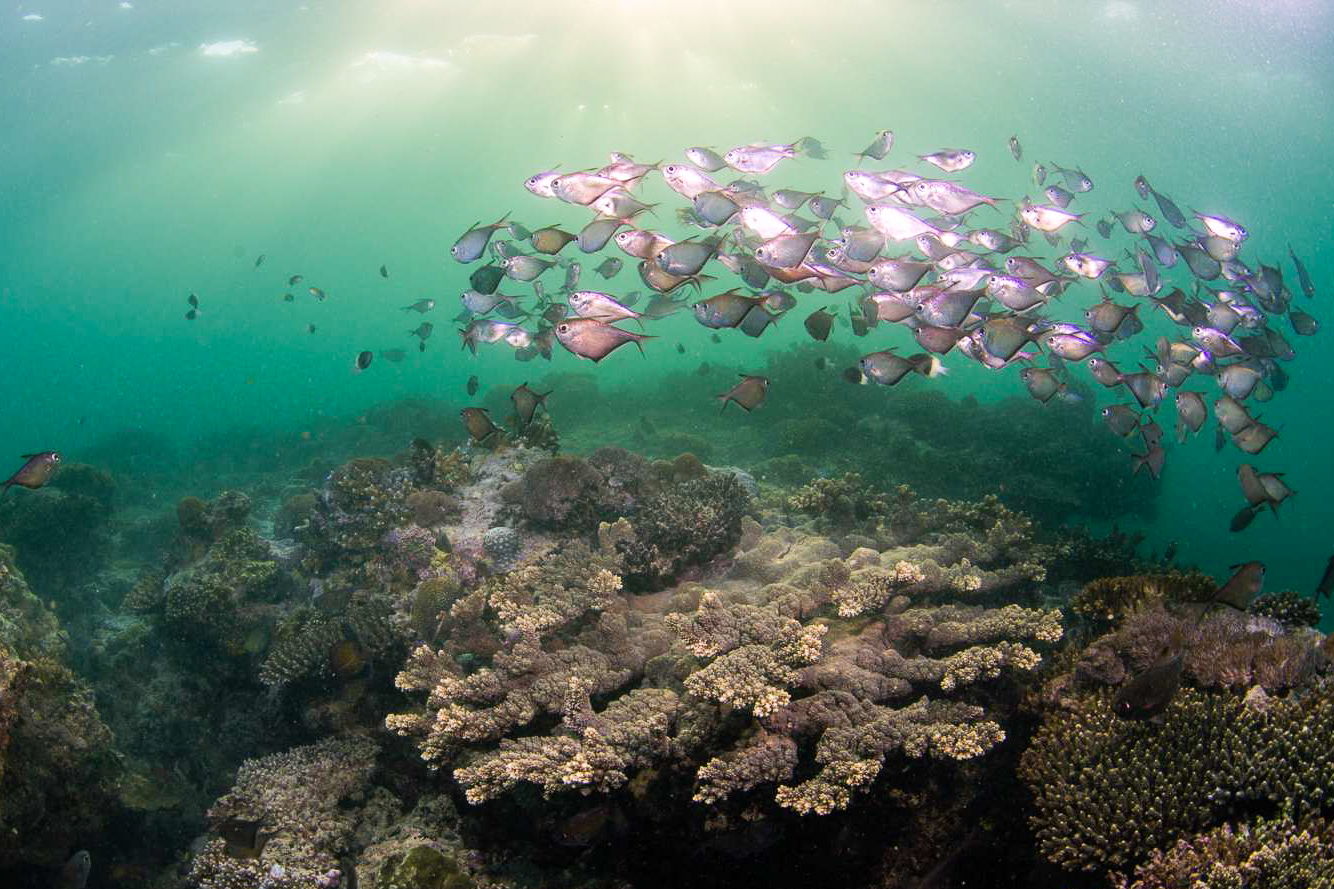
On each reef, the number and length of fish were surveyed by divers annually to estimate the total weight of fish found within a defined area. This is known as biomass, a simple but accurate method of assessing the health of marine ecosystems.
The reserves began to show improvements after just two years of protection, and after six years biomass rose to almost three times (189%) that of fished reefs. One reserve housed an extraordinary 6.5 times (555%) as much biomass as the fished control site. The research found that community-led marine conservation − the basis of Velondriake’s approach − can deliver compelling improvements to reef health.
“The idea that protecting areas from fishing can improve fish populations isn’t new − it’s been around for generations” said Hannah Gilchrist, the study’s lead author. “However very little ecological evidence supports the idea that fishing communities themselves − not governments or outside authorities − can manage the oceans in a way that leads to healthier reefs.”
Other studies have shown that on average, marine protected areas managed by the state or other outside authorities have just under twice as much biomass as fished sites − far less than the tripling of biomass seen in this research in a community-managed conservation initiative after six years.
It is particularly notable that this strong conservation result was achieved from a heavily depleted reef condition at the start of the study, in which fish biomass in the study was around half the typical level for western Indian Ocean reefs.

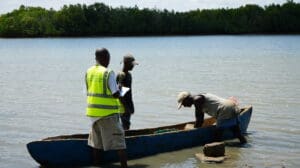
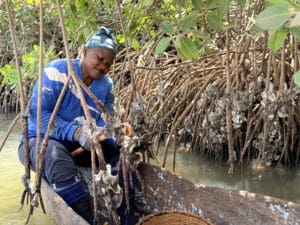
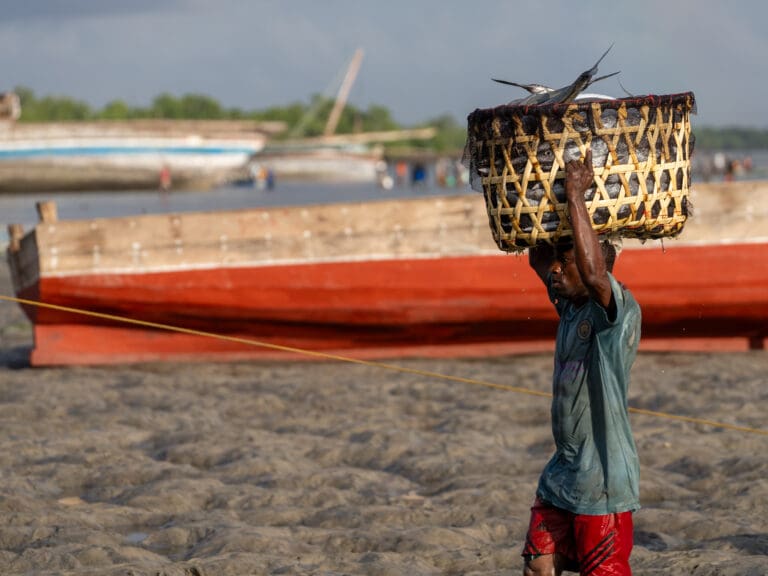
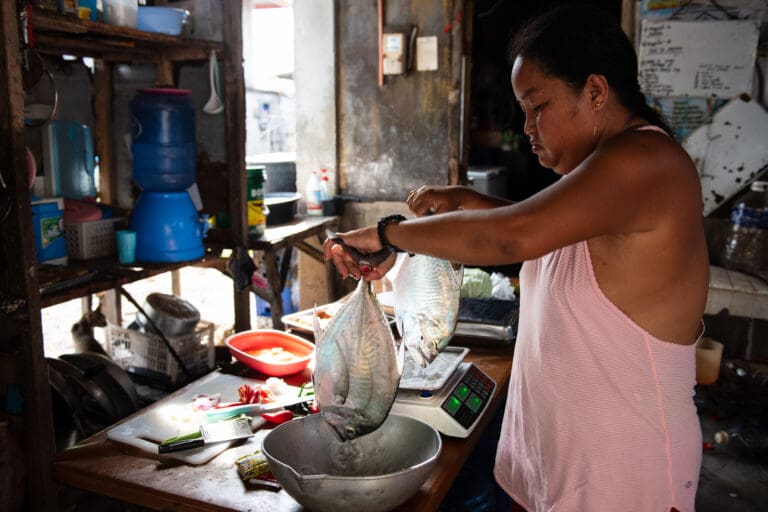
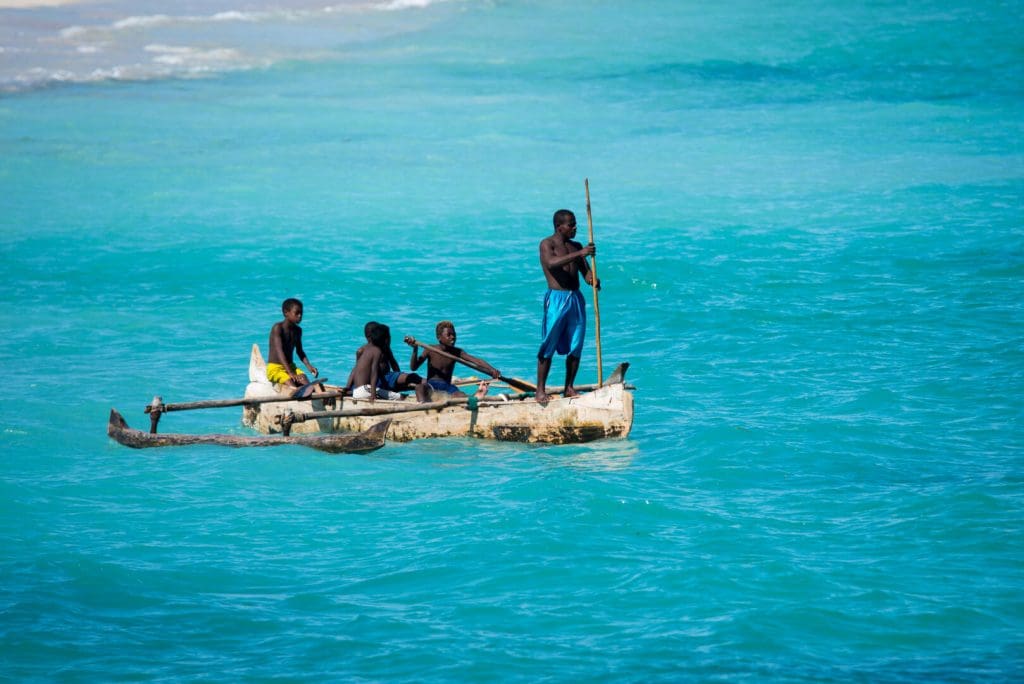
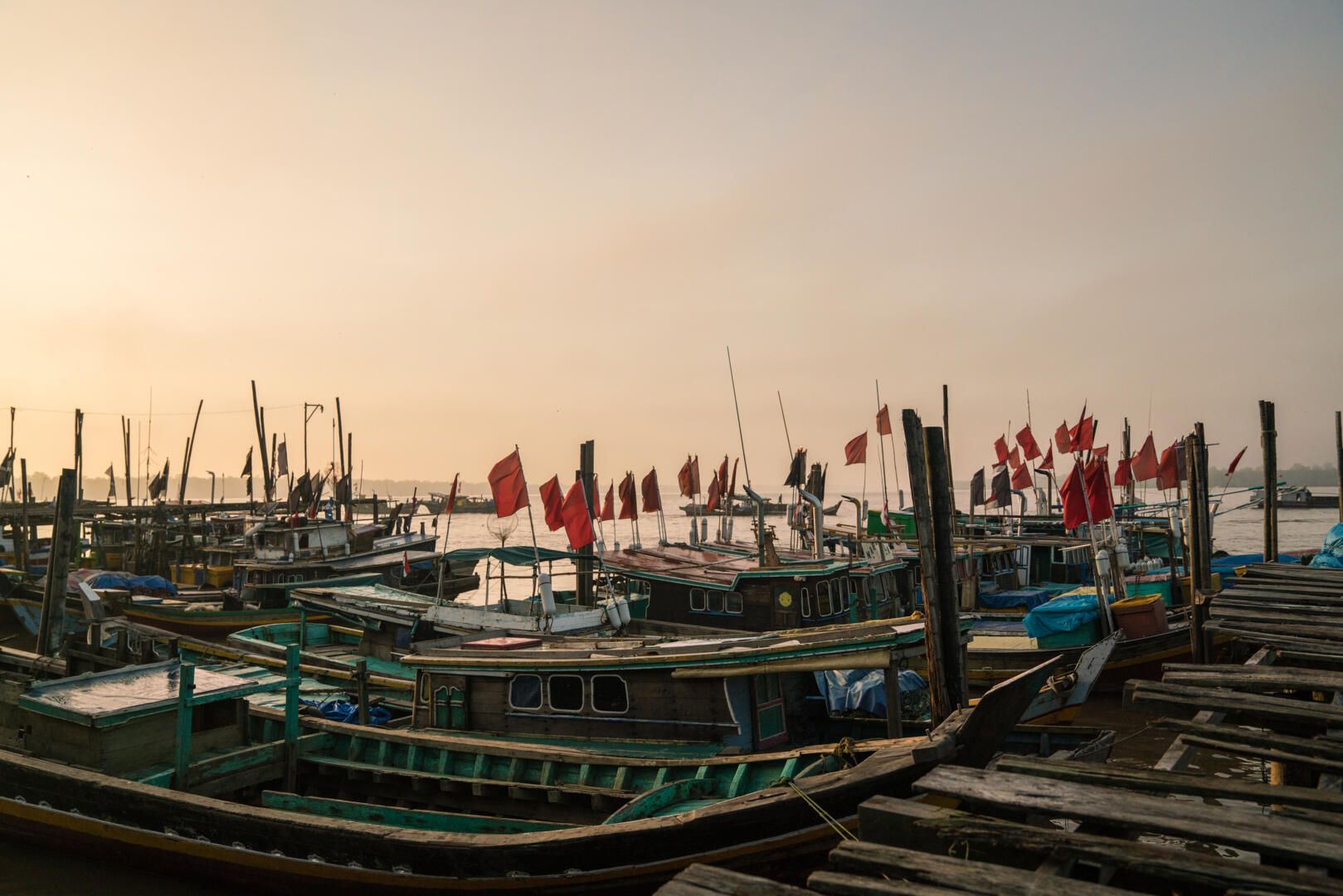
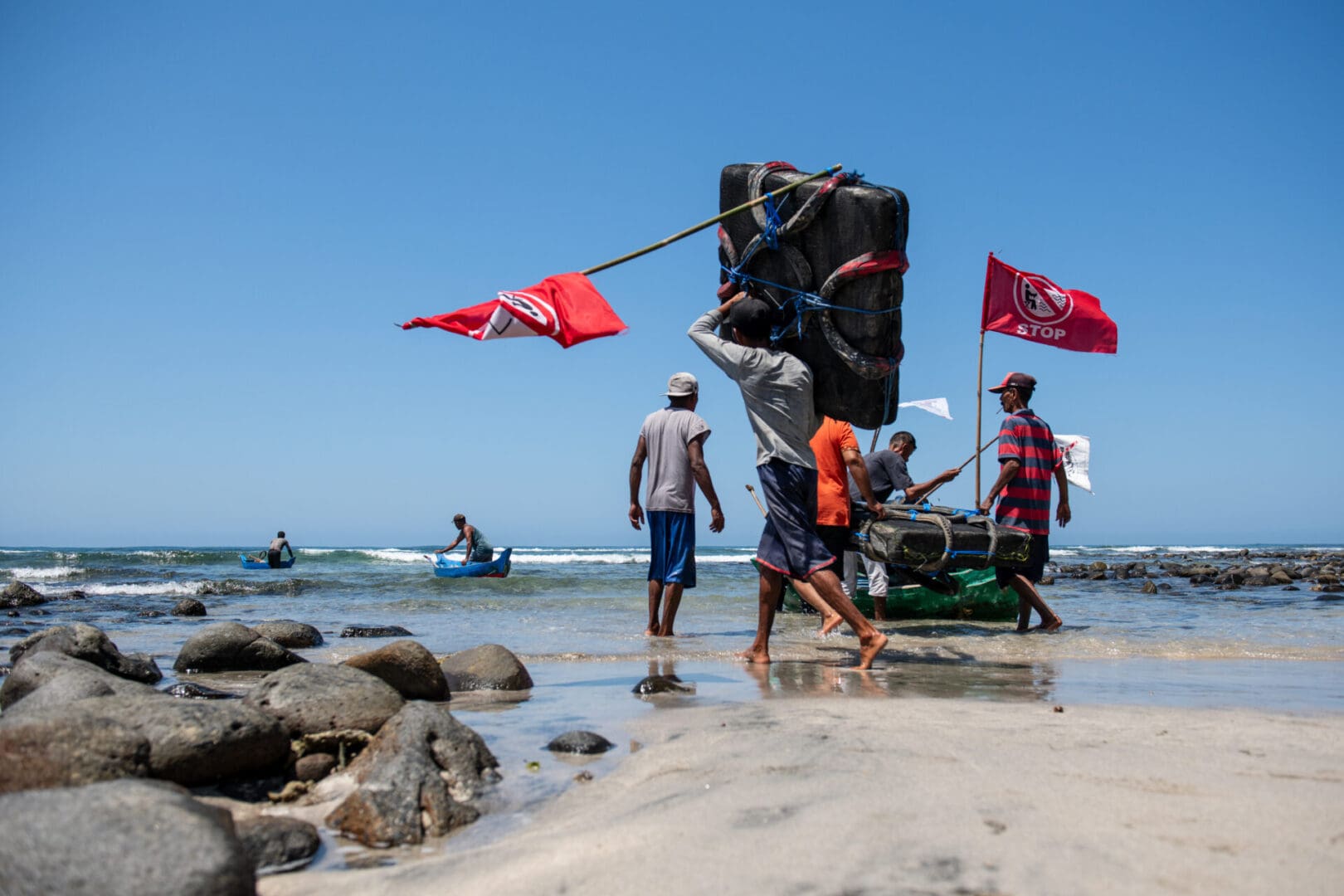
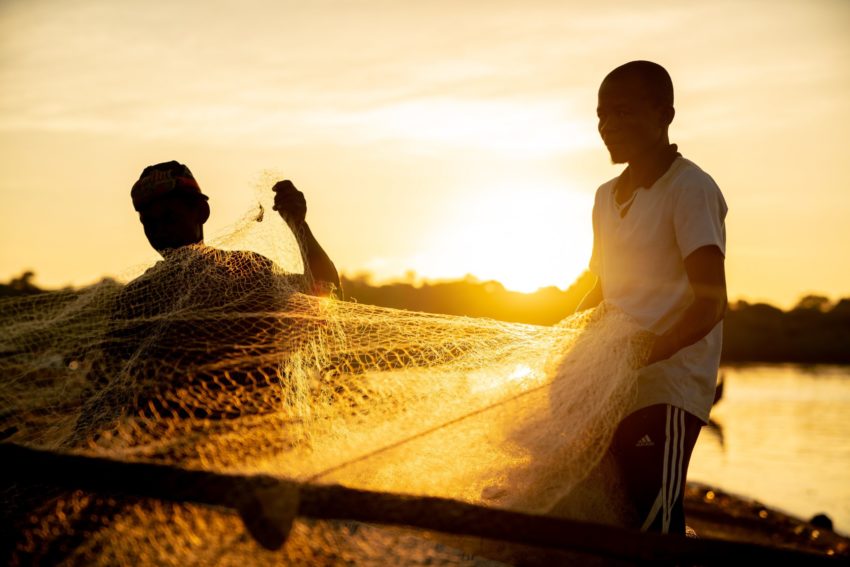
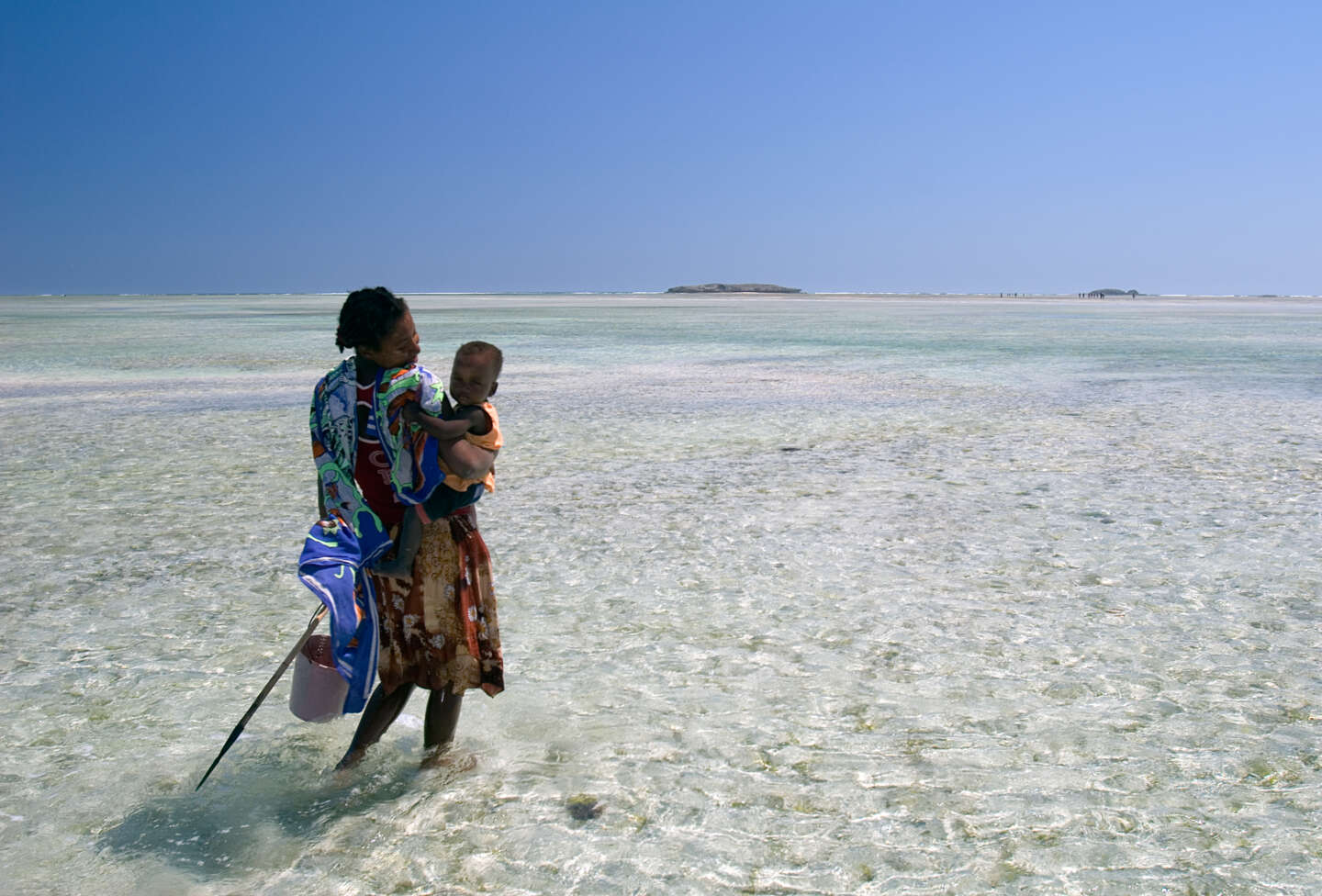
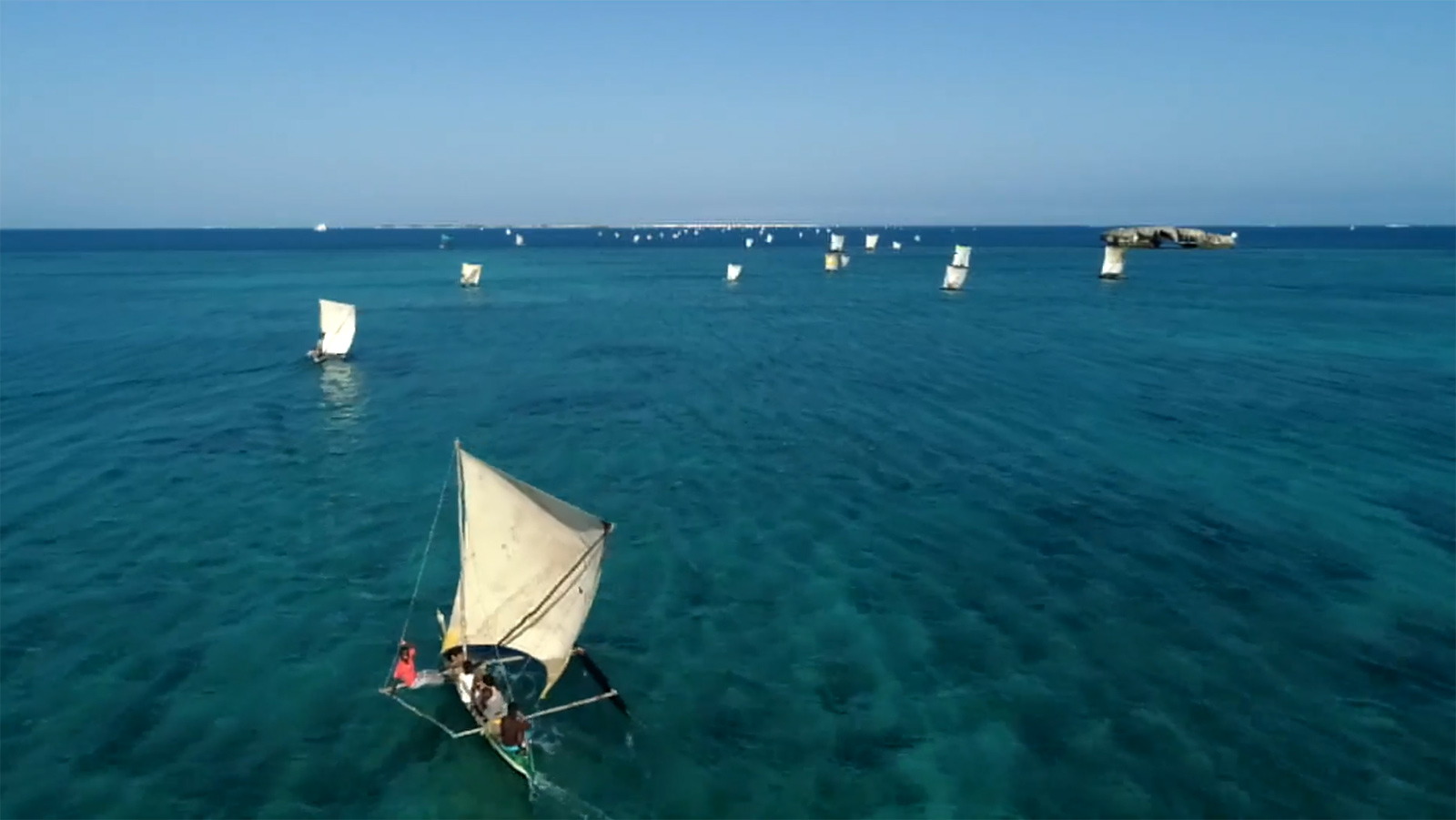
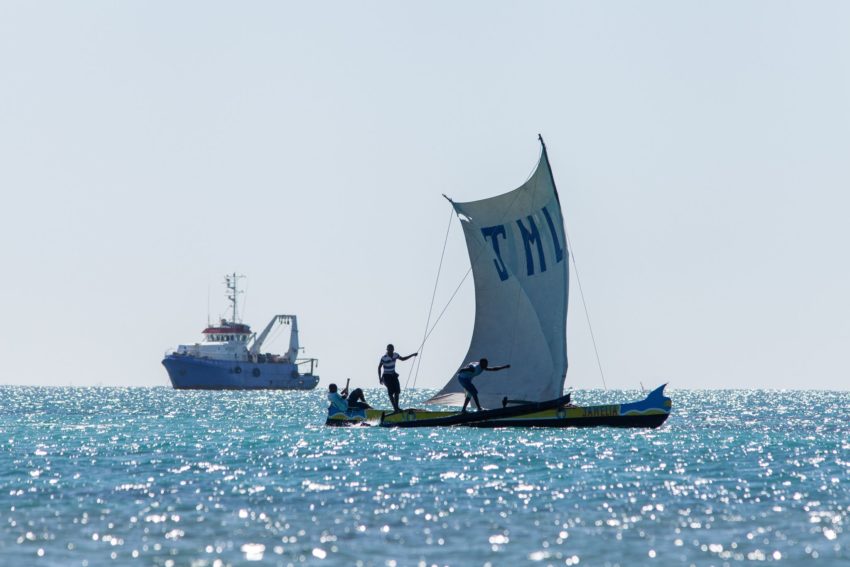
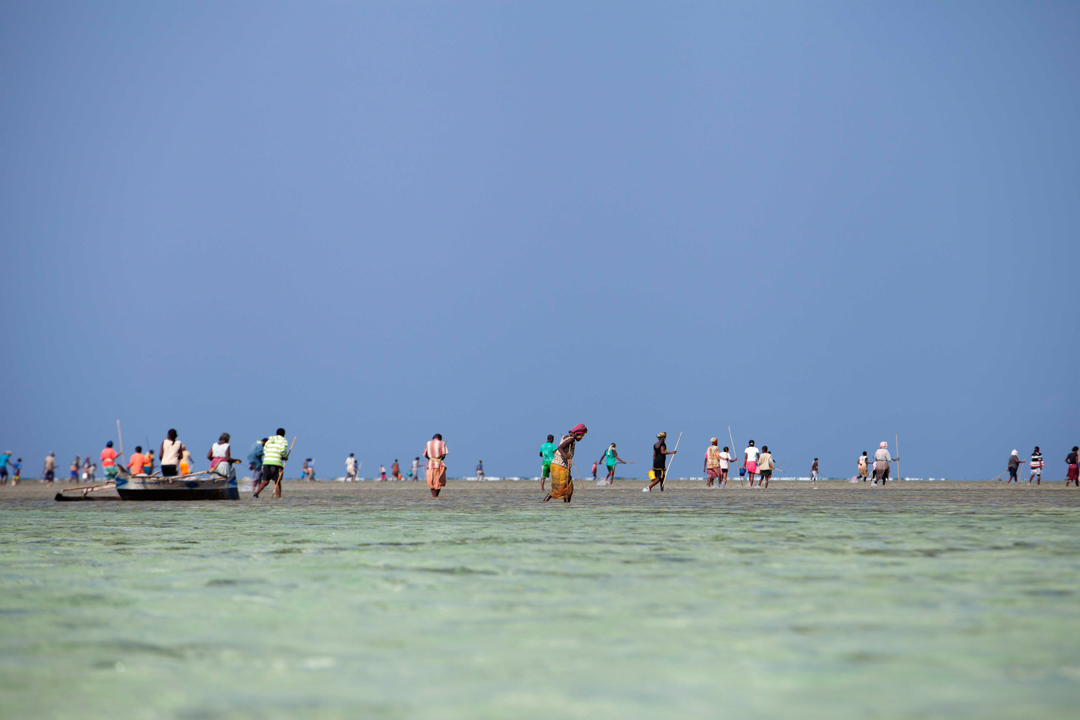
For many fishing communities reserves can be highly contentious, given the perceived risk around withdrawal of fishing access. Velondriake is no different: fishing is the mainstay of food security and income for the LMMA’s 8,000-strong population, employing 87% of the adult population and providing the sole protein source for 99% of household meals.
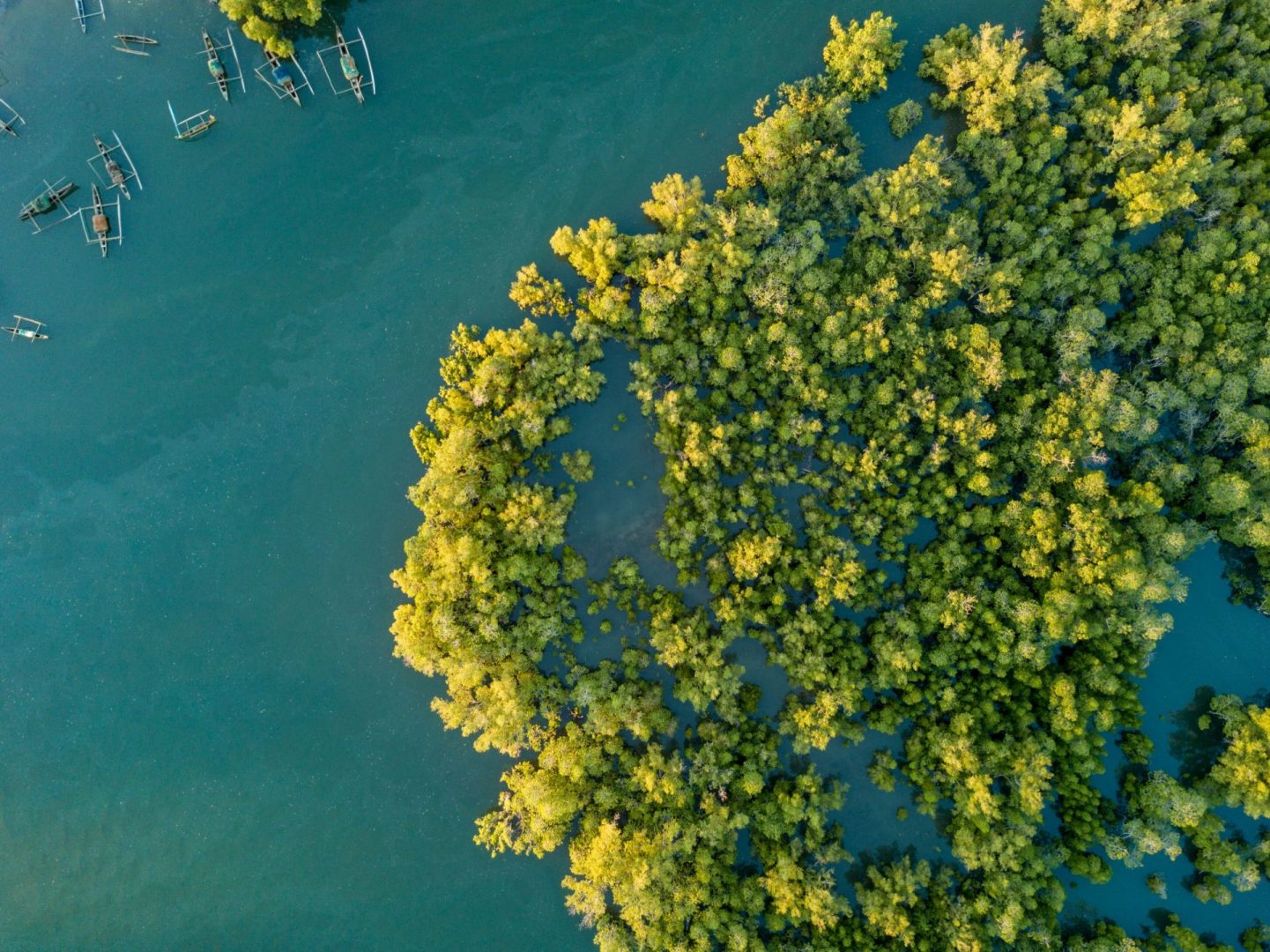
Communities in the Velondriake LMMA closed five coral reef fishing sites as reserves; the first in 2009 and the most recent in 2014. Reserve size ranges from 120 hectares to 1,000 hectares. Although substantially smaller than the 10,000 hectares recommended for conservation effectiveness, these modestly sized reserves were the largest areas that the communities of Velondriake felt able to set aside without impairing fishing livelihoods.
Nevertheless, the study showed that the reserves may be too small to benefit some of the fish that are preferred by fishers, and advised the Velondriake Association to expand at least one of the reserves to accommodate important food fish groups such as snapper, emperor and rabbitfish.
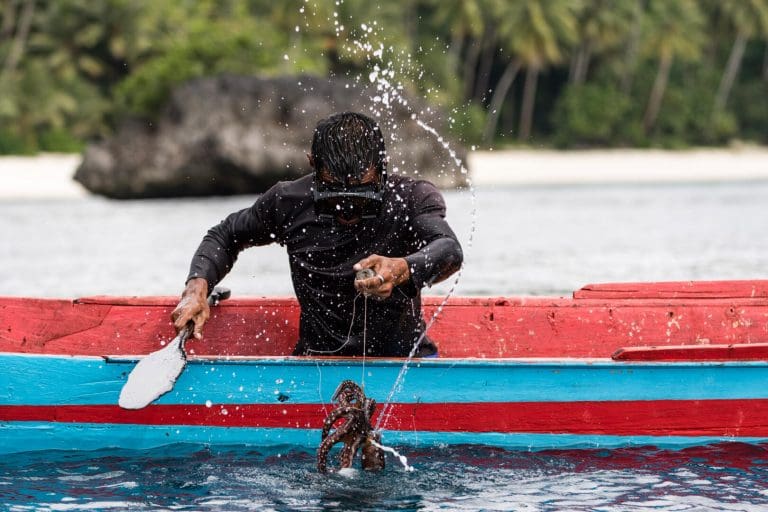
The introduction of Velondriake’s permanent reserves followed years of consultation with local communities, and built on communities’ positive experience of temporary closures for octopus fisheries which had produced significant gains to fisheries landings.
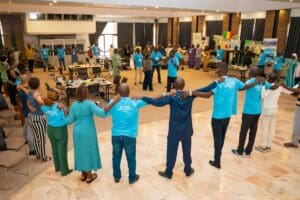
The findings have been shared with the Velondriake Association, the local body responsible for managing the 640km2 LMMA, and are helping guide discussions for adaptating and expanding conservation measures − including enlarging and establishing new reserves within the LMMA.
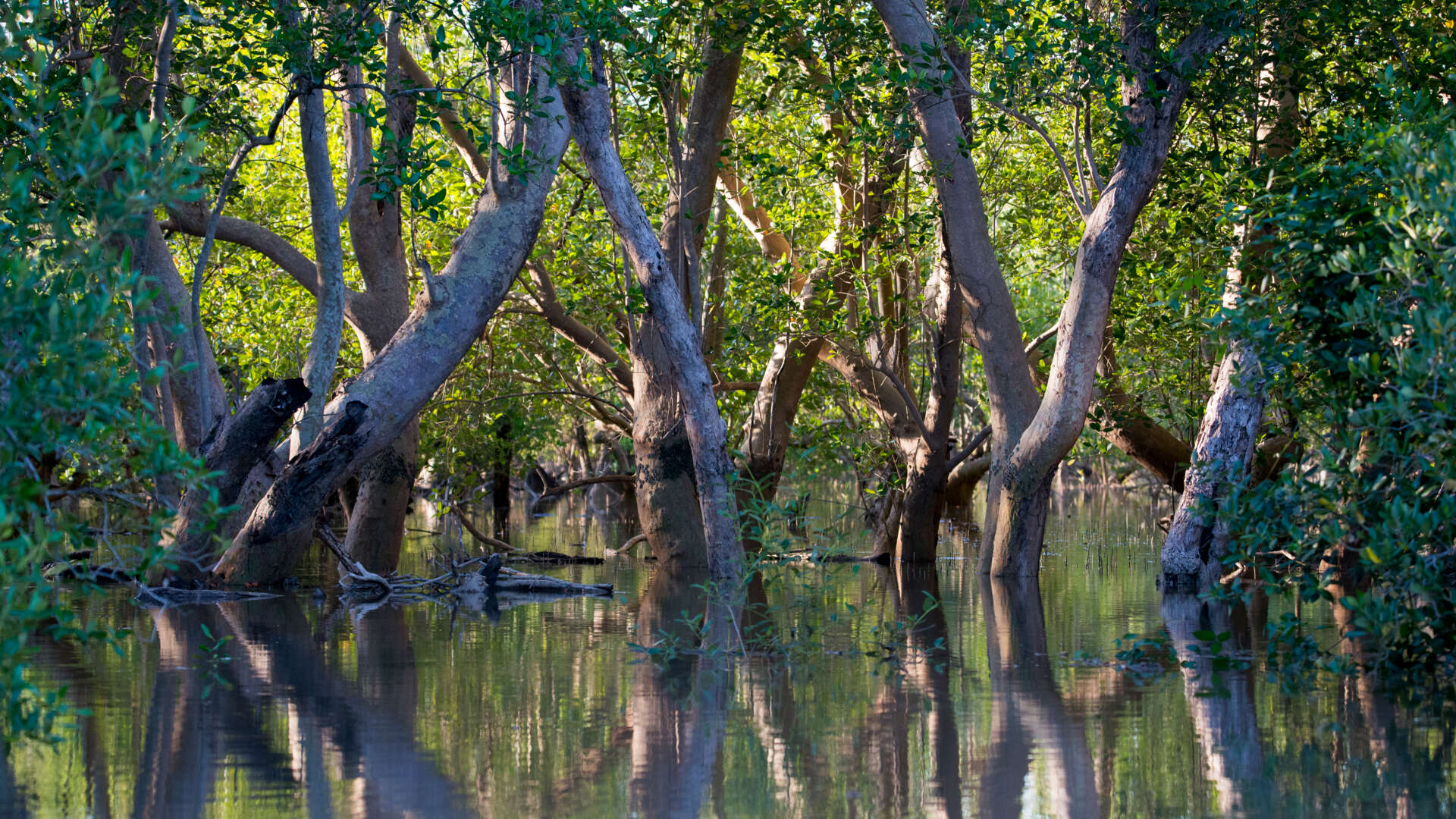
“Knowing that reserves are working is really inspiring for the communities in Velondriake. When we shared these results with the Velondriake Association it sparked lots of discussions about what it could mean for reserves in Velondriake. Ideas have included more reserves or bigger reserves that cover multiple habitats (mangrove, seagrass and reef). We are still discussing options with the communities and being led by what they want to do next.”
Bic Manahira, Ecologist and Dive Instructor, Andavadoaka
Building on the results of this study, Malagasy marine scientists are continuing these biomass surveys, and building the technical capacity of the Velondriake Association to be able to use data to inform locally led adaptive management in the long-term.
Research is now underway to establish whether ‘spillover’ of fish populations from the protected sites may be helping to replenish nearby fishing sites.

While there is evidence of improved catches as a result of local fisheries management, until now there has been little peer reviewed research showing biological benefits of community conservation. This new evidence of conservation effectiveness bolsters the cause of Madagascar’s growing community conservation movement. This movement now includes 178 LMMAs linked via the MIHARI Network, which is working to strengthen government support for community conservation, including through legal recognition of LMMAs and the rights of small-scale fishers.
In a country where food insecurity affects 65% of the population, and where 70% of people live under the poverty line, effective locally led marine conservation is a critical route to safeguarding the food security and livelihoods of coastal communities.
Global marine conservation targets are not being met, and many government-led marine protected areas are failing to achieve any kind of conservation outcomes. This research provides compelling evidence of the effectiveness of LMMAs, and the critical role they can play in achieving conservation outcomes through a human rights-based approach.
Read the full paper in Ocean and Coastal Management
Discover how community-led conservation leads to more fish in the sea
We are grateful to the many field scientists and fishers who aided in the collection of data for this study in addition to all staff and volunteers involved in Blue Ventures Expeditions programme, without whom the monitoring and our final dataset would not have been possible. Specific thanks go to the Velondriake LMMA Management Association for allowing us to survey inside their CMNTZs, Bic Manahira and James Paul who were involved in counting the majority of the 77,906 fishes included in our analysis, and boat captains through the years whose invaluable knowledge of the southwest coast of Madagascar has kept our colleagues safe in the water.