A group of women in this new nation are creating innovative recipes for resilient livelihoods in their fishing communities.
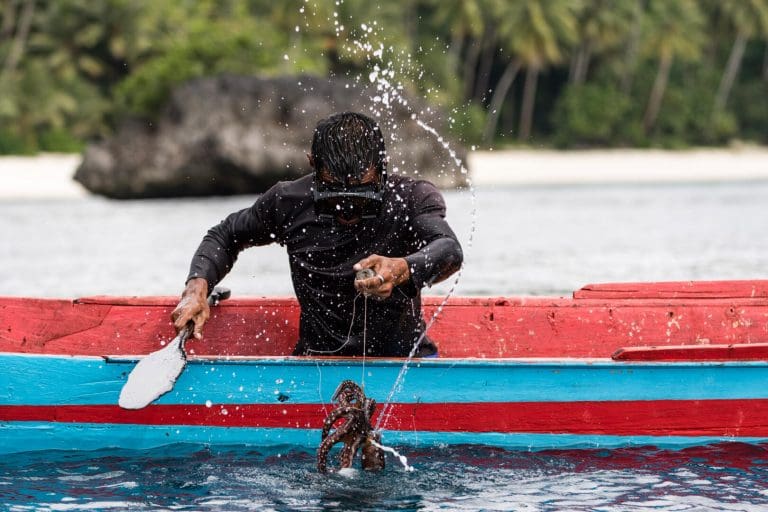
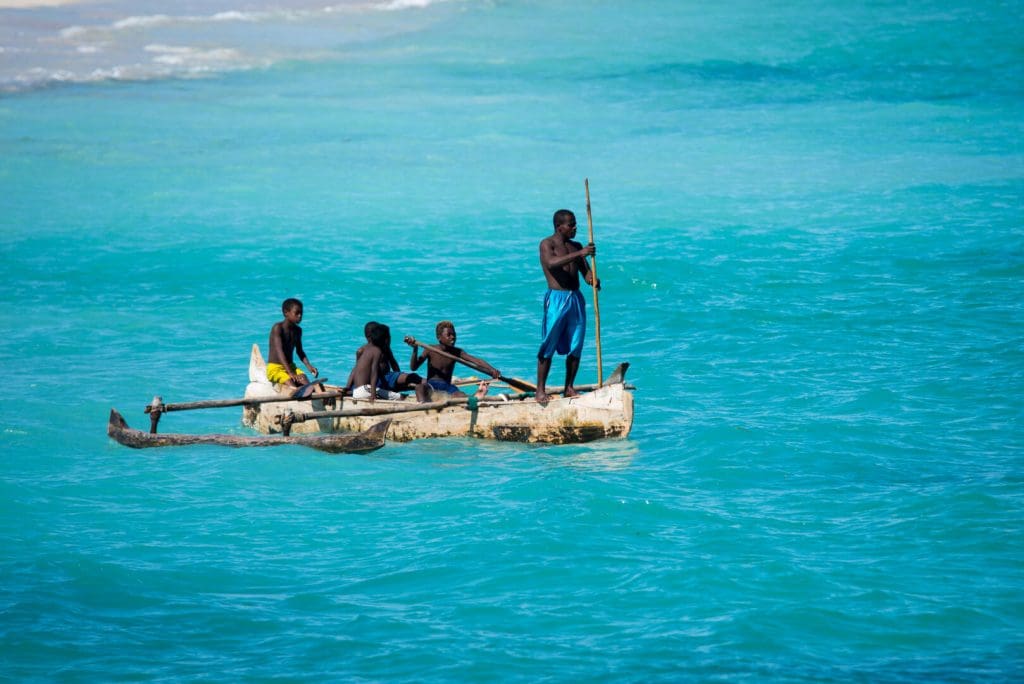
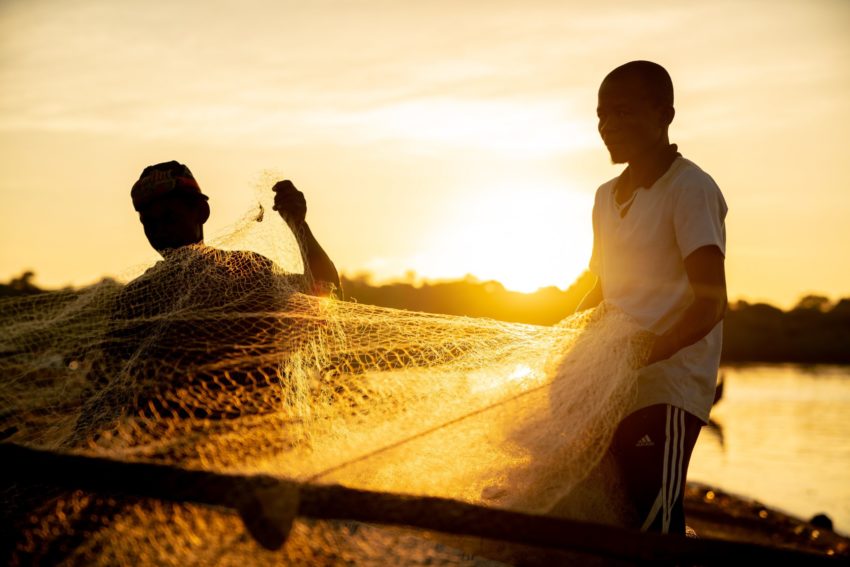
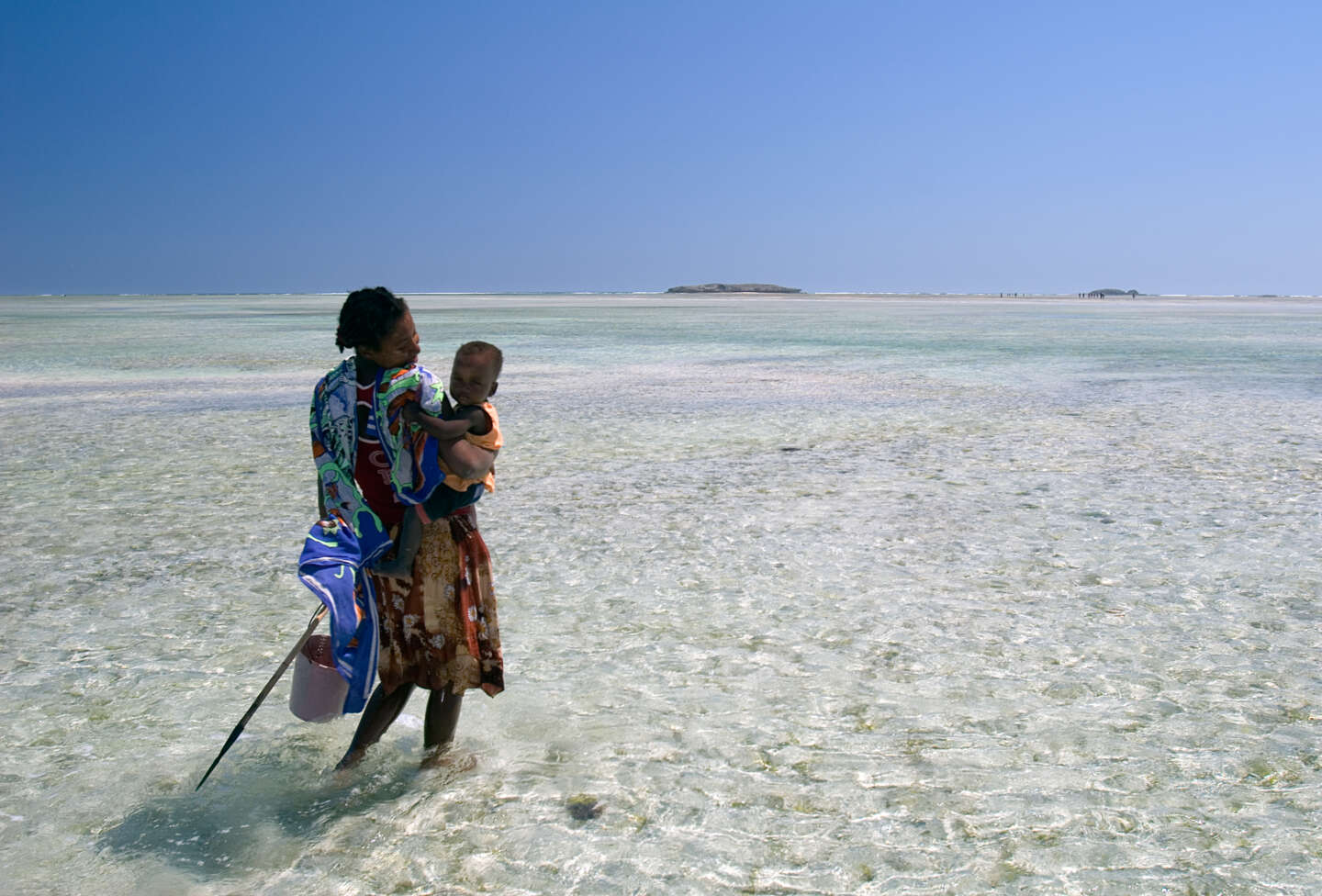
Living by the sea doesn’t necessarily translate to an abundance of food or economic stability. Adaptive solutions are often needed to ensure adequate income and nutrition for the tens of thousands of people who live along Timor-Leste’s coastline.
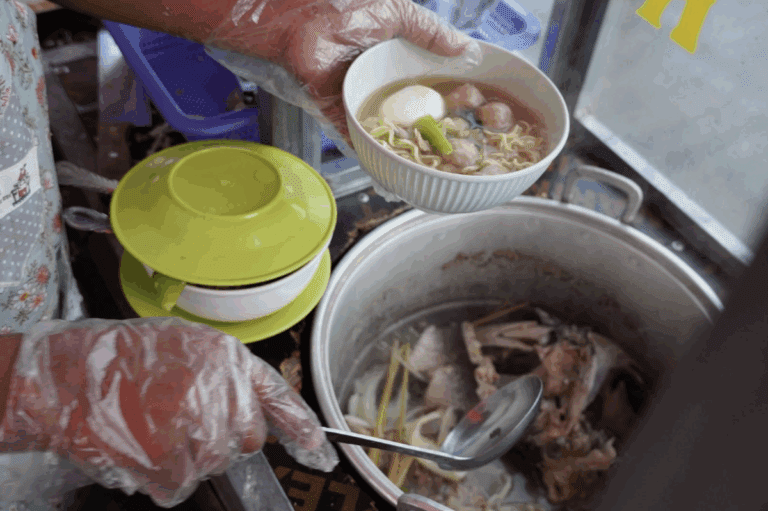
In Ilamano, Manatuto municipality, a group of women is innovating by transforming local catches into tasty, handmade fish balls—reviving their food supply, nourishing their community, and strengthening the local economy, one bite at a time.
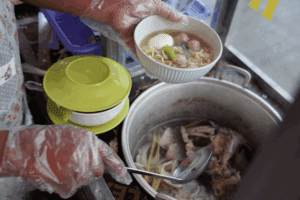 Local, fresh, and tasty fish balls freshly produced by women in Ilimano, Manatuto Municipality, Timor-Leste. Photo: Ricardo Valente| Blue Ventures
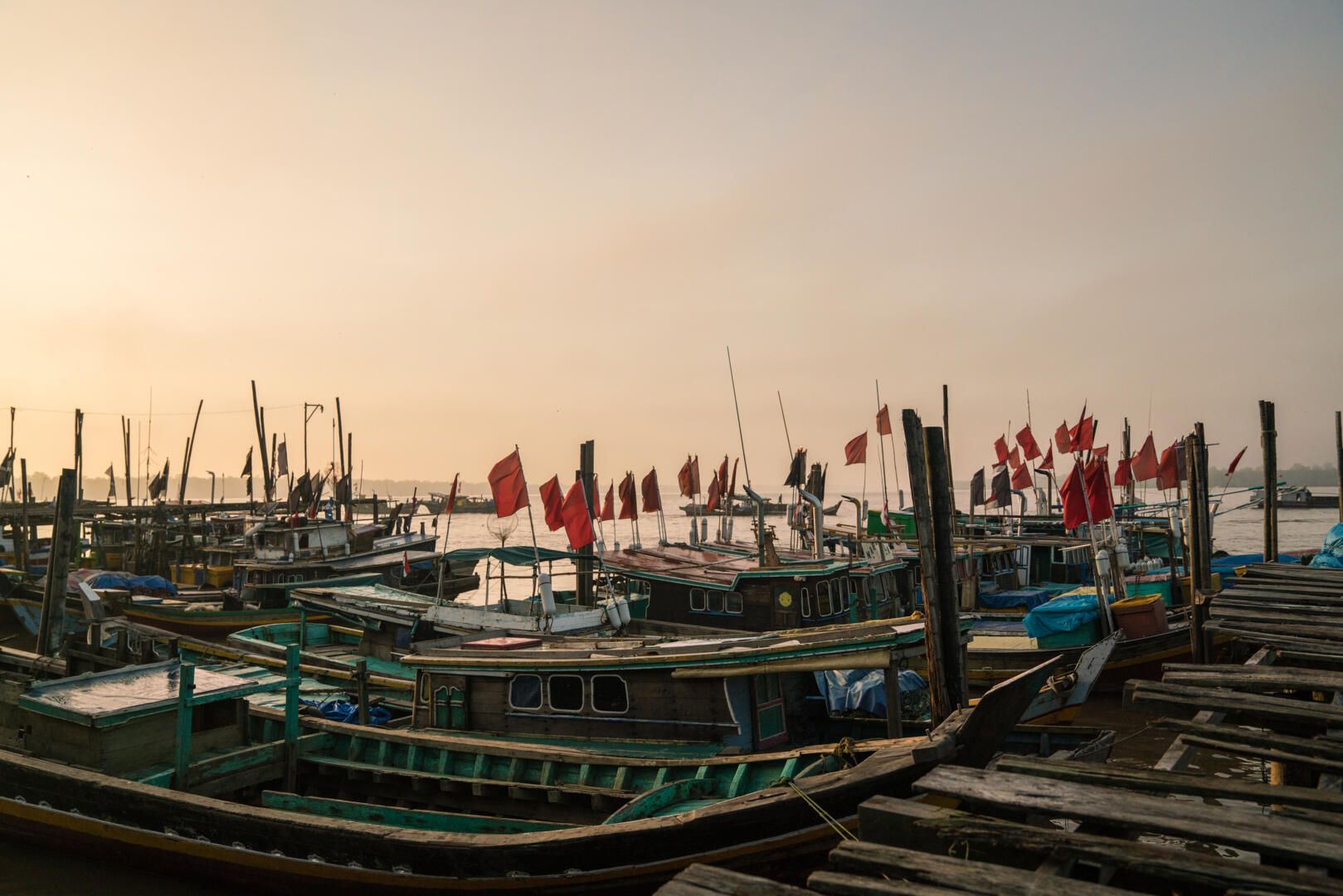
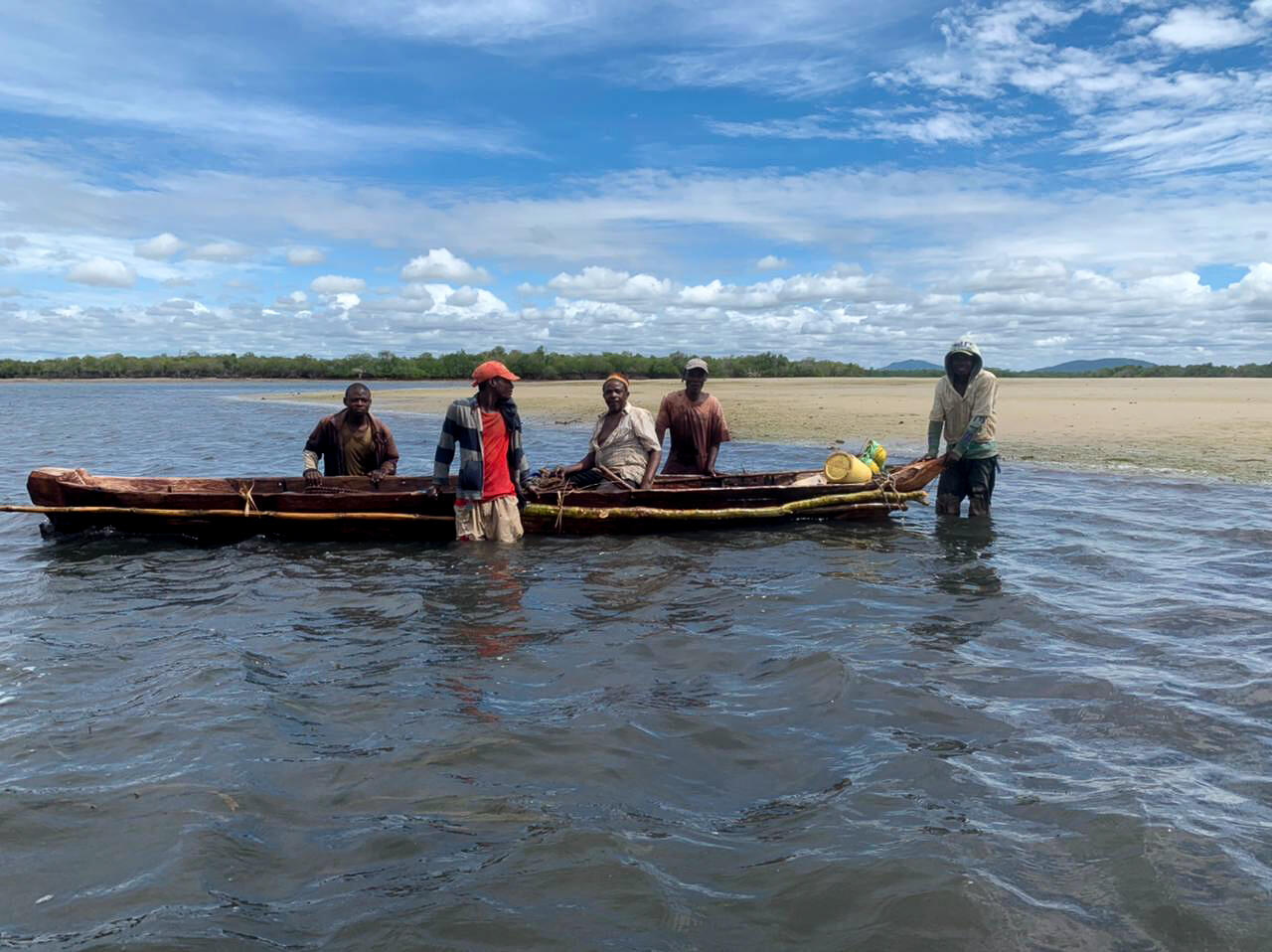
Despite its abundance of marine life, Ilimano, known as one of the country’s largest fishing communities, faces persistent challenges. Seasonal fluctuations, overfishing, past destructive fishing practices, limited market access, and the growing impacts of climate change continue to threaten both household incomes and the community’s nutritional needs.
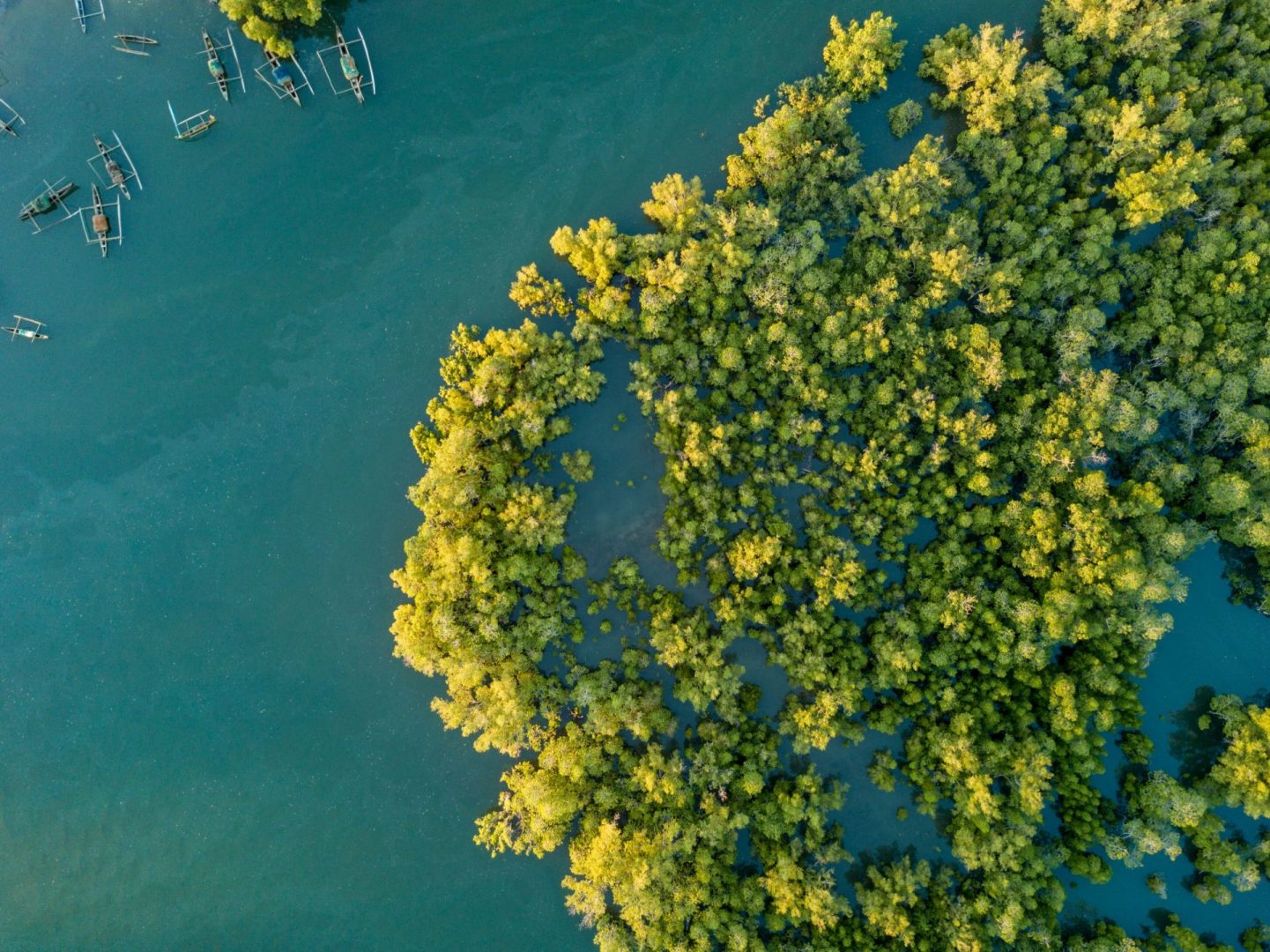
To safeguard their future, villagers have turned to local solutions. They’ve established a locally managed marine area (LMMA) and revived Tara Bandu, a traditional customary law that governs the use of natural resources.
But while the sea is gradually recovering, a different challenge plays out onshore: many families still underestimate the value of their own nutrient-rich fish, opting instead for store-bought alternatives that are more expensive and often less nutritious. Seafood product diversification can redress this by boosting nutrition and strengthening economic resilience, particularly for women along the coastline.
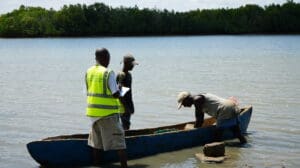
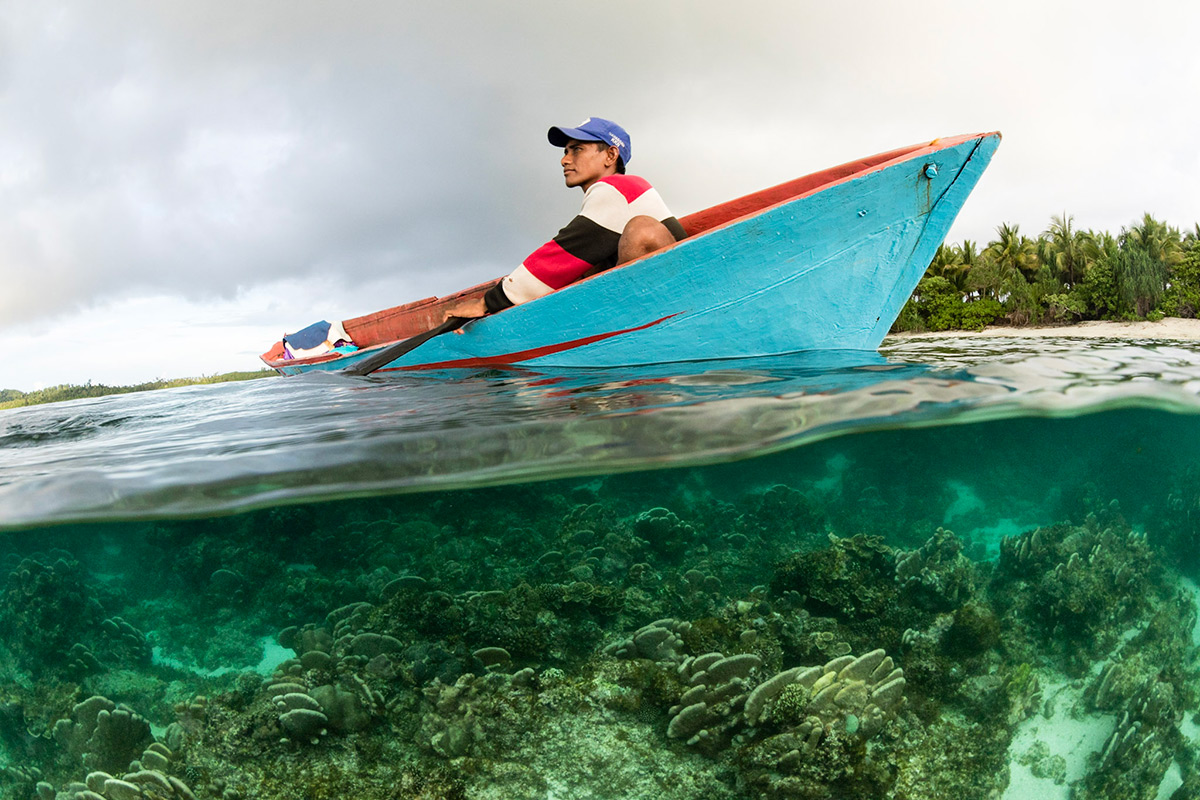
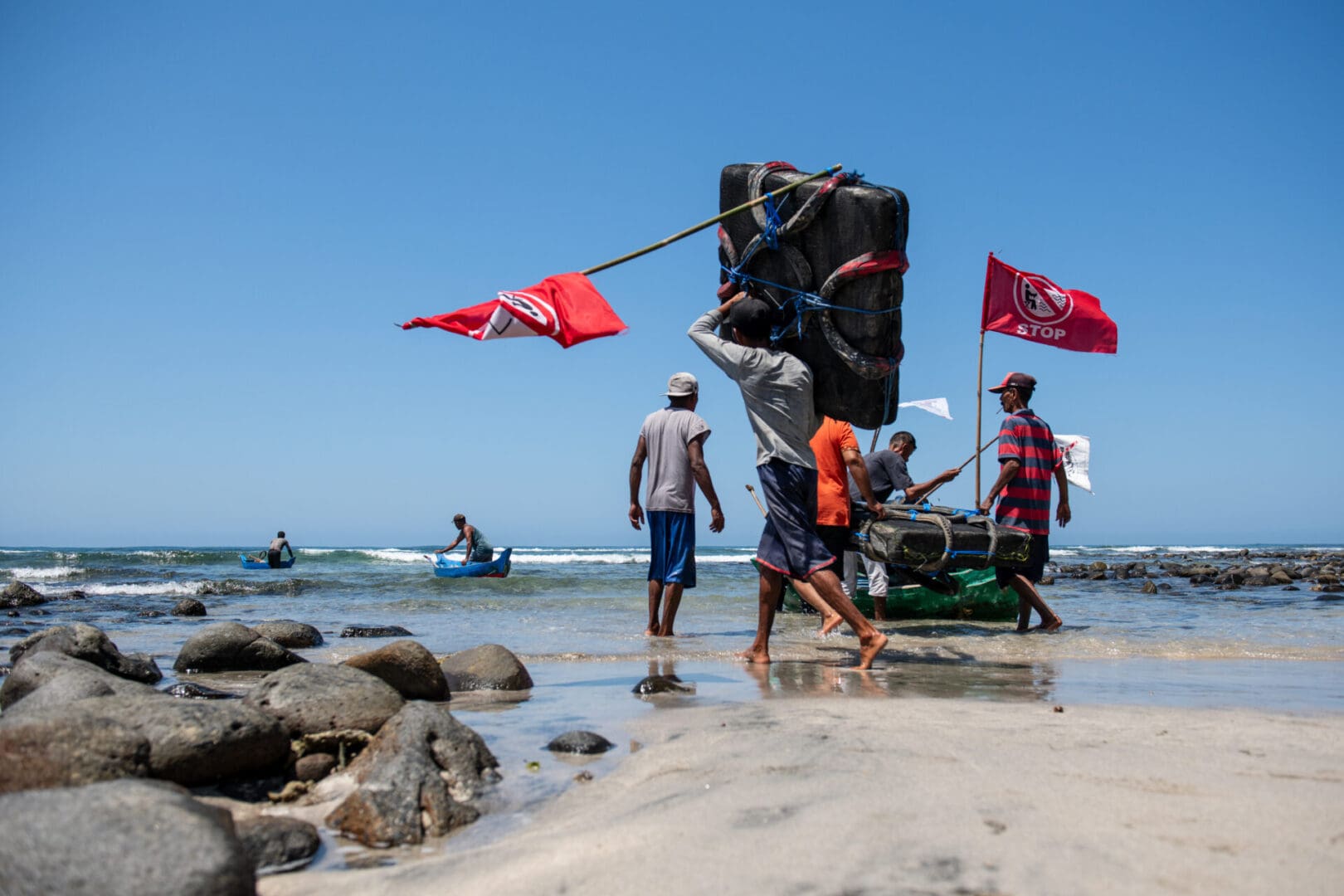
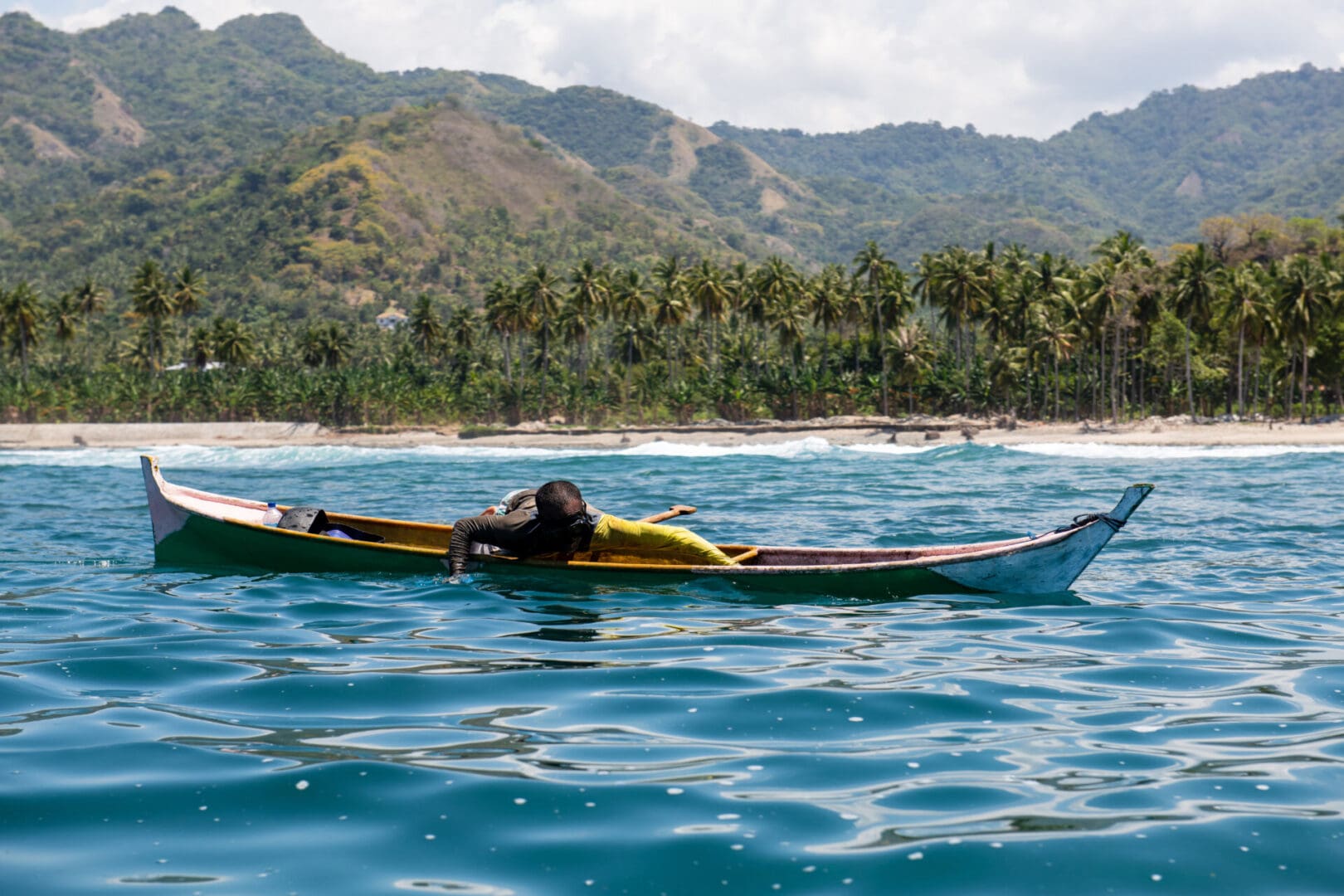
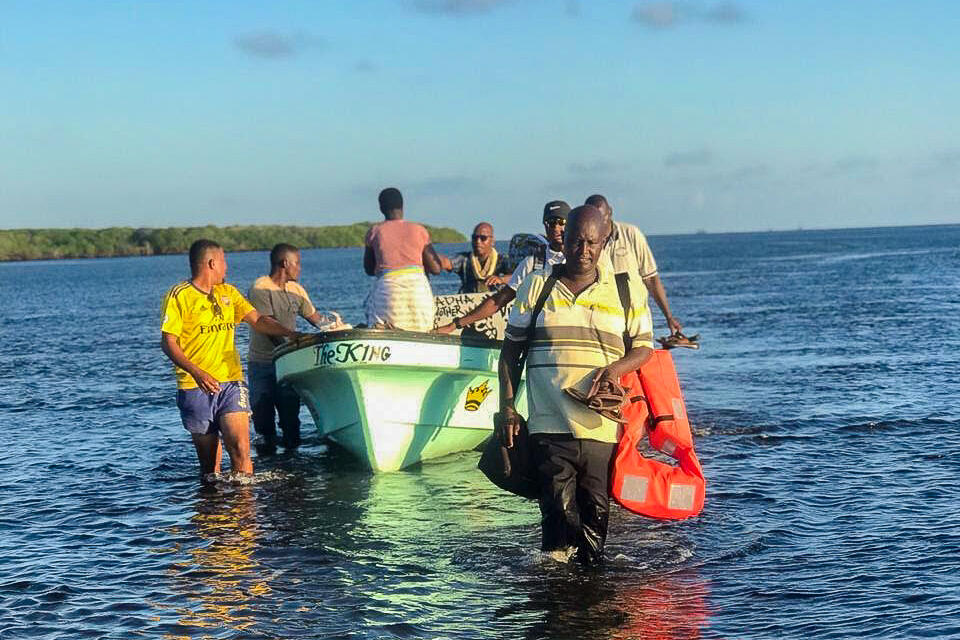
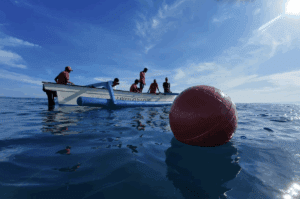 Local fishers have installed buoys to mark the boundaries of the LMMA in the waters of Behedan, Manatuto Municipality, Timor-Leste. Photo: Deddyto Martins | Blue Ventures
Diversifying food production with fish balls
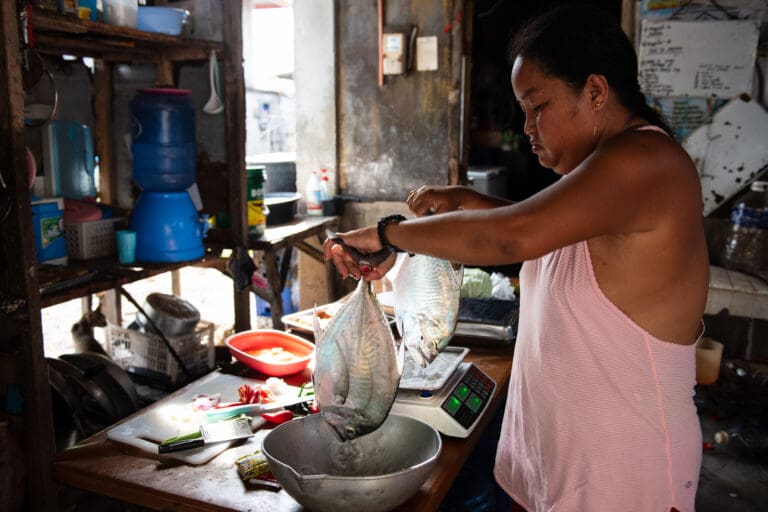
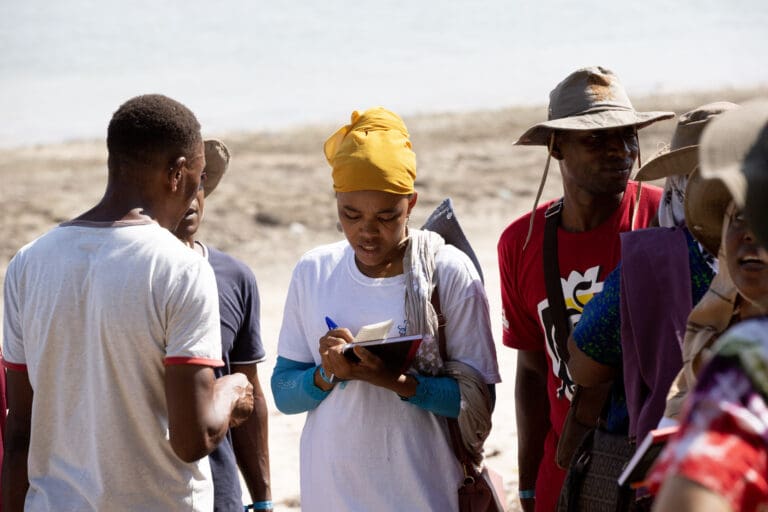
Concerns over family nutrition and income sparked creativity among a group of women in Ilimano and surrounding villages in Manatuto. Inspired by popular market snacks enjoyed by people of all ages, they began experimenting with local fish, turning it into nutritious and tasty fish balls that could be eaten at home or sold for additional income.
This creativity reached a wider audience at the recent Ocean Fair 2025 in Dili, organised by the Ministry of Commerce and Industry. Two women-led groups from Manatuto, SANARAHIK and the Behedan Museum (BEMUS), presented their fish ball products at the event. Their efforts were supported through seafood processing training provided by Blue Ventures Timor-Leste’s Financial Inclusion Programme, in collaboration with the Ministry of Agriculture, Livestock, Fisheries, and Forestry.
In the spirit of World Ocean Day, and equipped with basic tools and new skills, the group embraced the opportunity to present their products on a national stage. Their participation marked a meaningful milestone, not only as a celebration of what they had learned but also as a powerful example of what communities can accomplish when the right support and opportunities are unlocked.
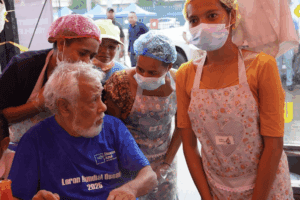 H.E. Mr. Xanana Gusmão, Prime Minister of Timor-Leste, visited the women’s booth from Manatuto Municipality at Ocean Fair 2025 and tried their fish ball soup. Photo: Ricardo Valente | Blue Ventures
Ministerial endorsement
Their modest booth soon captured national attention at the fair. Among the visitors were the Prime Minister of Timor-Leste, the Deputy Prime Minister, Minister for Economic Affairs and Minister of Tourism and Environment, the Minister of Education, and the Minister of Commerce and Industry, each stopping by to show support.
The excitement surrounding the product was not without reason. In Timor-Leste, fish balls are a rarity. Most meatballs are made with beef, while fish-based versions are typically imported from Indonesia and other countries. That is why the Behedan fish balls stood out. It’s locally made and unlike anything else found in the country.
Guests also sampled the handmade fish balls and spoke with the women behind them. By the end of the three-day fair, the groups had earned a total gross income of 160 US dollars, a small but mighty sum holding a powerful promise about local effort and possibility.
Mana Teresa, a member of BEMUS, shared her pride with a quiet smile. “We are thankful to Blue Ventures for the training and opportunities. We are so happy to take part and showcase our product. It is not just about making a profit. It is about building our confidence, promoting our skills, and showing what women in coastal communities can achieve when given the chance.”
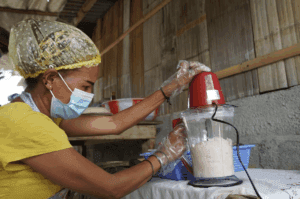
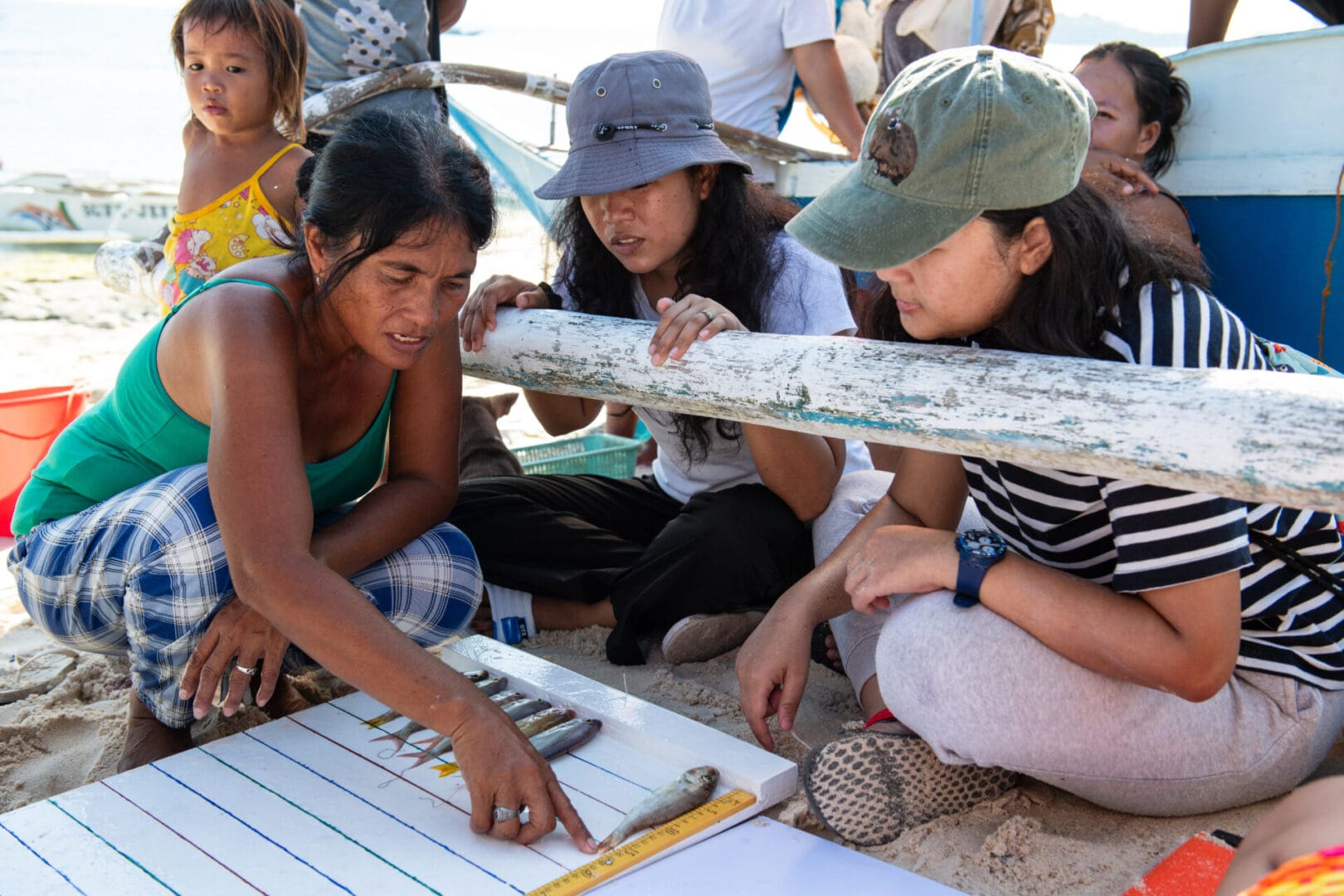
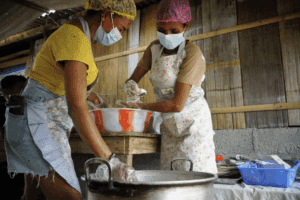 Women in Manatuto prepare to demonstrate how to make fish balls using fresh, locally caught fish. Photo: Ricardo Valente | Blue Ventures
The journey continues
The true success of this initiative lies in what is quietly taking root behind the scenes. With income from their new activities, women are beginning to reinvest in their families—buying school supplies for their children, saving through community-based savings and loan groups, and even exploring new products to diversify their offerings.
Women are taking on new roles as providers and decision makers, improving their financial independence and reinforcing the well-being of those around them. By promoting livelihood diversification, women in coastal Timor-Leste are strengthening their ability to address malnutrition, support child health, and contribute to long-term economic stability.
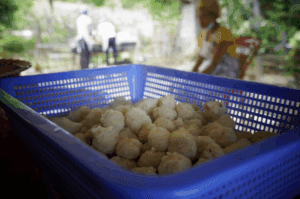 Freshly prepared fish balls in Manatuto, made from local catch and ready to serve. Photo: Ricardo Valente | Blue Ventures
With every fish ball made and sold, they are laying the foundation for a healthier, more self-reliant future. Greater adaptability and security, especially in the face of environmental degradation, extreme weather, and market uncertainty, means their work is not only about what is on the table today, but also about what becomes possible for generations to come.
This progress has been made possible through the generous support of our donors, including the Kiwa Initiative and the UK Government through the Darwin Initiative, whose ongoing contributions continue to help us unlock the power of coastal communities throughout Timor-Leste.