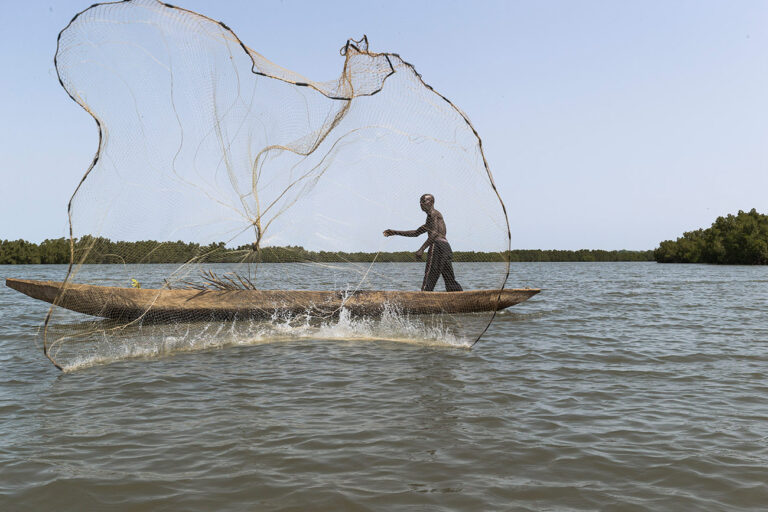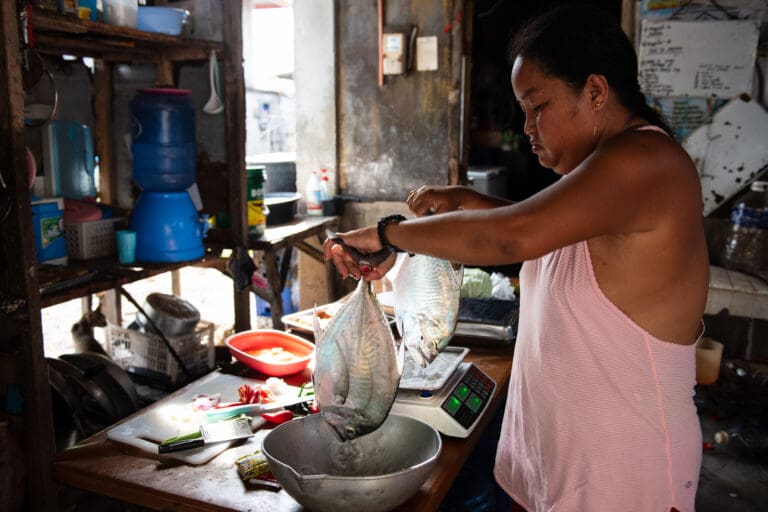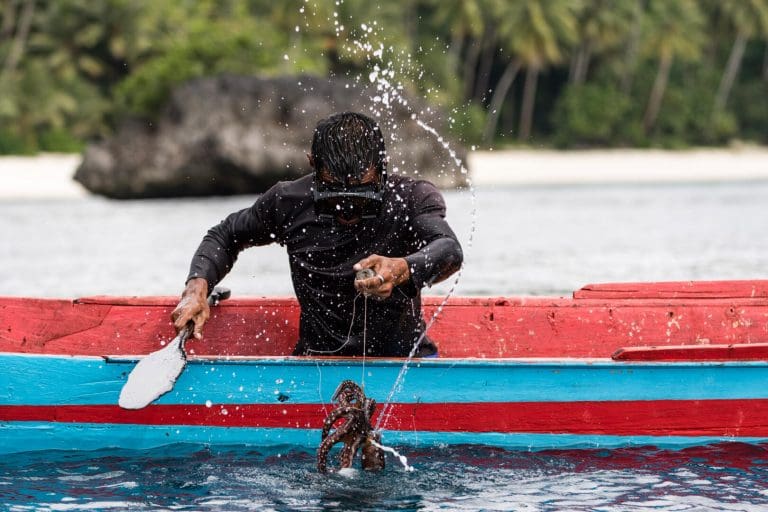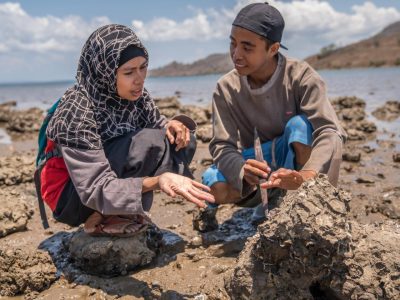
Blue Ventures’ Acting Regional Director for Asia Pacific, Bernardete da Fonseca, explains why customary systems are the key to life thriving in Timor-Leste’s coastal communities.
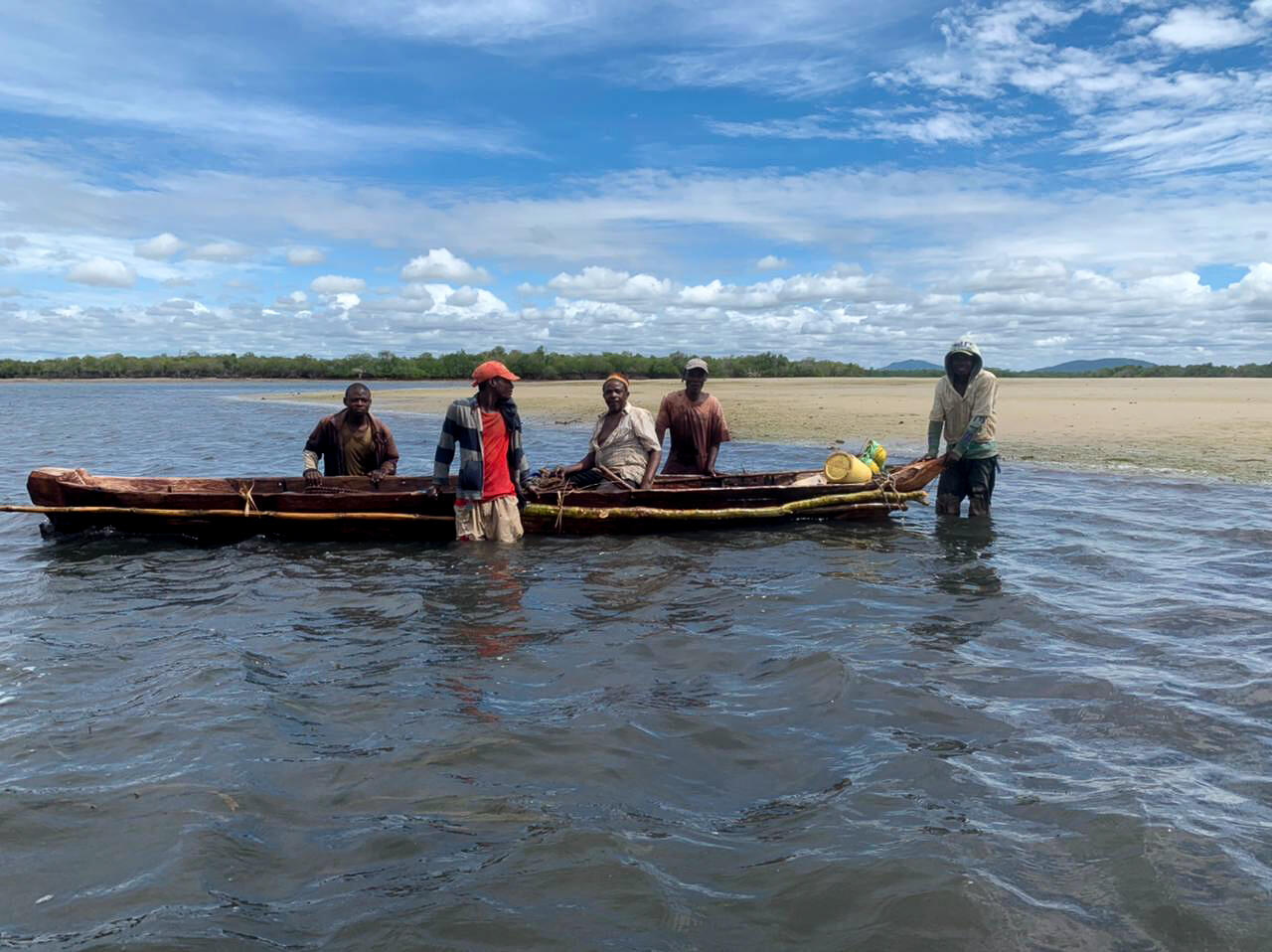
Across the world’s coastlines, one truth is resurfacing: when local communities take charge of their own seas, life above and below the water thrives. What once meant protection now means prosperity, as small-scale fishers step forward as stewards of their own future.
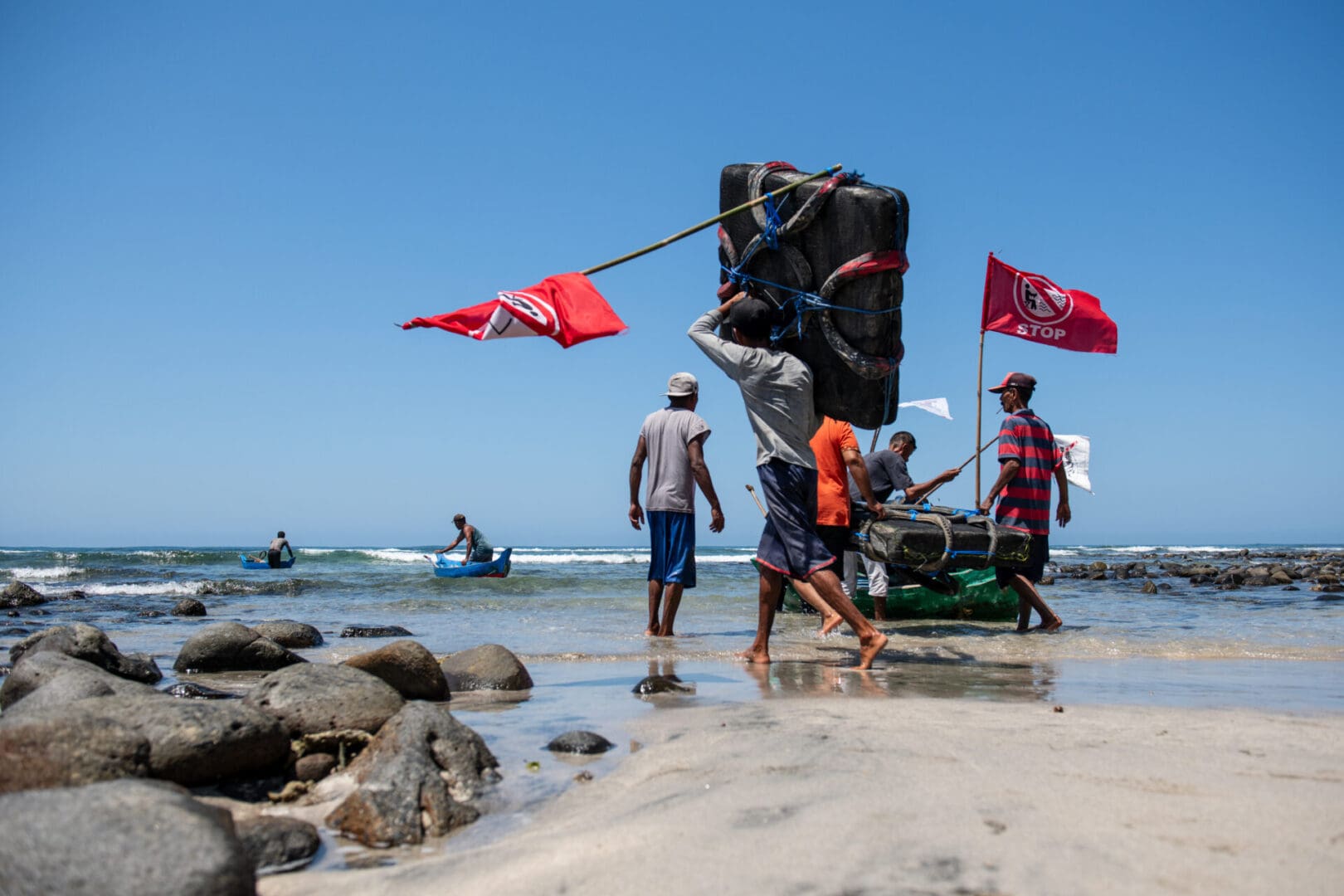
In Timor-Leste, this comes through in the revitalisation of Tara Bandu, a long-standing customary system that regulates who can take what, when, where, how, and how much. Although this form of community-led governance has experienced periods of disruption, its revival demonstrates how local leadership, collective action, and shared knowledge continue to inform the sustainable use of coastal resources.
Today, the resurgence of Tara Bandu represents more than a return to tradition. It signals a quiet yet powerful reclaiming of identity and agency by the people of Timor-Leste, demonstrating that conservation and culture can reinforce each other.
Through Tara Bandu, our traditional fishers are redefining marine conservation and sustainable fisheries by demonstrating what it looks like when authority rests in local hands. In recent years, we at Blue Ventures have worked with fishing villages across Ataúro Island, Manatuto, Manufahi, Ainaro, and Hera (Dili) to help revitalise Tara Bandu and connect it with the principles of Locally Managed Marine Areas (LMMAs).

This is not a romantic return to the past. It is a pragmatic, evidence-driven approach that blends traditional governance with modern science.
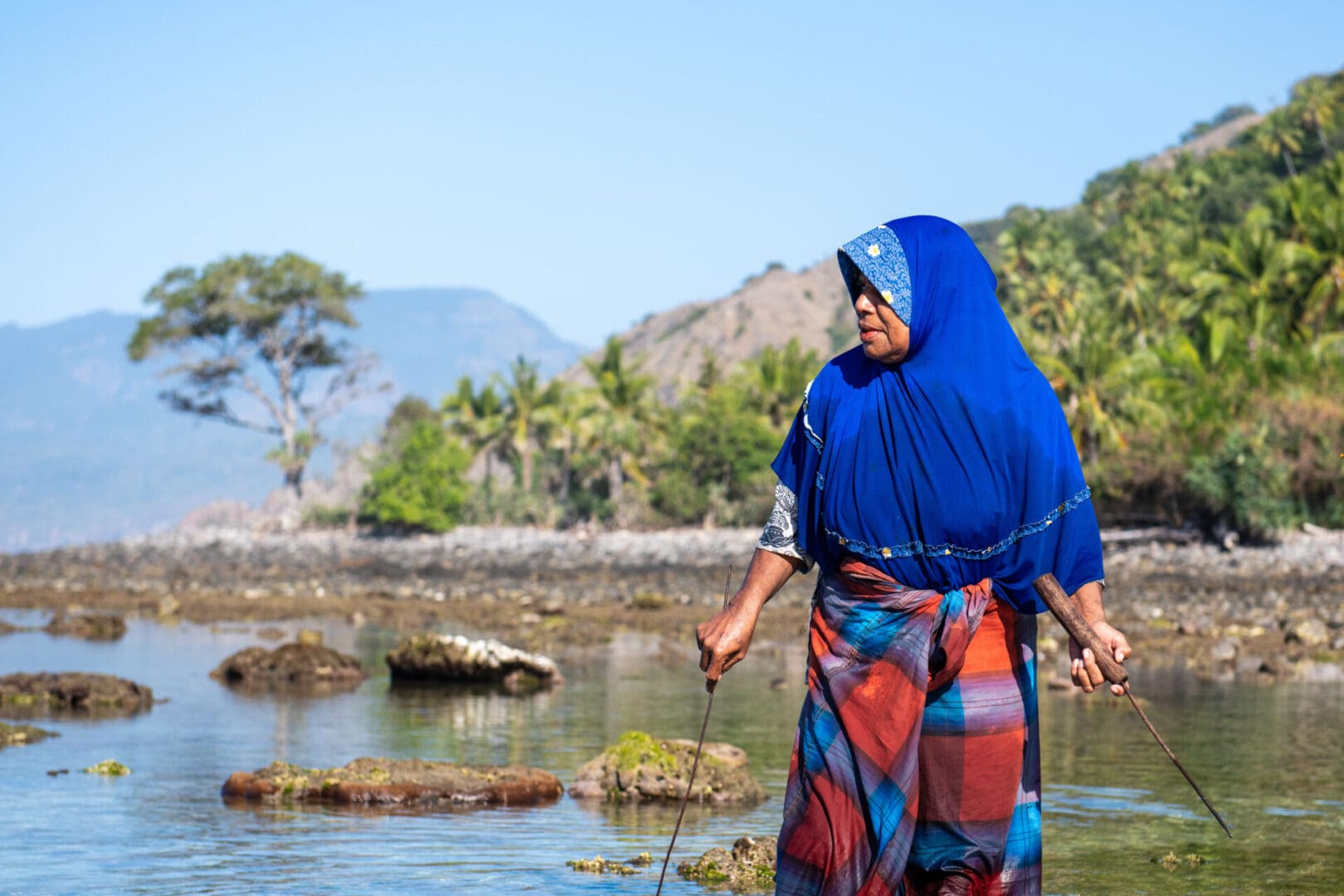
And the results speak clearly. In Ilicnamo, Pala, and Arlo, nearshore fish stocks are recovering. Coral reefs once scarred by destructive fishing practices are slowly returning to life. Households report better income stability. These communities have not only saved biodiversity but have also rebuilt their local economies from the seabed up.
Why do secure rights matter so much?
Because when communities own the process, they protect it. Secure rights indeed give people confidence that their hard work will never be undermined by outsiders. They turn conservation from charity into a collective interest. Stewardship replaces survival.
Tara Bandu shows how this works in practice. It builds social legitimacy that external regulations rarely achieve, because it operates through shared values. Seasonal closures, no-take zones, and community monitoring are upheld by social norms rather than bureaucracy. The results are healthier reefs, higher yields, and stronger food security.
The national government has also taken important steps. Decree-Law No. 26 of 2012 on the Environmental Basic Law recognises the role of local customary systems, including Tara Bandu, in environmental protection, including marine conservation and sustainable fisheries management. This legal basis enables communities to govern their waters with state recognition, transforming ancestral wisdom into enforceable practice.
Such recognition is not symbolic. When local tenure is secure and rights are clear, communities can plan for sustainability rather than survival. Clarity of ownership opens doors to micro finance, ethical seafood markets, and public-sector partnerships. Secure rights are, in simple terms, the bedrock of resilience.

The value of fish
For most Timorese coastal families, fish is valued as more than just a food source. It is identity, dignity, and survival. When fish populations thrive, nutrition improves, markets stabilise, and children can grow up in communities that no longer need to choose between today’s meal and tomorrow’s catch.
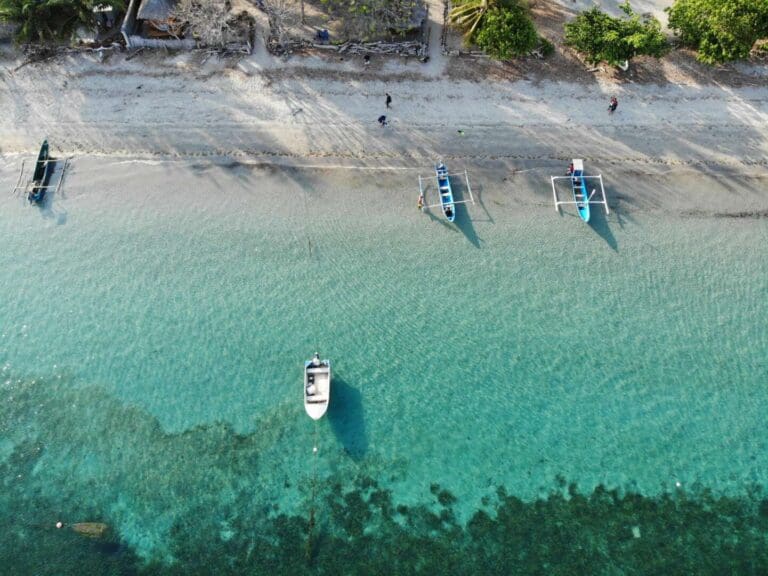
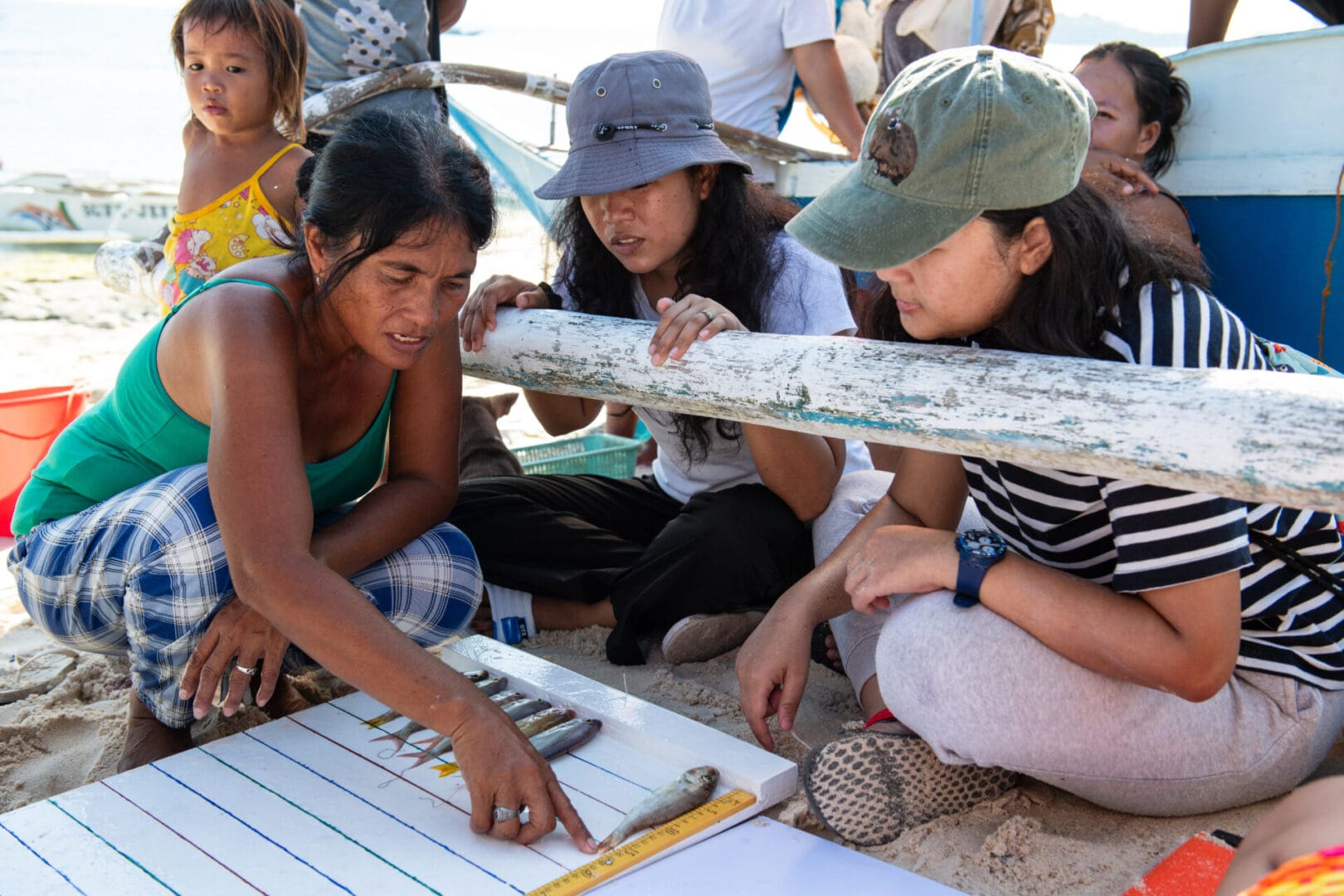
On Ataúro’s shores, this is not a distant concept, but a daily reality. By pairing Tara Bandu with data collection and participatory action, communities have created a self-sustaining cycle: better governance leads to ecological recovery, which improves income and motivation, reinforcing the cycle again.
For policymakers and donors, the message is clear. Securing rights for small-scale fishers is not charity; it is smart economics and good governance. Empowered communities achieve what top-down projects often fail to deliver. The cost is modest and the returns last for generations.

And while field projects like Ataúro’s show what is possible, scaling them requires evidence, and this is where research becomes invaluable. Careful analysis of existing data and case studies can build the evidence base to guide national and regional investment, enabling replication without waiting for multi-year pilot projects.
Yet, many coastal communities across the Coral Triangle still lack recognition of their customary tenure rights. Their seas are increasingly encroached upon by industrial fleets, tourism ventures, and unclear policies. Without secure rights, their stewardship remains fragile.
Recognising systems like Tara Bandu is never a sentimental gesture. It is sound, evidence-based governance. Imagine every coastal village, or suku, in Timor-Leste having equal autonomy and recognition. Imagine traditional knowledge and marine science informing decisions in tandem.
That future is not utopian. It is already happening on the shores of Ataúro. The lesson is simple: giving people the right to protect their seas is where prosperity begins.
About the author:
Bernardete Fonseca serves as the Acting Regional Director for Asia-Pacific at Blue Ventures, while also continuing as the Country Director for Timor-Leste. She has led community-based fisheries management and marine conservation efforts, strengthening Tara Bandu governance and locally managed marine areas while integrating scientific monitoring and coastal resilience initiatives. Her work focuses on facilitating the sustainable management of marine resources in local fishing communities across the region.
This article first appeared in Neon Metin