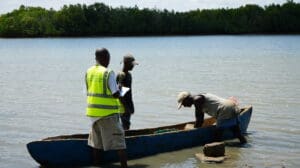
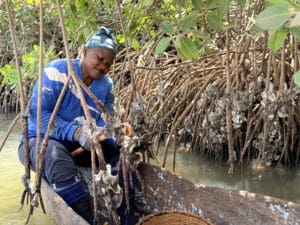
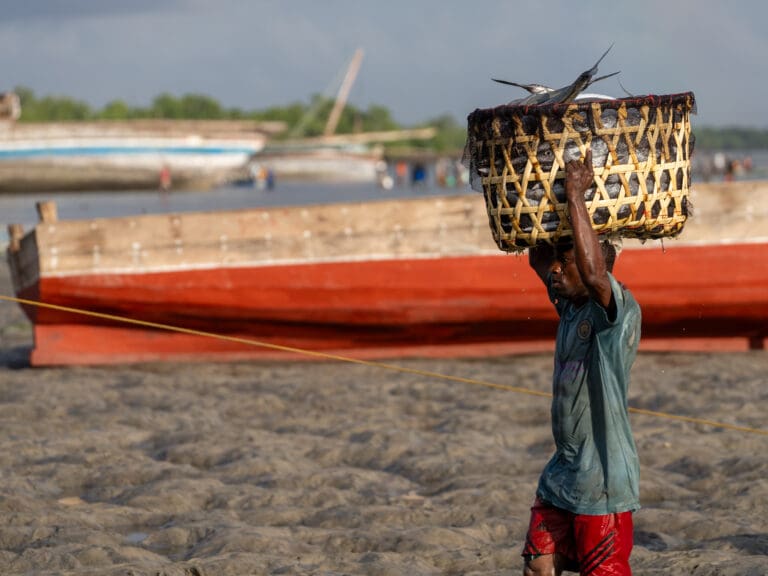
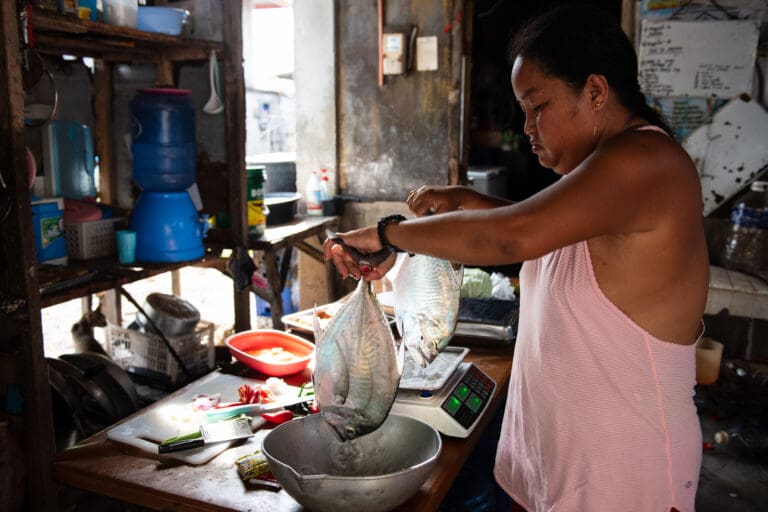
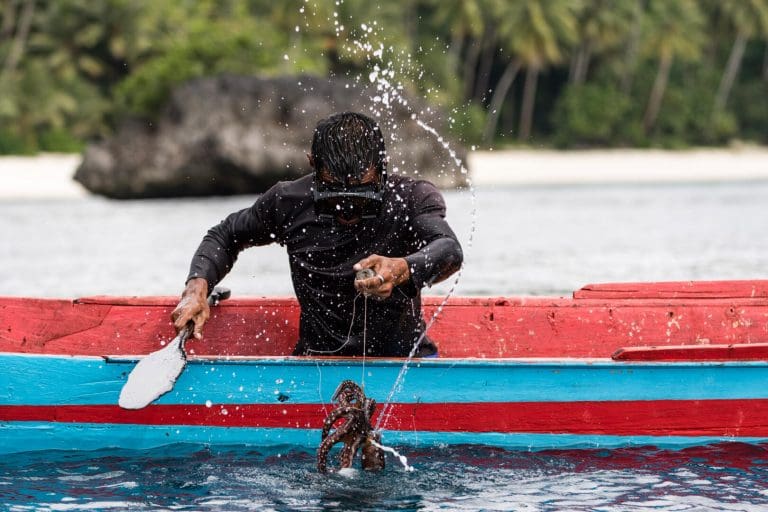
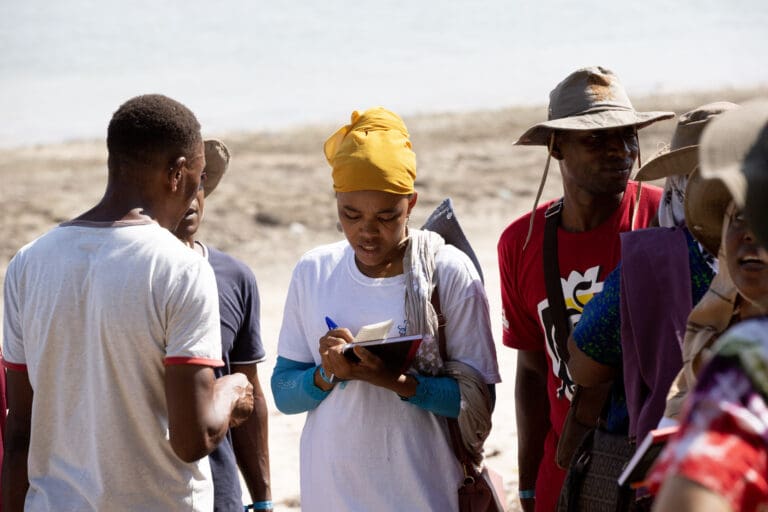
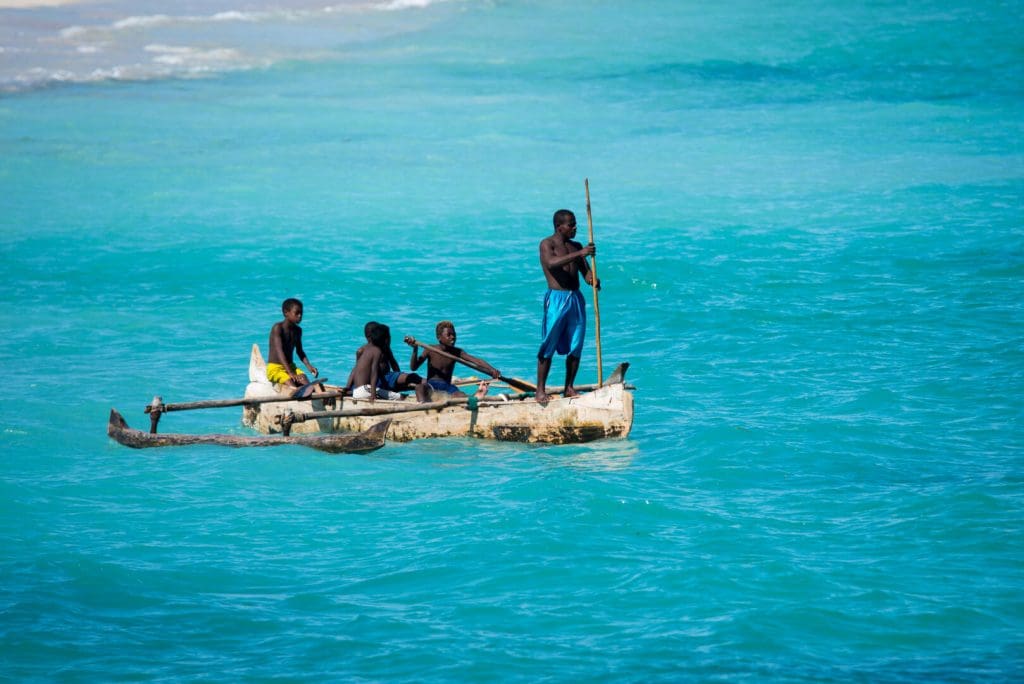
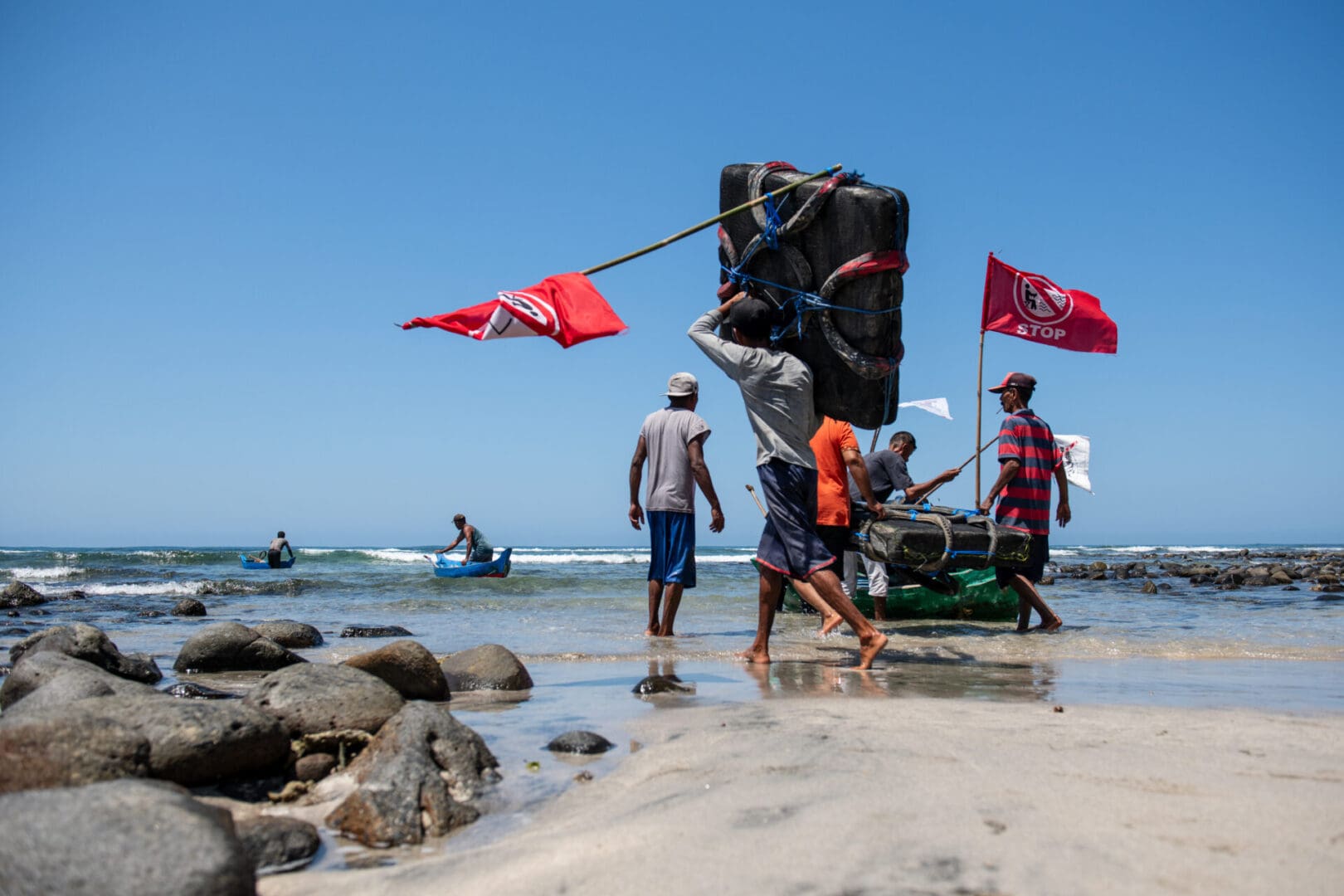
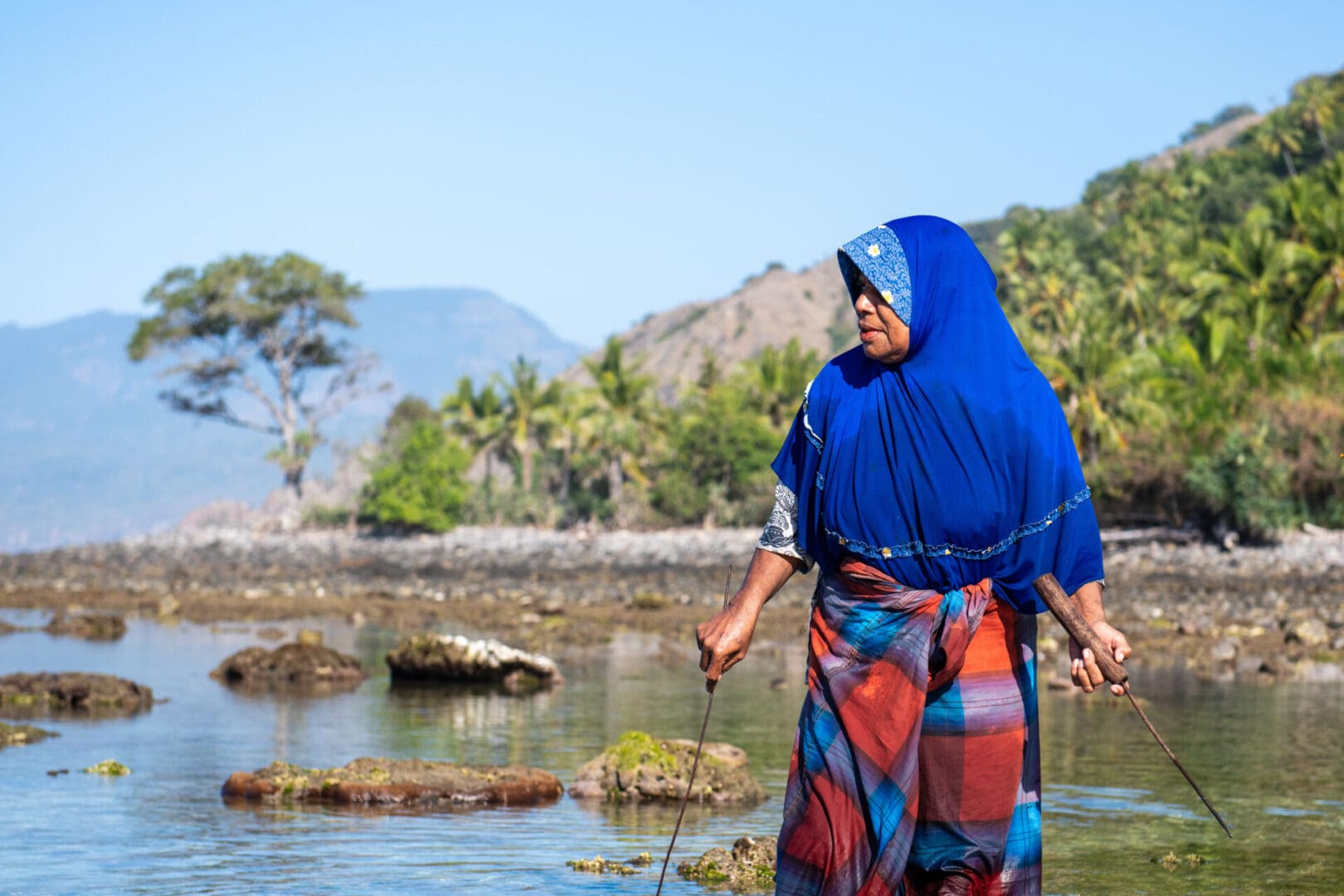
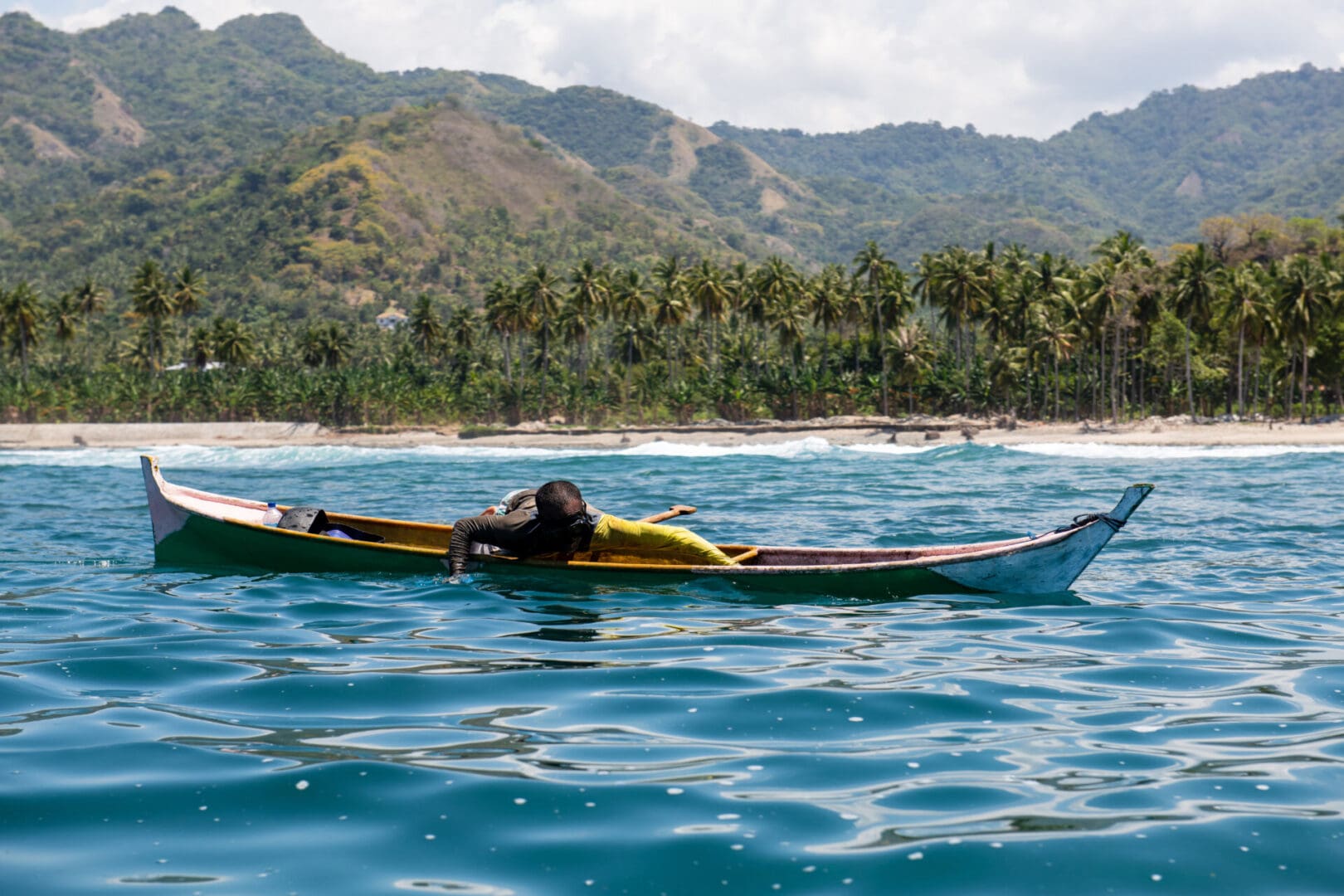
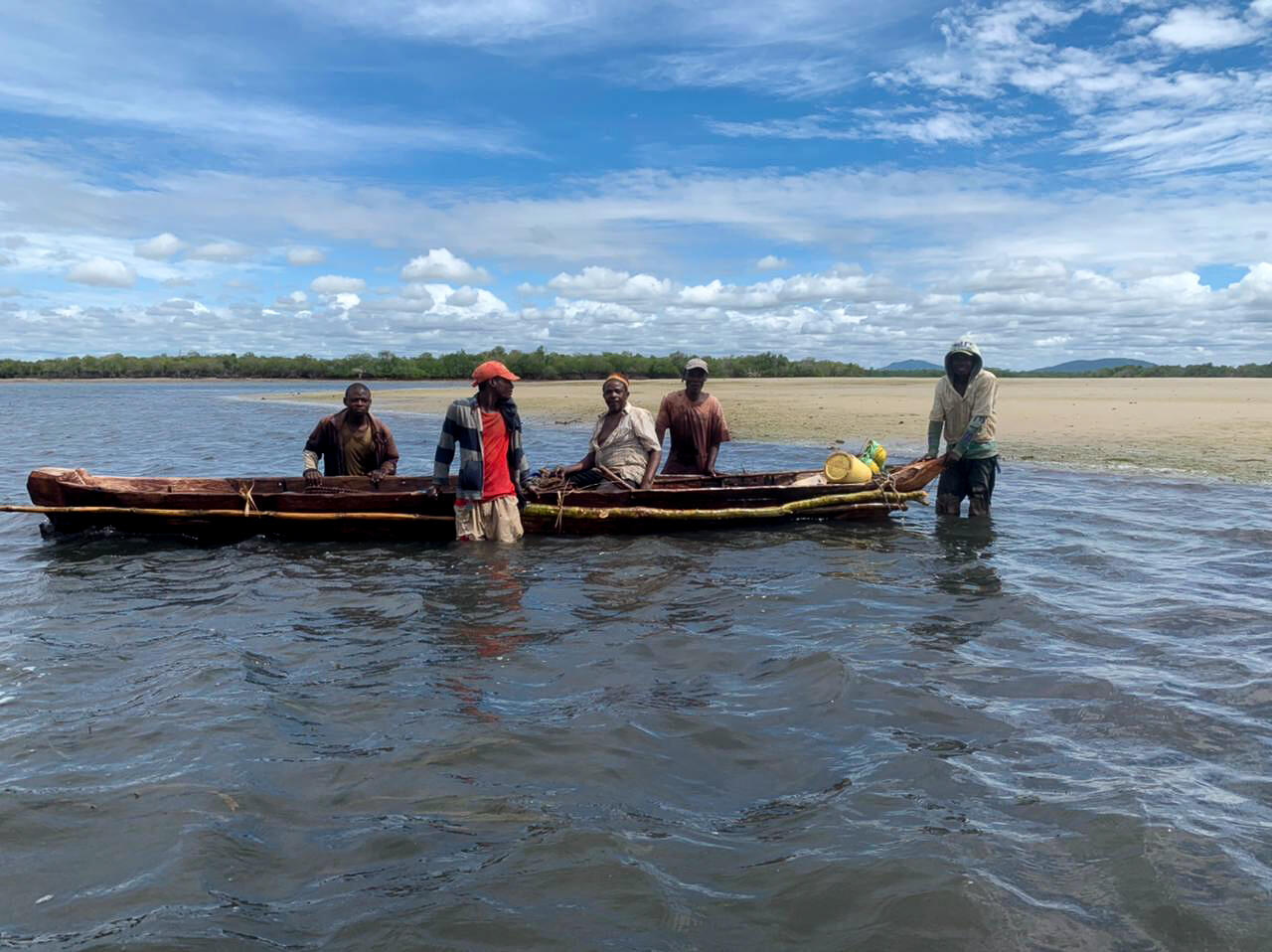
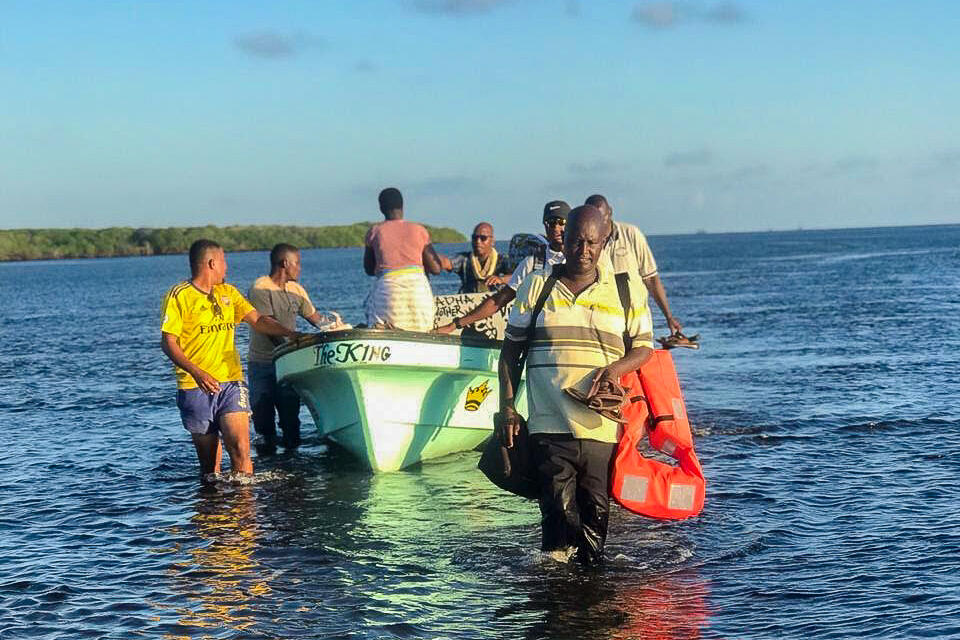
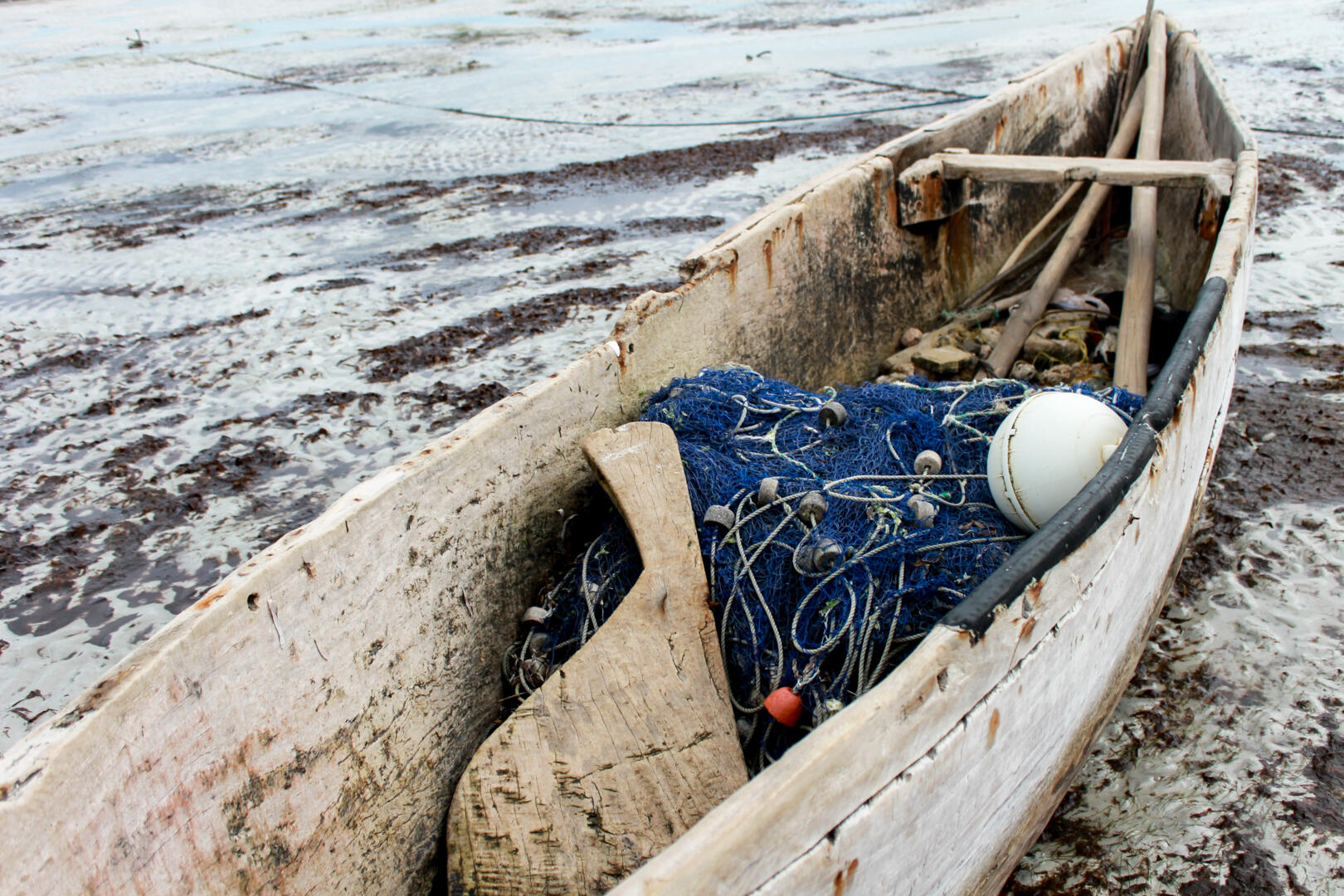
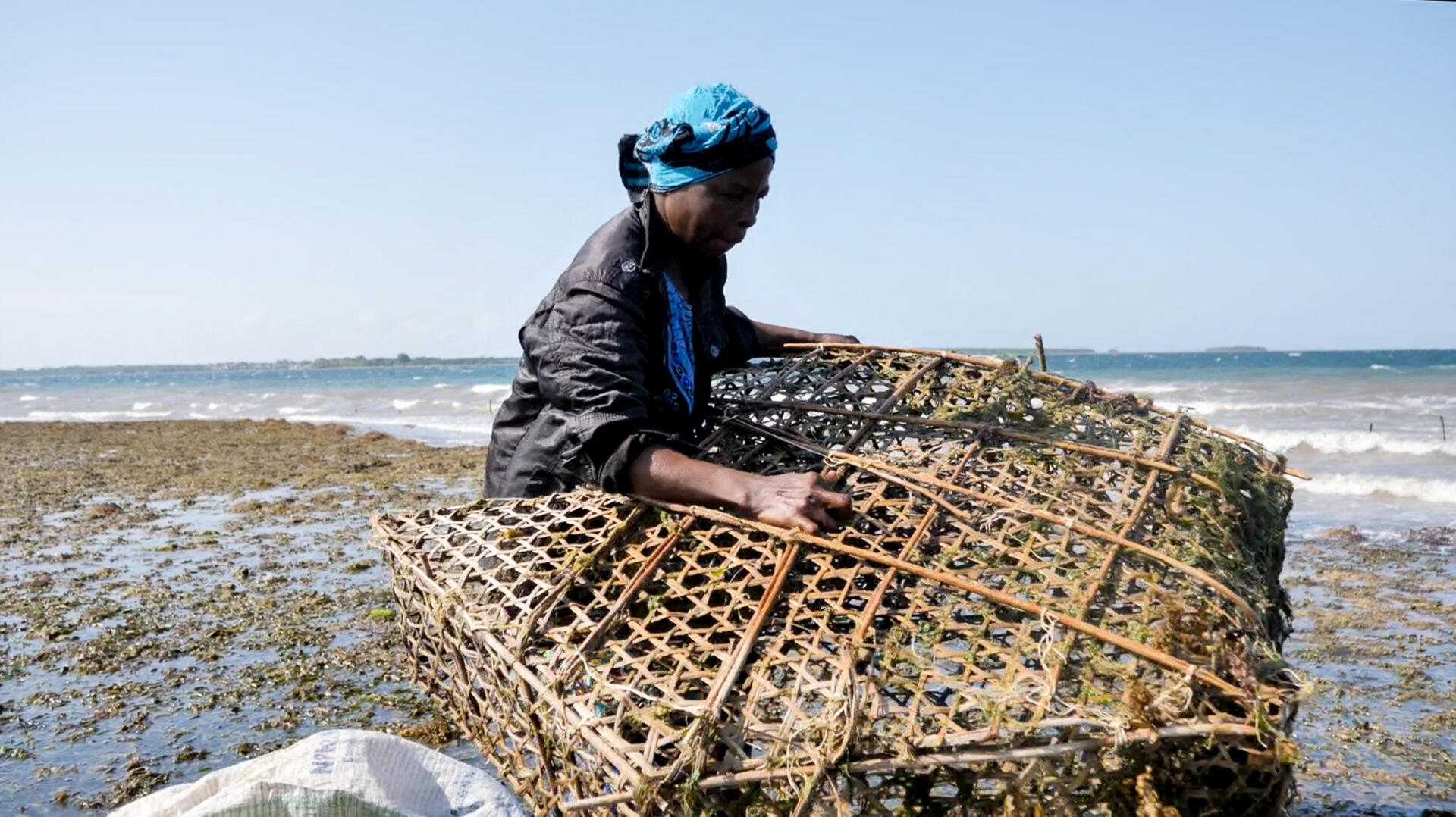
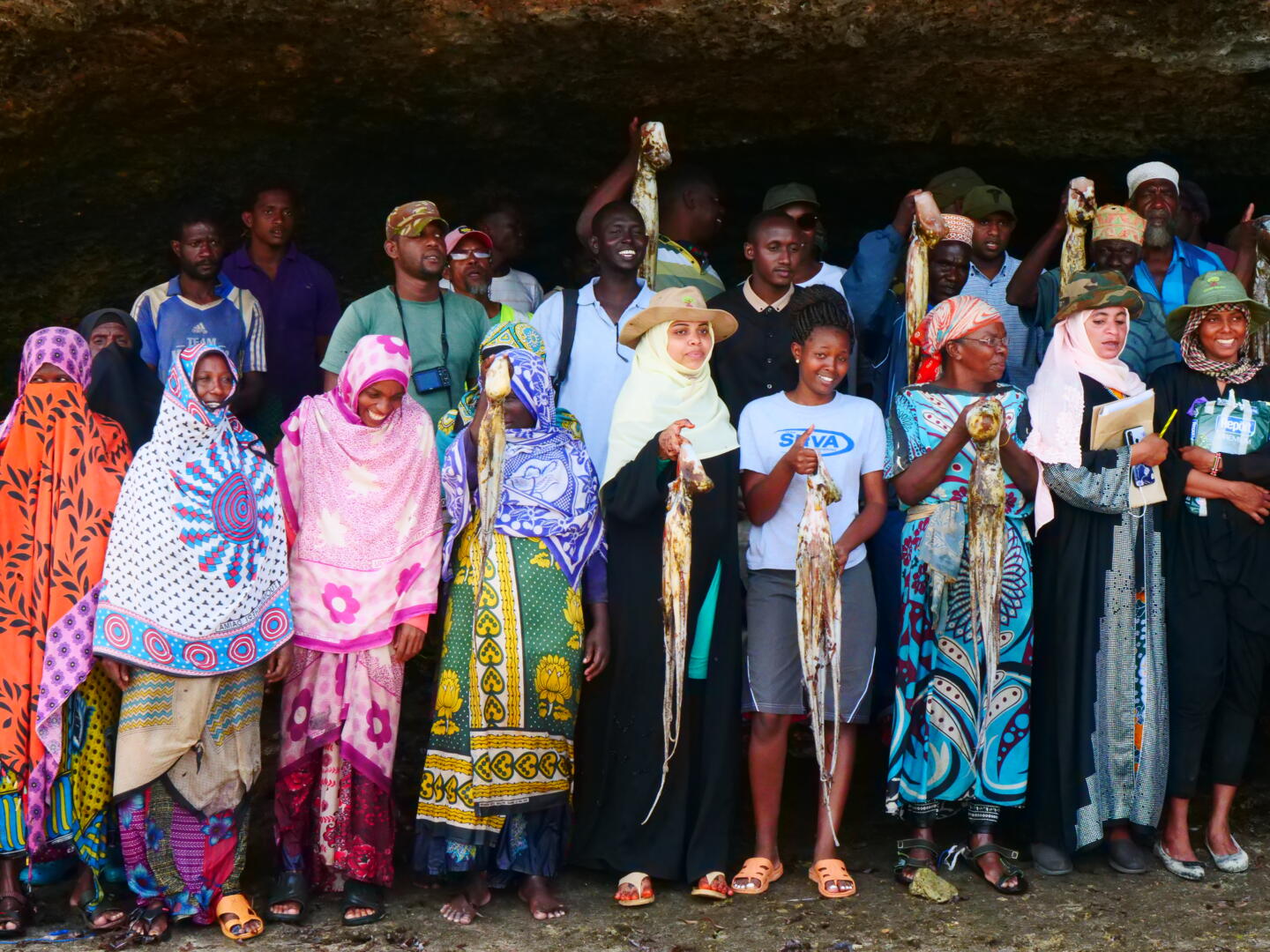
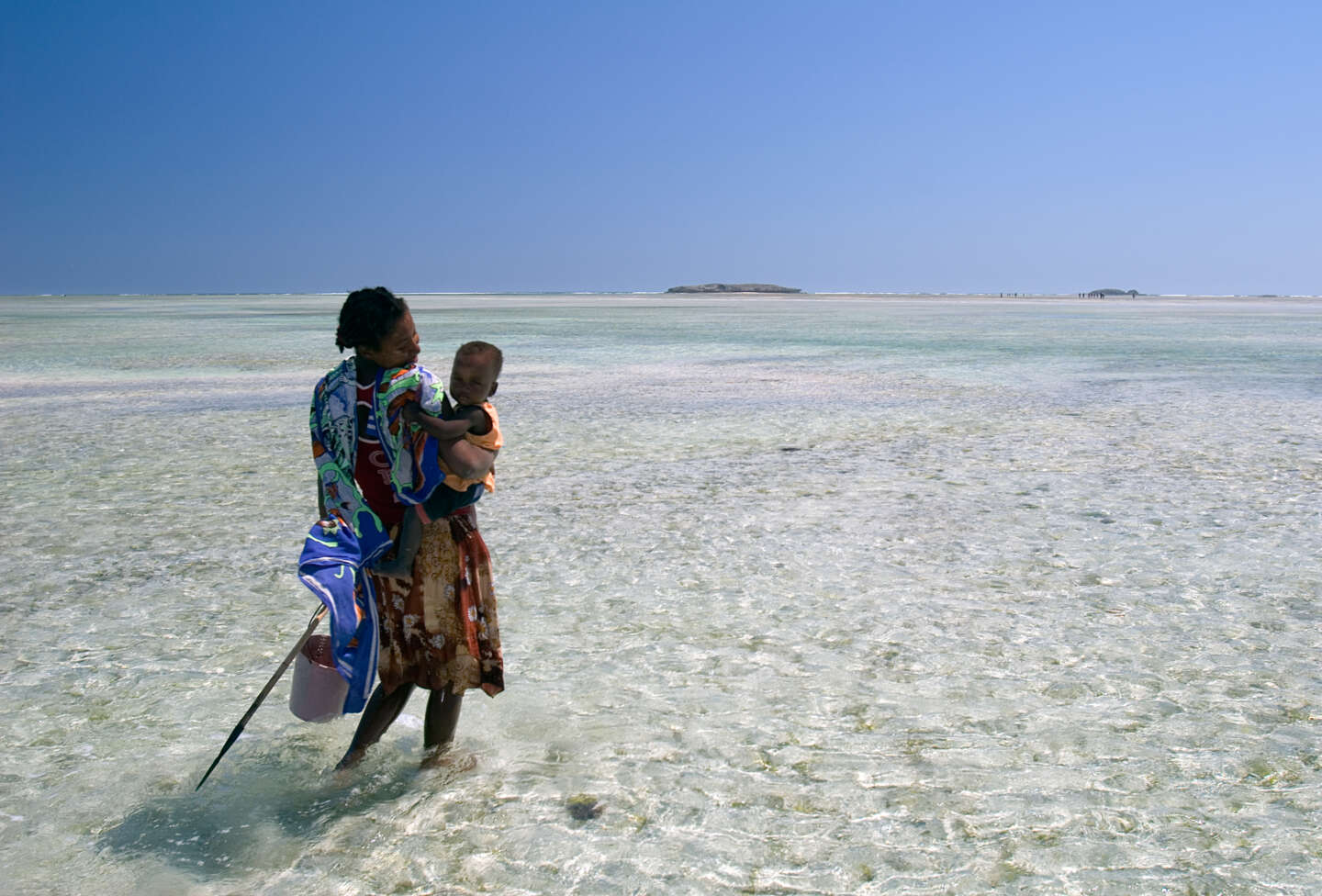
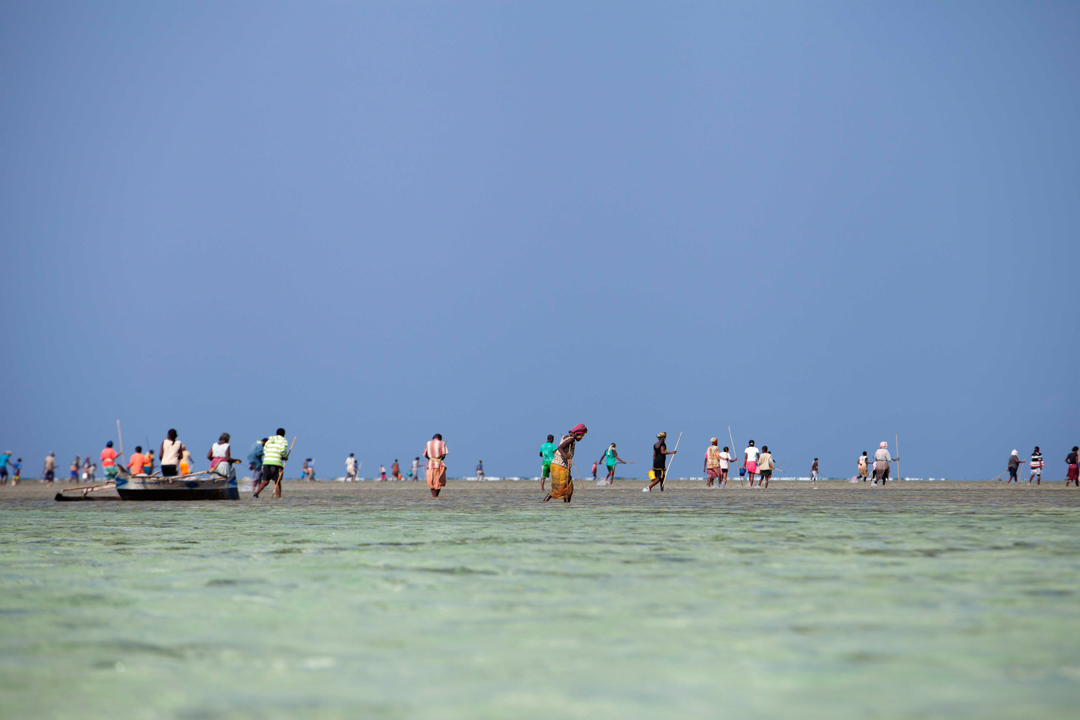
Along the southern coast of Madagascar, swept by strong seasonal winds, nineteen villages north of Toliara recently marked the reopening of their temporary octopus reserves. Over three days more than 15,800 fishers – including 8,400 women – harvested 17,253 kg of octopus across 2,003 hectares of fishing grounds. The price per kilo doubled compared to last year, reaching 12,000 Ariary ($2.70), providing an immediate and vital income for families who depend on small-scale fishing.
These figures tell a deeper story. What began as a simple local fisheries management tool has evolved into a powerful strategy for climate adaptation, a multi-species management plan and a model of data-driven adaptation, where communities are restoring ecosystems, managing resources, and using data to make decisions. Temporary closures are now helping coastal communities rebuild marine ecosystems, strengthen their food security, and enhance their capacity to respond to climate shocks – all while reclaiming sovereignty over the data that guides their decisions.

From local initiative to national practice
The practice of temporarily closing fishing grounds to allow stocks to recover first began in Andavadoaka in southwest Madagascar in 2004. The results were remarkable: when the reserve reopened, catches surged both in weight and in number. Clear evidence that local stewardship works. This success inspired neighbouring communities to adopt the approach, leading to the creation of Madagascar’s first Locally Managed Marine Area (LMMA), Velondriake.
Since then, the model has spread rapidly. Today, Madagascar has more than 200 LMMAs grouped within the national MIHARI network, covering around 17% of the country’s coastline. These community-led reserves are not only revitalising fisheries – they are becoming one of the most practical, low-cost examples of ecosystem-based adaptation in action.
Ecosystem-based adaptation in practice
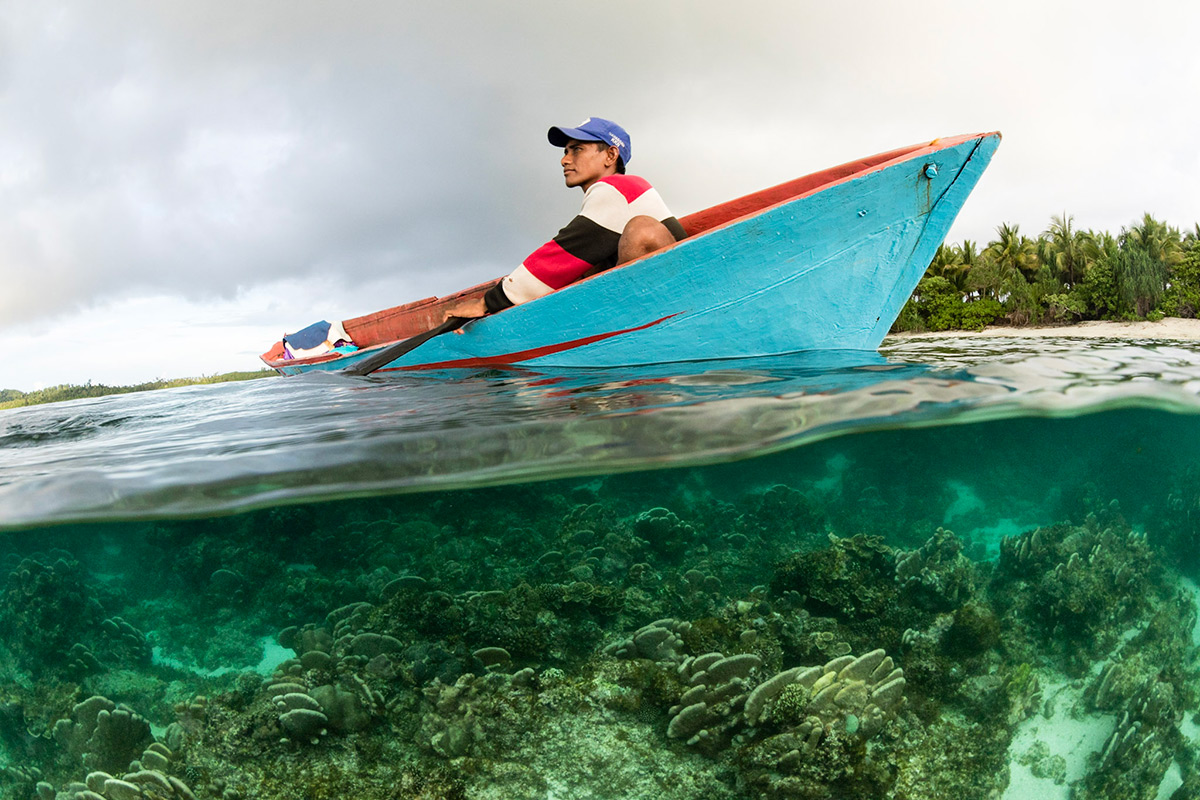
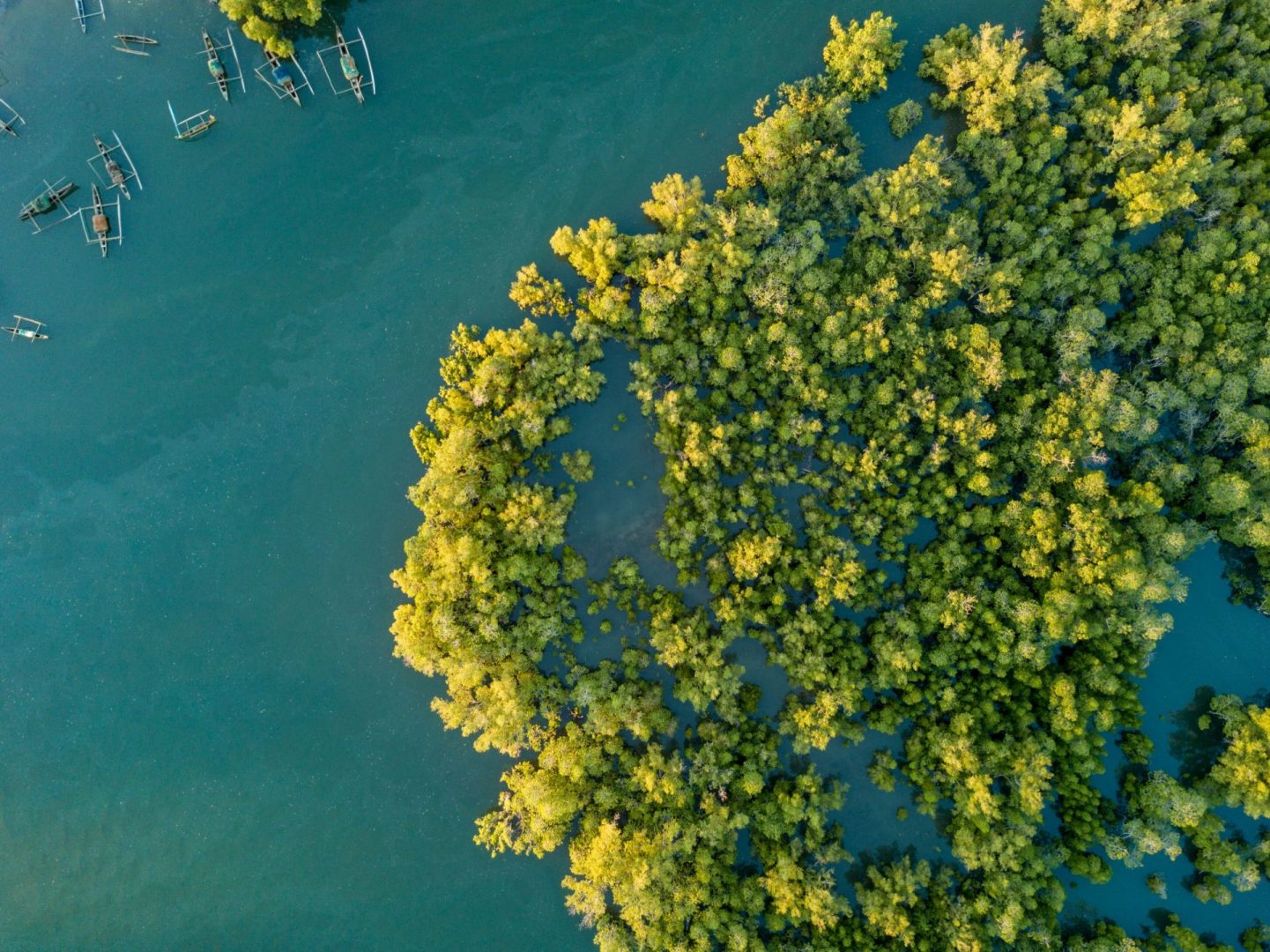
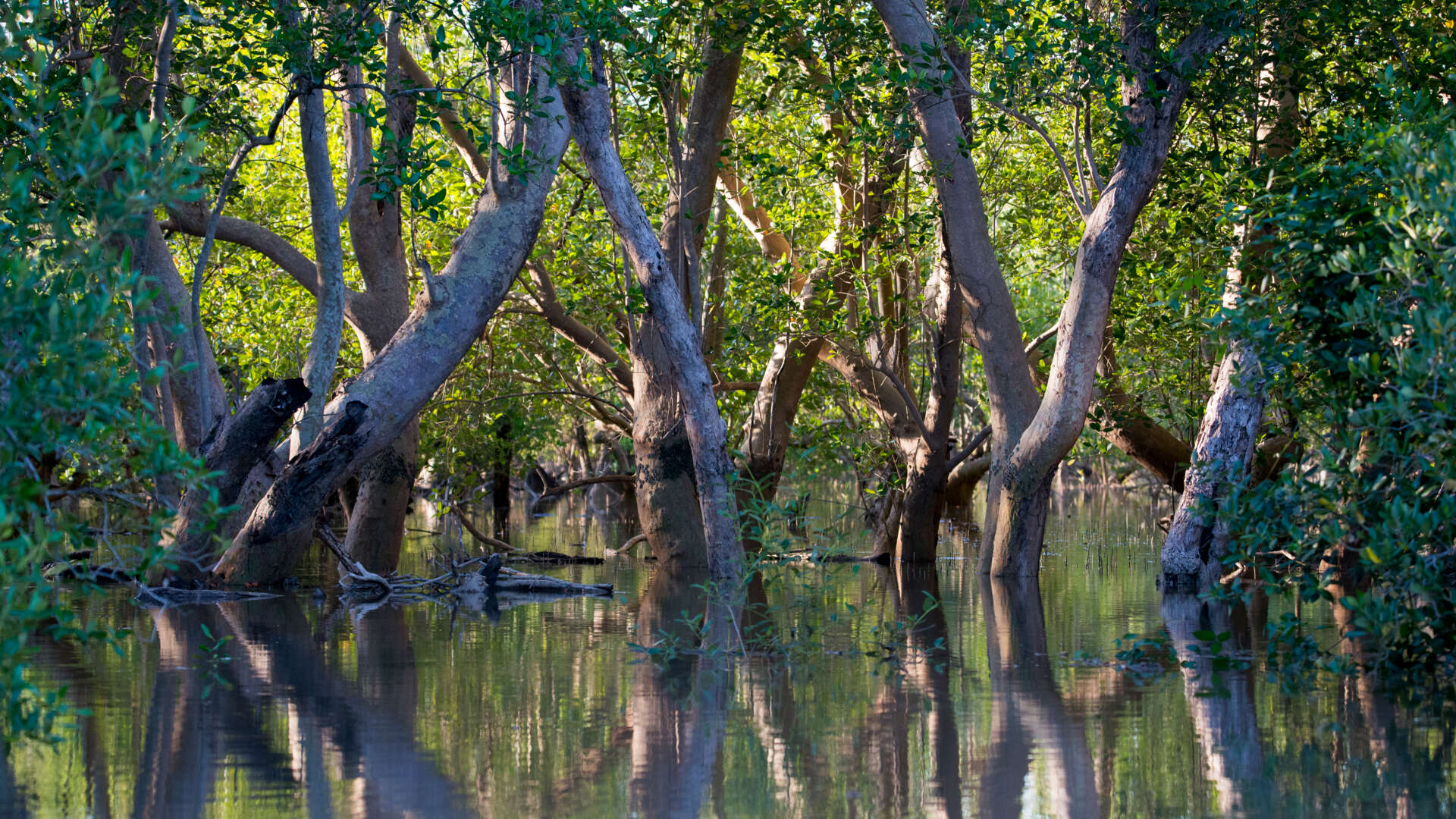
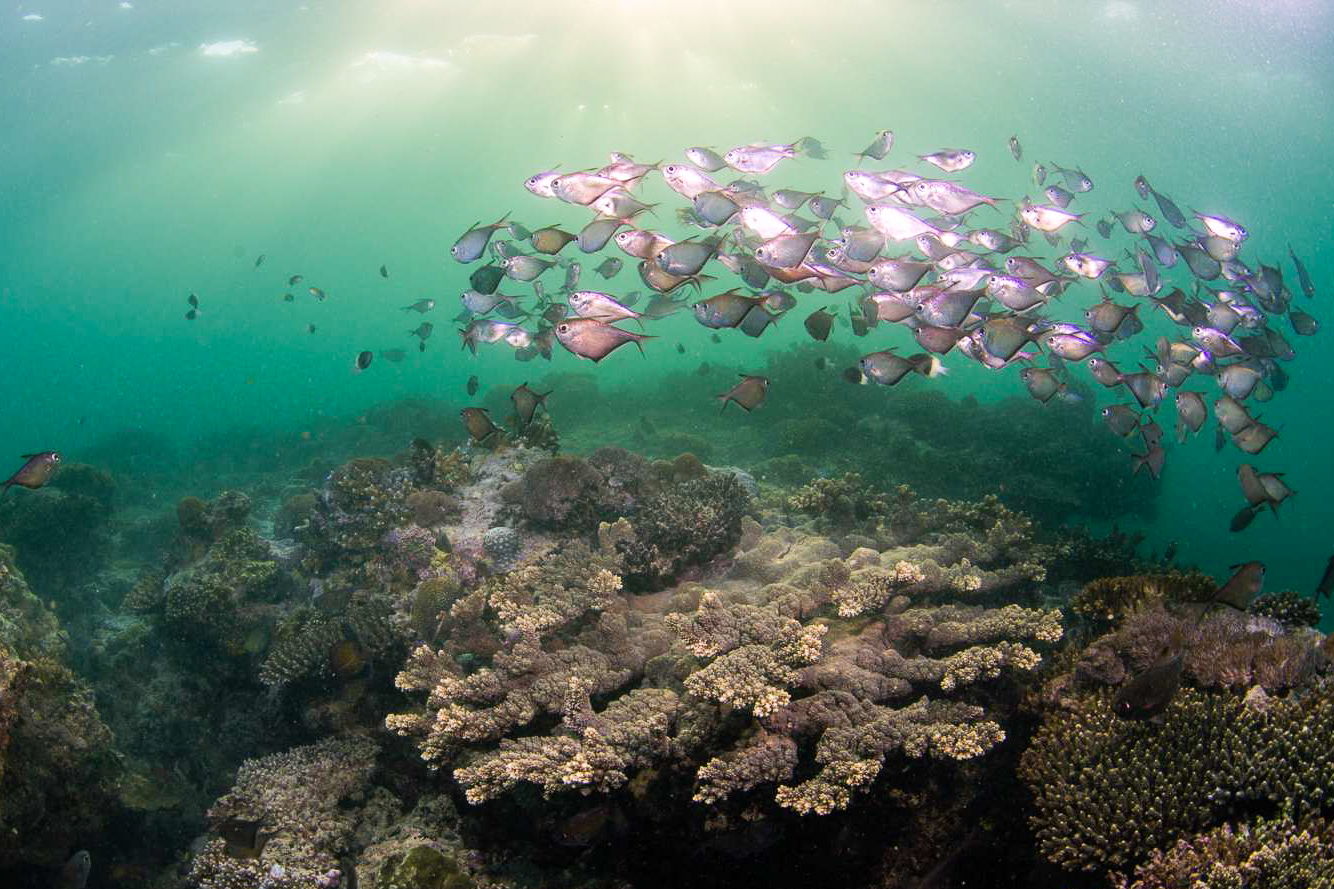
In the face of rising sea temperatures, unpredictable winds (Tsioky atimo), and shifting species distributions, temporary closures give ecosystems time to recover and adapt. Healthier coral reefs and seagrass beds store more carbon, provide shelter for juvenile fish, and buffer coastal erosion – directly supporting community resilience.
These closures are also social safety nets. By synchronising reopening dates with seasonal and market cycles, communities can better manage income flows, reducing their vulnerability to extreme weather events and declining fish stocks. Each reopening is a moment of collective adaptation: communities use data, local knowledge, and social cohesion to manage uncertainty together.

Integrated data systems for decision-making
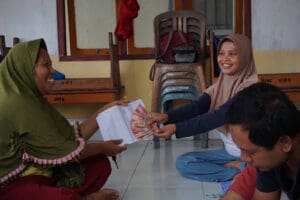
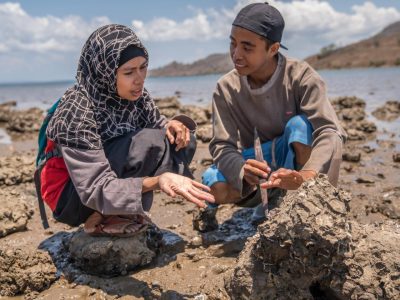
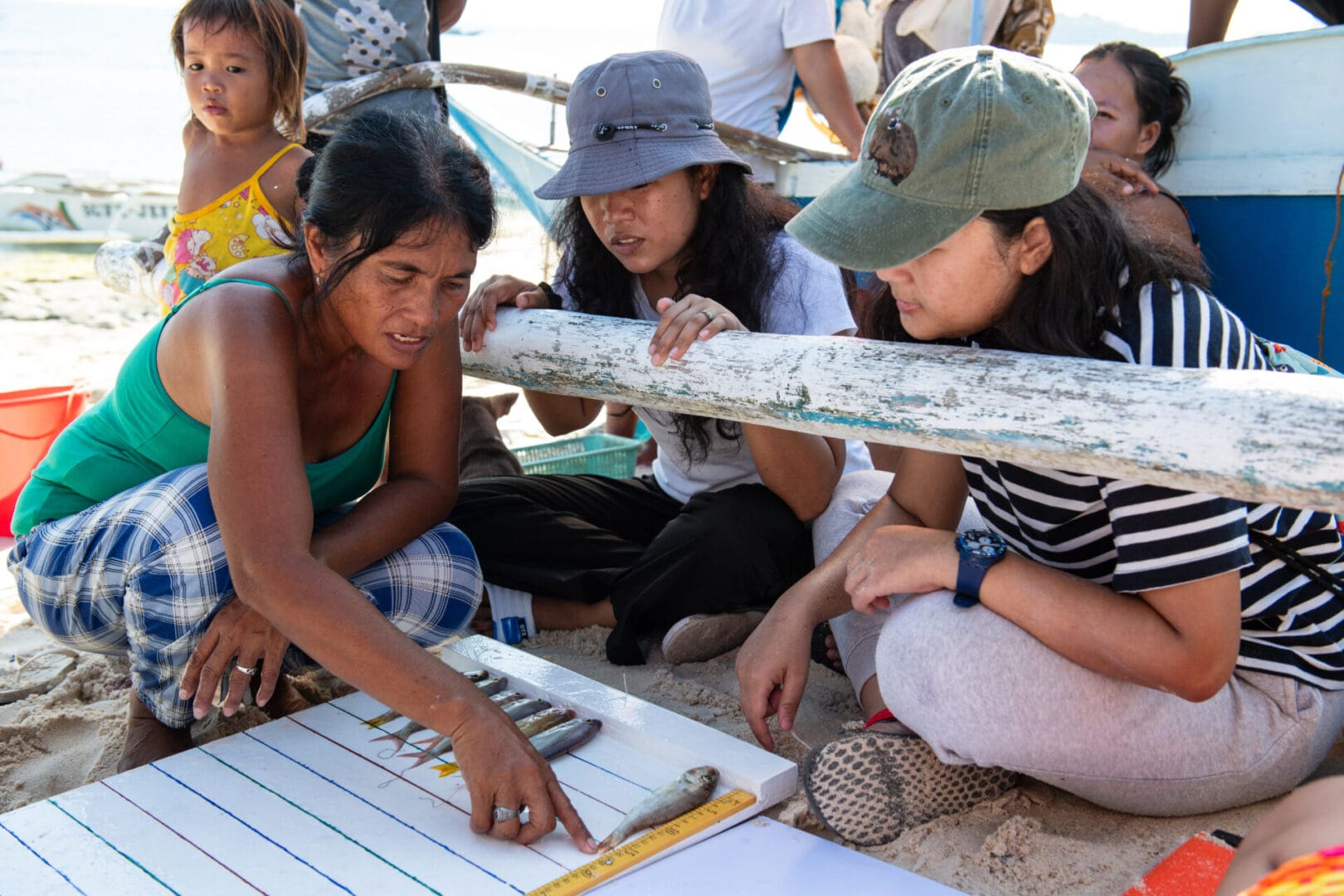
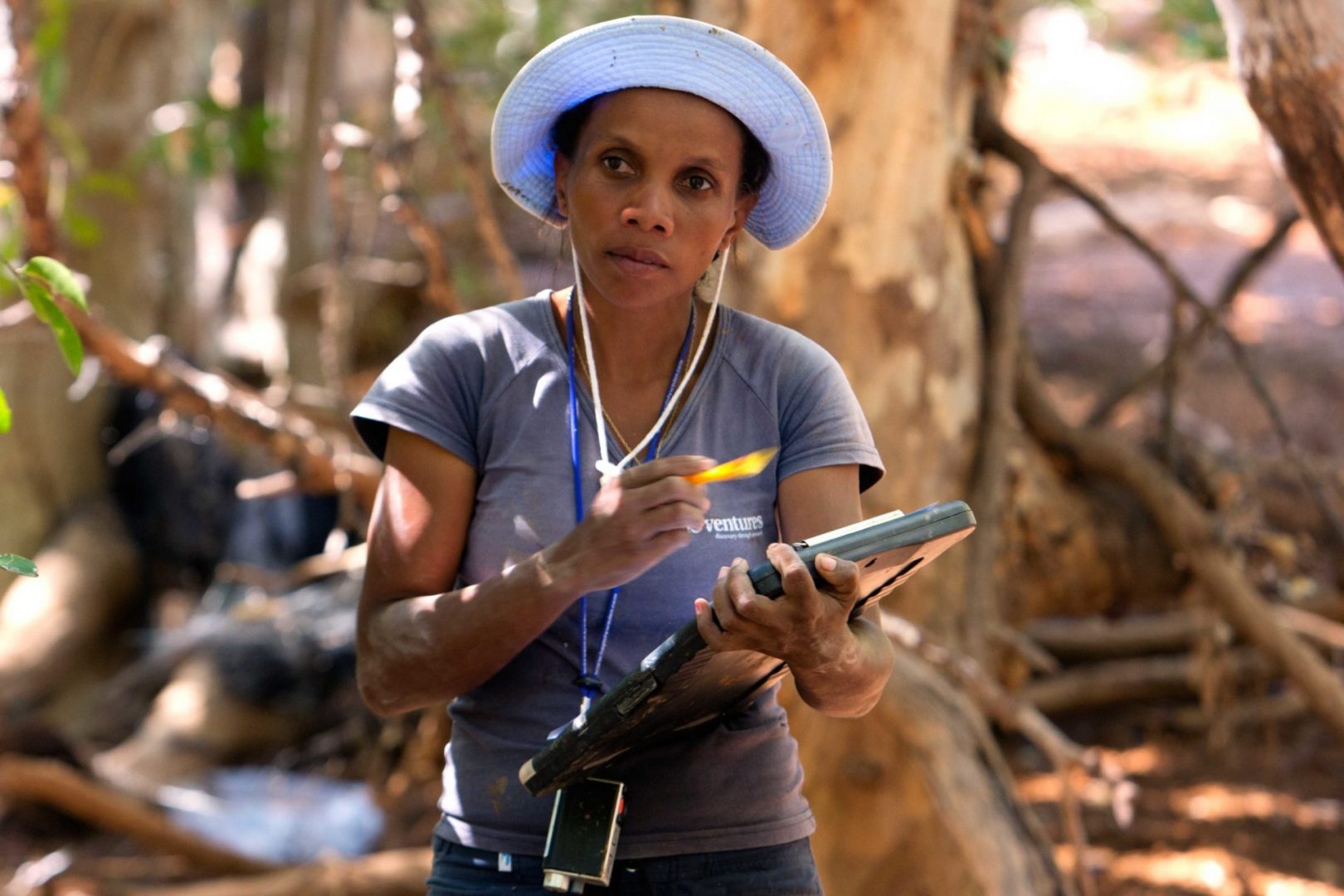
Behind this success lies a growing data infrastructure designed with and for communities. Blue Ventures supports community data systems that connect fisheries, coastal habitats, and social well-being into an integrated platform. The strength of this approach lies in communities’ abilities to generate and use their own data. Mobile tools and cloud-based systems make collection simple and fast. The data automatically feeds into secure dashboards, designed in local languages and giving communities near real-time insights into the health of their fisheries. In the southwest, 48 trained data collectors now operate autonomously, recording catches and monitoring ecosystems, and providing quarterly feedback to communities.
The results speak for themselves. A 2020 study in Velondriake showed that after six years of closures, fish biomass inside permanent reserves reached 189% of that in fished areas – and in some cases, 6.5 times higher. Communities therefore have tangible proof that their stewardship works, giving them confidence to continue and adapt their practices to changing environmental conditions.
By holding, interpreting, and using their own data, communities can also make informed choices that fit their ecological and cultural realities. This data sovereignty challenges top-down management models and enables more inclusive, climate-smart governance.
Digital tools are enhancing this transformation. Smartphone-based data collection has proven nearly as complete as traditional paper records (with only a 5% difference) while improving accuracy and speed. This ensures that decision-making remains responsive – a crucial advantage as communities face increasing climate and market volatility.

Learning through adaptation
The September reopenings illustrate adaptive capacity, but also highlight ongoing challenges: disputes over fishing zones and prices, and the impact of strong winds on catches. Yet each of these obstacles contribute to the strengthening of local governance systems, as communities learn to negotiate, monitor, and adapt their rules.
The benefits, however, are undeniable:
- Replenished marine resources and improved food security
- Greater participation of women in fisheries management
- Increased and more stable incomes for coastal households
- Growing community confidence in using data to adapt to environmental and economic change
A pathway to follow
As Madagascar faces mounting pressures from climate change and overexploitation, these reserves show that adaptation can be locally driven and data-led. Communities are not simply participants in conservation, they are the custodians of knowledge and architects of action.
This model is now informing wider debates on data justice and decolonising conservation, reminding policymakers that frontline communities hold the most relevant and timely information about the ecosystems they depend on. With climate impacts intensifying across Africa’s coasts, the lessons from Madagascar are clear: data in community hands is one of the strongest tools we have for sustaining fisheries in a rapidly changing climate.
Find out more about our work supporting data sovereignty here