Billions are pledged for climate action every year, but less than 1% of this reaches the Indigenous Peoples and Local Communities that protect much of the planet’s biodiversity we all depend on. At the second Africa Climate Summit in Addis Ababa, representatives from those communities stepped onto the stage with a clear message: trust us with resources, and we will deliver solutions that work.
Blue Ventures joined coastal community leaders from across the Western Indian Ocean region to amplify this call, highlighting the Frontline Community Fund (FCF), a direct financing model that channels resources directly to the local organisations driving change. At the Ocean Climate Solutions Pavilion, convened by ORCA and Ocean Visions, we hosted a panel session, “Frontline Finance: Direct resourcing for Africa’s ocean communities”, demonstrating how flexible, direct funding is already enabling communities to restore ecosystems, strengthen fisheries, and build resilience to climate change.
 Ocean Climate Pavilion Speakers in Addis Ababa this week
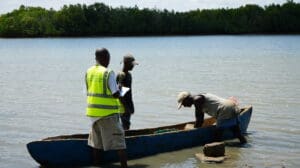
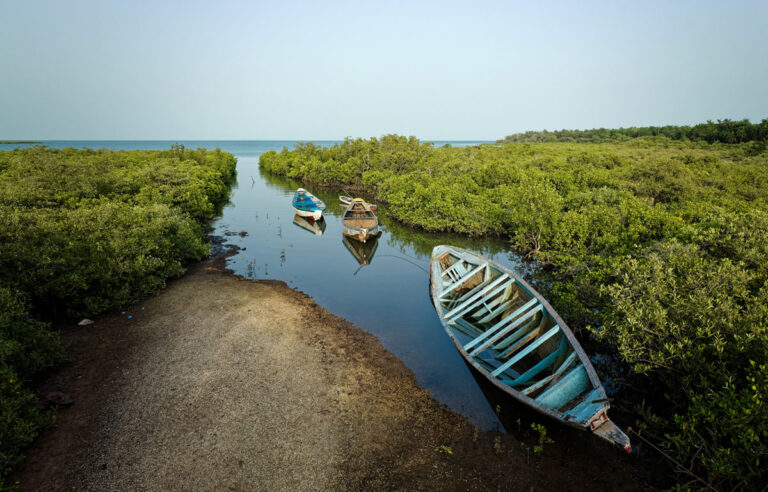
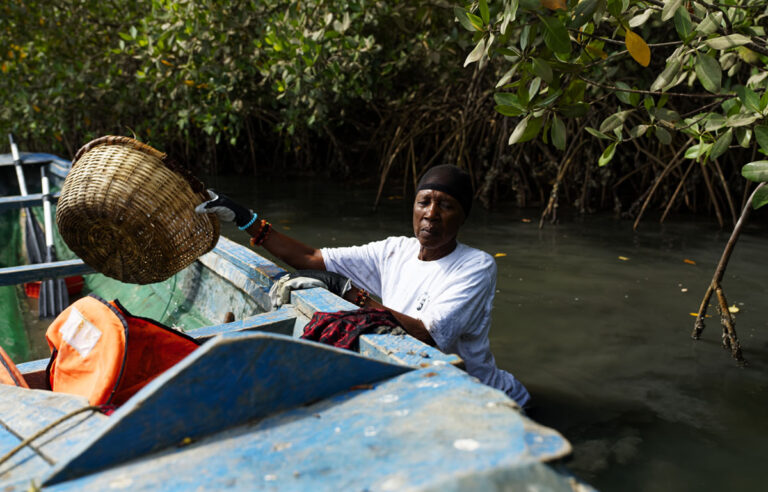
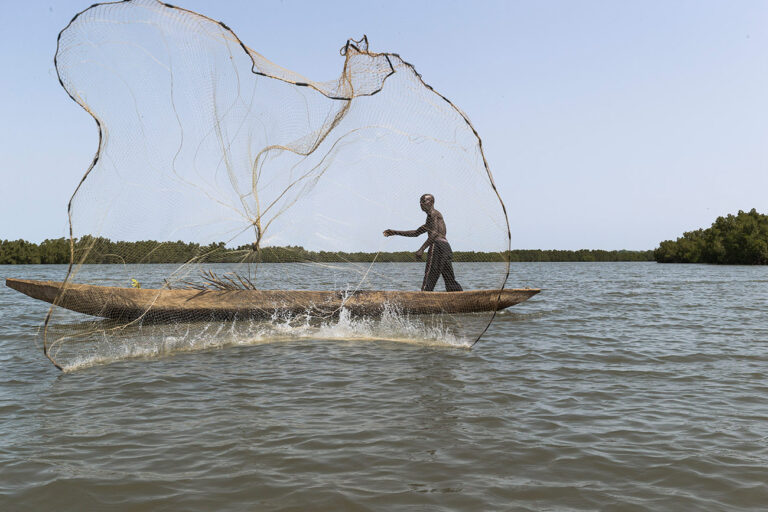
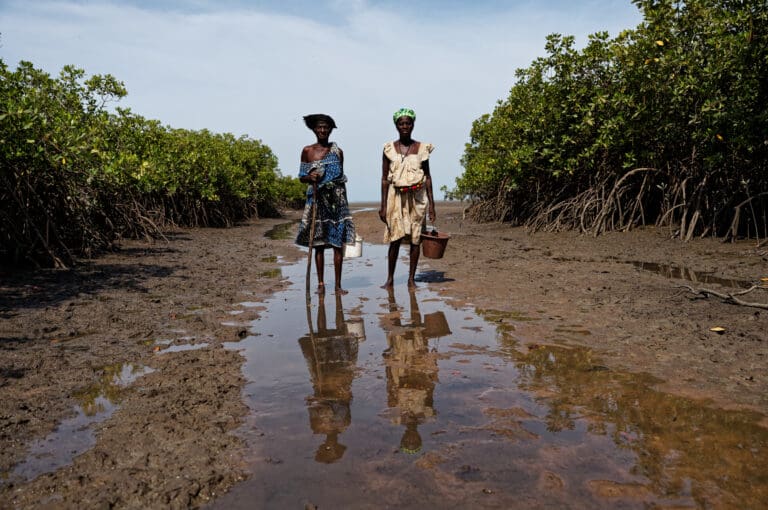
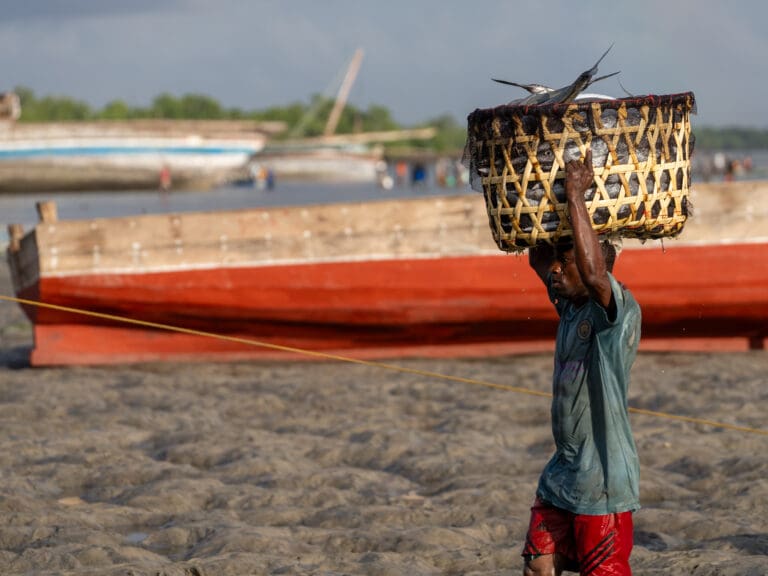
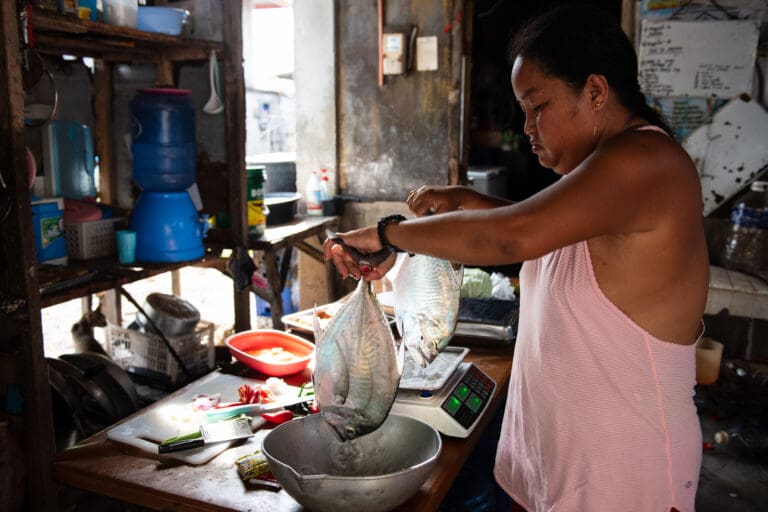
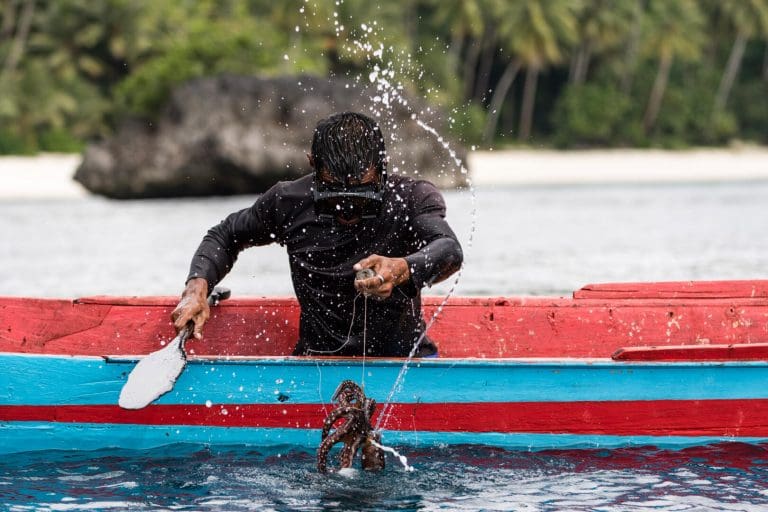
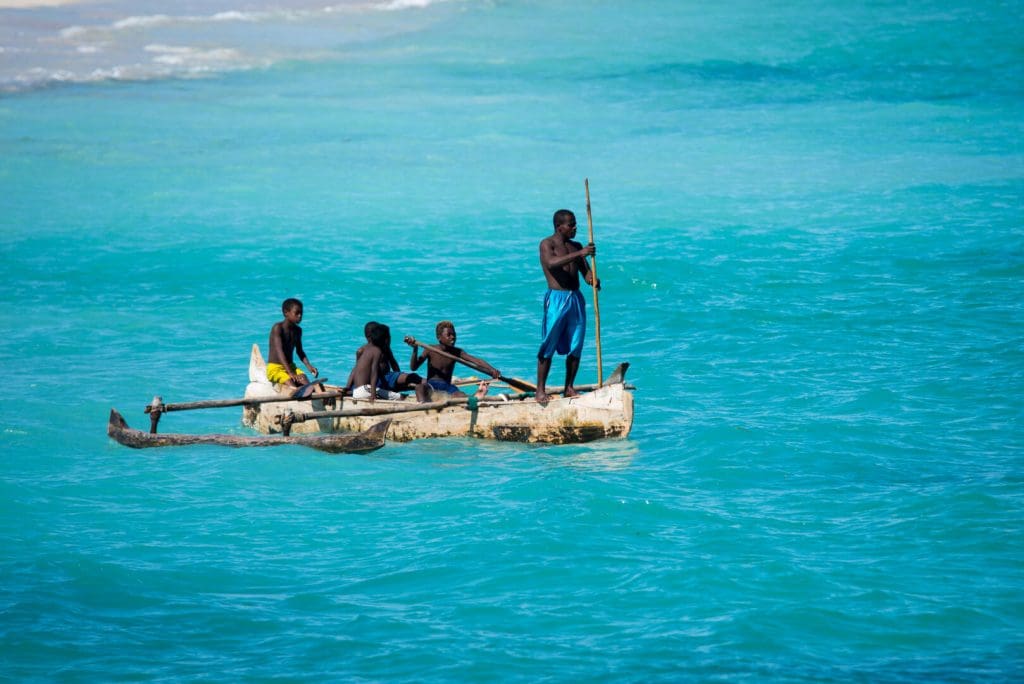
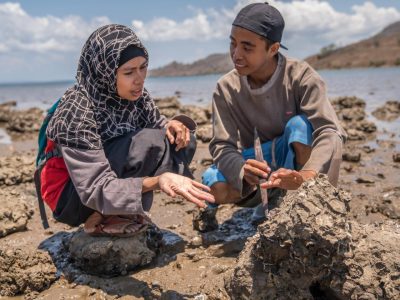
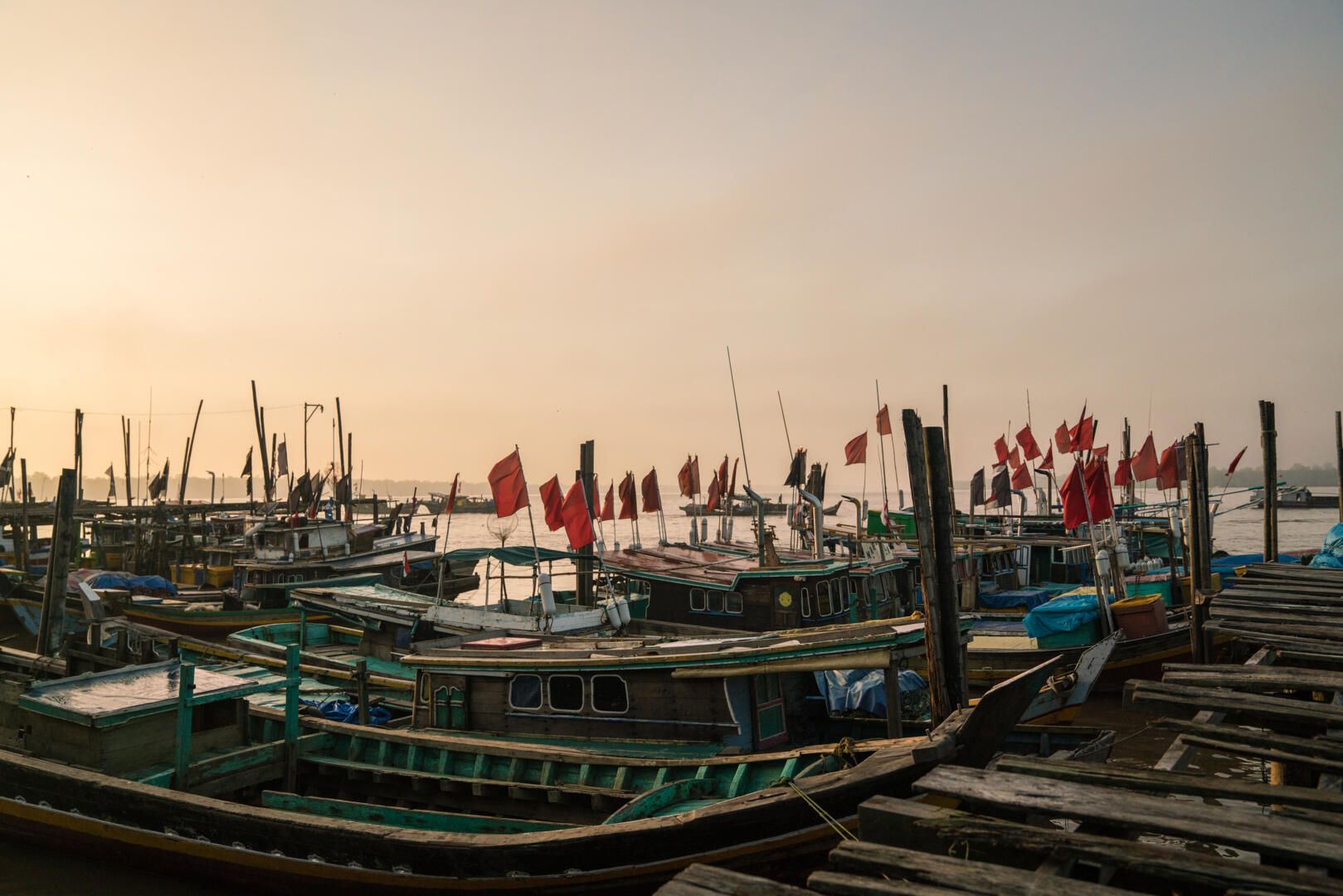
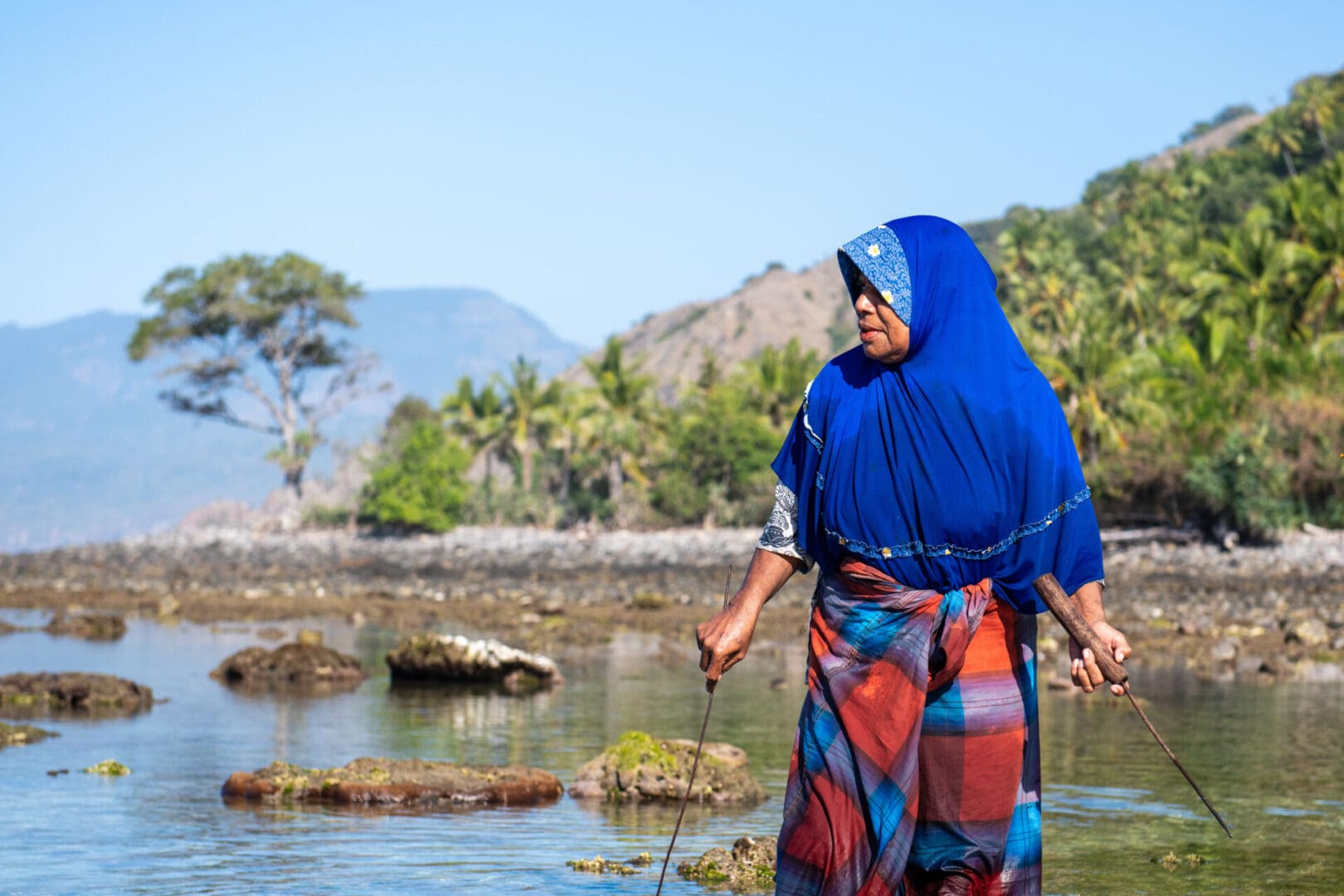
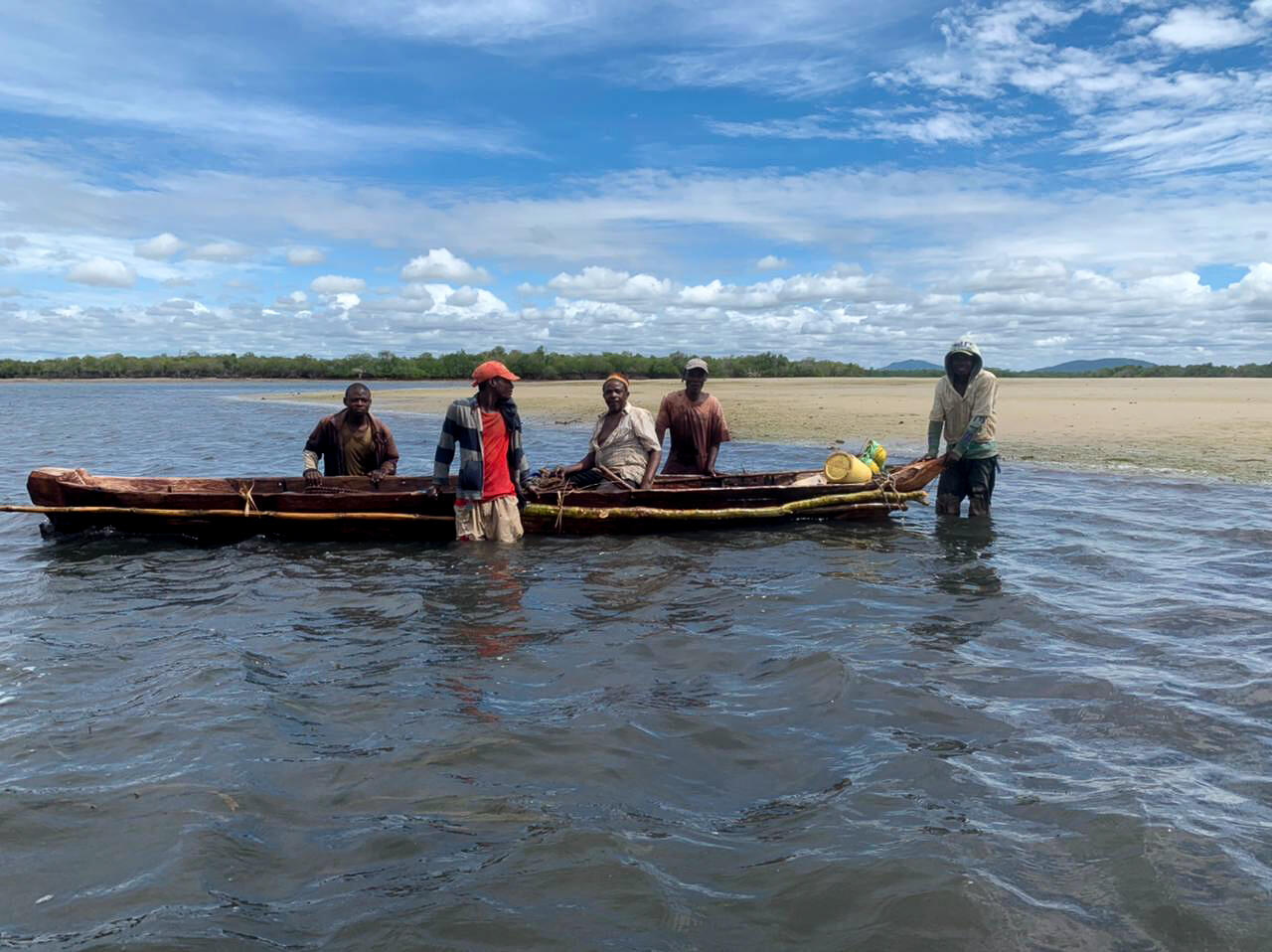
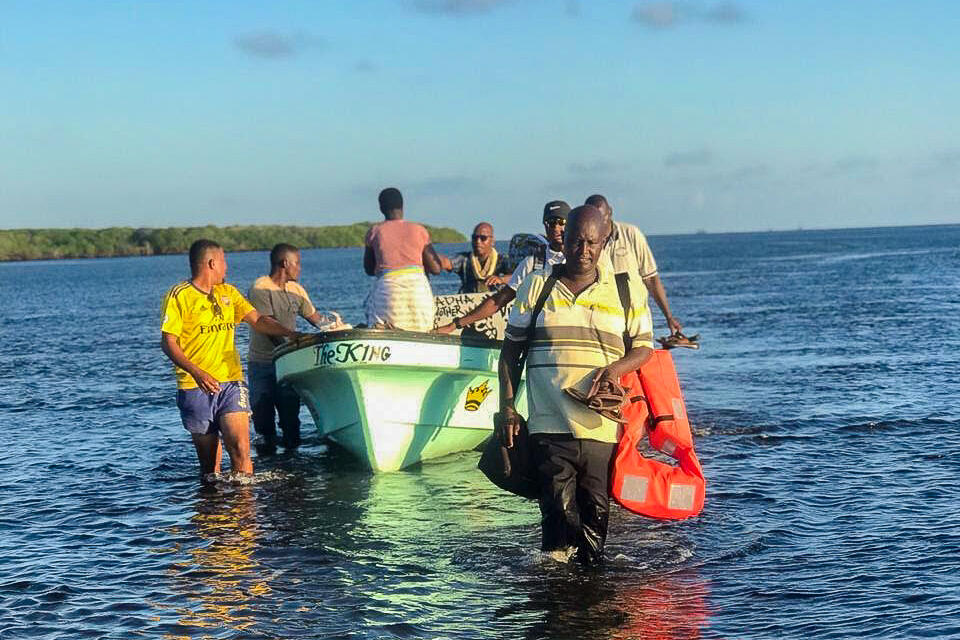
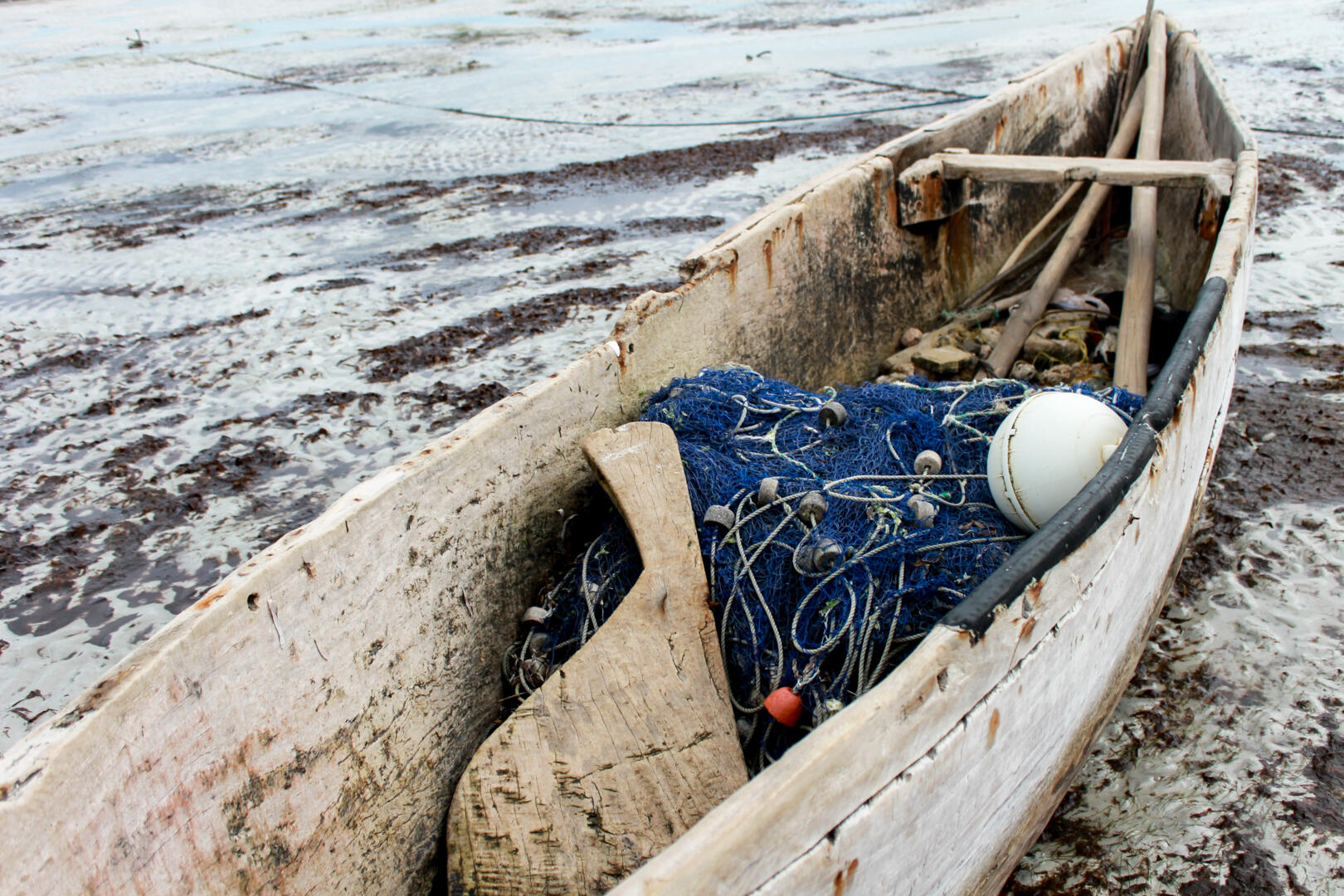
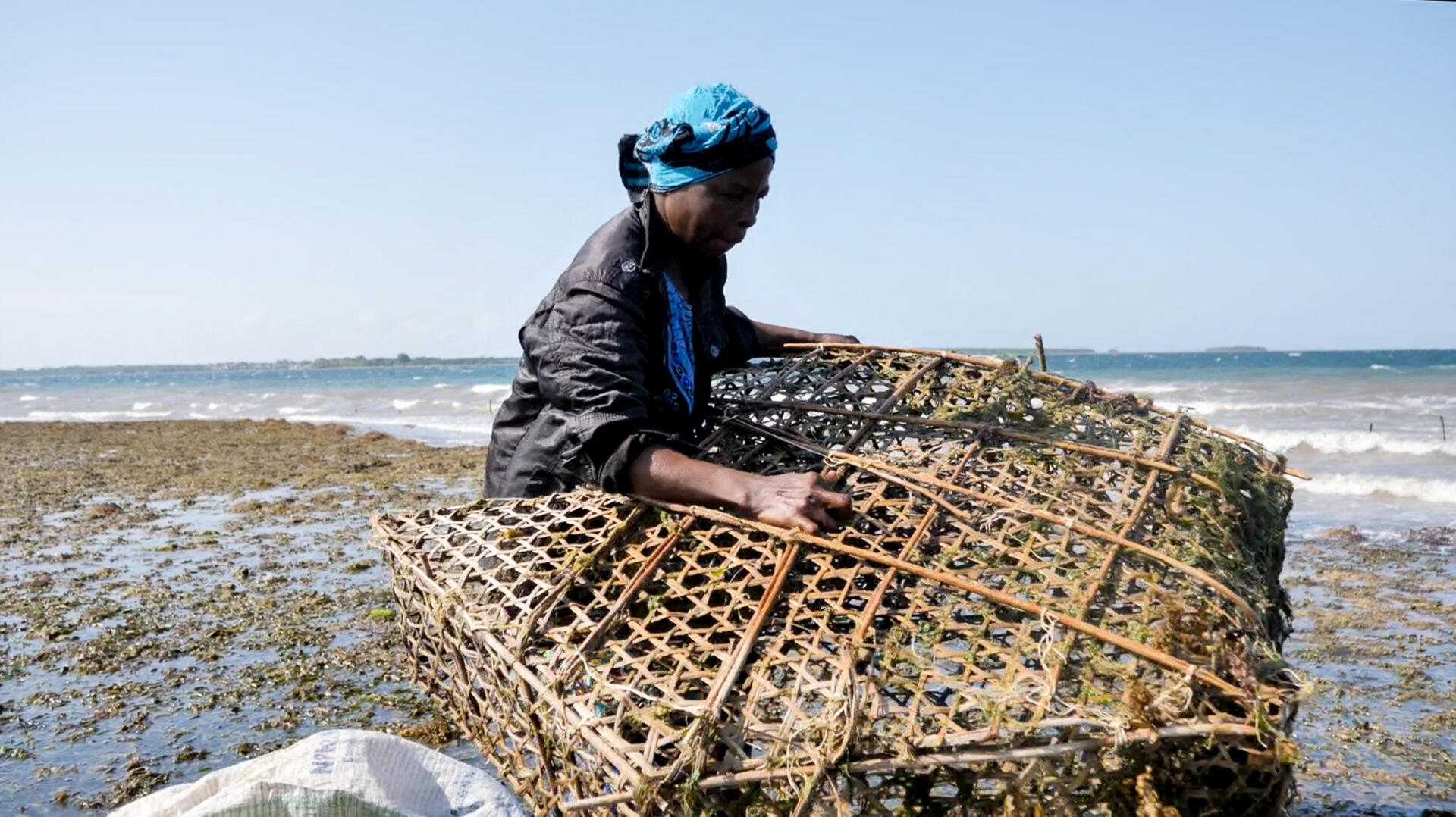
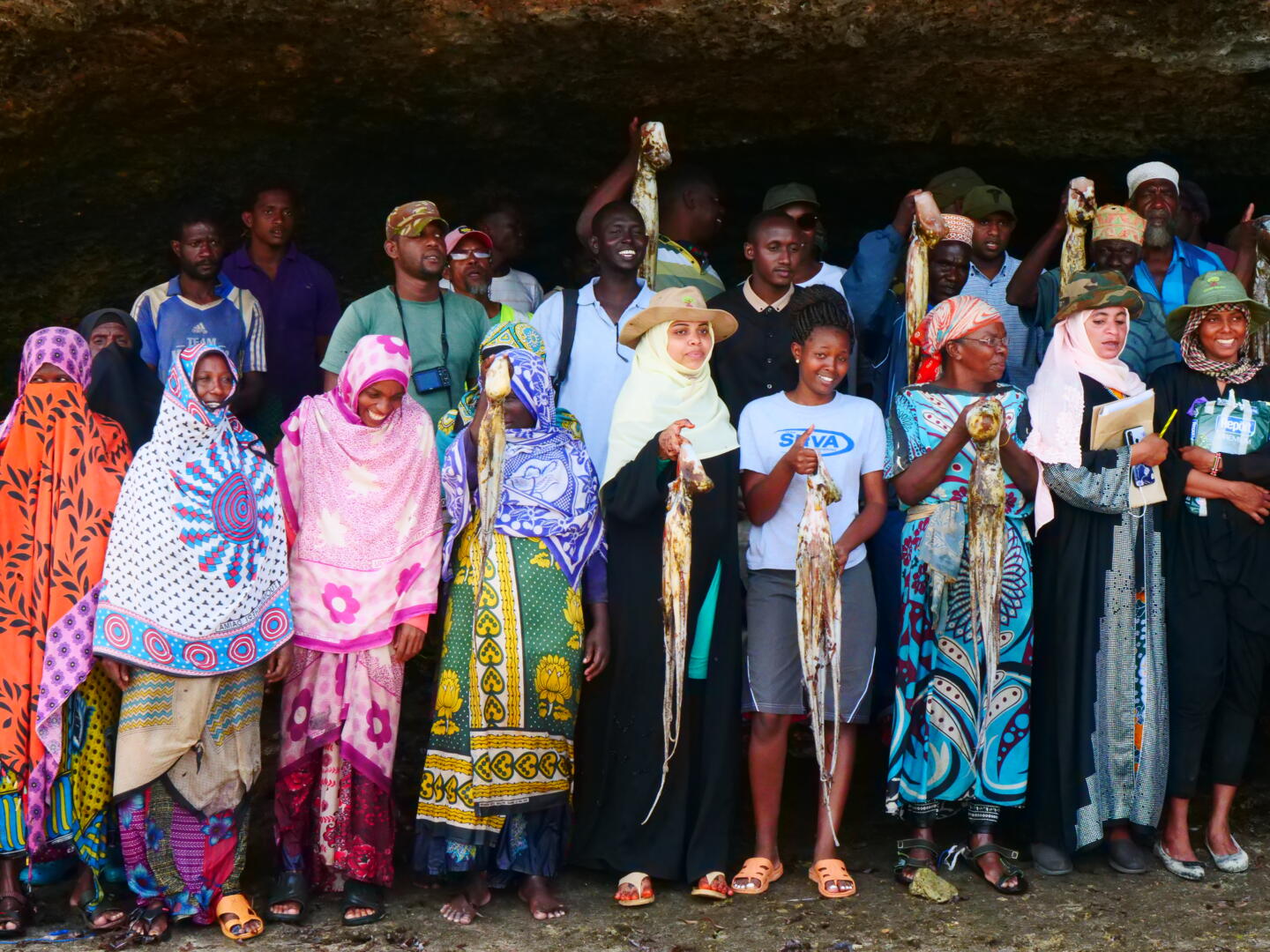
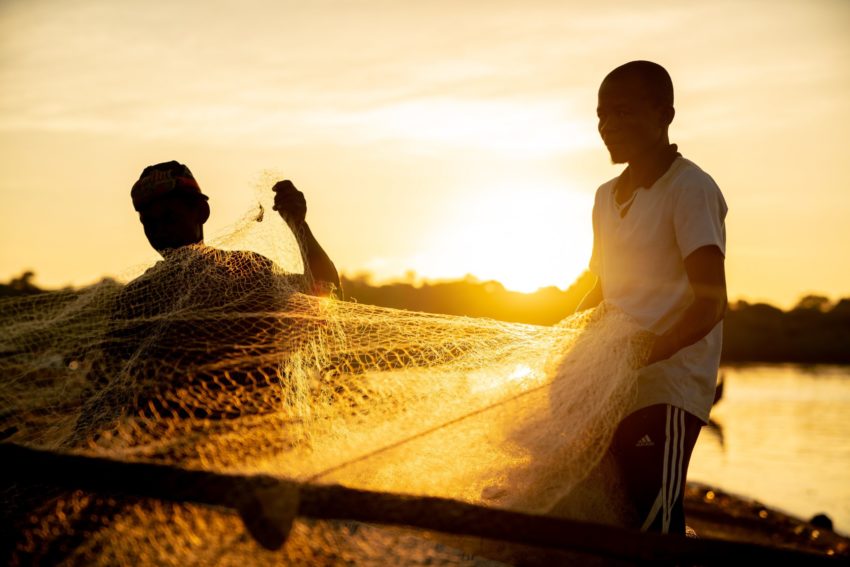
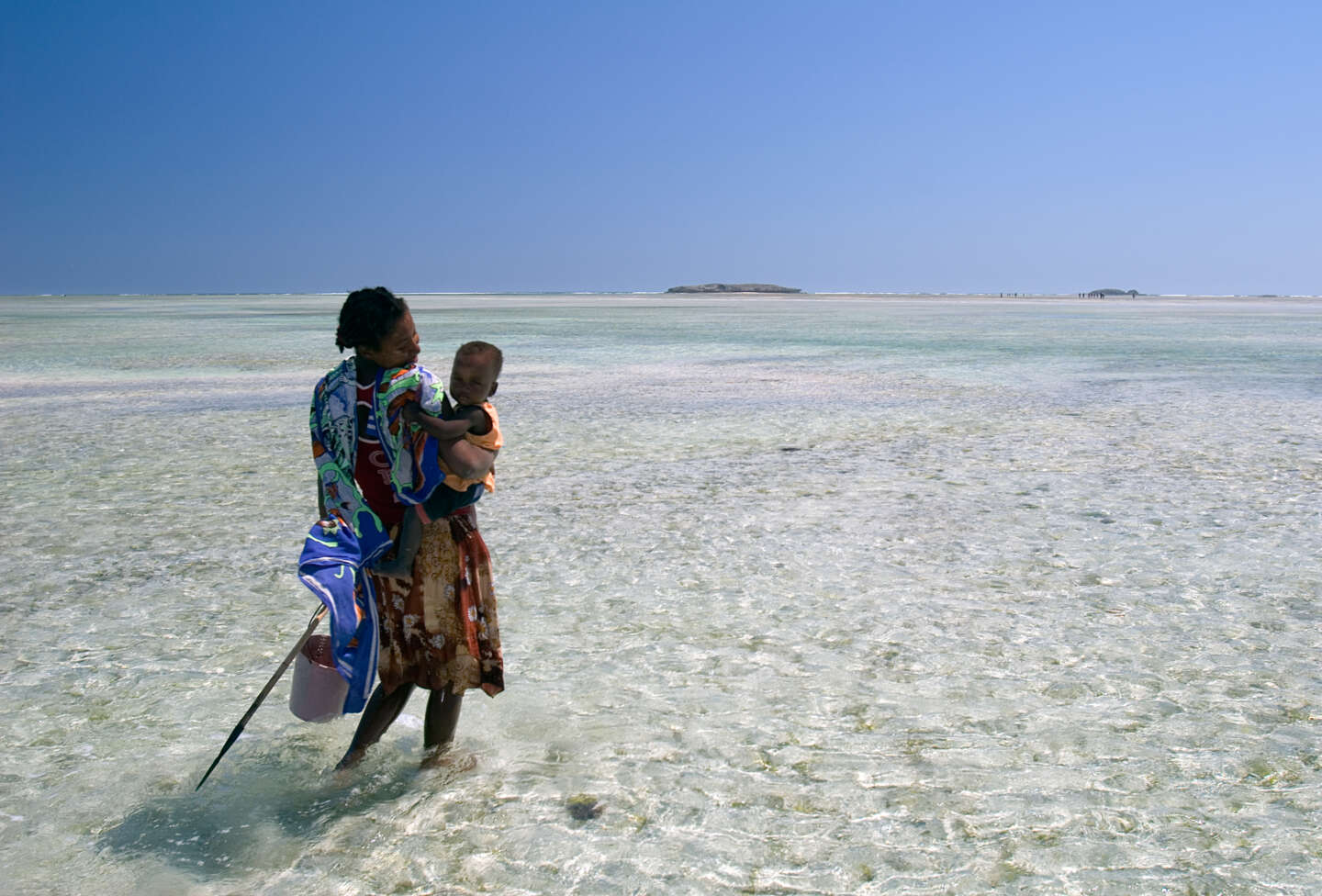
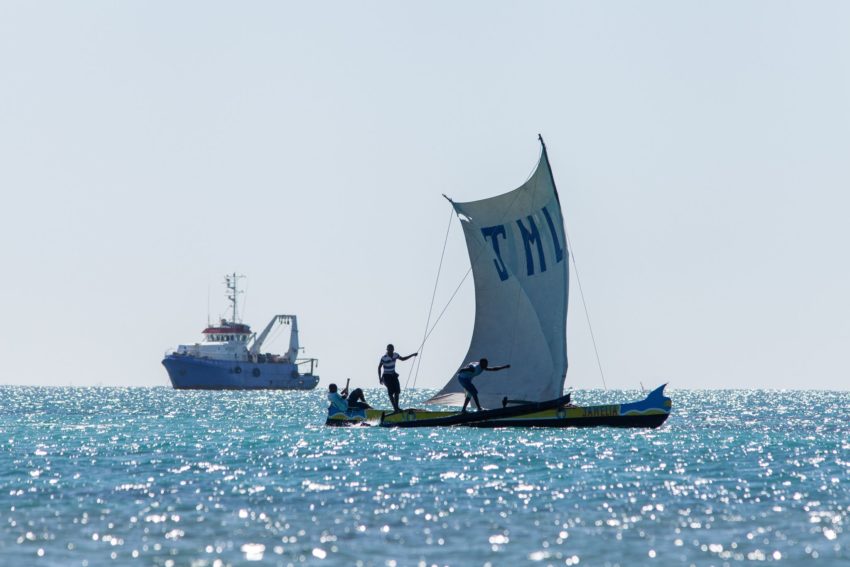
Through the FCF, communities are already reshaping their coasts and livelihoods. In Kenya, the Kwale Beach Management Unit (BMU) Network has launched credit groups, restored coral reefs, and expanded seaweed farming, creating new livelihoods for women and young people. In Tanzania, Kilwa’s BMU Network has scaled up octopus fishery closures and patrols, boosting catches and incomes. In Madagascar, the Nosy Faly Locally Managed Marine Area (LMMA) has secured a new co-management contract covering seven villages, and trained over 100 local patrollers.
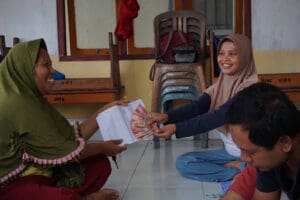
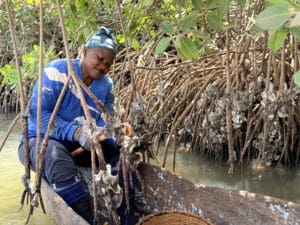
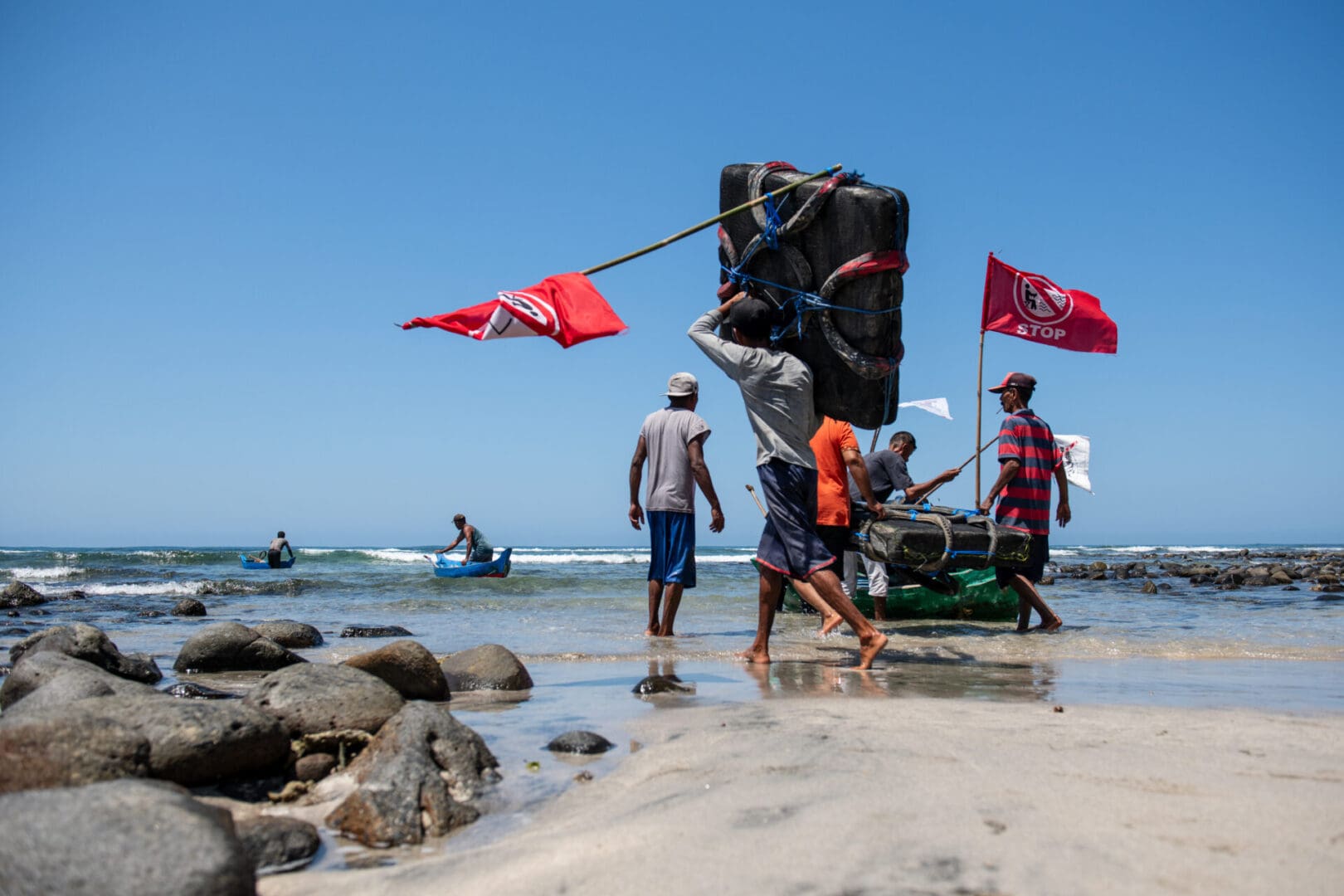
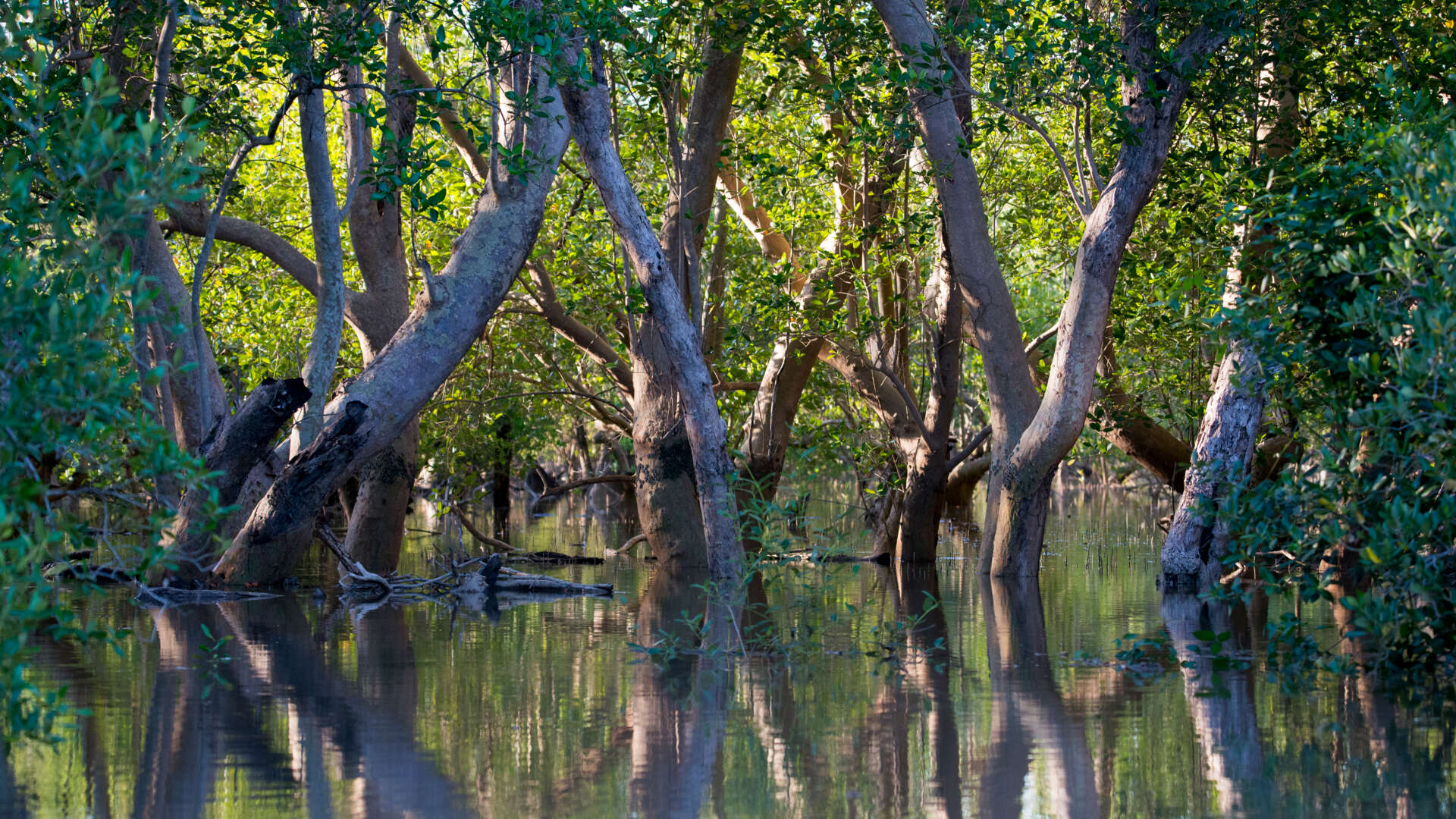
Beyond Africa, the Fund has backed fisher cooperatives and mangrove restoration in Indonesia. These stories prove a simple truth: when communities receive direct, flexible support, they lead climate action from the frontlines.
That declaration rang out in Addis. “If we are serious about climate justice, then putting long-term, flexible finance directly in the hands of local organisations and communities on the frontline must be the priority,” said Gildas Andriamalala, Blue Ventures’ Country Director in Madagascar, who moderated the session. “The responsibility to make this happen lies with all of us — donors, governments, and NGOs.”
Community leaders reinforced that call with lived experience.
 Blue Ventures’ Gildas Andriamalala addresses the audience at the Frontline Finance session
At the Pavilion’s opening, Ahmed Gamal, President of the Manongalaza Fishers Union in Madagascar, described how climate change is not an abstract threat, but a daily reality, “shaping our day-to-day lives.”
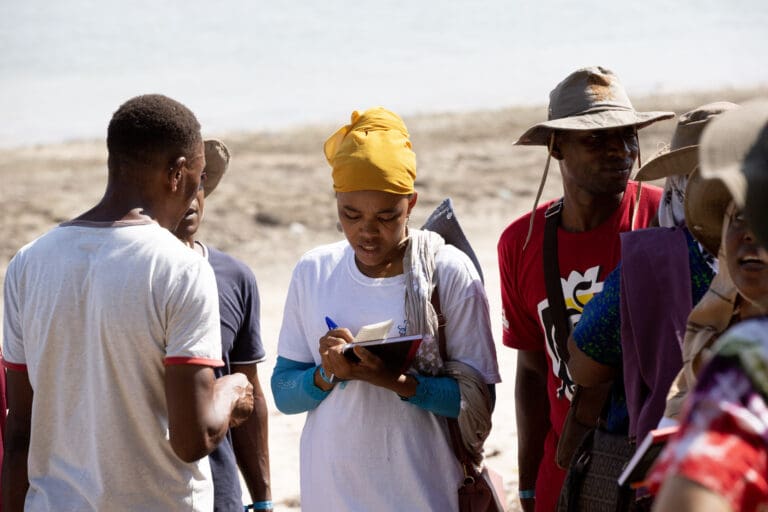
Halima Shillingi, a fisheries officer of the Kwale BMU Network, reminded delegates that “the community has the best perspective of what is happening at the grassroots level… Amplifying their voices is the first step towards finding solutions for the issues they face.” Her colleague, Mtengo Omari, drove the point home: “Our message to funders is clear: trust communities with resources. Direct, flexible, long-term funding allows us to plan, act, and deliver impact.”
For Tanzania’s Yohana Steven Samwel, a project manager for Kilwa BMU Network, the Summit itself was proof of what can be achieved when grassroots leaders connect with decision-makers: “Attending the Summit gave me a chance to share and learn with leaders, experts, and communities working on solutions to climate change. The discussions showed that real solutions start in the community, and partnerships make them stronger.”
 “The community has the best perspective of what is happening at the grassroots level”, said Kwale County BMU’s Halima Shillingi
That story of scale was echoed by Naly Rakotoarivony, Blue Ventures’ Head of Partnership Network in Madagascar, while contributing to a blue carbon panel. He described the country’s journey from a single LMMA in 2006 to more than 280 today. He pointed to community stewardship of reefs, seagrass and mangroves, and lessons from the Tahiry Honko blue carbon project —both in its promise and the governance challenges that must be overcome if finance is to reliably reach villages.
Reflecting on the discussions at the Summit, Gamal called for more direct support: “Communities have already initiated solutions but lack appropriate means and resources. We truly appreciate the Frontline Community Fund approach for directing funding to local communities, and it should be scaled to support more and more communities.”
The message across the Pavilion was consistent and clear: frontline communities already know what works. What they need now is trust, recognition, and direct, flexible, and long-term funding.
The time for pilots and promises is over. Communities are ready. Funders must be too, it’s time to finance the frontlines and scale proven solutions.
Find our more about the Frontline Community Fund at frontlinefund.org